




Menu

Whole Home Humidifiers in Kansas City – Expert Installation and Service for Year-Round Indoor Comfort

United HVAC Kansas City specializes in whole home humidifiers that integrate directly with your existing HVAC system, delivering consistent humidity control throughout every room in your home while protecting wood floors, furniture, and respiratory health during harsh Midwest winters.

Slider Image 1
Slider Image 2
Slider Image 3
Slider Image 4
Slider Image 5
Slider Image 7
Slider Image 8
Slider Image 9
Slider Image 10
Slider Image 11

Why Kansas City Homes Need Central Humidifiers

Kansas City winters are brutal on indoor air quality. When temperatures drop below freezing and your furnace runs constantly, indoor relative humidity can plummet to 15 percent or lower. That is drier than most deserts.

You feel it immediately. Static shocks when you touch doorknobs. Cracked lips and bloody noses. Hardwood floors that shrink and gap at the seams. Crown molding that pulls away from walls. Your antique furniture splits along the grain. You wake up with a sore throat every morning.

Low humidity also makes your home feel colder than it actually is. You crank the thermostat higher, which makes the air even drier and drives up your heating bills. It becomes a vicious cycle.

Portable humidifiers cannot solve this problem. You would need one in every room, and they require constant refilling. They also create localized moisture that can cause mold growth on nearby walls or window condensation that damages trim.

Whole house humidifiers integrate directly into your HVAC system at the supply plenum or return duct. They deliver moisture evenly through your existing ductwork to every room in your home. Central humidifiers work automatically with your furnace cycle, maintaining optimal humidity levels between 35 and 45 percent without any daily effort on your part.

Ducted humidifiers are the only reliable solution for homes larger than 1,500 square feet in the Kansas City metro. They protect your investment in hardwood flooring, preserve respiratory health, and reduce heating costs by making 68 degrees feel like 72.

Why Kansas City Homes Need Central Humidifiers
How United HVAC Kansas City Installs HVAC Humidifiers

How United HVAC Kansas City Installs HVAC Humidifiers

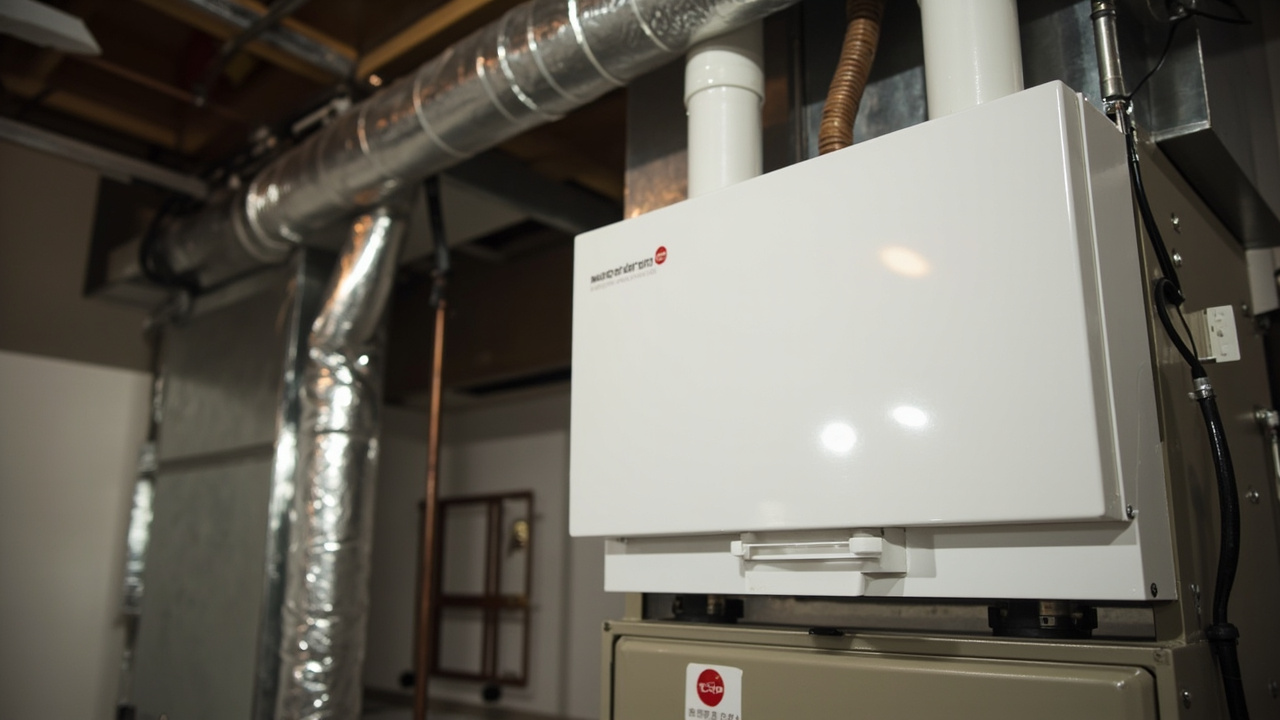
Installing a furnace humidifier requires precision work at your supply plenum or return air duct. This is not a plug-and-play appliance. It requires sheet metal fabrication, electrical wiring, and plumbing connections that integrate seamlessly with your existing forced-air system.

We start by calculating your home's specific humidification load. This depends on your total square footage, insulation R-values, air exchange rate, and your furnace's BTU output. A 2,000-square-foot ranch with poor insulation needs a different capacity than a well-sealed 3,500-square-foot two-story in Prairie Village.

We then select between three humidifier types based on your system. Bypass humidifiers use your furnace blower to push air through a water panel. Fan-powered humidifiers have their own blower and work independently of your heating cycle. Steam humidifiers boil water and inject pure vapor directly into the ductwork, delivering the highest output for larger homes or commercial applications.

Installation involves cutting an access panel in your supply or return plenum, mounting the humidifier cabinet, and running a dedicated water line from your plumbing system. We install a saddle valve or dedicated shutoff at your cold water supply, then run quarter-inch copper or PEX tubing to the humidifier. The unit also requires a drain line to remove mineral buildup and overflow.

We wire the humidifier to your furnace control board so it operates only when the blower runs. We install a wall-mounted humidistat in your living area that monitors indoor humidity and signals the humidifier to activate when levels drop below your setpoint.

After installation, we test the system through multiple heating cycles, verify proper water flow, check for leaks, and calibrate the humidistat to your comfort preferences.

What Happens During Your Whole Home Humidifier Installation

Whole Home Humidifiers in Kansas City – Expert Installation and Service for Year-Round Indoor Comfort
01

System Assessment and Sizing

Our technician inspects your existing furnace, ductwork layout, and available installation space at the plenum. We measure your home's square footage, assess insulation quality, and calculate the gallons per day output required to maintain 40 percent relative humidity throughout your living space. We also verify your electrical panel capacity and locate the nearest cold water supply line for plumbing integration.
02

Professional Installation and Integration

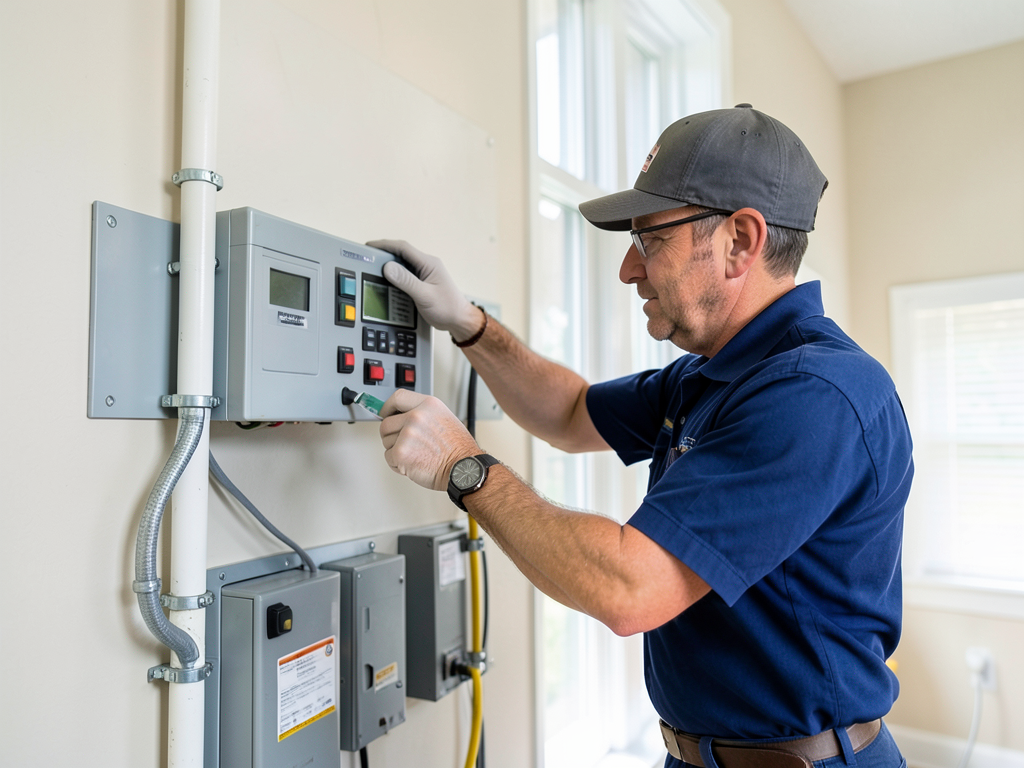
We cut the plenum access opening using aviation snips, mount the humidifier cabinet with sheet metal screws, and seal all connections with mastic. We run the water supply line from your plumbing system, install the drain line to your floor drain or condensate pump, and wire the unit to your furnace control board. We mount the humidistat on an interior wall away from windows and exterior doors to ensure accurate humidity readings.
03

Testing and Calibration

We activate your furnace and run the humidifier through multiple cycles to verify proper water flow, drainage, and vapor distribution. We check all connections for leaks, measure output at supply registers throughout your home, and calibrate your humidistat to deliver consistent humidity levels. We show you how to adjust settings seasonally and explain the annual maintenance requirements to keep your system running efficiently.

Why Kansas City Homeowners Choose United HVAC for Central Humidifier Installation

Kansas City has unique challenges that make local HVAC expertise essential. Our winter humidity swings are extreme. January outdoor air can hold almost no moisture, and when your furnace heats that air to 70 degrees without adding humidity, indoor levels crash to 10 or 15 percent.

Many national chain installers follow cookie-cutter sizing charts that do not account for Kansas City's older housing stock. Homes in Brookside, Waldo, and the Northeast neighborhoods were built between 1920 and 1950 with minimal insulation and leaky ductwork. These homes lose heated air rapidly and require higher-capacity humidifiers than newer construction in Overland Park or Olathe.

United HVAC Kansas City has installed whole house humidifiers in every type of home across the metro. We know which models perform best in two-story colonials with long duct runs. We understand how to integrate humidifiers with high-efficiency variable-speed furnaces that run at lower blower speeds. We have experience retrofitting humidifiers into homes with original 1960s ductwork in tight crawl spaces.

We also understand Kansas City water quality. Municipal water here has moderate hardness, typically between 120 and 180 parts per million. That mineral content builds up on evaporator pads and reduces efficiency. We recommend maintenance schedules based on your specific water hardness and show you how to replace pads yourself or schedule annual service visits.

Local building codes in Kansas City and surrounding Johnson County municipalities require proper drainage and overflow protection for HVAC humidifiers. We install every system to code, with dedicated shutoff valves and drain lines that prevent water damage if a solenoid valve fails.

You also get faster service when something goes wrong. We stock replacement parts for every humidifier brand we install, from Aprilaire and Honeywell to GeneralAire and Lennox. You do not wait three weeks for a water panel to arrive from a regional warehouse.

What to Expect When You Install a Furnace Humidifier

Installation Timeline and Disruption

Most whole home humidifier installations take between three and five hours from start to finish. The work happens at your furnace location, typically in your basement, utility room, or garage. We do not need access to your living spaces except to mount the humidistat on an interior wall. Your furnace will be offline during installation, so we schedule this work during mild weather when possible. You can use your home normally while we work. We clean up all debris, test the system, and walk you through operation before we leave. You will notice the difference in air quality within 24 hours as humidity levels stabilize.

Initial Consultation and Equipment Selection

We start with a phone consultation to understand your humidity concerns and schedule an on-site evaluation. During the visit, our technician inspects your furnace, measures available installation space, and assesses your ductwork configuration. We discuss your budget and explain the differences between bypass, fan-powered, and steam humidifiers. We provide a detailed written quote that includes equipment, labor, materials, and any necessary electrical or plumbing modifications. There are no hidden fees. We also explain ongoing maintenance requirements so you understand the annual cost of operation before you commit.

Performance and Comfort Improvement

Within two days of installation, you will notice reduced static electricity, fewer respiratory symptoms, and elimination of that dry, scratchy throat feeling you wake up with in winter. Your hardwood floors stop creaking and gaps between planks close as wood absorbs moisture and expands back to normal dimensions. You will also feel warmer at lower thermostat settings. Properly humidified air at 68 degrees feels as comfortable as dry air at 72 degrees, which can reduce your heating costs by 4 to 6 percent through the winter months. Your home feels more comfortable without costing more to heat.

Maintenance Requirements and Longevity

Central humidifiers require minimal maintenance compared to portable units. You will need to replace the evaporator pad once per year, typically before the heating season starts in October. This is a simple task you can do yourself in 10 minutes, or we can include it in an annual furnace tune-up. We also recommend inspecting the water line and drain connections annually for leaks or mineral buildup. Steam humidifiers have replaceable electrode cylinders that last three to five years depending on water hardness. The humidifier cabinet and controls typically last 15 to 20 years with proper maintenance, which is comparable to your furnace lifespan.

Frequently Asked Questions

You Have Questions,
We Have Answers

What is the downside of a whole-house humidifier? +

Whole-house humidifiers require regular maintenance to prevent mold and bacterial growth inside the unit and your ductwork. If you skip filter or pad changes, you risk circulating contaminated air. They also increase water usage and can cause over-humidification if not calibrated correctly, leading to condensation on windows or structural damage. In Kansas City homes with older HVAC systems, improper installation can reduce furnace efficiency. You need annual inspections to check for mineral buildup, especially given our hard water. Neglected units can leak, damaging surrounding components. The upfront cost and ongoing maintenance are trade-offs for consistent humidity control.

What type of humidifier is best for a whole house? +

Bypass and fan-powered humidifiers work best for Kansas City homes. Bypass models use your furnace blower to push air through a water panel, making them energy-efficient and quiet. Fan-powered units have their own fan, delivering more moisture and working without the furnace running, ideal for milder winter days here. Steam humidifiers offer the most precise control and no mineral dust, but cost more upfront. Avoid drum-style units due to mold risk. Your choice depends on your home size, ductwork layout, and budget. A qualified HVAC technician can assess your system and recommend the right fit for Kansas City's fluctuating winter humidity.

How much does it cost to get a whole home humidifier installed? +

Whole-home humidifier installation in Kansas City typically ranges from cost factors including the unit type, your existing ductwork configuration, and labor. Bypass models are the most affordable, while steam humidifiers cost more due to complexity and electrical requirements. Homes with older HVAC systems may need additional ductwork modifications, increasing labor hours. Kansas City's hard water may require upgrading to models with better mineral management. Installation takes two to four hours. Always get multiple quotes from licensed HVAC contractors who can inspect your system first. Avoid low-ball estimates that skip necessary components like quality humidistats or proper drainage lines.

What humidifiers do consumer reports recommend? +

Consumer Reports evaluates humidifiers based on moisture output, ease of maintenance, and energy efficiency. They favor steam-based whole-house models for consistent performance and minimal bacterial growth risk. Aprilaire and Honeywell models receive high marks for reliability. Bypass and fan-powered units from these brands balance cost and effectiveness. For Kansas City homes, focus on models with antimicrobial pads and low mineral scaling, given our hard water. Consumer Reports also emphasizes proper sizing and professional installation over brand alone. Check their latest ratings, but prioritize a unit that matches your home's square footage and your HVAC system's compatibility.

What are signs I need a humidifier? +

You need a humidifier if you experience frequent static shocks, dry skin, cracked lips, or bloody noses during Kansas City winters. Wood floors, trim, and furniture may show gaps or cracks as they lose moisture. You might notice increased respiratory irritation, worsening asthma, or longer recovery from colds. Windows and doors can warp or become difficult to operate. Your thermostat might read 72 degrees, but the air feels colder than it should due to low humidity. If you run portable humidifiers constantly in multiple rooms, a whole-house system is more efficient and stops the hassle of refilling tanks daily.

Where does the water go from a whole house dehumidifier? +

Whole-house dehumidifiers drain collected water through a dedicated condensate line, which connects to your home's plumbing system or a floor drain. The water flows continuously, so you never empty a bucket. In Kansas City basements or crawl spaces, the line typically ties into a sump pump or existing HVAC drain. If gravity drainage is not possible, a condensate pump pushes water to a distant drain or exterior outlet. Proper installation requires a slight downward slope to prevent backups. Your HVAC technician will route the line to the nearest drain point during installation, keeping the system hands-free and automatic.

Where is the best place to put a whole home humidifier? +

Install a whole-home humidifier directly on your HVAC system's return or supply duct, usually in the basement, utility room, or attic where your furnace sits. The unit should be near a water supply line and drain. Bypass models mount on the return plenum and connect to the supply duct. Fan-powered units install on either side, depending on your ductwork layout. Kansas City homes with limited basement space may require creative routing. Never place the unit where it blocks airflow or makes filter changes difficult. Your HVAC contractor will assess your ductwork and choose the optimal location for balanced moisture distribution throughout your home.

What are the signs of too much humidity? +

High humidity causes condensation on windows, damp spots on walls or ceilings, and a musty odor in your home. You might see mold or mildew in bathrooms, closets, or around air vents. Wood floors may cup or buckle, and paint can peel or blister. In Kansas City's humid summers, your home feels sticky and uncomfortable even with the AC running. Dust mites and allergens thrive above 50 percent relative humidity. Your HVAC system may run longer without cooling effectively. If your hygrometer reads above 60 percent, you need dehumidification to prevent structural damage and health issues.

What size humidifier do I need for a 2000 square foot house? +

A 2,000-square-foot house in Kansas City needs a whole-home humidifier that delivers 10 to 12 gallons per day. Bypass models handle most mid-size homes, but fan-powered units provide better coverage if you have high ceilings or an open floor plan. Steam humidifiers offer precise control for tighter homes. Your HVAC system's airflow capacity matters more than square footage alone. Older furnaces with lower CFM may require a smaller unit to avoid overwhelming the blower. A professional load calculation accounts for insulation levels, air leakage, and your furnace's capacity to match the right humidifier to your home's specific needs.

How big of a dehumidifier do I need for a 2000 sq ft house? +

A 2,000-square-foot home in Kansas City needs a dehumidifier rated for 50 to 70 pints per day, depending on your basement moisture levels and how tightly your home is sealed. Whole-house models integrate with your HVAC system and handle entire-home moisture control. Portable units work for single-problem areas like finished basements prone to dampness during humid summers. Kansas City's clay soil and high water tables increase basement humidity, so err toward higher capacity. Choose a unit with continuous drainage to avoid emptying buckets. Your HVAC contractor can measure humidity levels and recommend the correct size based on your home's conditions.

Why Kansas City's Continental Climate Makes Whole Home Humidifiers Essential

Kansas City sits at the intersection of cold Canadian air masses and warm Gulf moisture, creating dramatic seasonal humidity swings. Summer relative humidity regularly exceeds 70 percent, while winter indoor levels without humidification drop below 20 percent. This extreme variation is harder on your home than consistently dry climates like Denver or consistently humid climates like Houston. Wood expands and contracts with each seasonal swing, causing cumulative damage to flooring, cabinetry, and trim. HVAC humidifiers stabilize indoor moisture levels year-round, preventing this cyclical stress on building materials and reducing maintenance costs over the life of your home.

Local HVAC expertise matters when installing ducted humidifiers in Kansas City homes. Our housing stock includes everything from 1920s bungalows with gravity furnaces converted to forced air, to modern Energy Star homes with sealed ductwork and high-efficiency equipment. Each configuration requires different humidifier sizing, placement, and control strategies. United HVAC Kansas City understands these local building characteristics and has established relationships with suppliers who stock the right equipment for our climate. We also stay current with Johnson County and Kansas City building codes that govern humidifier drainage and electrical connections, ensuring your installation passes inspection and performs reliably for decades.

HVAC Services in The Kansas City Area

View our service area and business location on the map below. We are proud to serve the entire Kansas City metro area, providing expert heating and cooling services to both residential and commercial clients. If you need a reliable HVAC partner, we are conveniently located to respond quickly to your needs, ensuring your indoor comfort is always our top priority.

Address:
United HVAC Kansas City, 1425 Agnes Ave, Kansas City, MO, 64127

Additional Services We Offer

Our news updates

Latest Articles & News from The Blogs

Essential HVAC Safety Tips for Families with Toddlers and Crawling Babies in Lenexa\n\nDoes your crawling baby seem magnetically drawn to…

Essential HVAC Safety Tips for Families with Toddlers and Crawling Babies in Lenexa

Essential HVAC Safety Tips for Families with Toddlers and Crawling Babies in Lenexa\n\nDoes your crawling baby seem magnetically drawn to…

Why Your Master Bedroom Is Always the Hardest Room to Cool in Your Olathe Two Story

Your Olathe two-story home was built for comfort, but your master bedroom still feels like a sauna while the downstairs…

How Shifting Kansas City Clay Soil Can Actually Damage Your Underground Ductwork

How Shifting Kansas City Clay Soil Can Actually Damage Your Underground Ductwork Kansas City’s expansive clay soil shifts dramatically with…

Contact Us

Call United HVAC Kansas City today at (816) 473-9177 for a free humidification assessment. We will calculate your home's specific needs, explain your equipment options, and provide a detailed written quote. Most installations complete in one day with immediate comfort improvement.