




Menu

VRF System Installation in Kansas City – Minimize Downtime with Precision Multi-Zone Climate Control

United HVAC Kansas City engineers variable refrigerant flow systems that deliver independent zone control, energy efficiency, and uninterrupted operations for commercial facilities across the metro, from Overland Park office parks to River Market mixed-use developments.

Slider Image 1
Slider Image 2
Slider Image 3
Slider Image 4
Slider Image 5
Slider Image 7
Slider Image 8
Slider Image 9
Slider Image 10
Slider Image 11

Why Kansas City Commercial Buildings Are Moving to Variable Refrigerant Flow Technology

Kansas City's volatile climate swings force commercial buildings to manage both humid 95-degree summers and sub-zero winter cold fronts, often within the same billing cycle. Traditional commercial HVAC systems run inefficiently when separate zones demand different temperatures. A warehouse needs cooling while offices need heat. Conference rooms sit empty while server rooms require constant climate control.

Variable refrigerant flow installation solves this by routing refrigerant only to zones that need conditioning. A single outdoor unit serves dozens of indoor air handlers, each operating independently. When your Crossroads Arts District building's first floor retail needs cooling and third floor offices need heating, VRF HVAC installation delivers both simultaneously without the energy waste of conventional systems.

The technology matters for Kansas City businesses facing rising utility costs and demanding tenants. VRV system installation reduces energy consumption by 30 to 50 percent compared to traditional rooftop units. The systems run quietly, critical for medical offices in Prairie Village or legal firms in the Financial District where noise disrupts concentration.

Commercial VRF installation also addresses the space constraints common in Kansas City's historic buildings. The Country Club Plaza's Spanish architecture and Westport's brick structures limit mechanical room access. VRF systems require minimal ductwork and fit compact equipment in tight spaces without compromising performance.

The question is not whether to upgrade. The question is how quickly your building can start reducing operating costs while improving tenant comfort.

Why Kansas City Commercial Buildings Are Moving to Variable Refrigerant Flow Technology
How We Engineer VRF AC System Installation for Commercial Performance

How We Engineer VRF AC System Installation for Commercial Performance

United HVAC Kansas City approaches commercial VRF installation as a load calculation and piping design challenge, not a simple equipment swap. We begin with thermal modeling of your building envelope. Kansas City's clay soil causes foundation settling that creates air gaps. Historic masonry buildings in the West Bottoms have zero insulation. Glass curtain walls in the Power and Light District create solar heat gain that shifts throughout the day.

Our engineers map heat loss coefficients for every zone. We calculate simultaneous heating and cooling loads because Kansas City buildings rarely need uniform conditioning. South-facing offices overheat while north-facing conference rooms stay cold. Kitchen exhaust creates negative pressure that pulls unconditioned air through loading docks.

The piping design determines system success. We route refrigerant lines to minimize pressure drop and oil return issues. VRF systems require precise pipe sizing, every elbow and vertical rise affects capacity. We account for Kansas City's temperature extremes because refrigerant behaves differently at negative 10 degrees than at 100 degrees.

Branch selector boxes distribute refrigerant to individual air handlers. We size these based on actual load profiles, not rule-of-thumb estimates. A law firm operates differently than a data center. Retail spaces have different occupancy patterns than medical clinics.

Control integration separates functional installations from failed projects. We program outdoor reset curves so the system anticipates Kansas City's rapid temperature swings. Night setback scheduling reduces runtime without sacrificing morning comfort. Demand response interfaces connect to Evergy's peak load programs, cutting utility costs during summer afternoon peaks.

We test commissioning at design conditions, not during mild weather. Full-load testing reveals undersized piping, incorrect refrigerant charge, and control logic errors before your building reaches capacity.

Our VRF Installation Process for Kansas City Commercial Buildings

VRF System Installation in Kansas City – Minimize Downtime with Precision Multi-Zone Climate Control
01

Load Analysis and Design

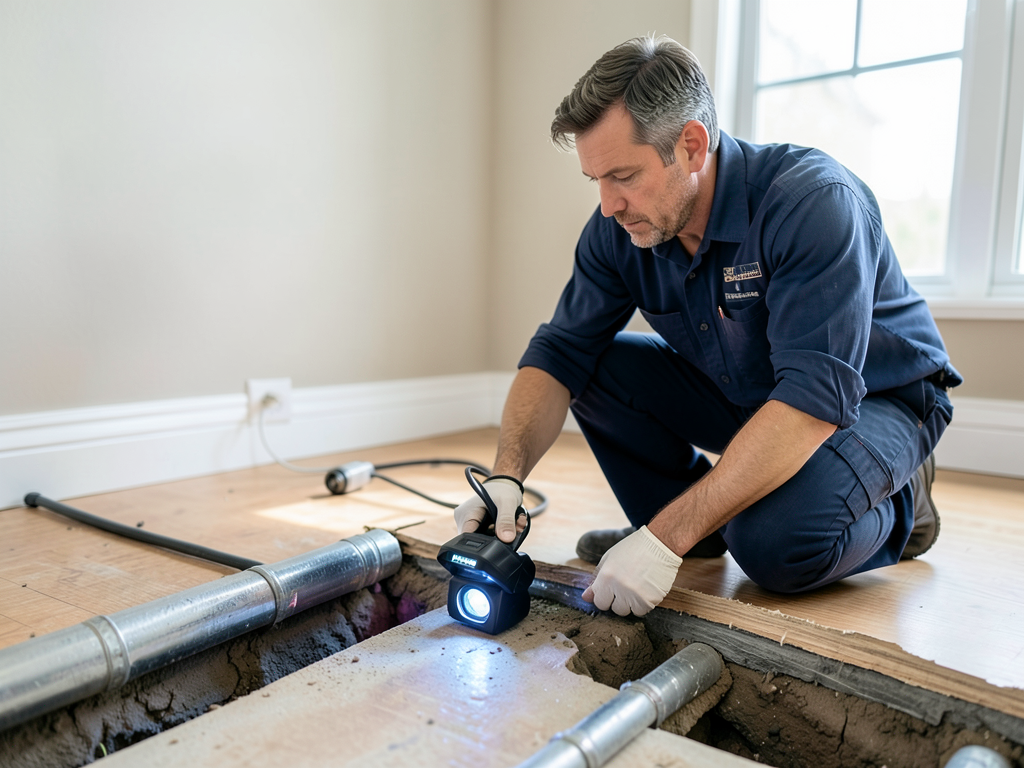
We perform detailed heat load calculations for every zone in your building, accounting for Kansas City's weather patterns, building orientation, and occupancy schedules. This includes thermal imaging to identify envelope deficiencies and pressure testing to measure infiltration rates. The engineering drawings specify equipment locations, refrigerant piping routes, condensate drainage paths, and electrical requirements before any installation begins. This phase typically requires two to four site visits depending on building complexity.
02

System Installation and Piping

Our installation crews route refrigerant lines through existing chases, above ceilings, and within structural constraints of your Kansas City building. We use nitrogen pressure testing at each joint to verify leak-free connections. Outdoor condensing units mount on reinforced roof curbs or ground-level pads engineered for Kansas City wind loads. Indoor air handlers install in ceiling plenums, above corridors, or in mechanical closets depending on your space configuration. We coordinate with electrical contractors for dedicated circuits and disconnect switches.
03

Commissioning and Training

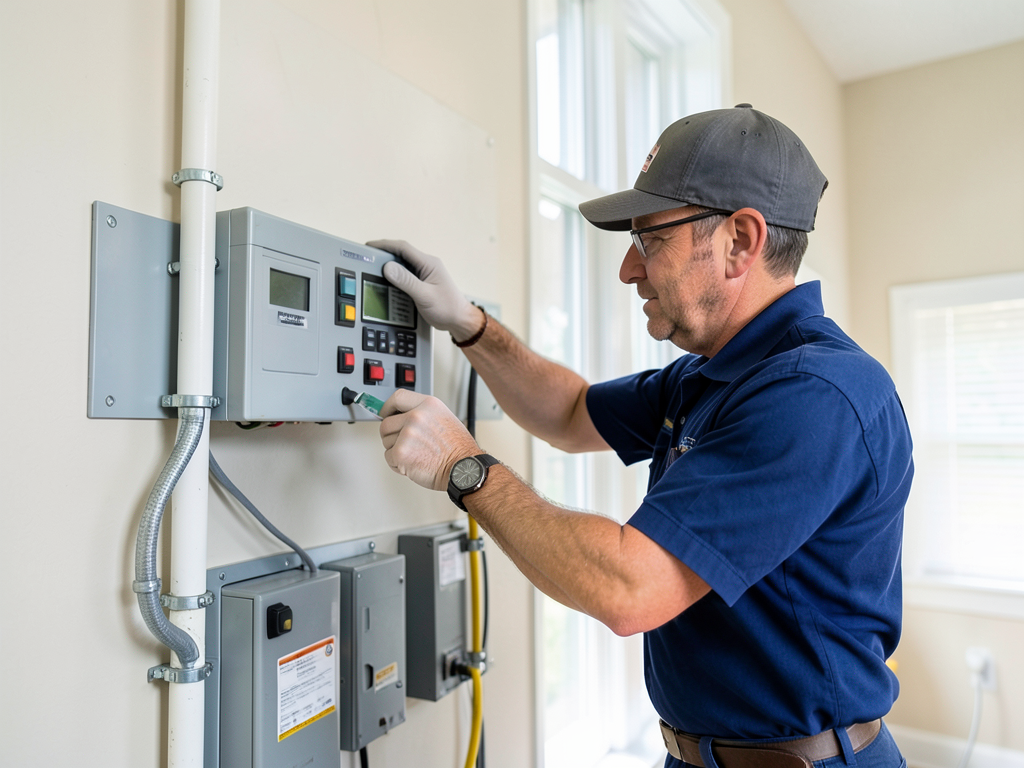
We evacuate refrigerant lines to remove moisture, charge the system to manufacturer specifications, and program control sequences for your operational requirements. Full-load testing verifies capacity at extreme outdoor conditions. We train your facility team on thermostat operation, filter maintenance schedules, and troubleshooting procedures. Documentation includes as-built drawings, equipment submittals, and startup reports required for warranty activation. The system operates under our supervision during the first billing cycle to optimize performance and address any tenant comfort issues.

Why Kansas City Facility Managers Choose United HVAC for Variable Refrigerant Flow Projects

United HVAC Kansas City has installed VRF systems in the metro's most demanding commercial environments, from surgery centers requiring precise humidity control to data facilities that cannot tolerate temperature deviation. We understand Kansas City's building stock. The brick warehouses converted to loft offices in the Crossroads. The mid-century office buildings along Ward Parkway. The tilt-up distribution centers in the Northland.

Each building type presents different challenges. Historic structures require non-invasive piping routes that preserve architectural integrity while meeting Kansas City's energy code requirements. New construction demands coordination with general contractors to install sleeves and electrical rough-ins during the correct construction phase. Occupied tenant improvements require after-hours installation to avoid business disruption.

Our project management prevents the delays that plague commercial HVAC projects. We order long-lead equipment 12 weeks ahead of installation. We coordinate crane access for rooftop equipment placement before occupying adjacent parking spaces. We schedule electrical shutdowns during low-occupancy periods and provide temporary cooling if needed.

The technical expertise matters when problems occur. VRF systems require diagnostic tools and training that general HVAC contractors lack. Refrigerant imbalance between indoor units. Oil logging in vertical risers. Communication errors between branch controllers and the central processor. We troubleshoot at the circuit board level, not by replacing components until something works.

Kansas City's commercial real estate market demands energy efficiency for tenant retention and resale value. Buildings with outdated HVAC systems lose prospects to newer construction with lower operating costs. VRF installation provides the energy performance data that LEED certification and Energy Star ratings require. We document baseline energy use, projected savings, and actual performance for your ESG reporting.

What Your Kansas City Business Should Expect from VRF System Installation

Project Timeline and Milestones

Design and engineering require three to six weeks depending on building complexity and utility coordination. Equipment procurement takes eight to 12 weeks for outdoor units and indoor air handlers. Installation duration depends on building size and occupancy constraints. A 20,000 square foot office building typically requires four to six weeks from mobilization to final commissioning. We phase installations to maintain operations in occupied buildings. Each phase includes rough-in, equipment setting, piping connections, electrical terminations, and testing. You receive weekly progress updates and 48-hour notice before any utility shutdowns or space access requirements.

Building Assessment and System Sizing

Our initial assessment examines your current HVAC performance, utility bills, and tenant comfort complaints. We use thermal imaging to identify envelope deficiencies that affect system sizing. Blower door testing measures air infiltration rates. We review architectural drawings to verify ceiling heights, mechanical room access, and roof load capacity. The assessment identifies electrical service capacity for new equipment and evaluates condensate drainage options. You receive a written report detailing existing conditions, recommended system capacity, equipment locations, and preliminary project budget. This assessment prevents undersized equipment and change orders that inflate costs after construction begins.

System Performance and Energy Savings

VRF systems deliver precise temperature control within one degree of setpoint in each zone. You eliminate hot and cold complaints that reduce productivity and trigger maintenance calls. The technology recovers heat from zones requiring cooling and transfers it to zones needing heat, reducing energy waste. Inverter-driven compressors ramp capacity to match load rather than cycling on and off like conventional systems. This produces energy savings of 30 to 50 percent compared to rooftop units and traditional split systems. We provide energy monitoring for the first year to document actual savings and optimize control sequences based on your occupancy patterns and utility rate structure.

Maintenance Requirements and Service

VRF systems require quarterly filter changes on indoor units and annual refrigerant circuit inspection. We provide preventive maintenance agreements that include filter replacement, coil cleaning, condensate drain treatment, refrigerant pressure testing, and control calibration. The agreements include priority response for service calls and discounted repair labor rates. Manufacturer warranties cover compressors for five years and heat exchangers for 10 years when properly maintained. We maintain parts inventory for common components to minimize downtime. Our service department operates extended hours to address issues without disrupting your business operations. You receive maintenance visit reports documenting system condition and any recommended repairs before equipment failures occur.

Frequently Asked Questions

You Have Questions,
We Have Answers

What is a VRF installation? +

A VRF installation involves deploying a Variable Refrigerant Flow system that uses refrigerant as the cooling and heating medium. One outdoor unit connects to multiple indoor units through refrigerant piping. The system modulates refrigerant flow based on demand, allowing different zones to operate independently. In Kansas City commercial buildings, this means precise temperature control across conference rooms, offices, and retail spaces without extensive ductwork. Installation includes mounting the outdoor condenser, running refrigerant lines through walls or ceilings, installing indoor air handlers, and integrating digital controls. The process requires minimal structural changes compared to traditional systems.

How much does it cost to install a VRF system? +

VRF system costs vary based on building size, number of zones, and complexity. For Kansas City commercial properties, expect significant upfront investment compared to conventional systems. Factors affecting price include outdoor unit capacity, number of indoor units needed, refrigerant line length, electrical upgrades, and controls integration. Multi-story buildings require more extensive piping runs. Historic buildings in midtown Kansas City may need custom installation approaches. The investment typically delivers ROI through reduced energy consumption and lower maintenance costs. Request a site assessment to determine accurate project costs based on your specific building requirements and zoning needs.

What are the drawbacks of VRF HVAC? +

VRF systems have higher initial equipment and installation costs than conventional HVAC. Repair complexity requires specialized technician training, which can limit service options. Refrigerant leaks in extensive piping networks can be difficult to locate and costly to repair. In Kansas City's humid summers, some systems may struggle with dehumidification if improperly sized. The technology relies heavily on electronic controls and sensors, creating potential failure points. Retrofit applications in older buildings may face space constraints for refrigerant lines. Not all mechanical contractors have VRF expertise, potentially limiting your service options for maintenance and emergency repairs.

What is the cost of a 20 ton VRF system? +

A 20-ton VRF system represents substantial capacity for medium to large commercial spaces. Pricing depends on configuration, number of indoor units, installation complexity, and manufacturer. Kansas City projects must account for local electrical requirements and potential building modifications. Multi-zone applications increase costs due to additional indoor units and extended refrigerant piping. Buildings with difficult access or height restrictions add installation labor. The system capacity must match your building's actual load requirements, considering Kansas City's temperature swings and humidity levels. Undersizing leads to comfort complaints while oversizing wastes capital. Professional load calculations determine appropriate tonnage for your facility.

Is VRF AC better than normal AC? +

VRF systems offer superior zoning flexibility and energy efficiency for commercial applications compared to traditional split systems. They provide simultaneous heating and cooling in different zones, valuable for Kansas City office buildings with varying solar exposure. Energy consumption drops because the system matches output to actual demand rather than cycling on and off. Maintenance costs typically run lower due to fewer mechanical components. However, traditional AC systems cost less upfront and offer simpler repairs. For multi-zone commercial buildings requiring precise temperature control, VRF delivers better performance. Single-zone applications may not justify the investment.

What are common VRF problems? +

Refrigerant leaks cause the most common VRF failures, resulting from poor installation or vibration damage to brazed joints. Electronic expansion valve failures disrupt refrigerant flow control, creating temperature inconsistencies. Control board issues affect system communication between indoor and outdoor units. In Kansas City's temperature extremes, compressor failures occur when systems run beyond design parameters. Oil return problems develop in systems with significant elevation changes between units. Dirty filters and coils reduce efficiency and trigger fault codes. Communication errors between components create nuisance shutdowns. Regular preventive maintenance catches most issues before they cause downtime and business disruption.

What is the $5000 rule for HVAC? +

The 5000 rule states that if your HVAC system age multiplied by repair cost exceeds 5000, replacement makes more financial sense than repair. For example, a 15-year-old system needing repairs over 333 dollars hits this threshold. This guideline helps Kansas City commercial property managers make rational capital decisions. However, VRF systems warrant different analysis due to higher replacement costs and longer lifespans. Factor in energy savings from new equipment, potential business disruption during replacement, and remaining useful life. For mission-critical commercial spaces, system reliability and redundancy may outweigh pure cost calculations.

What is the lifespan of a VRF system? +

VRF systems typically operate 15 to 20 years with proper maintenance in commercial applications. Kansas City's temperature extremes and humidity affect component longevity. Compressors represent the main wear item, with failure rates increasing after year 12. Indoor units often outlast outdoor condensers. Maintenance quality directly impacts lifespan. Regular refrigerant checks, coil cleaning, and filter changes extend equipment life. Electronic components may require replacement before mechanical parts fail. Buildings with consistent maintenance schedules see longer service life than facilities with deferred upkeep. Plan for capital replacement budgeting starting at year 15 to avoid emergency replacement scenarios.

Does VRF require ductwork? +

VRF systems eliminate traditional ductwork, using refrigerant piping instead. This delivers major advantages for Kansas City commercial retrofits in buildings with limited ceiling space or historic structures where duct installation damages architectural features. Refrigerant lines require far less space than ducts, typically running through small chases or above ceilings. Indoor units connect directly to these lines, distributing conditioned air through small grilles or cassettes. This approach reduces installation labor and building modifications. However, each indoor unit still needs condensate drainage and electrical connections. The ductless design improves energy efficiency by eliminating duct leakage losses.

What is the 2 foot rule for HVAC? +

The 2-foot rule requires maintaining 24 inches of clearance around HVAC equipment for service access and safety. This applies to VRF outdoor condensers and indoor units in Kansas City commercial installations. Proper clearance allows technicians to perform maintenance, replace components, and troubleshoot failures without delays. Inadequate spacing violates code and voids warranties. Outdoor units need clearance for airflow and heat rejection. Rooftop installations must account for this spacing in equipment layout. Indoor units mounted in tight ceiling spaces create service headaches. Plan equipment locations during design to meet clearance requirements while maximizing building usable space.

How Kansas City's Seasonal Temperature Extremes Affect VRF System Design

Kansas City experiences 110-degree temperature swings annually, from summer highs near 100 degrees to winter lows reaching negative 10 degrees. This range affects VRF HVAC installation in ways that matter for system reliability. Refrigerant operates differently at temperature extremes. Heat pumps lose capacity below 20 degrees, requiring auxiliary heat or oversized equipment. Summer humidity levels above 70 percent demand proper condensate drainage and dehumidification capacity beyond simple cooling. The freeze-thaw cycles common from December through March stress outdoor unit components, requiring enhanced defrost controls and crankcase heaters. We size systems for Kansas City's actual design conditions, not national averages that underestimate equipment requirements.

Kansas City's commercial building codes require compliance with International Energy Conservation Code standards and local amendments addressing mechanical ventilation rates and economizer requirements. Variable refrigerant flow systems must integrate with dedicated outdoor air systems to meet ventilation codes while maintaining energy efficiency. Buildings in designated historic districts face additional review for exterior equipment visibility and structural modifications. Our experience navigating Kansas City's permit process and working with code officials prevents project delays. We maintain relationships with local inspectors who understand VRF technology and approve installations without requiring unnecessary modifications or redundant safety controls that increase costs without improving performance.

HVAC Services in The Kansas City Area

View our service area and business location on the map below. We are proud to serve the entire Kansas City metro area, providing expert heating and cooling services to both residential and commercial clients. If you need a reliable HVAC partner, we are conveniently located to respond quickly to your needs, ensuring your indoor comfort is always our top priority.

Address:
United HVAC Kansas City, 1425 Agnes Ave, Kansas City, MO, 64127

Additional Services We Offer

Our news updates

Latest Articles & News from The Blogs

Comparing Mitsubishi and Daikin ductless systems for local homes When Kansas City homeowners face the decision between Mitsubishi and Daikin…

Comparing Mitsubishi and Daikin ductless systems for local homes

Comparing Mitsubishi and Daikin ductless systems for local homes When Kansas City homeowners face the decision between Mitsubishi and Daikin…

Protecting your piano and acoustic guitars from Kansas City humidity swings

Protecting Your Piano and Acoustic Guitars from Kansas City Humidity Swings\n\nYour musical instruments are more than just objects. They are…

Specialized Climate Control Tips for Indoor Gardeners and Hobbyists in the West Bottoms

Specialized Climate Control Tips for Indoor Gardeners and Hobbyists in the West Bottoms The West Bottoms industrial district faces unique…

Contact Us

Contact United HVAC Kansas City at (816) 473-9177 to discuss your building's heating and cooling requirements. We provide detailed load calculations, system recommendations, and project budgets at no cost. Our engineering team will assess your facility and design a variable refrigerant flow solution that reduces energy costs while improving tenant comfort.