




Menu

AC Blowing Warm Air in Kansas City – Expert Diagnosis and Same-Day Repairs

When your air conditioning system blows hot air instead of cold, United HVAC Kansas City identifies the root cause fast and restores proper cooling before the heat becomes unbearable.

Slider Image 1
Slider Image 2
Slider Image 3
Slider Image 4
Slider Image 5
Slider Image 7
Slider Image 8
Slider Image 9
Slider Image 10
Slider Image 11

Why Your AC Blows Warm Air During Kansas City Summers

You feel hot air coming from your vents when you expect cold. Your thermostat says one thing, but your home feels like an oven. This frustrating problem hits Kansas City homes hard during humid summer months when you need reliable cooling most.

Several issues cause an air conditioner blowing hot air. A refrigerant leak means your system cannot absorb heat from your home. A failed compressor stops the refrigeration cycle completely. Dirty coils prevent proper heat exchange. A malfunctioning reversing valve can make your system run in heating mode during summer. Electrical failures in the outdoor unit can shut down cooling while your fan continues to blow.

Kansas City's climate makes this problem worse. High humidity levels during summer months put extra strain on cooling systems. Your AC runs longer cycles to remove moisture from the air. This extended operation exposes weak points in your system faster than dry climates would.

When your central air blowing warm air affects your comfort, the cause matters. A simple fix like a tripped breaker takes minutes. A refrigerant leak requires EPA-certified technicians and specialized equipment. A failed compressor might mean considering system replacement if your unit is older.

The key is accurate diagnosis. Guessing wastes time and money. Professional technicians use pressure gauges, temperature probes, and electrical meters to identify exactly why your ac vents blowing hot air instead of cold. This precision separates a quick fix from unnecessary repairs.

Why Your AC Blows Warm Air During Kansas City Summers
How We Diagnose and Fix Your Warm Air Problem

How We Diagnose and Fix Your Warm Air Problem

United HVAC Kansas City follows a systematic diagnostic process for every air conditioning not blowing cold air complaint. We start at the thermostat and work through the entire refrigeration cycle to find the failure point.

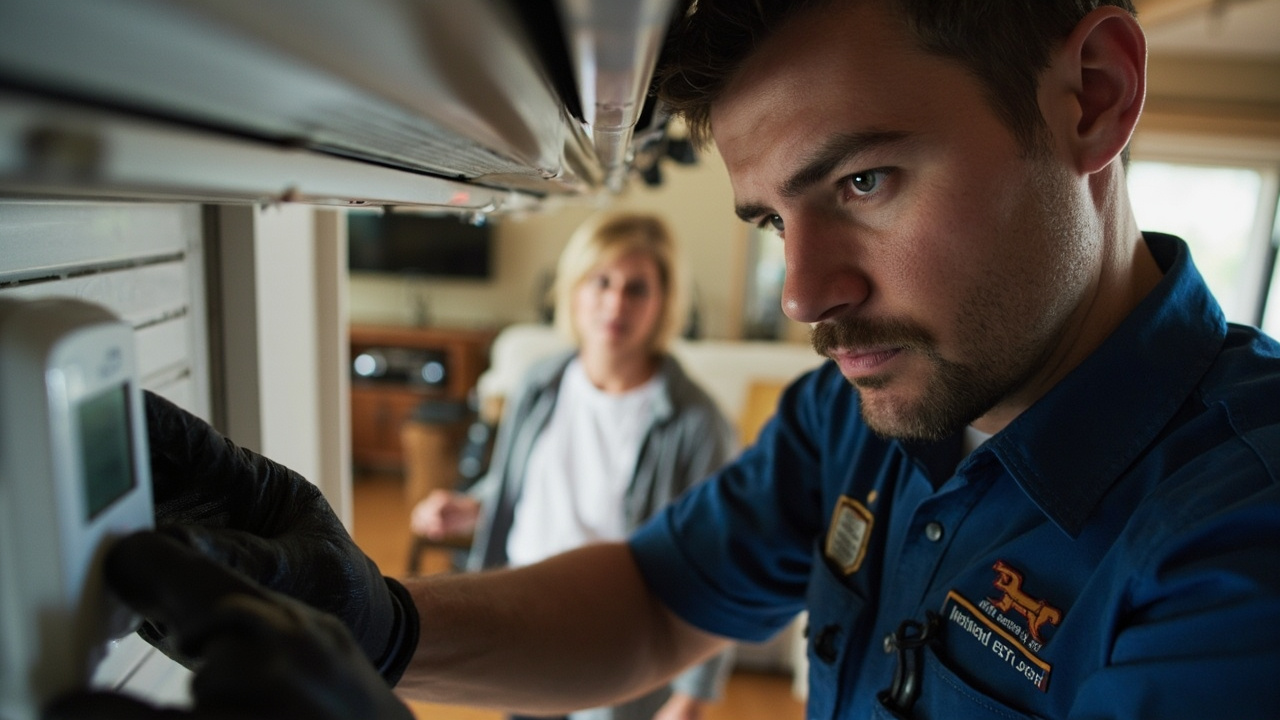
First, we verify thermostat settings and wiring. A misconfigured thermostat or loose wire can send the wrong signal to your system. We check the indoor blower operation and measure temperature drop across the evaporator coil. A normal split is 15 to 20 degrees. Lower readings indicate insufficient refrigerant or airflow problems.

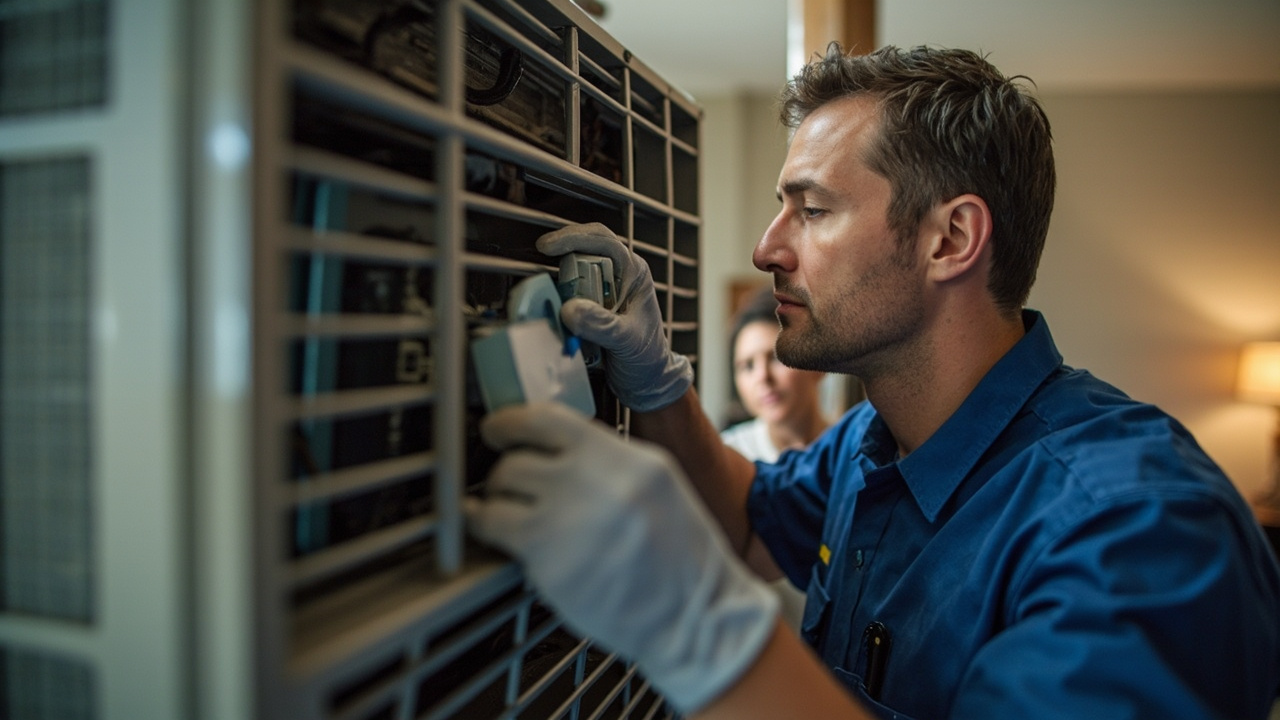
Next, we inspect the outdoor condensing unit. We measure voltage at the contactor, verify the compressor starts properly, and check capacitor values against factory specifications. A weak capacitor reduces compressor efficiency. We measure suction and discharge pressures in the refrigerant lines. These numbers tell us if the system is undercharged, overcharged, or has a restriction in the line set.

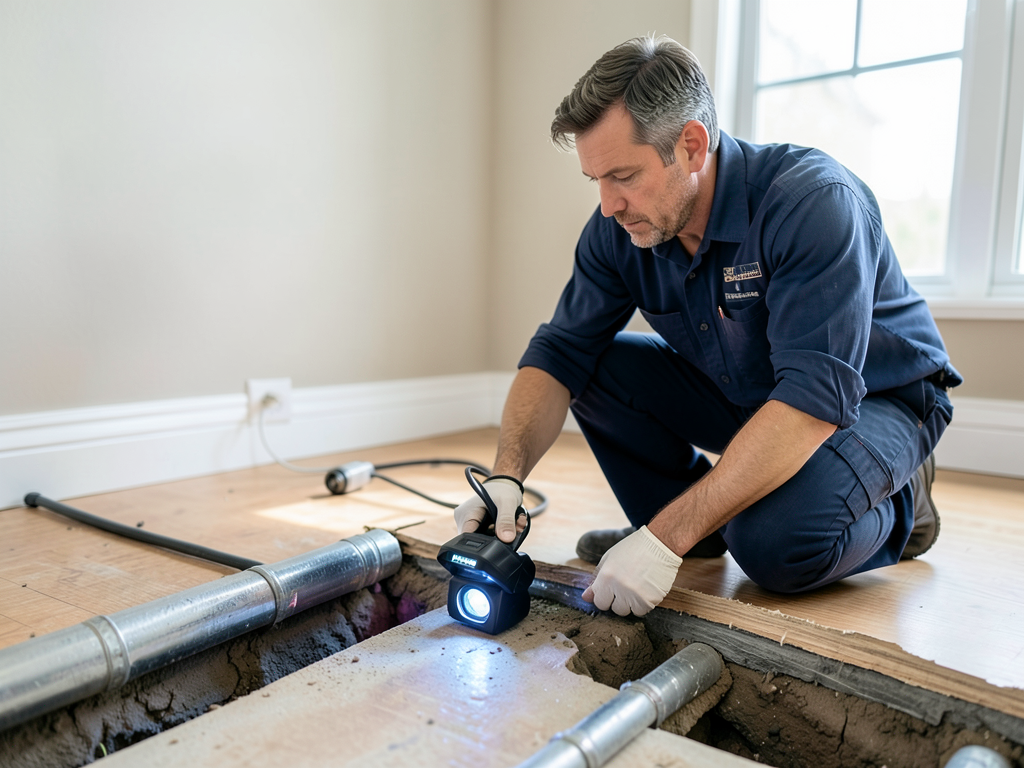
We inspect both coils with a flashlight and mirror. Blocked airflow from dirt buildup causes your ac running but not cooling properly. We check the reversing valve if you have a heat pump. A stuck valve makes your system heat when it should cool.

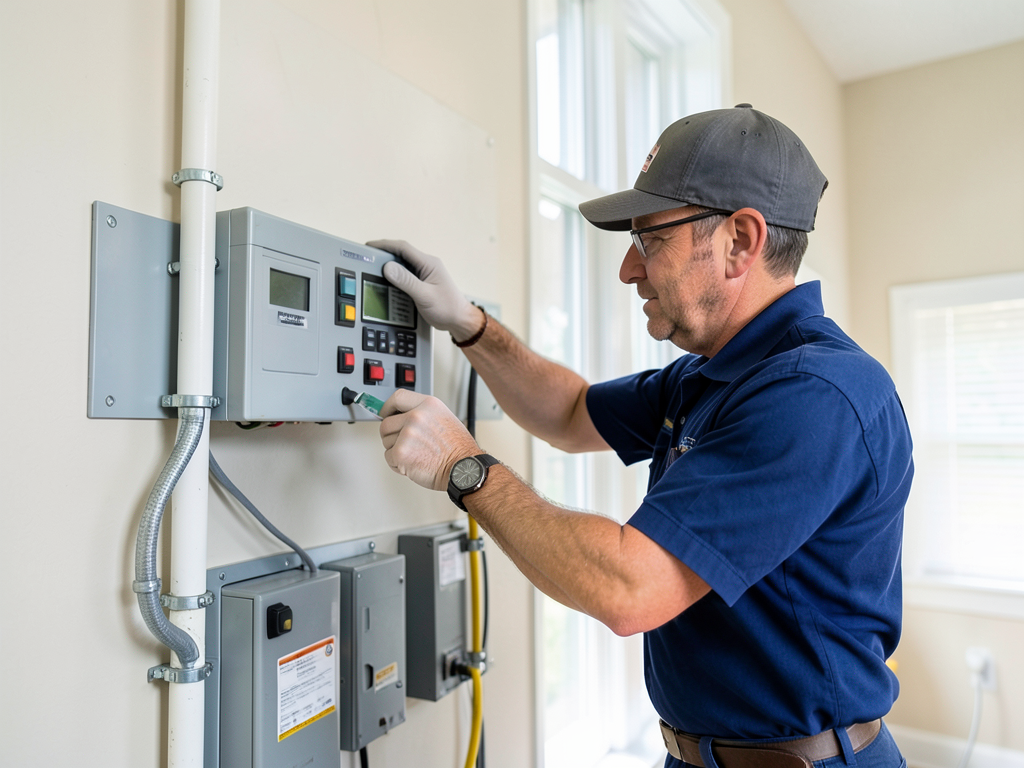
For electrical issues, we test the control board, run capacitors, and all safety switches. Modern systems have multiple sensors that shut down cooling if they detect problems. We verify each component operates within specifications.

This methodical approach finds the real problem. We explain what failed, why it happened, and what repair restores your cold air. No guessing, no unnecessary parts, just accurate diagnosis and proper repair.

What Happens During Your Warm Air Service Call

AC Blowing Warm Air in Kansas City – Expert Diagnosis and Same-Day Repairs
01

Initial System Assessment

Our technician arrives with full diagnostic equipment and tests your system while running. We measure supply and return air temperatures, check refrigerant pressures, and verify electrical components operate correctly. This baseline data reveals whether your problem is refrigerant-related, mechanical, electrical, or airflow-related. We document all readings to compare against manufacturer specifications for your specific model.
02

Component Testing and Isolation

After identifying the system area causing warm air, we isolate the exact component failure. We test compressor amperage draw, measure capacitor microfarads, check refrigerant superheat and subcooling, and inspect coil cleanliness. For refrigerant issues, we use electronic leak detectors and nitrogen pressure tests to find even small leaks. This precision identifies whether you need a repair, cleaning, refrigerant recharge, or component replacement.
03

Repair and Verification

We complete the necessary repair and run your system through a complete cooling cycle. We verify proper temperature split, confirm refrigerant pressures stabilize in normal range, and ensure all electrical components operate smoothly. Before leaving, we measure the air temperature at your vents to confirm cold air delivery. You see the difference immediately as your system returns to proper cooling performance.

Why Kansas City Homeowners Trust Our AC Repairs

United HVAC Kansas City understands how local conditions affect your cooling system. We service hundreds of homes across Overland Park, Lenexa, Olathe, and throughout the metro. This experience teaches us which problems occur most often in different neighborhoods and housing types.

Older homes in historic districts like Brookside or the West Plaza often have undersized ductwork or inadequate insulation. These issues make warm air problems worse because your system works harder to maintain comfort. We account for these factors when diagnosing your issue and explain how they affect system performance.

Newer construction in Johnson County and southern Kansas City typically has modern high-efficiency systems with electronic controls. These units require specialized diagnostic tools and software to read error codes and sensor data. Our technicians train continuously on the latest equipment from Carrier, Trane, Lennox, and other major manufacturers.

We stock common failure parts on our service vehicles. When your compressor capacitor fails or your contactor burns out, we complete the repair immediately without a return trip. This preparation saves you time and gets your cold air flowing faster.

Local building codes and permit requirements matter for major repairs. If your compressor fails and needs replacement, we handle permit applications and inspections. You do not navigate city requirements alone.

Our techs live and work in Kansas City. We respond quickly because we are already nearby. When temperatures climb into the 90s with high humidity, you need fast service. We prioritize cooling emergencies and dispatch the closest available technician to minimize your discomfort.

What to Expect From Your Service Appointment

Response Time and Availability

We schedule same-day appointments for warm air emergencies when you call before noon. Our dispatch system routes the closest available technician to your location to minimize wait time. You receive a call when the tech is 30 minutes away so you can plan accordingly. We service Kansas City seven days a week during cooling season because AC problems do not wait for convenient timing. Evening appointments are available for homeowners who work during the day. Our goal is restoring your cold air as quickly as possible without making you wait days for service.

Transparent Diagnosis Process

Before starting any repair, we explain exactly what failed and why. You see the problem component and understand what caused the failure. We provide a written estimate for the repair cost before beginning work. If multiple solutions exist, we explain the pros and cons of each option. For example, if your 15-year-old compressor fails, we discuss repair versus replacement and help you make an informed decision. You approve all work before we proceed. This transparency ensures no surprises on your final invoice.

Quality Repairs That Last

We use OEM or equivalent-quality replacement parts that meet manufacturer specifications. Cheap aftermarket components fail quickly and create repeat problems. After completing repairs, we test your system under actual operating conditions to verify proper performance. We measure airflow, check refrigerant charge accuracy, and confirm all safety controls function correctly. Your system must meet performance standards before we consider the job complete. We clean up our work area and remove all old parts and packaging. You get a detailed service report documenting what we found, what we fixed, and the current operating condition of your system.

Ongoing Support and Maintenance

After your repair, we explain what caused the problem and how to prevent future issues. Simple changes like regular filter replacement or keeping your outdoor unit clear of debris extend system life. We offer maintenance plans that include annual inspections, priority scheduling, and discounts on future repairs. Regular maintenance catches small problems before they become expensive failures. If you experience any issues after service, we respond quickly to address your concerns. Our relationship with you does not end when we leave your home. We are your long-term partner in keeping your cooling system reliable.

Frequently Asked Questions

You Have Questions,
We Have Answers

Why is my AC just blowing warm air? +

Your AC blowing warm air usually signals a refrigerant leak, failed compressor, or frozen evaporator coil. Kansas City's humid summers stress systems hard, accelerating wear. Check your thermostat setting first. Make sure it's on "cool" and the temperature is set lower than the current room temp. Inspect your air filter. A clogged filter restricts airflow and causes the evaporator coil to freeze. If the filter looks clean and settings are correct, you likely need a technician to check refrigerant levels, test the compressor, or diagnose electrical issues. Don't wait. Warm air means no cooling when you need it most.

Why is my AC running but not cooling? +

An AC running but not cooling points to low refrigerant, a bad compressor, or a blocked condenser unit. Kansas City heat and humidity put heavy demand on your system. Walk outside and check the condenser unit. Clear away grass clippings, leaves, and debris. Make sure nothing blocks airflow around the unit. Replace your indoor air filter if it looks dirty. If the outdoor fan spins but the unit still blows warm air, the compressor may have failed or refrigerant leaked out. You need a diagnostic from a licensed technician to pinpoint the exact cause and restore cooling.

What is the 3 minute rule for air conditioners? +

The 3 minute rule prevents compressor damage. After your AC shuts off, wait at least three minutes before restarting it. This delay lets refrigerant pressure equalize between the high and low sides of the system. Restarting too quickly forces the compressor to start against high pressure, which can burn out the motor or trip the breaker. Kansas City's frequent summer storms and power flickers make this rule critical. If your AC cycles on and off rapidly, you have a bigger problem called short cycling. That requires a technician to diagnose faulty components or incorrect refrigerant charge.

How to reset AC not blowing cold air? +

Start by turning off your AC at the thermostat. Go to your electrical panel and flip the breaker for the AC unit off. Wait five minutes. This clears the control board and lets refrigerant pressures stabilize. Flip the breaker back on, then turn the thermostat to cool. Set the temperature five degrees below room temp. If the system still blows warm air after 15 minutes, the problem is not a simple reset. You likely have a refrigerant leak, failed capacitor, or compressor issue. Kansas City heat demands fast action. Call a technician to diagnose and repair the root cause.

Should I turn off the AC if it blows hot air? +

Yes. Turn off your AC if it blows hot air and you suspect a mechanical failure. Running a system with a failed compressor or severe refrigerant leak can cause expensive secondary damage. Kansas City summers are brutal, but forcing a broken AC to run makes repairs cost more. Turn off the system at the thermostat. Check the outdoor unit for obvious issues like a seized fan or tripped breaker. Replace the air filter if dirty. Then call a technician for diagnosis. You can run the fan setting alone for air circulation without engaging the compressor until help arrives.

What are signs of a failing AC compressor? +

A failing compressor makes loud grinding, clicking, or banging noises when the AC tries to start. You may notice the outdoor fan spins but the unit never cools. Compressor failure causes warm air from vents and frequent breaker trips. Kansas City's high summer humidity and temperatures stress compressors faster than mild climates. You might see the compressor struggle to start, then shut off after a few seconds. Hard start attempts indicate internal wear. Another sign is the outdoor unit vibrating excessively or leaking refrigerant oil around the compressor housing. Once a compressor fails, replacement or full system upgrade is the only fix.

Should I turn off AC if it's not cooling? +

Yes. Turn off your AC if it runs constantly but never cools your home. Continuous operation without cooling wastes energy and can damage components. Kansas City heat makes this tempting to ignore, but running a broken system causes secondary failures. Check your thermostat settings and air filter first. If both are correct and the AC still will not cool, shut it down at the thermostat. Inspect the outdoor unit for blockages or a stopped fan. Then call a technician. Running a system with low refrigerant or a bad compressor burns out motors and drives up repair costs.

What is the $5000 rule for AC? +

The $5000 rule is a repair-versus-replace guideline. Multiply the age of your AC unit by the repair cost estimate. If the result exceeds $5000, replacement makes more financial sense than repair. For example, a 12 year old unit needing a $500 compressor repair equals $6000. That signals replacement time. Kansas City's humid summers shorten AC lifespans compared to drier climates. Units older than 10 years with major repairs often fail again soon. Factor in energy efficiency gains and rebates. A new high efficiency system cuts your cooling bills and prevents future breakdowns during peak summer heat.

How to tell if AC is low on refrigerant? +

Low refrigerant causes ice buildup on the indoor evaporator coil or refrigerant lines. You will see frost on the copper lines running to the outdoor unit. Vents blow warm or barely cool air. The AC runs constantly but never reaches the set temperature. Listen for a hissing sound near the indoor unit, which signals an active refrigerant leak. Kansas City's freeze thaw cycles during spring and fall can crack refrigerant lines over time. Your energy bills may spike as the system works harder with less cooling power. Only a licensed technician can test refrigerant levels, locate leaks, and recharge the system safely.

How cool should my house be if it's 100 outside? +

Your AC should keep your home 15 to 20 degrees cooler than outdoor temps. On a 100 degree Kansas City day, expect indoor temps around 80 to 85 degrees if your system runs properly. Pushing your AC to achieve 70 degrees overworks the unit and risks failure. High humidity in Kansas City makes 80 degrees feel warmer than dry climates. Set your thermostat to 78 degrees for comfort and efficiency. Close blinds during peak sun. Use ceiling fans to circulate air. If your home stays above 85 degrees, you likely have low refrigerant, a dirty coil, or undersized equipment.

How Kansas City Humidity Accelerates AC System Failures

Kansas City summer humidity regularly exceeds 70 percent, forcing your AC to work double duty removing moisture and heat. This extended operation stresses compressors, wears out contactors faster, and clogs evaporator coils with dust that sticks to condensation. Systems in dry climates might run 8 hours daily, but yours runs 12 to 14 hours during July and August. This extra runtime exposes weak components and causes premature failures. Refrigerant leaks develop faster because vibration from constant operation loosens flare fittings and causes pin holes in coils. The combination of heat and humidity creates the perfect storm for AC breakdowns right when you need cooling most.

United HVAC Kansas City has serviced cooling systems throughout the metro for years. We know which brands hold up best in our climate and which components fail most often. Local experience matters because national companies send techs unfamiliar with regional challenges. Our team understands how Missouri weather patterns affect system performance and lifespan. We stock parts specific to models popular in Kansas City neighborhoods. This local focus means faster diagnosis, quicker repairs, and advice tailored to your specific situation. When you choose local expertise, you get technicians who understand exactly what your system faces every summer.

HVAC Services in The Kansas City Area

View our service area and business location on the map below. We are proud to serve the entire Kansas City metro area, providing expert heating and cooling services to both residential and commercial clients. If you need a reliable HVAC partner, we are conveniently located to respond quickly to your needs, ensuring your indoor comfort is always our top priority.

Address:
United HVAC Kansas City, 1425 Agnes Ave, Kansas City, MO, 64127

Additional Services We Offer

Our news updates

Latest Articles & News from The Blogs

Essential HVAC Safety Tips for Families with Toddlers and Crawling Babies in Lenexa\n\nDoes your crawling baby seem magnetically drawn to…

Essential HVAC Safety Tips for Families with Toddlers and Crawling Babies in Lenexa

Essential HVAC Safety Tips for Families with Toddlers and Crawling Babies in Lenexa\n\nDoes your crawling baby seem magnetically drawn to…

Why Your Master Bedroom Is Always the Hardest Room to Cool in Your Olathe Two Story

Your Olathe two-story home was built for comfort, but your master bedroom still feels like a sauna while the downstairs…

How Shifting Kansas City Clay Soil Can Actually Damage Your Underground Ductwork

How Shifting Kansas City Clay Soil Can Actually Damage Your Underground Ductwork Kansas City’s expansive clay soil shifts dramatically with…

Contact Us

Stop suffering in the heat. Call United HVAC Kansas City now at (816) 473-9177 for same-day service. Our technicians diagnose the problem accurately and restore your cold air fast.