





Harrisonville's climate puts unique stress on heating and cooling equipment. Summer temperatures routinely hit the low 90s with humidity levels that make heat indexes climb past 100 degrees. Your air conditioner runs longer and works harder to remove moisture from the air, not just cool it. Winter brings the opposite challenge. When temperatures drop into the teens and single digits, furnaces cycle constantly to maintain comfort. These temperature swings from season to season create expansion and contraction in ductwork, strain compressors, and wear out blower motors faster than moderate climates.
The clay-heavy soil common throughout Cass County shifts with moisture changes, affecting concrete slabs and foundations where HVAC equipment sits. This movement can stress refrigerant lines, disconnect ductwork, and throw systems out of level. Homes near the southern edge of town, closer to agricultural areas, also deal with more airborne dust and pollen that clogs filters and coats coils. Regular maintenance matters more here than in cities with gentler weather. A system that might last 18 years in Denver needs replacement at 12 to 15 years in Harrisonville because it simply works harder every single day.
United HVAC Kansas City has served the greater Kansas City metro for years, building a reputation on honest diagnostics and permanent fixes. We don't upsell equipment replacements when a $200 repair solves the problem. Our technicians arrive in fully stocked trucks with common parts for Carrier, Trane, Lennox, Rheem, and other major brands. That means most repairs happen the same day without waiting for parts orders or return trips.
We focus on transparency. Before any work begins, you get a clear explanation of the problem, a written estimate, and options ranked from most to least expensive. No surprise charges appear on the final bill. Our technicians take time to show you the failed part, explain why it failed, and discuss whether repair or replacement makes financial sense based on your system's age and condition.
Our commitment to Harrisonville goes beyond emergency calls. We help homeowners plan for equipment replacement before systems fail completely, spreading costs across seasons when budgets allow. We coordinate with local utility rebate programs and financing options that reduce upfront investment. Our maintenance agreements keep systems running efficiently between major services, catching small problems before they become expensive failures.
When you call United HVAC Kansas City, you reach our dispatch team directly, not an answering service. We prioritize emergency calls during extreme weather and schedule routine maintenance during shoulder seasons when demand drops. Our goal is simple: keep Harrisonville homes comfortable year-round without breaking family budgets.

When your system fails during a heat wave or cold snap, we prioritize your call. Our trucks stay stocked with common parts for immediate repairs. Most Harrisonville customers get same-day service, with technicians arriving within hours of your call, not tomorrow or next week.

You see the price before work begins. Our written estimates include parts, labor, and any disposal fees. No hidden charges appear later. If the job costs less than estimated because we solve it faster, you pay the lower amount. Transparency builds trust.
We repair systems whenever possible instead of pushing replacements. If your 8-year-old unit needs a $300 fan motor, we install it. We only recommend replacement when repair costs approach half the price of new equipment or when your system has failed multiple times.
We understand how Harrisonville's humid summers and freezing winters stress HVAC systems differently than other climates. Our maintenance schedules and equipment recommendations account for local conditions, not generic national standards. That knowledge extends equipment life and prevents breakdowns.
United HVAC Kansas City handles everything from emergency furnace repairs at 2 a.m. to planned system replacements during mild weather. We service all residential heating and cooling equipment regardless of brand or age. Our technicians carry diagnostic tools that identify problems quickly, whether you have a traditional split system, heat pump, or ductless mini-split.
We break our services into three main categories based on urgency and scope. Emergency repairs happen when your system fails completely and your home becomes uncomfortable or unsafe. Maintenance and tune-ups keep systems running efficiently and catch problems before they cause breakdowns. System replacements and installations happen when equipment reaches the end of its useful life or when you want to upgrade to more efficient technology. Each category requires different expertise, parts inventory, and scheduling approaches. Understanding which service you need helps us respond appropriately and set realistic expectations about timing and cost.
Complete system failures need immediate attention. When your AC stops cooling during July or your furnace quits heating in January, we prioritize your call. Our emergency service covers compressor failures, refrigerant leaks, electrical problems, blower motor failures, and cracked heat exchangers. We arrive fast, diagnose the problem accurately, and present repair options with honest guidance about whether fixing makes sense or replacement serves you better long-term.
Preventive maintenance extends equipment life by years. Our tune-up service includes cleaning coils, checking refrigerant levels, testing electrical connections, lubricating motors, inspecting ductwork, and replacing filters. We catch worn parts before they fail and optimize system performance to reduce energy waste. Spring AC tune-ups prepare for summer heat. Fall furnace maintenance ensures safe, efficient heating through winter. Members of our maintenance program get priority scheduling and discounts on repairs.
When repair costs approach replacement value or your system fails repeatedly, new equipment makes financial sense. We help you select properly sized heating and cooling systems based on your home's square footage, insulation, window quality, and layout. Our installation includes removing old equipment, installing new units to manufacturer specifications, testing performance, and explaining operation and warranty coverage. We coordinate utility rebates and financing to reduce upfront costs.
Harrisonville's weather creates specific challenges for heating and cooling systems. The humid continental climate means hot, sticky summers and cold winters with occasional ice storms. These conditions stress equipment in ways that cause predictable failure patterns. Understanding what commonly goes wrong helps homeowners recognize warning signs before complete breakdowns occur.
High humidity during summer forces air conditioners to work overtime removing moisture, which wears out compressors and clogs condensate drains. Winter temperature swings cause furnace heat exchangers to expand and contract repeatedly, eventually cracking them. Spring storms knock out power, causing electrical surges that damage control boards. The clay soil throughout Cass County shifts seasonally, settling foundations and stressing ductwork connections. These issues appear repeatedly across Harrisonville because local conditions create them. Catching them early through maintenance visits prevents emergency failures during the worst weather.
When humid air hits cold coils, moisture freezes instead of draining away. The ice blocks airflow and prevents cooling. This happens when filters clog with dust, refrigerant levels drop, or blower motors slow down. You notice warm air from vents and ice forming on refrigerant lines outside.
Heat exchangers crack after years of heating and cooling cycles. Cracks allow combustion gases to mix with air circulating through your home, creating carbon monoxide risk. Warning signs include yellow furnace flames instead of blue, soot buildup, or persistent headaches when the furnace runs.
Air conditioners remove gallons of moisture daily during summer. That water drains through pipes that clog with algae and debris. When drains block, water backs up into your home, damaging ceilings, walls, and floors. You might notice water pooling around your indoor unit or musty smells.
Many Harrisonville homes have HVAC systems too small for the square footage or poorly matched to the climate. Undersized equipment runs nonstop trying to maintain temperature, driving up energy bills and wearing out faster. Rooms stay uncomfortable, humidity stays high, and components fail early from overwork.
We built our service process around clarity and respect for your time. From the moment you call to the final payment, you know what's happening and why. Our dispatch team answers calls directly during business hours and routes emergency calls to on-call technicians after hours. We provide arrival windows, not vague "sometime today" promises.
When our technician arrives, they listen to your description of the problem, ask clarifying questions, and inspect your system thoroughly. Diagnosis happens first, always. Only after identifying the problem do we discuss solutions and costs. You receive options ranked by effectiveness and price, with honest guidance about which makes sense for your situation. We never pressure you toward the most expensive choice. Once you approve the work, we complete it efficiently and test everything before leaving. Our goal is fixing your problem permanently, not just making it work until the warranty expires.
You reach our dispatch team directly when you call (816) 473-9177. We ask about symptoms, schedule your appointment with a specific arrival window, and send technician details before arrival. Our technicians call 15 minutes out so you're not waiting by the door. After diagnosis, you receive a written estimate before any work begins, with line-item costs explained clearly.
Our technicians identify the actual problem before recommending fixes. We use diagnostic tools and visual inspection to confirm the failure cause. Then we explain what failed, why it failed, and whether related components might fail soon. You get repair and replacement options with guidance about which makes financial sense based on your system's age and condition.
We install quality parts correctly the first time. Our work meets manufacturer specifications and local building codes. After repairs, we test system operation under load to confirm everything works properly. You receive documentation of the work completed, parts installed, and warranty coverage. If problems arise later, we respond quickly to make it right.
HVAC repair shouldn't feel complicated or stressful. We simplified our process to three clear steps that move from problem to solution efficiently while keeping you informed.
Call (816) 473-9177 to describe your problem and schedule service. We provide a specific arrival window based on urgency. Our technician arrives on time, listens to your concerns, and inspects your system completely. Using diagnostic tools and experience, we identify the failure cause and any related issues that might cause problems soon.
After diagnosis, we present your options with written estimates. You see repair costs versus replacement costs when both make sense. We explain each option's benefits and limitations honestly, including which we'd choose for our own homes. Once you approve an option, we begin work immediately if parts are available or schedule installation quickly.
We complete repairs or installations to manufacturer specifications and local codes. After finishing, we test system operation thoroughly, checking temperatures, airflow, and safety controls. We clean up completely, removing old parts and debris. You receive documentation of work completed, parts installed, warranty information, and maintenance recommendations to prevent future problems.
Professional HVAC service follows strict technical standards that protect safety and ensure system longevity. In Missouri, all HVAC work must comply with the International Mechanical Code as adopted by state and local jurisdictions. Cass County requires permits for system replacements and significant modifications, with inspections to verify proper installation. These regulations exist because improper HVAC work creates carbon monoxide risks, fire hazards, and equipment failures that cost thousands to correct.
Refrigerant handling falls under EPA Section 608 regulations, which require proper recovery, recycling, and disposal of old refrigerants. Technicians must hold EPA certification to purchase and handle refrigerants legally. Modern systems use R-410A refrigerant, which operates at higher pressures than older R-22, requiring different tools and techniques. Charging refrigerant by pressure alone doesn't work. Proper charging requires measuring subcooling or superheat based on manufacturer specifications, outdoor temperature, and system design.
Ductwork installation and sealing directly affects efficiency and comfort. The Air Conditioning Contractors of America publishes Manual D standards for duct sizing based on airflow requirements, friction rates, and static pressure limits. Undersized ducts create noise and reduce airflow. Oversized ducts waste energy and allow dust accumulation. We seal all duct joints with mastic or approved tape, never standard duct tape, which fails within years. Proper duct sealing can improve system efficiency by 20 percent or more.
Load calculation determines proper equipment sizing. Manual J calculations account for your home's square footage, insulation levels, window area and orientation, ceiling height, and local climate data. Oversized equipment costs more upfront, cycles on and off frequently, fails to dehumidify properly, and wears out faster. Undersized equipment runs constantly, struggles to maintain temperature during extreme weather, and drives up energy bills. We perform Manual J calculations for every system replacement to ensure proper sizing.
Proper refrigerant charge requires measuring subcooling or superheat with calibrated gauges and thermometers. We follow manufacturer specifications exactly, adjusting for outdoor temperature and system design. Incorrect charge reduces efficiency by up to 20 percent and shortens compressor life. We never guess or charge by pressure alone.
System replacement costs depend on equipment efficiency rating, size in tons, brand reputation, and installation complexity. Higher SEER ratings cost more upfront but save on energy bills over time. Two-stage and variable-speed systems provide better comfort and efficiency than single-stage units. Ductwork modifications, electrical upgrades, and challenging access increase installation labor.
Most repairs take 1 to 3 hours once diagnosed. System replacements typically require 1 to 2 days for complete installation and testing. Complex installations involving ductwork modifications or zoning systems may take longer. We provide accurate time estimates after assessing your specific situation. Emergency repairs take priority over scheduled maintenance.
Missouri requires HVAC contractors to hold appropriate licenses and carry liability insurance. Our technicians maintain EPA Section 608 certification for refrigerant handling. We pull required permits and schedule inspections for system replacements. This protects you from liability and ensures work meets code standards. Always verify licensing before hiring any HVAC contractor.
This video explains why HVAC systems in Harrisonville, Missouri experience specific failure patterns due to local climate conditions. United HVAC Kansas City technicians discuss common problems including frozen evaporator coils, cracked heat exchangers, clogged condensate drains, and undersized systems. The video covers warning signs homeowners should watch for and preventive maintenance strategies that extend equipment life in humid continental climates with extreme seasonal temperature swings.
United HVAC Kansas City serves all of Harrisonville and the surrounding communities throughout Cass County. Our service area extends from the historic downtown district near the courthouse to the newer residential developments along the southern edge of town near Highway 71. We respond to calls from established neighborhoods on the north side, where homes built in the 1960s and 1970s often need system replacements as original equipment reaches 40 to 50 years of age.
The west side of Harrisonville, closer to Highway 7, includes a mix of older homes and recent construction. These areas often need ductwork modifications when homeowners finish basements or add rooms. We handle those renovations along with routine maintenance and emergency repairs. East of town, where properties spread out with more acreage, we service heat pump systems and ductless mini-splits that work well for pole barns, workshops, and detached garages.
Our service extends beyond Harrisonville proper to nearby communities like Garden City, Peculiar, and Pleasant Hill. We understand how rural properties have different HVAC needs than in-town homes. Propane furnaces, geothermal systems, and zoned heating are more common outside city limits. Our technicians bring experience with all system types, regardless of where you live in Cass County.
The areas near Lake Winnebago and other recreational properties sometimes need seasonal service before summer use. We help property owners prepare vacation homes for occupancy and winterize systems before closing for the season. Whether you live in a subdivision off East Mechanic Street, a farmhouse on the edge of town, or anywhere in between, we bring the same fast response and quality workmanship. Our trucks cover the entire region efficiently, with parts and tools for most common repairs already on board. Geographic proximity matters less than response time, and we prioritize emergency calls from across our entire service area based on urgency, not address.
The $5000 rule helps you decide between repairing or replacing your HVAC system. Multiply your system's age by the repair cost. If the total exceeds $5000, replacement makes more financial sense. For example, a 12-year-old unit needing a $500 compressor repair equals $6000, so replacement is smarter. In Harrisonville, where summer humidity and winter freezes stress aging equipment, this rule helps you avoid throwing money at a failing system. Factor in rising energy bills and reduced efficiency when making your decision.
HVAC jobs in Harrisonville vary widely by scope. A routine maintenance visit runs $100 to $150. Minor repairs like capacitor replacement cost $150 to $400. Major repairs like compressor or evaporator coil replacement range from $1200 to $2500. Full system replacements start around $4000 and can exceed $10,000 for high-efficiency units or complex installations. Harrisonville's clay soil can shift foundations, sometimes requiring additional ductwork adjustments. Get multiple written estimates and verify the contractor addresses your specific home's needs before committing.
A new HVAC system in Harrisonville typically costs between $4500 and $12,000 installed. This includes the furnace, air conditioner, and basic installation labor. Your final price depends on system size, efficiency rating, brand, and installation complexity. Harrisonville homes often need 2.5 to 4-ton units depending on square footage and insulation quality. Higher SEER-rated systems cost more upfront but save money long-term through reduced energy bills. Expect to pay more if your ductwork needs replacement or if you want zoning controls or advanced air filtration.
The $5000 rule helps you decide between repairing or replacing your HVAC system. Multiply your system's age by the repair cost. If the total exceeds $5000, replacement makes more financial sense. For example, a 12-year-old unit needing a $500 compressor repair equals $6000, so replacement is smarter. In Harrisonville, where summer humidity and winter freezes stress aging equipment, this rule helps you avoid throwing money at a failing system. Factor in rising energy bills and reduced efficiency when making your decision.
HVAC jobs in Harrisonville vary widely by scope. A routine maintenance visit runs $100 to $150. Minor repairs like capacitor replacement cost $150 to $400. Major repairs like compressor or evaporator coil replacement range from $1200 to $2500. Full system replacements start around $4000 and can exceed $10,000 for high-efficiency units or complex installations. Harrisonville's clay soil can shift foundations, sometimes requiring additional ductwork adjustments. Get multiple written estimates and verify the contractor addresses your specific home's needs before committing.
A new HVAC system in Harrisonville typically costs between $4500 and $12,000 installed. This includes the furnace, air conditioner, and basic installation labor. Your final price depends on system size, efficiency rating, brand, and installation complexity. Harrisonville homes often need 2.5 to 4-ton units depending on square footage and insulation quality. Higher SEER-rated systems cost more upfront but save money long-term through reduced energy bills. Expect to pay more if your ductwork needs replacement or if you want zoning controls or advanced air filtration.
A 1200 square foot house in Harrisonville typically needs a 2 to 2.5-ton HVAC system costing $4000 to $7500 installed. This assumes average ceiling heights, decent insulation, and standard ductwork. Your actual cost depends on system efficiency, brand choice, and installation factors like attic accessibility or existing duct condition. Harrisonville's humidity and temperature swings require proper sizing. An oversized unit short-cycles and wastes energy. An undersized unit runs constantly and fails prematurely. Get a Manual J load calculation before purchasing to ensure correct sizing.
A 1200 square foot house in Harrisonville typically needs a 2 to 2.5-ton HVAC system costing $4000 to $7500 installed. This assumes average ceiling heights, decent insulation, and standard ductwork. Your actual cost depends on system efficiency, brand choice, and installation factors like attic accessibility or existing duct condition. Harrisonville's humidity and temperature swings require proper sizing. An oversized unit short-cycles and wastes energy. An undersized unit runs constantly and fails prematurely. Get a Manual J load calculation before purchasing to ensure correct sizing.
View our service area and business location on the map below. We are proud to serve the entire Kansas City metro area, providing expert heating and cooling services to both residential and commercial clients. If you need a reliable HVAC partner, we are conveniently located to respond quickly to your needs, ensuring your indoor comfort is always our top priority.
Address:
Harrisonville, MO, 64701
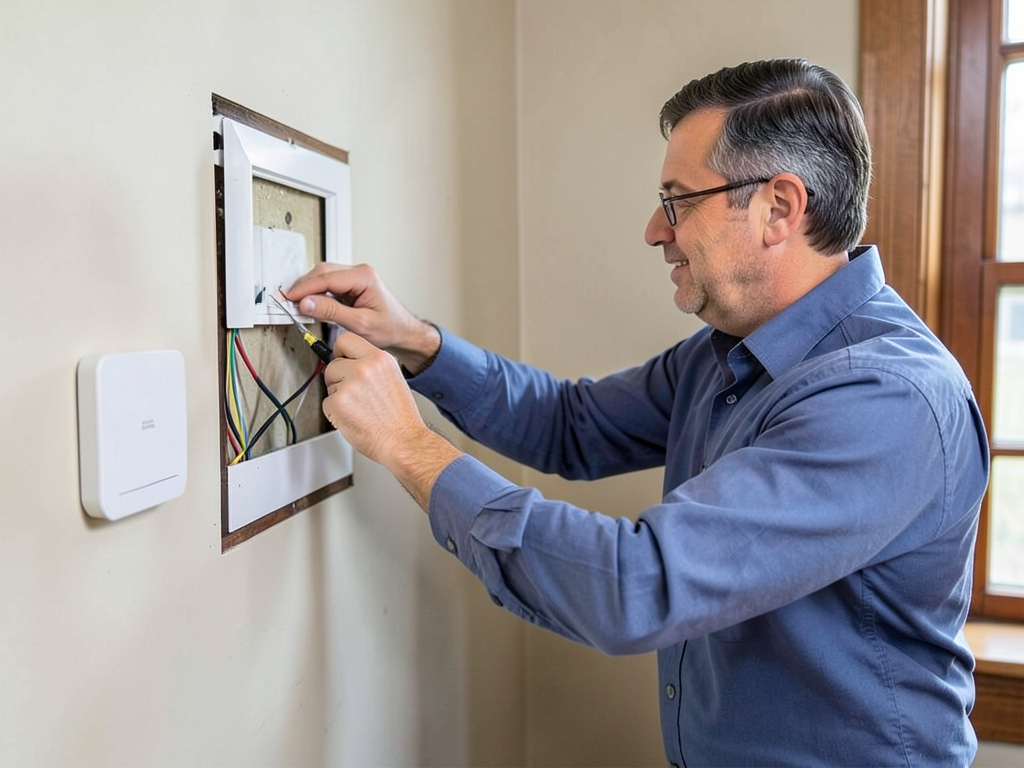
Can You Use a Nest Thermostat with an Older Two Wire System in Historic Northeast? Yes you can install a Nest thermostat in your Historic Northeast Kansas City home with older two-wire wiring but you…

Essential HVAC Safety Tips for Families with Toddlers and Crawling Babies in Lenexa\n\nDoes your crawling…
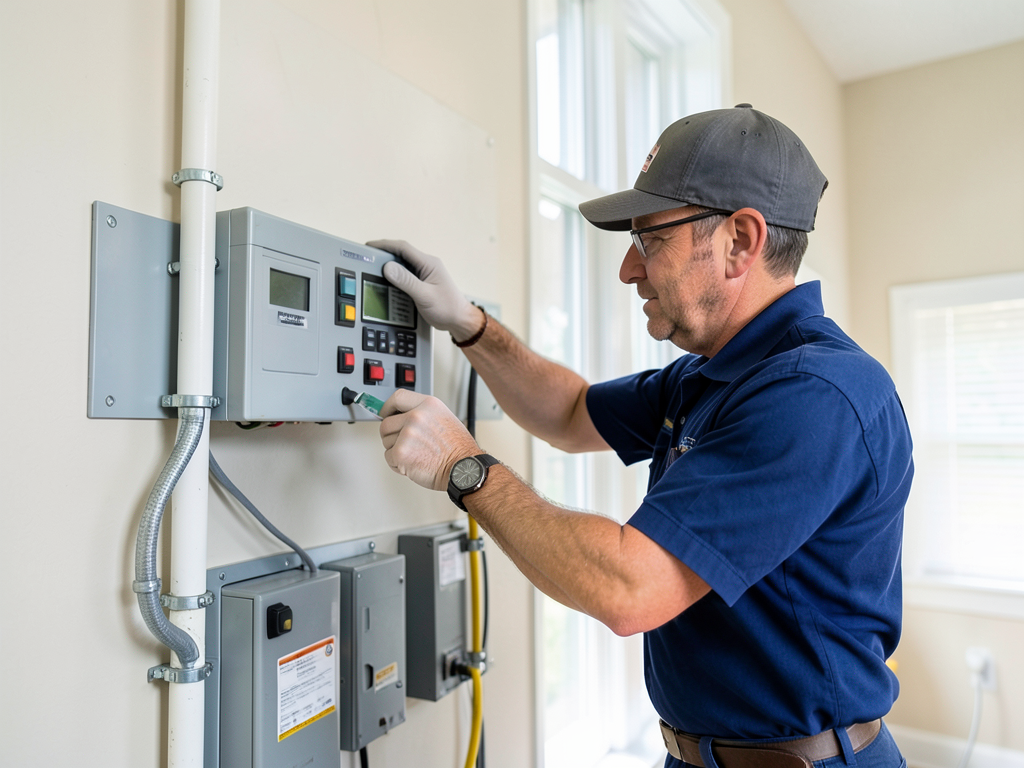
Your Olathe two-story home was built for comfort, but your master bedroom still feels like…
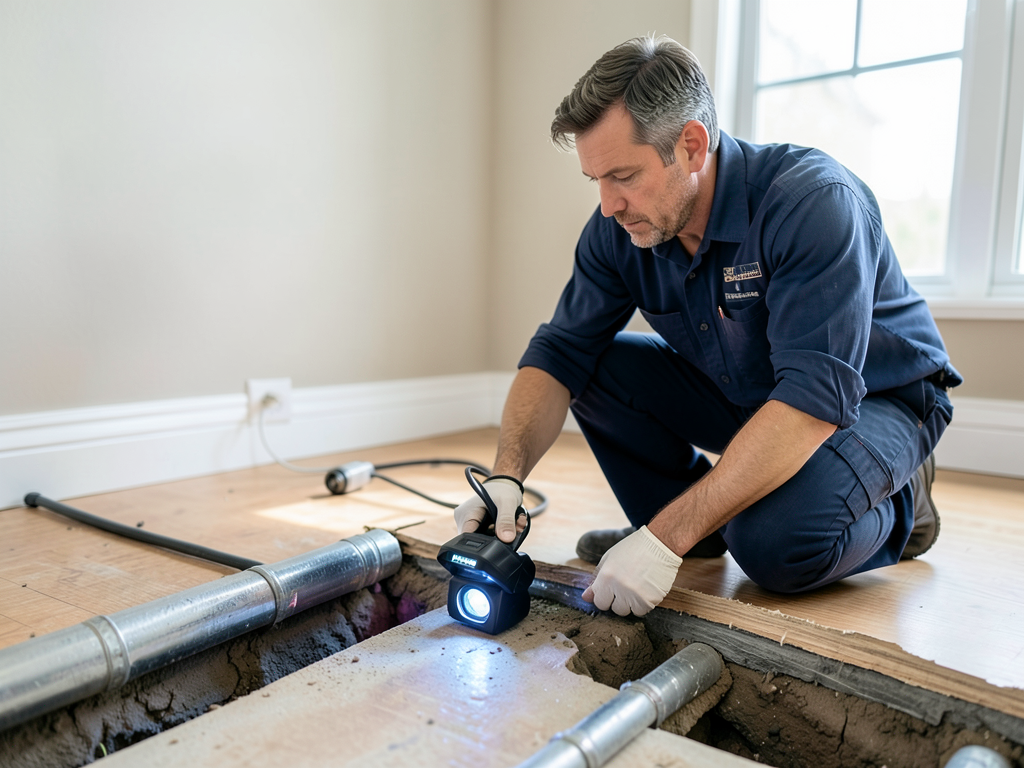
How Shifting Kansas City Clay Soil Can Actually Damage Your Underground Ductwork Kansas City’s expansive…
Your comfort can't wait when the heat or cold becomes unbearable. Call United HVAC Kansas City now at (816) 473-9177 for same-day service on repairs, maintenance, or system replacements. We answer calls directly and arrive ready to fix your problem right the first time.