




Menu

Carbon Monoxide Leak Detection in Kansas City – 24/7 Emergency Response Within 60 Minutes

United HVAC Kansas City dispatches certified technicians around the clock for urgent carbon monoxide check and professional CO leak inspection. When you smell gas or your detector goes off, we respond immediately to protect your family.

Slider Image 1
Slider Image 2
Slider Image 3
Slider Image 4
Slider Image 5
Slider Image 7
Slider Image 8
Slider Image 9
Slider Image 10
Slider Image 11

Why Kansas City Homes Face Serious Carbon Monoxide Risks Year-Round

Carbon monoxide is odorless, colorless, and deadly. You cannot see it coming.

Kansas City's extreme seasonal swings create dangerous conditions. During winter, furnaces run constantly against bitter cold. Cracked heat exchangers develop micro-fractures from freeze-thaw cycling. Natural gas appliances work harder when temperatures drop below 20 degrees for weeks at a time. In older Kansas City neighborhoods like Hyde Park and Westport, homes built before 1980 often have original furnaces and water heaters that are past their safe operating life.

When your CO detector sounds, your blood oxygen levels are already dropping. Symptoms feel like the flu. Headaches, dizziness, nausea, confusion. You might blame a stomach bug. But carbon monoxide poisoning sends hundreds to emergency rooms every winter in the Kansas City metro.

Faulty venting, blocked flues, and aging equipment cause most leaks. The clay soil common throughout Kansas City shifts and settles over decades, sometimes disconnecting vent pipes or cracking foundations near utility connections. Emergency carbon monoxide testing is not optional when you suspect a problem. Professional CO leak inspection requires calibrated digital analyzers that measure parts per million in ambient air and near appliance exhaust points.

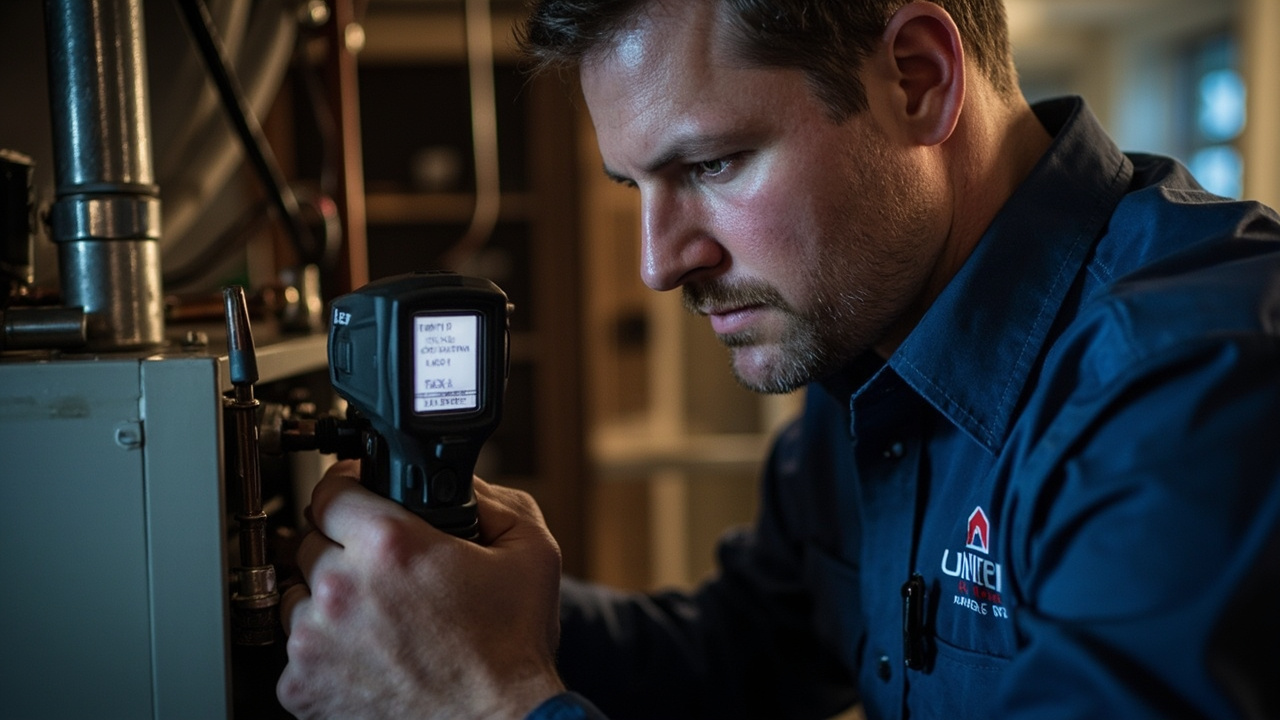
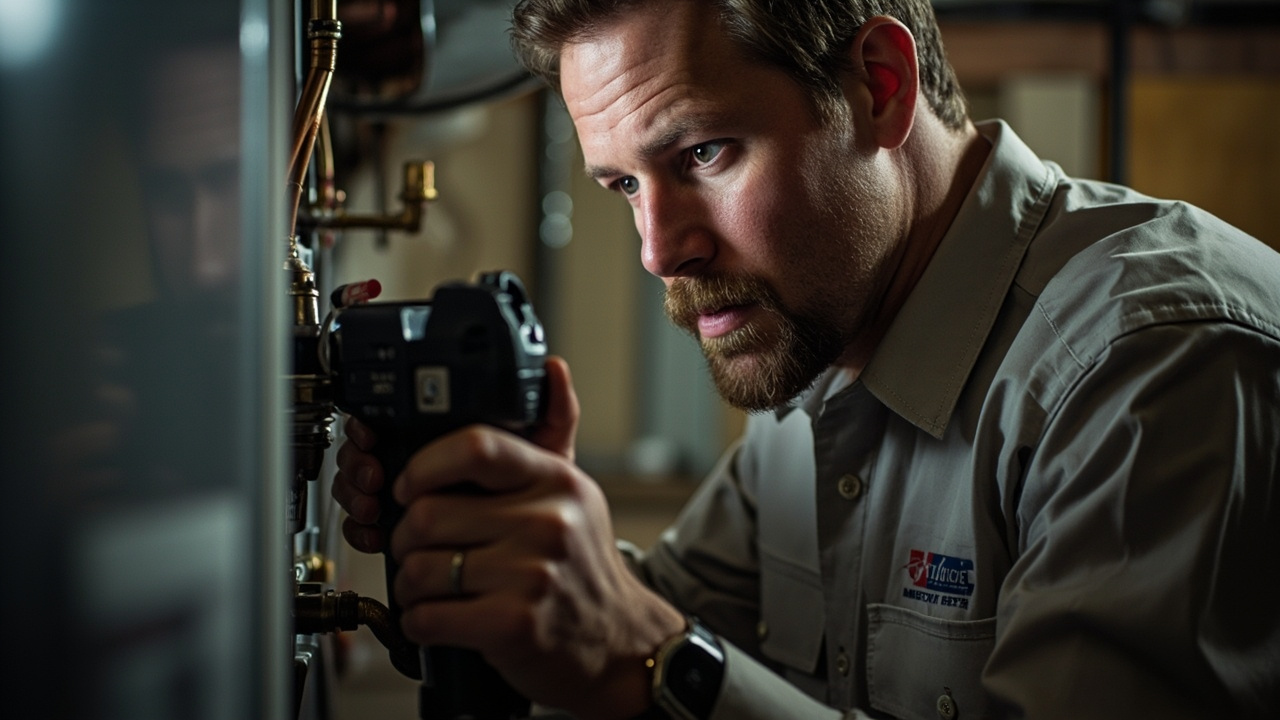
United HVAC Kansas City uses electronic CO detectors calibrated to detect concentrations as low as 5 ppm. We test every gas appliance, check vent integrity, and identify the exact source. Time matters. Carbon monoxide builds up fast in closed spaces. Waiting until morning can be fatal.

Why Kansas City Homes Face Serious Carbon Monoxide Risks Year-Round
How Our Emergency CO Gas Detection Service Works

How Our Emergency CO Gas Detection Service Works

Carbon monoxide leak testing is not guesswork. It requires precision equipment and systematic methodology.

We use low-level electrochemical sensors that detect CO concentrations down to single-digit parts per million. These sensors measure ambient air in living spaces first to establish baseline readings. Normal outdoor air contains 0.1 to 0.3 ppm. Indoor readings above 9 ppm indicate an active leak. Anything above 35 ppm requires immediate evacuation and source isolation.

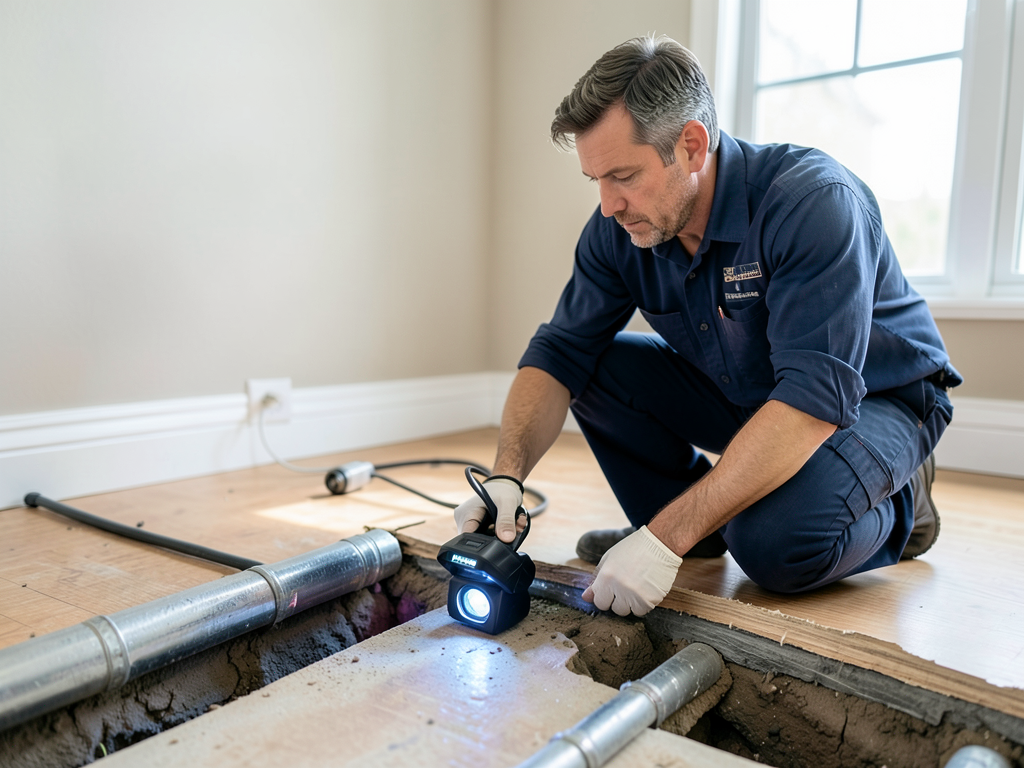
We then test at the source. Each gas-burning appliance gets individual analysis. Furnace heat exchangers are inspected for cracks using visual inspection and pressure differential testing. Water heaters are checked for backdrafting, where exhaust gases reverse flow into living spaces instead of venting outside. This happens when flue pipes are undersized, corroded, or blocked by bird nests or debris.

Vent pipe integrity is critical. We trace every vent run from appliance to exterior termination. Kansas City's humidity accelerates rust in older galvanized vent pipes. We look for condensation stains, white mineral deposits, and rust-through holes. Even a pinhole leak releases deadly gas into wall cavities and living spaces.

Draft testing measures whether combustion gases exit properly. We use a manometer to measure draft pressure in pascals. Negative draft means gases are spilling into your home instead of venting outside. Combustion analysis measures flue gas temperature and composition to verify complete combustion. Incomplete combustion produces excess carbon monoxide.

After identifying the source, we shut down the faulty equipment immediately. You get a written report detailing CO levels, failed components, and required repairs. We do not restart any appliance until it passes safety testing.

What Happens During Your Emergency CO Leak Inspection

Carbon Monoxide Leak Detection in Kansas City – 24/7 Emergency Response Within 60 Minutes
01

Immediate Safety Assessment

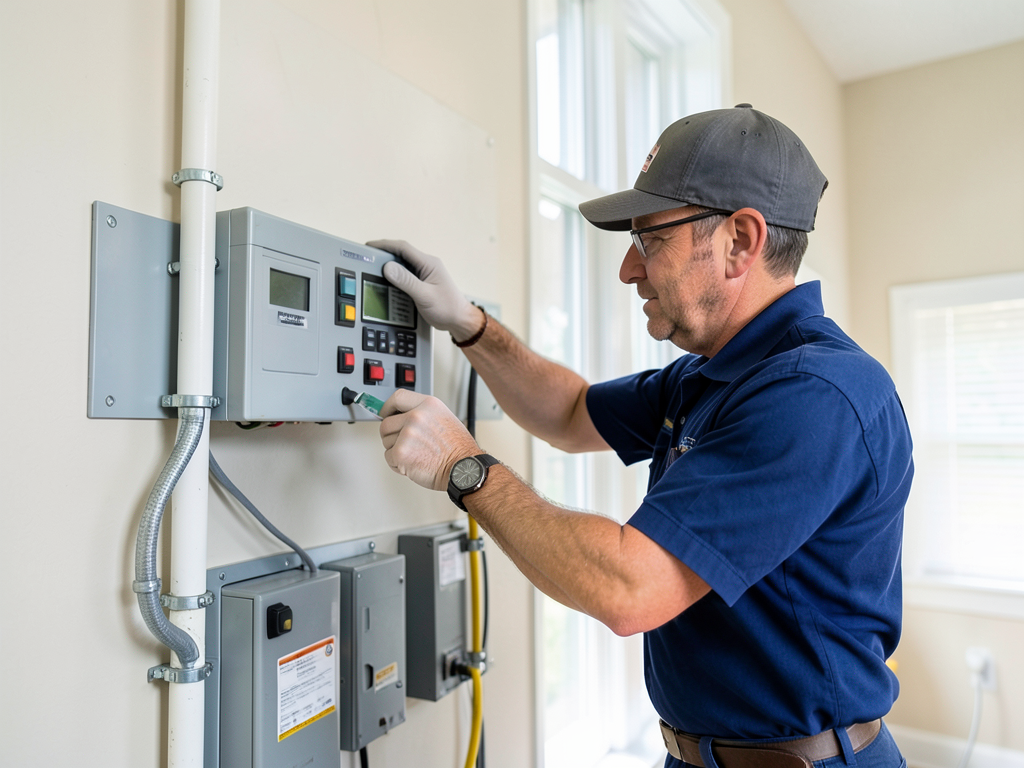
Our technician arrives with calibrated electronic CO analyzers and begins testing ambient air levels in every room. If readings exceed safe thresholds, we evacuate the home immediately and ventilate by opening windows and doors. We tag and lock out any suspected appliances to prevent accidental operation. Your safety comes before diagnosis. High CO levels require immediate action, not conversation.
02

Source Identification Testing

Once the space is safe, we test each gas appliance individually. Furnaces, water heaters, ranges, and dryers all get combustion analysis and vent inspection. We use digital manometers to measure draft pressure and flue gas analyzers to measure CO concentration in exhaust streams. Cracked heat exchangers, corroded vent pipes, and blocked flues become obvious under diagnostic testing. We document everything with photos and CO readings.
03

Repair Recommendations and Clearance

You receive a detailed written report showing exact CO levels, failed components, and code violations. We explain required repairs in plain language and provide options. If equipment must be replaced, we handle it immediately for emergency situations. After repairs, we retest everything to verify safe operation before leaving. You get documented proof that your home is safe. No appliance operates until it passes final clearance testing.

Why Kansas City Residents Trust United HVAC for CO Emergencies

Carbon monoxide emergencies require technicians who know Kansas City's housing stock and common failure patterns.

We understand how Kansas City's older neighborhoods present unique risks. Homes in areas like Brookside, Waldo, and the Northeast corridor were built between 1920 and 1960. Original cast iron vent pipes corrode from the inside out. You cannot see the damage until we inspect with cameras and pressure testing. Knob-and-tube wiring from that era often runs near old brick chimneys used for furnace venting. When mortar deteriorates, CO leaks into wall cavities and migrates through the home.

Kansas City's clay soil causes foundation settlement that disconnects vent pipes at joints. We see this constantly in homes near Brush Creek and along the Blue River corridor where soil movement is most severe. A separated vent joint in your crawlspace or attic means combustion gases dump directly into your home instead of venting outside.

United HVAC Kansas City technicians carry advanced diagnostic equipment that most companies do not stock. Our electronic CO analyzers are calibrated quarterly to maintain accuracy. We invest in combustion analyzers that measure oxygen levels, flue gas temperature, and draft pressure simultaneously. This equipment costs thousands of dollars. It separates real professionals from handymen with cheap detectors.

We know Kansas City's permitting requirements and code enforcement standards. Emergency repairs sometimes need same-day permits from the city. We handle that process so you do not wait days for bureaucracy while your family stays in a hotel. Our relationships with local inspectors speed up approvals when time matters.

You get written documentation suitable for insurance claims and real estate transactions. If you are selling a home, failed CO testing kills deals. Our reports satisfy underwriters and title companies.

What to Expect During Your Emergency CO Detection Service

60-Minute Emergency Response Time

When you call our emergency line, a live technician answers. No voicemail. No call-back queues. We dispatch immediately from our Kansas City location. Most calls get a technician on-site within 60 minutes, including nights and weekends. We cover the entire metro from Lee's Summit to Leavenworth. Our trucks carry complete diagnostic equipment and common repair parts for immediate fixes. You do not wait days for parts orders while your family stays somewhere else. Time matters in CO emergencies.

Comprehensive Multi-Point Testing Protocol

Carbon monoxide leak testing covers every potential source. We test ambient air levels in all living spaces, bedrooms, and mechanical rooms. Each gas appliance receives individual combustion analysis and vent inspection. Furnaces get heat exchanger integrity testing using pressure differential methods and visual inspection with borescope cameras. Water heaters are checked for backdrafting and flue blockages. We measure draft pressure at each appliance and verify proper venting to exterior terminations. You receive exact CO readings in parts per million for every location tested.

Documented Safety Clearance or Repair Plan

Our written report documents every test result with photos and CO measurements. If your home passes, you get written clearance suitable for insurance and real estate purposes. If we find problems, you receive a detailed repair plan with options and transparent pricing. We explain what failed, why it is dangerous, and what fixes are required by code. For emergencies, we carry common replacement parts and can complete repairs immediately. No appliance operates until it passes final safety testing and documentation.

Annual Safety Testing and Maintenance Programs

Carbon monoxide prevention requires annual testing. Heat exchangers crack over time. Vent pipes corrode. Draft conditions change when trees grow or neighbors remodel. Our maintenance program includes annual combustion analysis and CO testing for all gas appliances. We catch problems before they become emergencies. Members get priority emergency response and discounted repair rates. Furnace tune-ups include heat exchanger inspection and CO testing as standard procedure. Preventive testing costs less than emergency service and keeps your family safe year-round.

Frequently Asked Questions

You Have Questions,
We Have Answers

How do you know if carbon monoxide is leaking? +

You cannot see or smell carbon monoxide. Warning signs include yellow or orange flames on your furnace instead of blue, soot buildup around appliances, or a pilot light that keeps going out. Physical symptoms matter most. If multiple people in your home feel nauseous, dizzy, or have headaches at the same time, evacuate immediately and call 911. In Kansas City, older homes with aging furnaces face higher risk during winter months when heating systems run constantly. Install a CO detector near sleeping areas. If it sounds, get out fast and call for emergency HVAC inspection.

How to check for carbon monoxide leak at home? +

Install working carbon monoxide detectors on every floor, especially near bedrooms. Test them monthly. Look for physical clues: discolored walls around gas appliances, excessive moisture on windows, or soot marks near your furnace or water heater. Check if your pilot lights burn blue, not yellow or orange. Kansas City homes with gas furnaces, fireplaces, or attached garages face higher exposure risk. If you suspect a leak, open windows and evacuate immediately. Call 911 first, then contact a licensed HVAC technician for a complete system inspection. Never ignore detector alarms or physical symptoms like headaches and dizziness.

Can my cell phone detect carbon monoxide? +

No. Your cell phone cannot detect carbon monoxide. Some apps claim to use your phone's sensors, but these do not work. Carbon monoxide requires specialized electrochemical sensors found only in dedicated CO detectors. Your phone can help by storing emergency numbers or setting reminders to test your detectors monthly. If you suspect CO exposure in your Kansas City home, evacuate immediately and call 911 from outside. Do not waste time trying phone apps. Install UL-listed carbon monoxide detectors instead. They cost less than $30 and save lives. Replace detector batteries twice yearly when you change clocks.

Can you stay in a house with a carbon monoxide leak? +

No. Never stay in a house with a carbon monoxide leak. CO poisoning kills quickly and silently. You may feel fine one moment, then lose consciousness the next. Evacuate everyone, including pets, immediately. Call 911 from outside. Do not re-enter to grab belongings or turn off appliances. Kansas City winters tempt people to stay warm, but CO exposure causes permanent brain damage or death within hours. Wait for fire department clearance before returning. A qualified HVAC technician must locate the source, repair the problem, and verify safe CO levels. Your life matters more than temporary discomfort.

What are two warning signs of carbon monoxide? +

Two key warning signs are persistent flu-like symptoms that improve when you leave the house and appliance flame color changes. Watch for headaches, nausea, dizziness, or fatigue affecting multiple family members simultaneously. Physical signs include yellow or orange furnace flames instead of blue, soot buildup around heating equipment, or excessive condensation on windows. Kansas City homes with older gas furnaces or blocked chimneys face elevated risk during heating season. If you notice these signs, evacuate immediately and call 911. Carbon monoxide poisoning mimics common illnesses, making it deadly. Trust your CO detector and physical symptoms, not guesswork.

Can a small gas leak make you feel sick? +

Yes. Even small gas leaks cause serious health problems. Natural gas itself is not toxic, but it displaces oxygen and often contains carbon monoxide when appliances malfunction. Symptoms include headaches, nausea, fatigue, and difficulty concentrating. Kansas City residents often mistake these for allergies or seasonal illness. Small leaks near furnaces, water heaters, or stoves create danger zones in basements and utility rooms. If you smell rotten eggs, natural gas mercaptan additive, or feel sick only at home, evacuate and call your gas company immediately. Ignoring small leaks risks explosion or CO poisoning. Get a professional inspection before symptoms worsen.

How quickly will you know if you have carbon monoxide poisoning? +

Carbon monoxide poisoning symptoms appear within two hours at moderate exposure levels, but high concentrations kill within minutes. Early signs include headache, dizziness, nausea, and confusion. You may not realize you are poisoned because CO affects judgment and coordination. Kansas City homeowners often experience symptoms overnight when furnaces run constantly during cold snaps. If you wake with unexplained headaches or flu-like symptoms that improve outside, suspect CO exposure. Severe poisoning causes loss of consciousness and death. Time matters critically. Evacuate immediately if you suspect exposure. Call 911 and get fresh air. Every minute counts.

How do I use my iPhone to detect carbon monoxide? +

You cannot use your iPhone to detect carbon monoxide. Apple devices lack the specialized electrochemical sensors required to measure CO gas. Some third-party apps claim detection capability, but they do not work and create false security. Smart home systems can connect to compatible CO detectors and send alerts to your phone, but the detector does the actual sensing. Install UL-listed carbon monoxide alarms in your Kansas City home instead. These cost $25 to $50 and provide real protection. Your iPhone helps by storing emergency contacts and testing reminders, not by detecting deadly gas.

Can I test for carbon monoxide myself? +

You cannot accurately test for carbon monoxide yourself without proper equipment. Hardware stores sell basic CO detectors, which you should install immediately, but these only sound alarms at dangerous levels. Professional HVAC technicians use calibrated analyzers that measure exact CO parts per million. In Kansas City, DIY testing misses small leaks that build up over time. If you suspect a problem, call a licensed technician for a complete combustion analysis of your furnace, water heater, and gas appliances. They check flue draft, heat exchanger integrity, and ventilation. Proper testing prevents tragedy. Your detector protects you between professional inspections.

What is the easiest way to detect carbon monoxide? +

Install UL-listed carbon monoxide detectors on every level of your home, particularly near sleeping areas. These plug-in or battery-powered devices cost $25 to $50 and provide the only reliable early warning. Place detectors five feet off the floor, away from kitchens and bathrooms where normal combustion or humidity causes false alarms. Test monthly by pressing the test button. Replace batteries twice yearly and replace entire units every five to seven years. Kansas City homes need detectors near furnaces and attached garages. Digital displays show exact CO levels, helping you track trends. Detection saves lives. Installation takes minutes.

How Kansas City's Aging Housing Stock and Clay Soil Create Hidden CO Risks

Kansas City's historic neighborhoods contain thousands of homes built before modern venting standards existed. Pre-1970 furnaces used natural draft venting through brick chimneys and unlined flue pipes. These systems worked when houses leaked air through single-pane windows and uninsulated walls. Modern energy upgrades seal homes tight, creating negative pressure that causes backdrafting. The clay soil throughout Kansas City shifts constantly with moisture changes, settling foundations and disconnecting vent joints in crawlspaces and attics. Professional CO leak inspection finds these hidden failures before they kill someone. Emergency carbon monoxide testing is not optional when you smell gas or your detector alarms.

United HVAC Kansas City technicians train specifically on the common failure modes in Kansas City's housing stock. We know which neighborhoods have cast iron vent pipes that corrode from humidity. We recognize the signs of foundation settlement affecting gas line connections and vent integrity. Our diagnostic equipment meets Kansas City's mechanical code requirements for CO testing and combustion analysis. We maintain relationships with city inspectors and permit offices to expedite emergency repairs when needed. Choosing a company that understands Kansas City's specific challenges means faster diagnosis and proper repairs that pass inspection the first time.

HVAC Services in The Kansas City Area

View our service area and business location on the map below. We are proud to serve the entire Kansas City metro area, providing expert heating and cooling services to both residential and commercial clients. If you need a reliable HVAC partner, we are conveniently located to respond quickly to your needs, ensuring your indoor comfort is always our top priority.

Address:
United HVAC Kansas City, 1425 Agnes Ave, Kansas City, MO, 64127

Additional Services We Offer

Our news updates

Latest Articles & News from The Blogs

Essential HVAC Safety Tips for Families with Toddlers and Crawling Babies in Lenexa\n\nDoes your crawling baby seem magnetically drawn to…

Essential HVAC Safety Tips for Families with Toddlers and Crawling Babies in Lenexa

Essential HVAC Safety Tips for Families with Toddlers and Crawling Babies in Lenexa\n\nDoes your crawling baby seem magnetically drawn to…

Why Your Master Bedroom Is Always the Hardest Room to Cool in Your Olathe Two Story

Your Olathe two-story home was built for comfort, but your master bedroom still feels like a sauna while the downstairs…

How Shifting Kansas City Clay Soil Can Actually Damage Your Underground Ductwork

How Shifting Kansas City Clay Soil Can Actually Damage Your Underground Ductwork Kansas City’s expansive clay soil shifts dramatically with…

Contact Us

Do not wait if you suspect carbon monoxide. Call (816) 473-9177 now for immediate dispatch. United HVAC Kansas City responds to emergencies within 60 minutes across the metro. Our technicians carry calibrated detection equipment and complete diagnostic tools. Protect your family tonight.