




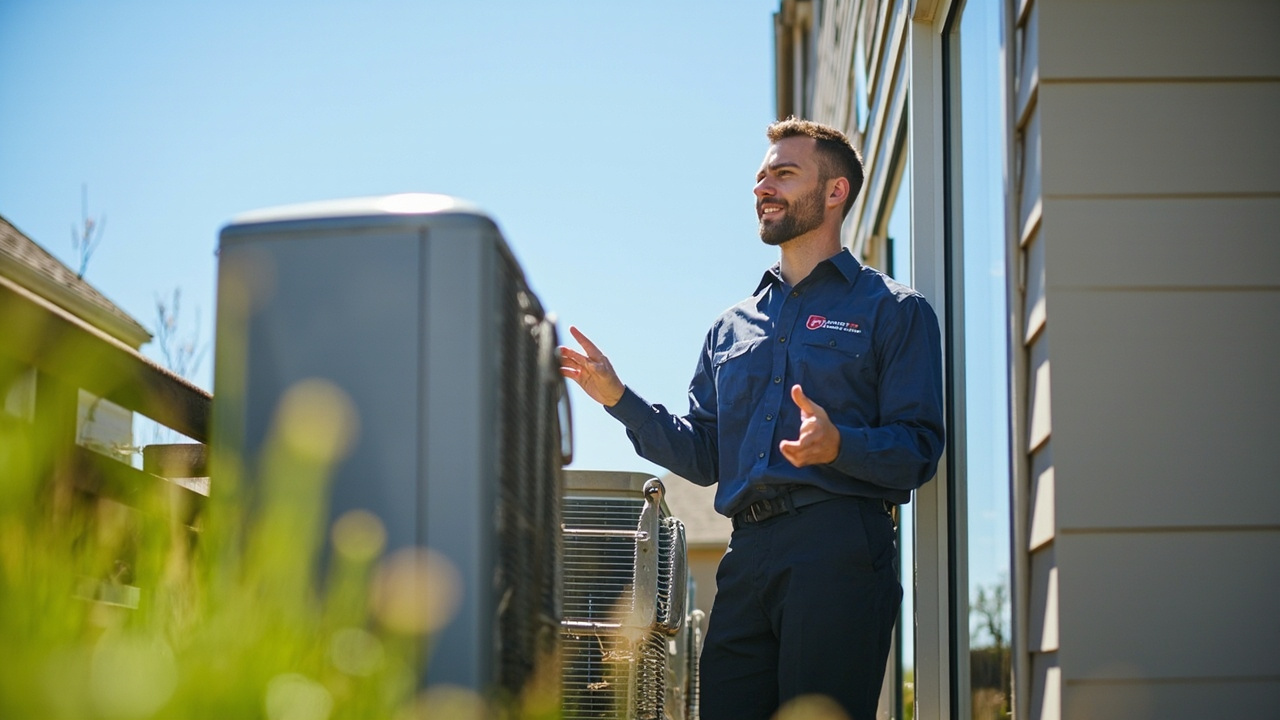


Kansas City averages 65 percent relative humidity during summer months, which means your HVAC system must remove moisture and lower temperature simultaneously. Single-stage systems struggle with this dual demand because they run at full capacity or shut off completely. They pull temperature down quickly but do not run long enough to dehumidify effectively. You end up with a cold, clammy house. Two-stage and variable-speed systems run longer at lower capacities, allowing the evaporator coil to condense more moisture per cycle. This matters during shoulder seasons when humidity is high but temperatures are moderate. The average HVAC system price 2026 for equipment with proper dehumidification capability is 25 to 40 percent higher than basic models, but Kansas City's climate makes this investment necessary for comfort and indoor air quality.
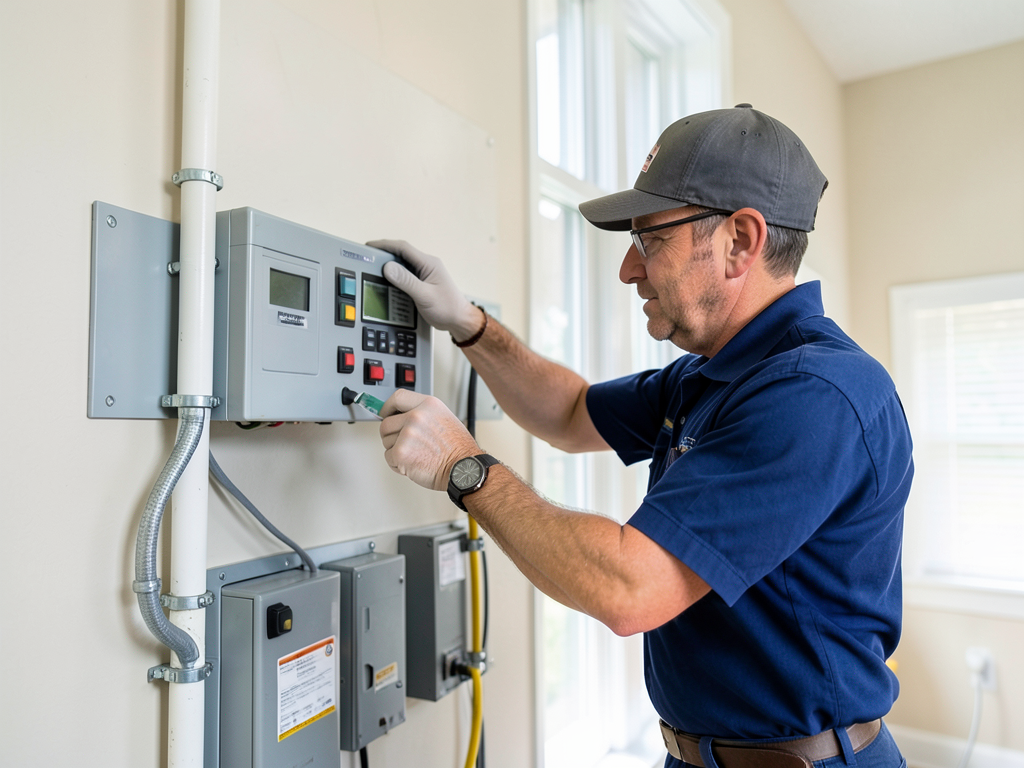
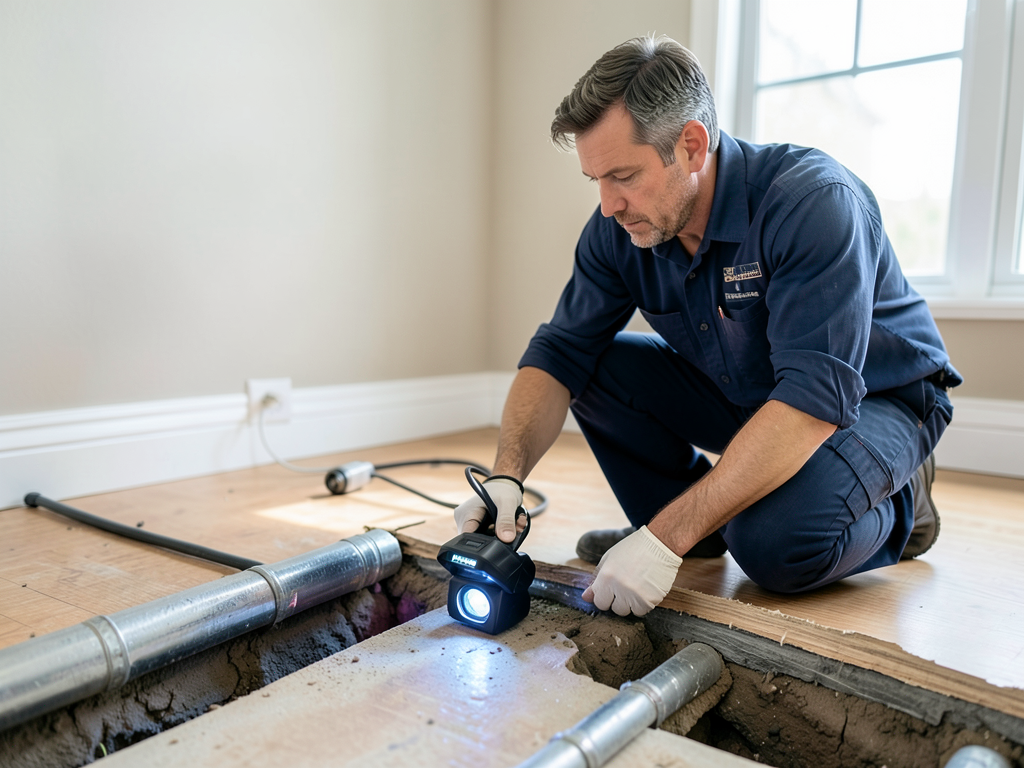
Local building codes require compliance with the International Mechanical Code as amended by Kansas City ordinances. Any HVAC replacement must include proper refrigerant line insulation, secondary drain pans for indoor air handlers, and emergency shutoff switches accessible without tools. Contractors unfamiliar with these local amendments often submit installations that fail inspection, delaying project completion and adding rework costs. United HVAC Kansas City maintains current relationships with city inspectors and stays updated on code changes that affect installation requirements. This local knowledge ensures your project passes inspection on the first attempt and avoids costly delays that occur when contractors misinterpret local amendments or submit incomplete permit applications.