






Menu

Troubleshooting AC Issues in Kansas City – Fast Answers to Stop Breakdowns Before They Start

Expert HVAC system diagnostics help Kansas City homeowners identify AC faults early and fix problems right, preventing costly emergency repairs during humid summer heat.

Slider Image 1
Slider Image 2
Slider Image 3
Slider Image 4
Slider Image 5
Slider Image 7
Slider Image 8
Slider Image 9
Slider Image 10
Slider Image 11

Why Kansas City Air Conditioners Fail When You Need Them Most

Kansas City's climate puts serious stress on air conditioning systems. High humidity from May through September forces compressors to work harder, extracting moisture while cooling your home. The constant cycling wears down contactors, capacitors, and fan motors faster than in dry climates.

When your AC starts blowing warm air or making strange noises, you need answers fast. Central air troubleshooting starts with understanding what makes systems fail in this region. Clay soil shifts foundations, pulling refrigerant lines apart at connection points. Dust from the prairie winds clogs condenser coils, reducing efficiency by 30 percent or more. Sudden temperature swings in spring and fall stress expansion valves and thermostats.

Most homeowners wait until complete failure before diagnosing air conditioner problems. You hear clicking sounds for weeks. You notice rooms staying warmer. You ignore water pooling around the indoor unit. By the time you call for help, a simple repair becomes a major replacement.

HVAC system diagnostics catch these issues early. A refrigerant leak costs $300 to fix in April. That same leak costs $3,500 in July when the compressor burns out from low pressure. Identifying AC faults before breakdowns saves you from sweating through Missouri summers while waiting for parts.

The key is knowing what to check and when to stop troubleshooting yourself. Some fixes are simple. Most require specialized tools and refrigerant handling certification. United HVAC Kansas City provides the air conditioning troubleshooting guide you need to make smart decisions about your system.

Why Kansas City Air Conditioners Fail When You Need Them Most
The Right Way to Diagnose Central Air Problems

The Right Way to Diagnose Central Air Problems

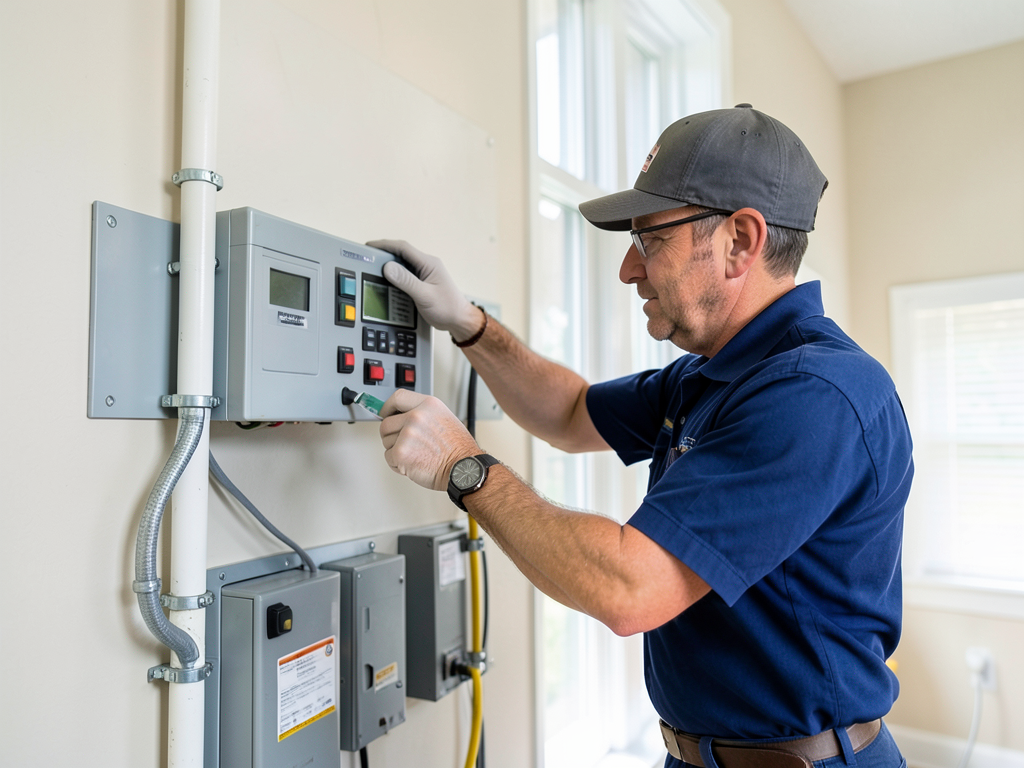
Effective HVAC diagnostics follow a systematic approach, not guesswork. Our technicians start with the simplest explanations before tearing into expensive components. We check thermostat calibration, verify breaker positions, and inspect air filters before touching refrigerant lines.

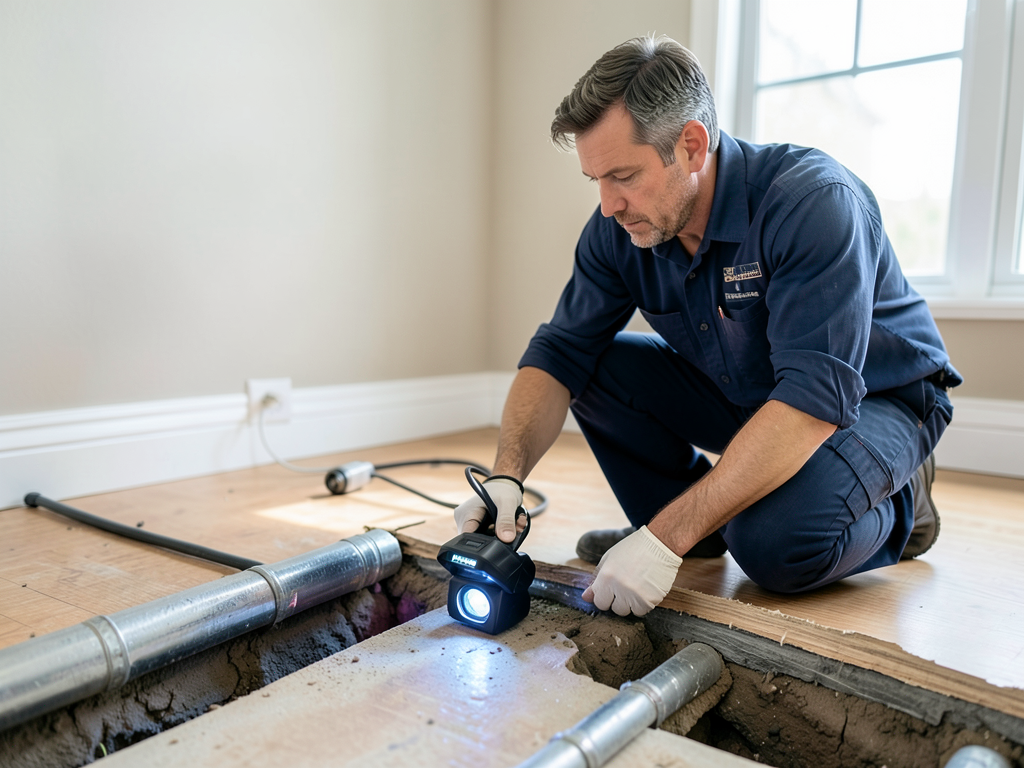
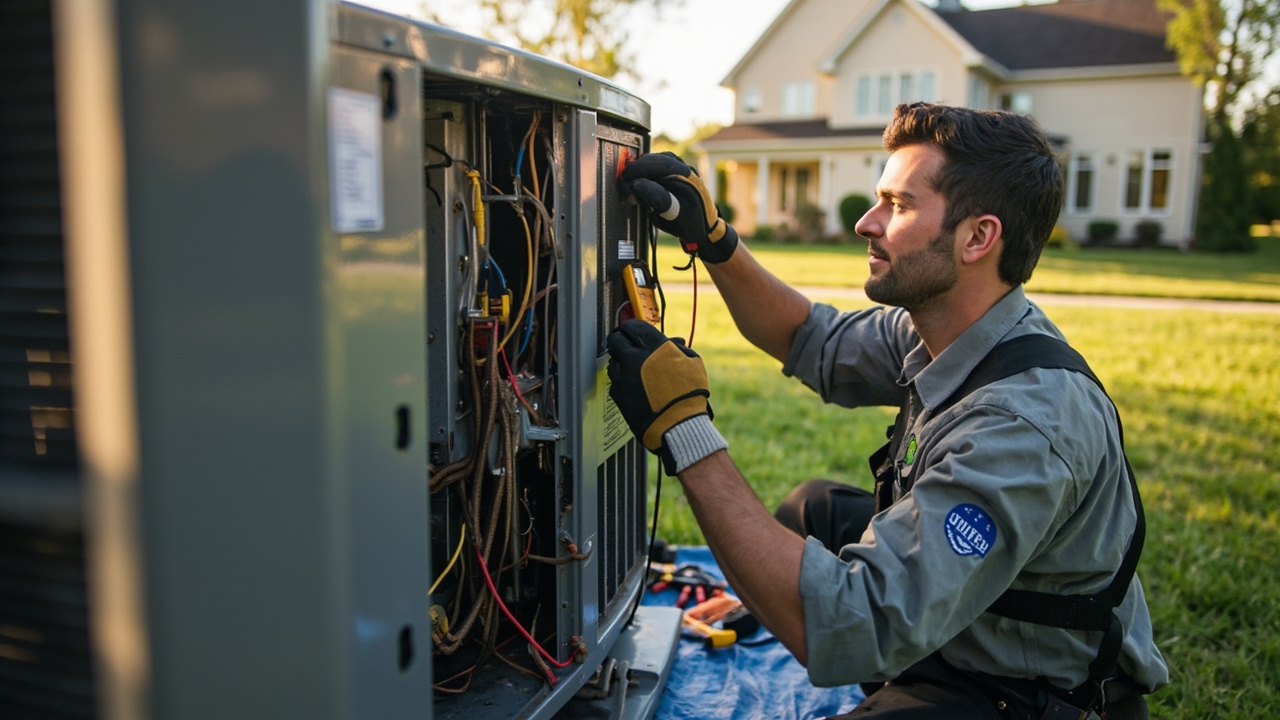
The condenser unit gets a full visual inspection. We look for bent fins that restrict airflow, debris blocking the fan, and signs of refrigerant oil staining around connections. A thermal imaging camera reveals hot spots on electrical connections before they cause failures. We measure voltage and amperage at the contactor to catch failing capacitors early.

Inside your home, we examine the evaporator coil for ice buildup and drainage issues. A frozen coil means low refrigerant, restricted airflow, or a failing blower motor. We use manometers to measure static pressure across the coil and duct system. High pressure indicates dirty filters or closed vents. Low pressure means duct leaks or oversized equipment.

Refrigerant diagnostics require EPA-certified tools. We measure superheat and subcooling at both the evaporator and condenser. These numbers tell us if the system is overcharged, undercharged, or restricted. A thermometer and pressure gauge reveal what's happening inside sealed components without cutting into lines.

Kansas City's older homes need special attention. Many have undersized return ducts from the 1970s that starve modern high-efficiency systems. We calculate required CFM per ton and measure actual airflow with a flow hood. Poor duct design causes 60 percent of comfort complaints we diagnose.

The diagnostic process takes 45 to 90 minutes. Rushing through checks misses root causes and leads to repeat service calls.

What Happens During an AC Diagnostic Visit

Troubleshooting AC Issues in Kansas City – Fast Answers to Stop Breakdowns Before They Start
01

Initial System Assessment

Our technician arrives with diagnostic tools and reviews your specific concerns. We document what you've noticed, when problems occur, and what you've already checked. This history guides our testing sequence and prevents wasted time on already-verified components. We examine the thermostat, breaker panel, and disconnect switches before starting the outdoor unit.
02

Component Testing and Measurement

We measure electrical values at key components, test refrigerant pressures under load, and check airflow through the system. Temperature readings at supply and return vents reveal efficiency problems. We inspect all accessible ductwork for leaks and proper insulation. Digital tools provide exact measurements, not estimates. Photos document any damage or wear we find during the inspection process.
03

Clear Diagnosis and Options

You receive a written explanation of identified problems, why they occurred, and repair options. We explain what happens if you delay fixes and which issues pose immediate risks. Cost estimates include parts, labor, and any code compliance requirements. You decide how to proceed with full information about your system's condition and expected lifespan.

Why Kansas City Homeowners Trust Our Diagnostic Expertise

United HVAC Kansas City brings two decades of experience diagnosing air conditioning problems specific to this region. We've seen how Missouri River humidity corrodes electrical connections. We know which brands fail early in our climate and which components last. Our technicians train continuously on new diagnostic equipment and manufacturer-specific troubleshooting procedures.

We service neighborhoods from Brookside to Northland, understanding how home age affects AC performance. Post-war bungalows in Waldo have different ductwork challenges than new construction in Lee's Summit. Ranch homes in Prairie Village need different airflow calculations than two-story builds in Overland Park. Local knowledge matters when central air troubleshooting reveals installation problems from previous contractors.

Our diagnostic truck stocks testing equipment that most companies rent once per year. Refrigerant analyzers, combustion analyzers for gas furnaces, and thermal imaging cameras ride with us daily. When you schedule diagnostics, we arrive prepared to identify problems completely, not just reset your system and hope it works.

Kansas City's building codes changed significantly in 2018 regarding refrigerant types and efficiency minimums. We stay current on these regulations because they affect your repair options. Some older systems can't legally be recharged anymore. Others need modifications to meet ventilation requirements. We explain code implications during diagnostics so you understand long-term costs.

Insurance claims for AC failures require professional documentation. We provide detailed reports that adjusters accept, including photos and test measurements. When storm damage causes electrical problems or hail dents your condenser, our diagnostics establish baseline condition before repairs start.

What to Expect During AC Troubleshooting

Same-Day Diagnostic Scheduling

We schedule diagnostic visits within 24 hours during normal seasons and offer emergency diagnostics during heat waves. Most appointments take 60 to 90 minutes, depending on system complexity and accessibility. You receive a two-hour arrival window with text updates when the technician is 30 minutes away. Weekend and evening appointments are available for working homeowners who can't take weekday time off.

Comprehensive System Evaluation

Our evaluation covers electrical components, refrigerant levels, airflow measurements, and ductwork inspection. We test under actual operating conditions, not just static checks. You watch the diagnostic process if you want, and we explain findings in plain language. No technical jargon unless you ask for specifics. The evaluation includes filter condition, drain line function, and thermostat accuracy. We identify both immediate problems and components showing early wear.

Written Diagnostic Report

You receive documentation of all test results, photos of problem areas, and clear repair recommendations. The report prioritizes issues by urgency and explains consequences of delaying each fix. Cost estimates are itemized by component and labor. If multiple repair approaches exist, we outline pros and cons of each option. The report is yours to keep for insurance claims or second opinions.

Follow-Up Support and Prevention

After diagnostics, we answer questions about your system by phone or email at no charge. If you choose to delay non-urgent repairs, we note warning signs to watch for and offer seasonal check-ins. When repairs are completed, we verify the fix resolved the diagnosed problem and retest system performance. Maintenance plans include annual diagnostics to catch new issues before they cause breakdowns during peak cooling season.

Frequently Asked Questions

You Have Questions,
We Have Answers

How do I diagnose what's wrong with my AC? +

Start with the basics. Check your thermostat settings to confirm it's on cooling mode and set below room temperature. Walk outside to see if your compressor is running. Listen for unusual sounds like grinding or clicking. Feel the supply vents for airflow. Check your breaker panel for tripped switches. Inspect your air filter. If it's clogged, airflow drops and efficiency tanks. In Kansas City's humid summers, a dirty filter can freeze your evaporator coil. If these checks don't reveal the problem, you need a technician with gauges to test refrigerant levels and electrical components.

What is the 3 minute rule for AC? +

The 3 minute rule prevents compressor damage. After your AC shuts off, wait at least three minutes before restarting it. This delay lets refrigerant pressures equalize between the high and low sides of your system. If you restart too soon, the compressor tries to start against high head pressure, which strains the motor and can trip your breaker. This matters in Kansas City where summer heat cycles your system constantly. Most modern thermostats enforce this delay automatically. Older units may not. Ignoring this rule shortens compressor life and leads to expensive repairs.

What is the $5000 rule for AC? +

The $5000 rule is a replacement guideline. Multiply your system's age by the repair estimate. If the total exceeds $5000, replacement often makes more financial sense than repair. For example, a 12 year old unit needing a $500 compressor replacement equals $6000, suggesting you should replace the entire system. In Kansas City's climate, AC units work harder due to high humidity and temperature swings. Systems older than 10 years lose efficiency and use outdated refrigerant. New units offer better SEER ratings, lower utility bills, and modern refrigerants. This rule helps you avoid throwing money at a dying system.

How to figure out what's wrong with AC? +

Start with simple diagnostics. Check if your outdoor unit is running. If the fan spins but the compressor stays silent, you likely have a capacitor failure or compressor issue. Test airflow at your vents. Weak airflow points to ductwork problems, a failing blower motor, or a clogged filter. Feel the refrigerant lines outside. The larger suction line should feel cold and slightly sweaty. If it's warm or frozen, you have refrigerant issues. In Kansas City's humidity, ice buildup on coils is common with low refrigerant or airflow restrictions. Use a thermometer to measure supply and return temperatures. The difference should be 15 to 20 degrees.

How Kansas City's Humidity Complicates AC Diagnostics

Kansas City averages 65 percent relative humidity from June through August, which changes how air conditioners fail. High moisture loads cause evaporator coils to ice over even when refrigerant levels are correct. Drain pans overflow when humidity overwhelms the condensate pump. Mold grows in ductwork faster here than in arid climates, restricting airflow and mimicking symptoms of a failing blower motor. Identifying AC faults requires understanding how local humidity creates problems that look like mechanical failures but stem from environmental stress.

HVAC contractors serving the Kansas City metro deal with specific equipment challenges from our weather patterns. Systems sized correctly for cooling often can't handle moisture removal during humid spring nights. Diagnosing air conditioner problems means checking dehumidification performance separately from temperature control. United HVAC Kansas City technicians train on humidity-related diagnostics that contractors in dry climates never see. We know the difference between a refrigerant leak and a coil freezing from excessive moisture because we've diagnosed thousands of systems in this exact climate.

HVAC Services in The Kansas City Area

View our service area and business location on the map below. We are proud to serve the entire Kansas City metro area, providing expert heating and cooling services to both residential and commercial clients. If you need a reliable HVAC partner, we are conveniently located to respond quickly to your needs, ensuring your indoor comfort is always our top priority.

Address:
United HVAC Kansas City, 1425 Agnes Ave, Kansas City, MO, 64127

Additional Services We Offer

Our news updates

Latest Articles & News from The Blogs

Essential HVAC Safety Tips for Families with Toddlers and Crawling Babies in Lenexa\n\nDoes your crawling baby seem magnetically drawn to…

Essential HVAC Safety Tips for Families with Toddlers and Crawling Babies in Lenexa

Essential HVAC Safety Tips for Families with Toddlers and Crawling Babies in Lenexa\n\nDoes your crawling baby seem magnetically drawn to…

Why Your Master Bedroom Is Always the Hardest Room to Cool in Your Olathe Two Story

Your Olathe two-story home was built for comfort, but your master bedroom still feels like a sauna while the downstairs…

How Shifting Kansas City Clay Soil Can Actually Damage Your Underground Ductwork

How Shifting Kansas City Clay Soil Can Actually Damage Your Underground Ductwork Kansas City’s expansive clay soil shifts dramatically with…

Contact Us

Get expert HVAC system diagnostics from technicians who know Kansas City air conditioning inside and out. Call United HVAC Kansas City at (816) 473-9177 to schedule your diagnostic visit. We'll identify the real problem and give you clear options to fix it right.