




Menu

Furnace Blowing Cold Air in Kansas City – Expert Diagnosis and Same-Day Repair

When your furnace blows cold air instead of heat, you need more than a guess. Our certified technicians diagnose the root cause of furnace failures across Kansas City and restore warmth the same day you call.

Slider Image 1
Slider Image 2
Slider Image 3
Slider Image 4
Slider Image 5
Slider Image 7
Slider Image 8
Slider Image 9
Slider Image 10
Slider Image 11

Why Your Furnace Blows Cold Air During Kansas City Winters

You turn up the thermostat. The blower kicks on. Then cold air pours from your vents.

This is not normal, and it happens more often in Kansas City than you might think.

Our freeze-thaw cycles stress furnace components harder than steady cold does. When the temperature swings from 15 degrees to 50 degrees in two days, expansion and contraction crack heat exchangers, loosen electrical connections, and strain limit switches. Your heating system blowing cold air is often the first signal that something mechanical has failed.

A heater blowing cold air can stem from a blown control board, a failed ignitor, a tripped flame sensor, or a pilot light that will not stay lit. In older furnaces common to Kansas City's pre-1980s housing stock, the thermocouple may have corroded beyond function. In newer units, a dirty flame sensor prevents ignition even when gas flows freely.

Clay soil shifts under Kansas City foundations. This movement can pull ductwork apart at the plenum, allowing unconditioned air from your crawlspace or attic to mix with heated air before it reaches your rooms. The result is a furnace blowing cool air even though the burners are firing correctly.

Humidity compounds the issue. When outdoor humidity rises during our transitional spring and fall months, condensation forms inside ductwork. This moisture accelerates rust on older galvanized ducts and promotes mold growth that restricts airflow. A furnace not blowing hot air may not be a furnace problem at all. It may be a duct problem.

Every minute your furnace blows unheated air, your pipes move closer to freezing. Your energy bill climbs. Your family suffers. The fix requires a methodical diagnostic process, not guesswork.

Why Your Furnace Blows Cold Air During Kansas City Winters
How We Diagnose and Repair Furnaces Blowing Cold Air

How We Diagnose and Repair Furnaces Blowing Cold Air

Most companies start by replacing the easiest part. We start by testing the entire heating circuit.

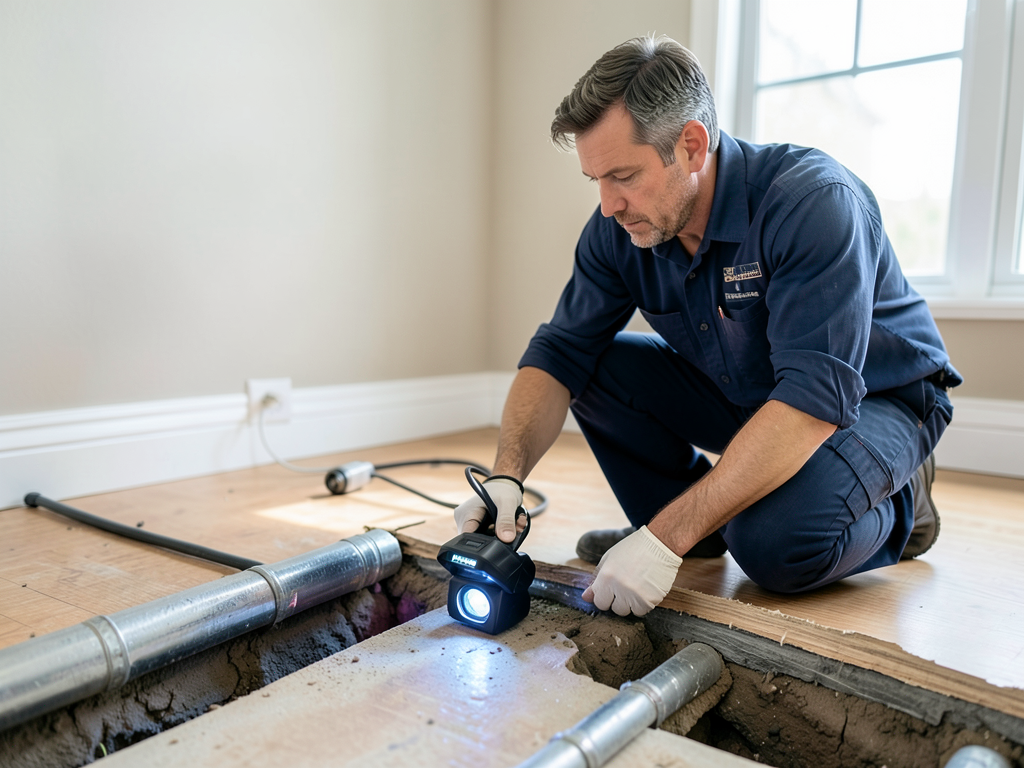
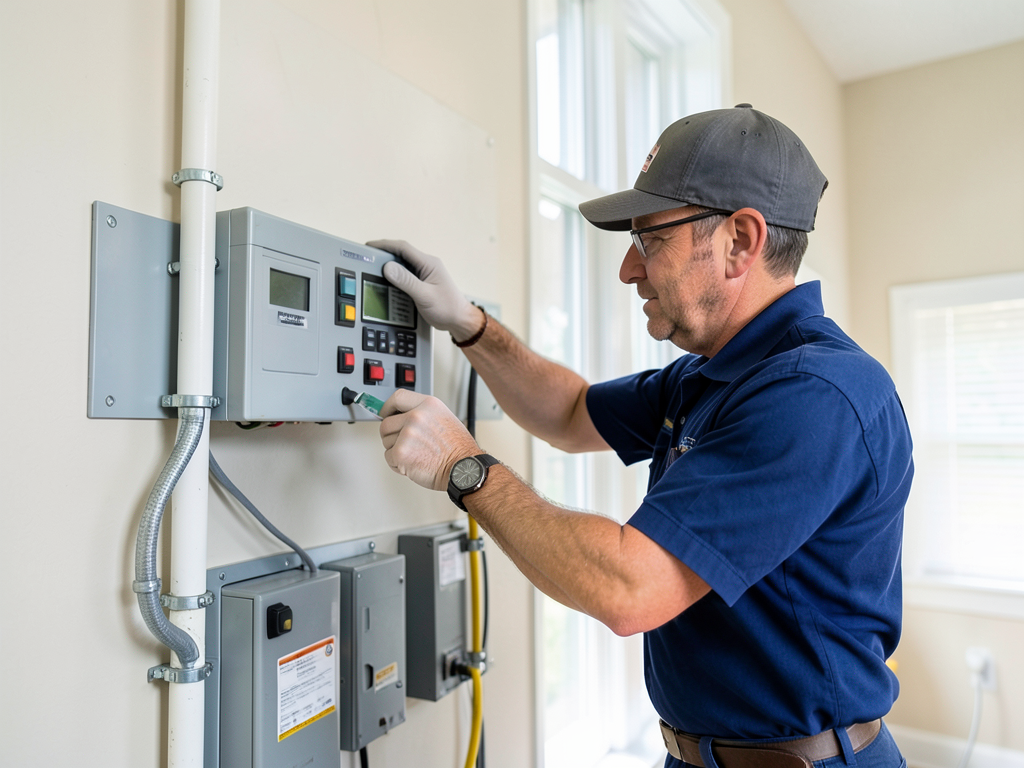
Our technicians arrive with digital multimeters, manometers, combustion analyzers, and thermal imaging cameras. We measure voltage at the thermostat, the transformer, the control board, and the ignitor. We test gas pressure at the manifold and verify the pressure switch activates at the correct negative pressure threshold. If your furnace blowing cold air traces back to a failed inducer motor, we will catch it before we touch a single component.

We inspect the flame sensor with a micro-amp meter. A sensor reading below 0.5 microamps will shut down ignition even when the resistance appears normal. Cleaning the sensor with emery cloth often restores proper function, but if the ceramic insulator has cracked, replacement is the only reliable fix.

Heat exchanger integrity matters. A cracked heat exchanger allows combustion gases to mix with your breathable air. Carbon monoxide is odorless. We use a borescope to inspect the exchanger from the inside and a combustion analyzer to measure flue gas spillage. If we find a crack, we tell you immediately. You cannot patch a heat exchanger. You replace the furnace.

Airflow is the other half of the equation. A furnace cannot transfer heat if air does not move across the heat exchanger. We measure static pressure at the return and supply plenums. If your blower motor runs but static pressure exceeds 0.5 inches of water column, the filter is clogged, the ductwork is undersized, or the blower wheel is coated in debris. We clean the blower assembly, replace the filter, and verify CFM output matches the furnace rating.

United HVAC Kansas City does not guess. We measure, we test, and we fix the actual problem.

What Happens When You Call About Cold Air From Your Vents

Furnace Blowing Cold Air in Kansas City – Expert Diagnosis and Same-Day Repair
01

Initial System Assessment

We start at the thermostat and work backward. Our technician verifies the thermostat calls for heat, checks the circuit breaker, and inspects the disconnect switch at the furnace. We listen to the ignition sequence and time each stage. A furnace blowing unheated air often reveals itself in the first 90 seconds of operation. We document every symptom before we open a single panel.
02

Component Testing and Diagnosis

We test the ignitor for correct amperage draw, verify the flame sensor conducts current, and measure gas pressure at the valve. The control board receives a continuity test on every relay. We inspect the limit switch for proper positioning and verify the rollout switch has not tripped. If your heater blows cold air because of a failed component, we identify it with test equipment, not guesswork. You get a clear explanation of what failed and why.
03

Repair and System Verification

Once we identify the failure point, we replace the defective part and test the furnace through three complete heating cycles. We measure supply air temperature at the closest register and verify it reaches 120 to 140 degrees. We check for proper burner flame color and listen for unusual sounds during operation. Your furnace blowing cool air is fixed only when we confirm consistent hot air delivery and safe combustion operation.

Why Kansas City Homeowners Trust Us With Furnace Repairs

Kansas City has no shortage of HVAC companies. Most of them will show up, swap a part, and hope it works.

That approach fails when the problem is complex.

United HVAC Kansas City employs technicians who understand the specific challenges of Kansas City housing stock. We work on furnaces in Brookside bungalows built in the 1920s, split-level homes in Prairie Village from the 1960s, and new construction in Lee's Summit. Each era of home construction presents different ductwork configurations, different furnace placements, and different venting requirements. A furnace blowing cold air in a 1940s home with a gravity-fed octopus duct system requires a different diagnostic process than a 2015 home with a zoned forced-air system.

We stock parts for all major furnace brands. When you call about a heating system blowing cold air, we carry the ignitor, flame sensor, control board, and pressure switch in our trucks. We do not need to order parts and schedule a second visit. We fix the problem on the first trip.

Our technicians receive ongoing training on new furnace technology and older legacy systems. We understand the quirks of Lennox control boards, the common failures in Carrier induced draft motors, and the pressure switch issues that plague Goodman furnaces. When a furnace blows unheated air, pattern recognition speeds diagnosis.

We also understand Kansas City building codes. When we replace a furnace or modify ductwork, we pull permits and schedule inspections. You get a repair that passes code and protects your home's resale value.

Local companies respond faster than national chains. When your furnace not blowing hot air becomes an emergency, we prioritize same-day service. You do not wait three days for an appointment. You get heat restored before your pipes freeze.

What to Expect When You Schedule Furnace Repair

Response Time and Availability

We answer calls seven days a week. If your furnace blows cold air on a Saturday morning, you do not wait until Monday for help. Most service calls receive same-day dispatch when you call before noon. Emergency situations, like a furnace failure during a hard freeze, receive priority scheduling. Our technicians arrive in marked vehicles with all diagnostic tools and common replacement parts. You get an accurate assessment within the first 30 minutes of our arrival, not vague promises to call you back later with a diagnosis.

Transparent Diagnostic Process

You will never receive a repair bill without understanding what failed and why. Our technicians explain each test they perform and show you the failed component. If your heater blowing cold air stems from a cracked heat exchanger, we show you the crack with a borescope camera. If the ignitor fails the amperage test, we show you the meter reading. You receive a written estimate before any repair begins. We explain your options, discuss whether repair or replacement makes more financial sense, and let you make the final decision. No surprise charges appear on your invoice.

Quality of Workmanship

We install OEM parts whenever possible. Aftermarket components may cost less, but they fail faster and void manufacturer warranties. When we replace a control board, you get the exact replacement specified by the furnace manufacturer, not a generic substitute. We torque gas line fittings to specification, use approved electrical connectors on all wiring, and seal ductwork joints with mastic, not duct tape. Your furnace blowing cool air gets fixed correctly the first time. We test the system through multiple heating cycles before we leave your home, and we verify safe combustion with a flue gas analyzer.

Follow-Up and Maintenance

Parts carry manufacturer warranties. Labor carries our workmanship guarantee. If the same component fails within the coverage period, we return and make it right at no additional charge. We also offer annual maintenance agreements that include priority scheduling, discounted repairs, and annual tune-ups. Regular maintenance prevents most cold air problems before they start. We inspect heat exchangers, test safety switches, clean flame sensors, and measure airflow. A furnace not blowing hot air often sends warning signs months before total failure. Maintenance catches those signs early.

Frequently Asked Questions

You Have Questions,
We Have Answers

Why is cold air blowing when the heat is on? +

Your furnace blows cold air when the burners fail to ignite. Common causes include a tripped flame sensor, clogged air filter restricting airflow, faulty ignitor, or gas supply interruption. In Kansas City, humidity and temperature swings stress system components. The blower continues running on schedule, but without combustion, only room-temperature air circulates. Check your filter first. If it looks gray or clogged, replace it. If the filter is clean and the problem persists, you need a technician to inspect the ignition system, gas valve, and flame sensor for safety.

How do you reset a furnace that blows cold air? +

Turn your thermostat to off. Locate your furnace circuit breaker and flip it off for 30 seconds, then back on. This clears the control board memory. Wait five minutes before switching the thermostat back to heat. The system needs time to reboot and run through safety checks. If cold air continues after the reset, the issue is mechanical, not electronic. You likely have a failed ignitor, flame sensor, or gas valve. Kansas City winters demand reliable heat. Do not repeatedly reset a malfunctioning furnace. Call a technician to diagnose the root cause.

Why is my furnace blower running but no heat? +

The blower motor runs, but burners are not firing. This points to ignition failure or a safety lockout. Your furnace has sensors that shut down combustion if they detect unsafe conditions, such as a dirty flame sensor or blocked flue. The blower continues running to prevent overheating. In Kansas City, power surges during storms can trip control boards. Start by replacing your air filter and checking the flame sensor for carbon buildup. If you see no visible flame through the sight glass, you need professional ignition system repair.

What does it mean when your furnace blows out cold air? +

Cold air from your furnace means the heating cycle is not completing. The blower fan activates, but the burners do not light, or they shut off prematurely. This happens when the ignitor fails, the flame sensor is dirty, or the gas valve malfunctions. You may also have a thermostat wiring issue sending incorrect signals. Kansas City homes with older thermostats experience this after battery failure. Confirm your thermostat is set to heat, not cool, and the temperature setting exceeds the current room temperature. If settings are correct, the furnace itself needs repair.

How can I tell if my heat pump is low on refrigerant? +

Your heat pump loses efficiency when refrigerant levels drop. Watch for longer run times without reaching set temperature, ice buildup on the outdoor coil even in mild weather, and hissing sounds near refrigerant lines. Kansas City freeze-thaw cycles can crack refrigerant lines in older systems. You may notice higher electric bills as the system works harder. The auxiliary heat strips engage more frequently to compensate. Refrigerant does not evaporate. Low levels always indicate a leak. A technician must locate the leak, repair it, and recharge the system to factory specifications.

What is the most expensive part to fix on a furnace? +

The heat exchanger is the most expensive furnace component. Replacement often costs more than a new furnace install, especially in older units. The heat exchanger transfers combustion heat to circulating air. Cracks develop from years of heating and cooling cycles, allowing carbon monoxide to leak into your home. Kansas City humidity accelerates corrosion in cheaper exchangers. Most manufacturers warranty the exchanger separately because failure is catastrophic. If your technician finds a cracked heat exchanger, replacement is rarely economical. You need a full furnace replacement for safety and efficiency.

What are signs of furnace failure? +

Furnace failure shows specific warning signs. You hear loud banging or screeching during startup. Yellow or flickering burner flames indicate incomplete combustion and possible carbon monoxide production. The blower runs constantly without cycling off. You smell gas or notice soot buildup around vents. Frequent cycling on and off signals a failing limit switch. Kansas City homeowners often ignore rising energy bills, a clear efficiency loss indicator. Visible rust or cracks on the heat exchanger demand immediate shutdown. If you experience multiple symptoms simultaneously, your furnace is near total failure.

Is it safe to run a furnace blowing cold air? +

Running a furnace blowing cold air wastes energy but is generally safe short-term. The danger depends on why it blows cold air. If burners are not igniting, unburned gas could accumulate. If the heat exchanger is cracked, carbon monoxide may enter your home. The blower motor itself will not cause harm, but it cannot diagnose the underlying problem. Turn the system off until a technician inspects it. Kansas City winters are unforgiving. Do not gamble with safety or comfort. Address the issue immediately to prevent secondary damage from frozen pipes.

Will resetting my thermostat fix my heat? +

Resetting your thermostat fixes minor glitches, like incorrect mode settings or low batteries. Remove the faceplate, replace batteries if applicable, and check that the system is set to heat with a target temperature above the current room reading. Wait five minutes after adjustments. If cold air persists, the thermostat is not the problem. You have a furnace malfunction. Kansas City homes with smart thermostats should verify Wi-Fi connectivity and firmware updates. A thermostat only sends signals. It cannot repair a broken ignitor, failed gas valve, or dirty flame sensor inside your furnace.

What does it mean when your furnace is not blowing hot air? +

Your furnace fails to produce hot air when combustion does not occur or the heat exchanger cannot transfer warmth. The ignitor may be cracked, the flame sensor may be coated in carbon, or the gas valve may be stuck closed. You could also have ductwork leaks dumping heated air into your attic or crawlspace before it reaches vents. Kansas City homes with poor insulation lose heat faster than the furnace can produce it. Check your air filter and thermostat settings first. If both are correct, you need a diagnostic service call to identify the failed component.

How Kansas City's Temperature Swings Accelerate Furnace Wear

Kansas City averages 40 freeze-thaw cycles each winter. Metal expands when hot and contracts when cold. A heat exchanger that heats to 1,800 degrees and cools to 40 degrees every day experiences extreme thermal stress. Hairline cracks form at the weld seams after years of expansion and contraction. These cracks grow wider with each heating cycle until combustion gases leak into your air supply. A furnace blowing cold air may be the least of your problems if a cracked heat exchanger goes undetected. Our borescope inspections catch cracks before carbon monoxide becomes a threat.

United HVAC Kansas City has served the metro for years. We understand that a heating system blowing cold air in Overland Park may have a different root cause than the same symptom in a North Kansas City industrial warehouse. Residential systems fail from neglected maintenance. Commercial systems fail from runtime hours. We adjust our diagnostic approach based on your building type, system age, and maintenance history. Local companies know local buildings. National chains send technicians who have never seen a gravity-fed octopus duct system or worked on a furnace installed in a crawlspace with 30 inches of clearance.

HVAC Services in The Kansas City Area

View our service area and business location on the map below. We are proud to serve the entire Kansas City metro area, providing expert heating and cooling services to both residential and commercial clients. If you need a reliable HVAC partner, we are conveniently located to respond quickly to your needs, ensuring your indoor comfort is always our top priority.

Address:
United HVAC Kansas City, 1425 Agnes Ave, Kansas City, MO, 64127

Additional Services We Offer

Our news updates

Latest Articles & News from The Blogs

Comparing Mitsubishi and Daikin ductless systems for local homes When Kansas City homeowners face the decision between Mitsubishi and Daikin…

Comparing Mitsubishi and Daikin ductless systems for local homes

Comparing Mitsubishi and Daikin ductless systems for local homes When Kansas City homeowners face the decision between Mitsubishi and Daikin…

Protecting your piano and acoustic guitars from Kansas City humidity swings

Protecting Your Piano and Acoustic Guitars from Kansas City Humidity Swings\n\nYour musical instruments are more than just objects. They are…

Specialized Climate Control Tips for Indoor Gardeners and Hobbyists in the West Bottoms

Specialized Climate Control Tips for Indoor Gardeners and Hobbyists in the West Bottoms The West Bottoms industrial district faces unique…

Contact Us

Your furnace blowing cold air will not fix itself. Call United HVAC Kansas City at (816) 473-9177 right now. We diagnose the problem, explain your options, and restore heat the same day. No guesswork. No delays. Just warm air when you need it most.