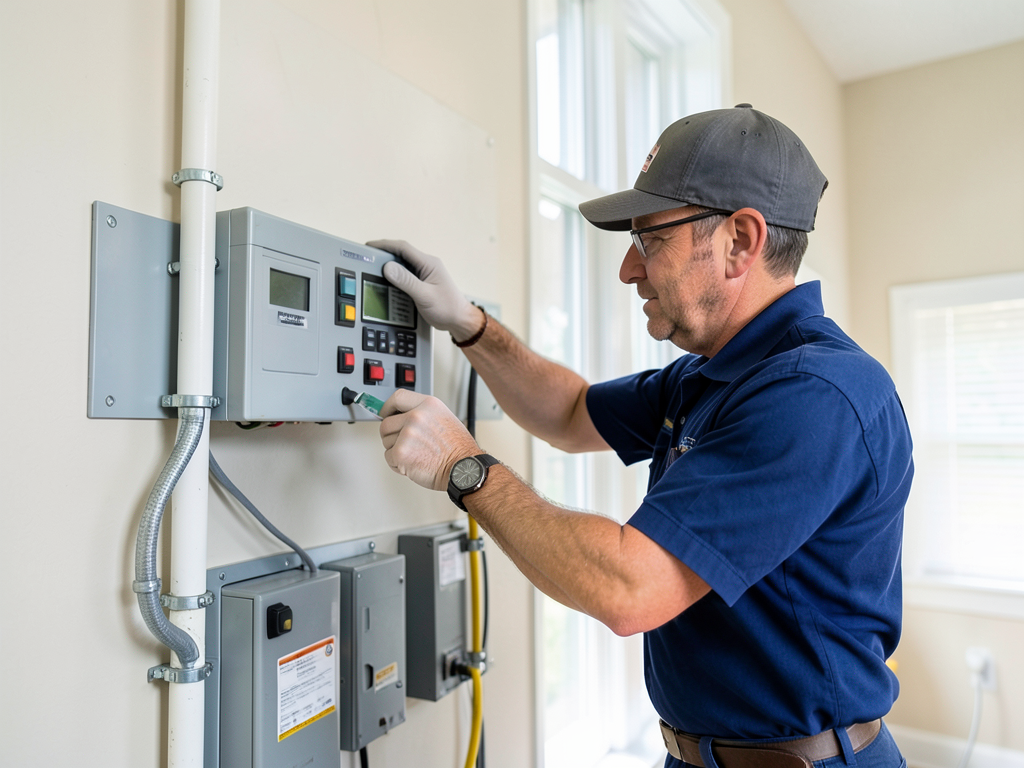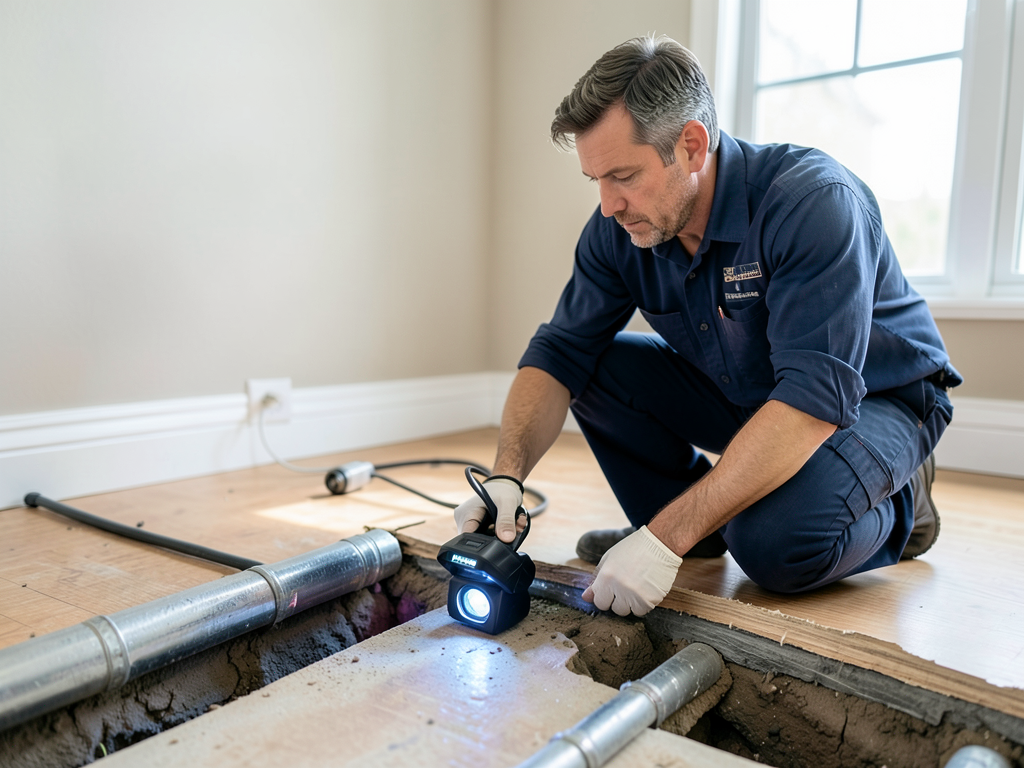







Kansas City's water supply comes from the Missouri River and carries 180 to 240 ppm total dissolved solids, significantly higher than national averages. This mineral load creates aggressive scaling conditions in cooling towers operating above three cycles of concentration. Calcium carbonate deposits form rapidly on fill media and heat exchanger surfaces, cutting thermal efficiency by two percent monthly without proper treatment. The clay soils throughout Jackson County contribute additional silica particulates during spring flooding, compounding fouling problems. Facilities near older infrastructure in the West Bottoms and Northeast neighborhoods sometimes draw water with iron content that stains tower components and accelerates corrosion. Professional cooling tower maintenance addresses these chemistry challenges with targeted descaling methods and water treatment protocols proven effective for Missouri River basin conditions.
United HVAC Kansas City maintains relationships with mechanical inspectors across Jackson, Clay, and Platte County jurisdictions. We understand local interpretation of ASHRAE 188 Legionella prevention standards and Missouri mechanical code requirements for cooling tower installations. Our service documentation satisfies building department compliance verification during certificate of occupancy renewals and property transfers. Facilities choosing out-of-area contractors often face reinspection delays when work does not meet local inspector expectations for installation methods or material specifications. We stock parts compatible with the Baltimore Aircoil, Marley, and SPX towers installed throughout Kansas City's industrial corridors. This local inventory cuts emergency repair time from three days to same-day completion.