




Menu

Humidity Issues Indoors in Kansas City – Fast Diagnosis and Permanent Solutions for High Indoor Moisture

United HVAC Kansas City identifies the root cause of humidity issues indoors and delivers targeted repairs that stop condensation, mold growth, and discomfort before they escalate into structural damage or health problems.

Slider Image 1
Slider Image 2
Slider Image 3
Slider Image 4
Slider Image 5
Slider Image 7
Slider Image 8
Slider Image 9
Slider Image 10
Slider Image 11

Why Kansas City Homes Battle High Indoor Humidity Year-Round

Kansas City sits in a humid continental climate zone where summer dew points regularly climb into the 70s. When outdoor air carries this much moisture, your HVAC system becomes the first line of defense against indoor moisture problems. If your air conditioner is undersized, your ductwork is leaking, or your dehumidification cycle is too short, that moisture settles inside your walls, crawl spaces, and living areas.

High humidity in house environments shows up as fogged windows, musty odors in basements, and visible condensation on mirrors and metal fixtures. You might notice your hardwood floors swelling or wallpaper peeling at the seams. These are not cosmetic issues. They signal that your HVAC system is not controlling moisture correctly.

Excess indoor moisture accelerates mold growth, attracts dust mites, and strains your cooling equipment. In older Kansas City neighborhoods like Brookside and Waldo, homes with original ductwork or single-pane windows face even higher risk. Poor humidity control also forces your air conditioner to work harder, cycling more frequently without lowering the moisture load. This drives up energy costs and shortens equipment life.

When you feel sticky indoors even though the thermostat reads 72 degrees, you are experiencing high indoor humidity levels that your current system cannot handle. The solution is not a bigger air conditioner. It is a properly calibrated system that removes moisture as efficiently as it removes heat.

Why Kansas City Homes Battle High Indoor Humidity Year-Round
How United HVAC Kansas City Solves Indoor Moisture Problems Permanently

How United HVAC Kansas City Solves Indoor Moisture Problems Permanently

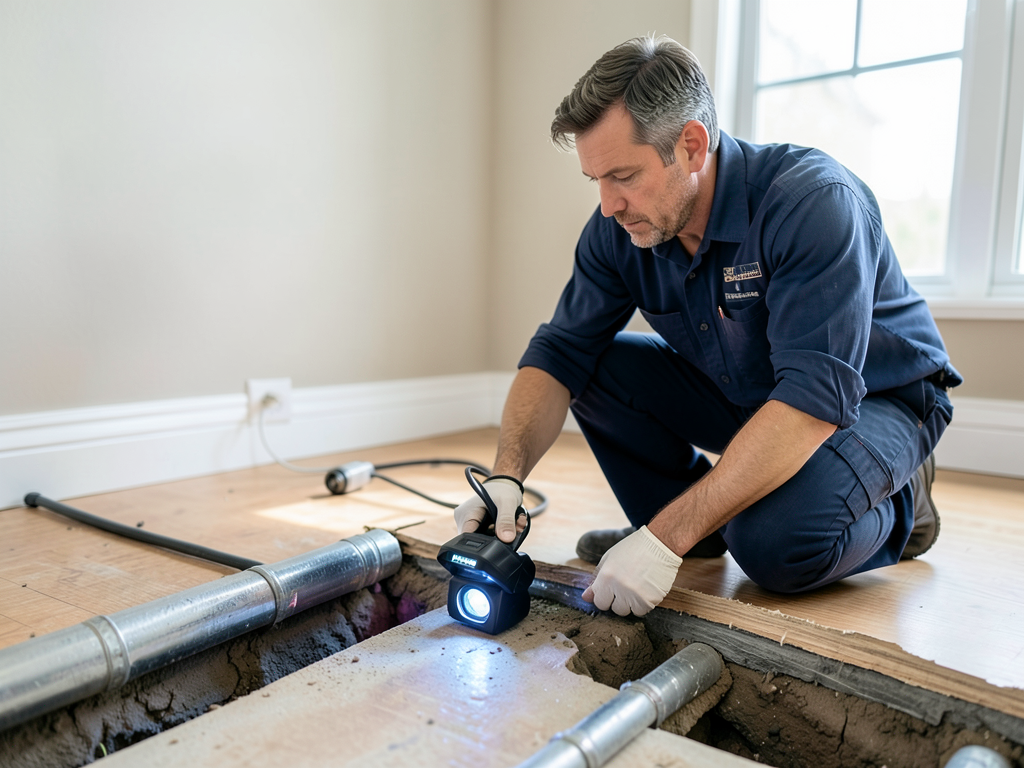
We start with a psychrometric analysis of your indoor environment. This involves measuring indoor relative humidity, dew point, and temperature gradients across different rooms. We use digital hygrometers and thermal imaging cameras to identify where moisture is entering or concentrating. Basements, attics, and exterior walls are common problem zones in Kansas City homes.

Next, we inspect your HVAC equipment for proper dehumidification capacity. Your air conditioner has a secondary function beyond cooling. It condenses water vapor on the evaporator coil and drains it outside. If your coil is dirty, your refrigerant charge is low, or your blower speed is set too high, the system will cool the air without removing enough moisture. We measure airflow across the coil, check the condensate drain for blockages, and verify that your thermostat is not short-cycling the compressor.

If your system is functioning correctly but still cannot keep humidity below 50 percent, we recommend a whole-home dehumidifier. These units integrate with your existing ductwork and remove up to 90 pints of moisture per day. They operate independently of your air conditioner, which means they work even when cooling is not needed. We also seal duct leaks, install vapor barriers in crawl spaces, and upgrade ventilation in bathrooms and kitchens where moisture generation is highest.

For commercial clients in warehouses or server rooms, we design custom humidity control systems using dedicated outdoor air systems and variable refrigerant flow equipment. These environments require precise control because humidity affects inventory, electronics, and employee comfort.

How We Restore Healthy Indoor Humidity Levels

Humidity Issues Indoors in Kansas City – Fast Diagnosis and Permanent Solutions for High Indoor Moisture
01

Indoor Air Assessment

We measure relative humidity in every room and document temperature differentials between floors. Our technicians use thermal imaging to detect hidden moisture in walls, attics, and crawl spaces. We also inspect your HVAC equipment for proper airflow, refrigerant charge, and drain line function. This diagnostic phase identifies whether your humidity problem stems from equipment failure, duct leakage, or inadequate ventilation.
02

System Calibration or Upgrade

If your air conditioner is functioning but undersized for moisture removal, we integrate a whole-home dehumidifier into your ductwork. If your system is malfunctioning, we clean the evaporator coil, correct refrigerant levels, and adjust blower speed to optimize latent heat removal. We seal duct leaks with mastic and install vapor barriers in problem areas like crawl spaces. Every adjustment is verified with post-repair humidity measurements.
03

Ongoing Humidity Monitoring

We provide hygrometers for continuous indoor humidity tracking and set your equipment for automatic dehumidification mode. Your system will maintain 40 to 50 percent relative humidity year-round without manual intervention. We schedule follow-up inspections to verify performance and adjust settings as seasonal humidity patterns change. You receive a maintenance checklist that includes filter changes, drain line cleaning, and dehumidifier canister service to prevent future moisture issues.

Why Kansas City Property Owners Trust United HVAC for Humidity Control

Kansas City's climate demands HVAC systems that address both temperature and humidity. We understand how the Missouri River valley and frequent thunderstorms create moisture infiltration challenges that generic HVAC companies overlook. Our technicians are trained to recognize the humidity problems specific to Kansas City construction, from basement moisture in homes near Brush Creek to condensation issues in commercial buildings along the Country Club Plaza.

We do not sell you a dehumidifier unless your system truly needs one. Many companies push add-on equipment to inflate invoices. We fix existing systems first. If your air conditioner is short-cycling because of a bad thermostat or your ducts are leaking 30 percent of your conditioned air into the attic, we repair those issues before recommending new equipment. This approach saves you money and solves the root cause.

Our team also understands local building codes and ventilation requirements. Kansas City adopted the 2018 International Residential Code, which includes specific provisions for mechanical ventilation and moisture control. We ensure your system complies with these standards, which protects your property value and prevents inspection failures if you sell.

We also work with property managers and commercial clients who need humidity control for server rooms, medical offices, and storage facilities. These environments require precise humidity ranges to prevent equipment damage and inventory loss. We design custom solutions using dedicated dehumidification equipment and digital controls that allow remote monitoring.

When you call United HVAC Kansas City, you speak directly to a technician who knows your neighborhood and the specific moisture challenges your property faces.

What to Expect When You Call United HVAC for Indoor Humidity Problems

Same-Day Diagnostic Appointments

We schedule humidity assessments within 24 hours of your call. Our technicians arrive with calibrated hygrometers, thermal imaging cameras, and airflow measurement tools. The diagnostic process takes 60 to 90 minutes depending on your property size. We provide a written report that includes current humidity levels, identified moisture sources, and recommended solutions. You receive upfront pricing before any work begins. Emergency appointments are available for commercial clients experiencing equipment damage from high humidity.

Comprehensive Equipment Inspection

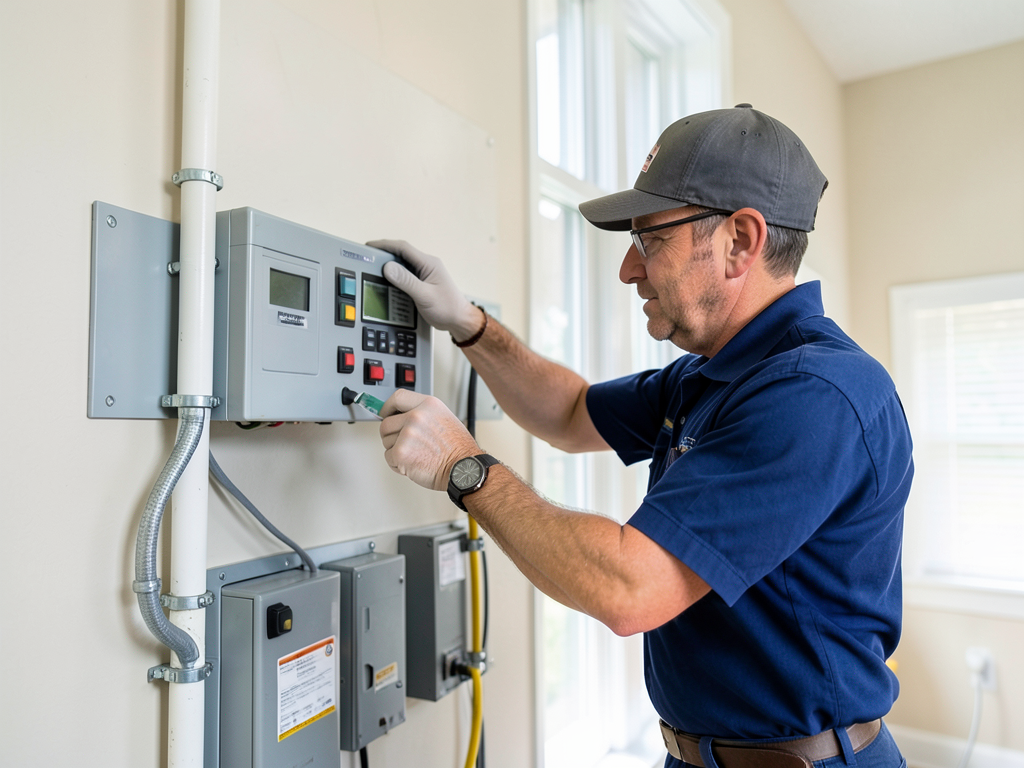
We inspect your entire HVAC system, not just the thermostat. Our technicians check evaporator coil cleanliness, refrigerant pressure, blower motor speed, and condensate drain function. We measure airflow at each supply register and inspect ductwork for leaks using pressure testing equipment. If your home has a crawl space or basement, we check for vapor barrier integrity and foundation vents. You receive a detailed checklist showing what we inspected and what needs attention. This transparency helps you make informed decisions about repairs.

Verified Humidity Reduction

After completing repairs or installations, we measure indoor humidity in multiple rooms to verify performance. Your system should maintain 40 to 50 percent relative humidity during summer and 30 to 40 percent during winter. We program your thermostat or dehumidistat to automate this control. You receive a post-repair report showing before and after humidity readings. If your system does not meet these targets, we return to adjust settings or identify additional moisture sources at no extra charge.

Seasonal Maintenance Plans

Indoor humidity levels change with Kansas City's seasons. We offer maintenance plans that include spring and fall system inspections, filter replacements, and dehumidifier service. Our technicians clean evaporator coils, check refrigerant levels, and test condensate pumps before cooling season begins. We also inspect humidifiers and adjust settings for winter operation. Maintenance plan members receive priority scheduling and discounted repair rates. These plans prevent the equipment failures that cause sudden humidity spikes and expensive emergency repairs.

Frequently Asked Questions

You Have Questions,
We Have Answers

How to fix a humidity problem in a house? +

Start by identifying the source. Check your HVAC system's drain pan and condensate line for clogs. Run exhaust fans in bathrooms and kitchens during use. Install a whole-home dehumidifier if Kansas City's summer humidity overwhelms your air conditioner. Seal air leaks around windows and doors. Inspect crawl spaces and basements for standing water or poor ventilation. If your AC runs constantly but humidity stays high, your system may be oversized or need refrigerant adjustment. A professional load calculation ensures your equipment matches your home's needs in our climate.

What are the symptoms of too much humidity in your house? +

You will notice condensation on windows, mirrors, and pipes. Musty odors appear in closets and basements. Paint peels. Wallpaper bubbles. Wood floors cup or warp. You may see visible mold on walls, ceilings, or grout lines. Dust mites thrive, worsening allergies. Your home feels sticky even when the thermostat reads a comfortable temperature. In Kansas City's humid summers, these symptoms intensify. High indoor moisture also makes your air conditioner work harder, driving up energy bills without improving comfort.

Is 70% humidity in a house bad? +

Yes. Indoor humidity at 70% promotes mold growth, dust mites, and structural damage. You want to maintain 30 to 50% relative humidity year-round. At 70%, moisture saturates porous materials like drywall, insulation, and wood framing. Mold colonies establish within 24 to 48 hours. Your HVAC system struggles to remove excess moisture at this level. In Kansas City, summer outdoor humidity often exceeds 70%, so your cooling system and ventilation must actively control indoor levels. Install a hygrometer to monitor conditions and adjust your dehumidification strategy accordingly.

What is an unsafe indoor humidity level? +

Humidity above 60% indoors is unsafe. Mold, mildew, and bacteria multiply rapidly. Dust mite populations explode, triggering asthma and allergies. Structural wood absorbs moisture, leading to rot and pest infestations. Humidity below 30% is also problematic, causing dry skin, respiratory irritation, and static electricity. Kansas City's fluctuating outdoor conditions require active humidity control. Your HVAC system should maintain 30 to 50% relative humidity. If you consistently measure levels outside this range, you need equipment upgrades, ductwork sealing, or ventilation improvements to protect your health and home.

How Kansas City's Humid Summers and River Valley Location Intensify Indoor Moisture Problems

Kansas City's position near the Missouri and Kansas River valleys creates persistent summer humidity. When warm, moist air from the Gulf of Mexico collides with cooler air masses, dew points spike into the mid-70s. Your HVAC system must remove this moisture before it condenses on cold surfaces inside your home. Older homes in neighborhoods like Westport and Hyde Park were built before central air conditioning became standard. These properties often lack proper vapor barriers and have undersized ductwork that cannot handle modern dehumidification loads. Basement moisture is especially common in homes near Brush Creek and the Blue River, where groundwater tables sit close to foundation walls.

United HVAC Kansas City has served the metro area for years, working on everything from historic bungalows in Brookside to modern commercial buildings downtown. We understand local construction methods and the humidity challenges specific to Kansas City's climate. Our technicians know which neighborhoods experience the worst basement moisture, which HVAC systems perform best in high humidity, and how to navigate local building codes. When you hire a local company, you get someone who has seen your exact problem dozens of times and knows the most effective solution.

HVAC Services in The Kansas City Area

View our service area and business location on the map below. We are proud to serve the entire Kansas City metro area, providing expert heating and cooling services to both residential and commercial clients. If you need a reliable HVAC partner, we are conveniently located to respond quickly to your needs, ensuring your indoor comfort is always our top priority.

Address:
United HVAC Kansas City, 1425 Agnes Ave, Kansas City, MO, 64127

Additional Services We Offer

Our news updates

Latest Articles & News from The Blogs

Comparing Mitsubishi and Daikin ductless systems for local homes When Kansas City homeowners face the decision between Mitsubishi and Daikin…

Comparing Mitsubishi and Daikin ductless systems for local homes

Comparing Mitsubishi and Daikin ductless systems for local homes When Kansas City homeowners face the decision between Mitsubishi and Daikin…

Protecting your piano and acoustic guitars from Kansas City humidity swings

Protecting Your Piano and Acoustic Guitars from Kansas City Humidity Swings\n\nYour musical instruments are more than just objects. They are…

Specialized Climate Control Tips for Indoor Gardeners and Hobbyists in the West Bottoms

Specialized Climate Control Tips for Indoor Gardeners and Hobbyists in the West Bottoms The West Bottoms industrial district faces unique…

Contact Us

Call United HVAC Kansas City at (816) 473-9177 for a same-day humidity assessment. We diagnose the root cause, repair your system correctly, and verify results with post-repair humidity measurements. Do not wait until mold appears or your floors warp.