





Menu

Multi-Family HVAC Services in Kansas City – Minimize Downtime and Maintain Tenant Comfort Across Every Unit

United HVAC Kansas City delivers multi-unit HVAC maintenance, apartment complex heating and cooling repair, and property management HVAC solutions that keep your buildings operational, your tenants satisfied, and your mechanical systems compliant with local codes.

Slider Image 1
Slider Image 2
Slider Image 3
Slider Image 4
Slider Image 5
Slider Image 7
Slider Image 8
Slider Image 9
Slider Image 10
Slider Image 11

Why Multi-Family HVAC Systems Fail Faster in Kansas City's Climate

Kansas City's volatile climate puts intense pressure on apartment complex HVAC services. Summer heat indexes regularly exceed 100 degrees, forcing rooftop units and split systems to run continuously. Winter lows drop below 20 degrees, cycling heating systems around the clock. This constant thermal stress accelerates compressor wear, refrigerant leaks, and blower motor failures across multi-unit properties.

Multi-family housing HVAC solutions face another challenge: occupancy density. Each unit generates heat, moisture, and particulate load. Shared ducting in older buildings near the Crossroads Arts District or Westport multiplies IAQ problems. When one tenant cranks their thermostat to 65 in August, neighboring units suffer. When a rooftop unit fails on a 40-unit building, you lose climate control for an entire floor.

Property management HVAC contractors must account for deferred maintenance common in aging properties. Buildings constructed in the 1970s and 1980s often have original equipment still running, undersized for current occupancy loads. Ductwork designed for lower density use cannot handle modern tenant expectations. The result is uneven temperatures, frequent service calls, and tenant turnover that erodes your NOI.

Condominium heating and cooling repair adds another layer of complexity. Mixed ownership structures mean coordinating repairs across multiple stakeholders. Shared mechanical systems require special assessments. Delayed approvals lead to extended downtime. You need a contractor who understands the operational and financial constraints of multi-family buildings, not just how to fix a broken compressor.

Why Multi-Family HVAC Systems Fail Faster in Kansas City's Climate
How United HVAC Kansas City Manages Multi-Unit Mechanical Systems

How United HVAC Kansas City Manages Multi-Unit Mechanical Systems

We treat multi-family HVAC services as facility management, not residential service calls. Our approach starts with system mapping. We document every rooftop unit, split system, and air handler tied to your property. We track equipment age, maintenance history, and failure patterns. This data tells us which units are approaching end-of-life and which are candidates for proactive repair.

Our preventive maintenance plans for apartment complex HVAC services focus on minimizing emergency callouts. We schedule inspections during low-occupancy hours. We rotate through buildings on a fixed calendar so nothing gets missed. Filter changes happen quarterly. Coil cleaning happens before cooling season. Refrigerant levels get checked before the first heatwave hits. This cadence prevents the cascade failures that occur when one neglected unit triggers a domino effect across your property.

When failures do occur, we prioritize based on occupancy impact. A failed unit serving eight units gets addressed before a failed unit serving two. We carry common parts for Trane, Carrier, Lennox, and Rheem units, the brands most common in Kansas City multi-family properties. Our trucks stock compressor contactors, capacitors, and blower motors sized for commercial-grade equipment. This parts inventory reduces your downtime from days to hours.

For condominium heating and cooling repair, we provide detailed scope-of-work documentation for HOA boards. We break down shared system costs versus individual unit costs. We attend board meetings when major capital expenditures require approval. We help property managers justify necessary repairs with thermal imaging reports and efficiency loss data. You get the documentation you need to move projects forward without endless committee delays.

What Happens When You Schedule Multi-Family HVAC Service

Multi-Family HVAC Services in Kansas City – Minimize Downtime and Maintain Tenant Comfort Across Every Unit
01

Building Assessment and Documentation

We start by cataloging every HVAC unit tied to your property. Rooftop units get tagged with service dates and model numbers. Split systems get mapped to their corresponding indoor air handlers. We document thermostats, zone controls, and any building automation systems in place. This initial survey creates a mechanical baseline that guides every future service call. You receive a digital asset map showing equipment locations, ages, and recommended service intervals.
02

Scheduled Maintenance Execution

Our technicians rotate through your properties on a fixed maintenance schedule. Each visit includes filter replacement, coil inspection, refrigerant level checks, and blower motor lubrication. We test capacitors under load and inspect electrical connections for signs of arcing or corrosion. Drainage lines get flushed to prevent condensate backups. After each visit, you receive a service report detailing findings and any equipment showing early failure indicators. This proactive approach catches problems before they become tenant complaints.
03

Emergency Response and Repair

When a unit fails, we dispatch based on occupancy impact and outdoor temperature. Our trucks carry parts for the most common failures in multi-family systems. Compressor replacements happen same-day when parts are available. Refrigerant leaks get diagnosed with electronic leak detectors and repaired using brazing techniques that meet EPA Section 608 standards. You get a written repair summary with photos documenting the failure cause, parts replaced, and expected lifespan of the repaired unit.

Why Property Managers Choose United HVAC Kansas City for Multi-Unit Buildings

Multi-family HVAC services require a different operational model than residential service. You cannot afford three-day lead times when a rooftop unit fails in July. You cannot tolerate technicians who treat every service call like a new customer acquisition opportunity. You need a contractor who understands that your business depends on mechanical uptime and predictable maintenance budgets.

United HVAC Kansas City works with property management companies across Kansas City, from the River Market high-rises to sprawling garden-style complexes in Overland Park. We understand the operational rhythm of multi-family buildings. We know that maintenance windows close after 10 AM when tenants return from work. We know that emergency repairs on weekends cost you overtime but waiting until Monday costs you tenant satisfaction scores.

Our technicians carry commercial-grade diagnostic tools, not residential service kits. We use manifold gauges to measure superheat and subcooling on charged systems. We carry amp meters to verify compressor draw under load. We use combustion analyzers on gas furnaces to ensure safe operation in high-density occupancy environments. This equipment separates professional facility maintenance from residential handyman service.

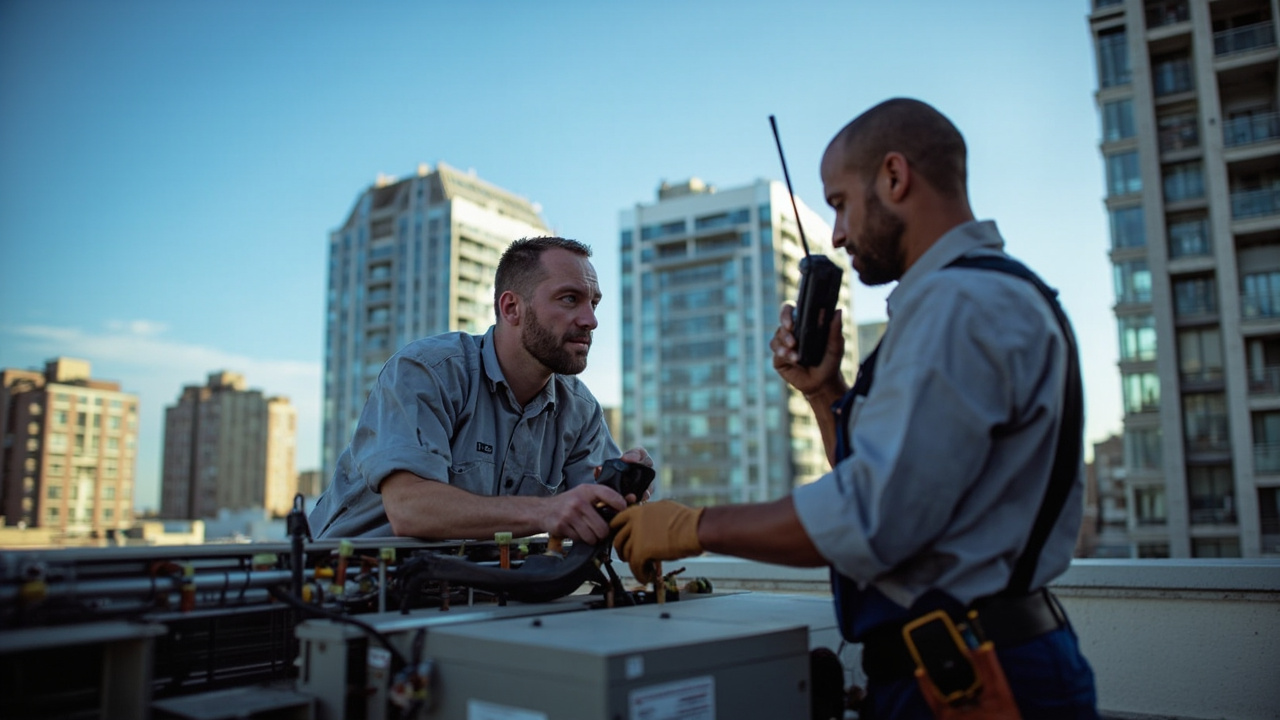
We also understand Kansas City's building codes for multi-family occupancies. HVAC installations and major repairs require permits and inspections. Refrigerant handling must comply with EPA regulations. Rooftop unit installations require fall protection and proper equipment access per OSHA standards. We handle permitting, we coordinate inspections, and we document everything for your records. You get code-compliant work that protects you from liability and keeps your buildings insurable.

What to Expect When You Partner with United HVAC Kansas City

Response Times and Service Availability

We prioritize multi-family service calls based on occupancy impact and outdoor conditions. Emergency calls during extreme weather get same-day response. Scheduled maintenance happens within your requested service window. Our dispatch system tracks technician locations in real time, so you get accurate arrival estimates, not vague four-hour windows. For properties with ongoing maintenance agreements, we assign dedicated technicians who learn your buildings and equipment. This continuity reduces diagnostic time and improves first-call resolution rates. You also get a direct line to your account manager, bypassing general dispatch when you need immediate answers about project timelines or repair quotes.

System Evaluation and Maintenance Planning

Our initial property assessment includes thermal imaging of operating units to identify hot spots indicating electrical problems or refrigerant flow restrictions. We test static pressure across filter racks and coil sections to quantify airflow restrictions. We measure temperature differentials across evaporator coils to verify system capacity. This diagnostic data creates a prioritized maintenance roadmap. You get a written report ranking equipment by failure risk, estimated remaining lifespan, and repair versus replacement recommendations. We update this assessment annually as equipment ages and operating conditions change. This planning tool helps you budget capital expenditures and schedule replacements during low-occupancy periods, minimizing disruption to your revenue stream.

Repair Quality and Equipment Performance

Every repair includes performance verification before we close the service ticket. Refrigerant charges get confirmed with superheat and subcooling measurements, not just static pressure readings. Replaced capacitors get tested under load to verify they meet manufacturer specifications. Blower motors get amp-tested to confirm proper operation. We document pre-repair and post-repair performance data so you can verify the repair resolved the problem. For major component replacements like compressors or air handlers, we provide startup reports showing system performance meets design specifications. This documentation protects you if the same unit fails again, providing evidence the repair was done correctly the first time.

Maintenance Agreements and Ongoing Support

Our multi-family maintenance agreements include scheduled service visits, priority emergency response, and discounted repair rates. We customize visit frequency based on equipment age, occupancy density, and historical failure rates. High-use buildings get quarterly visits. Newer construction with reliable equipment may only need semi-annual service. Each agreement includes unlimited emergency calls, so you never hesitate to contact us when a unit fails. We also provide annual performance reviews where we analyze service call data, identify recurring problems, and recommend system improvements. These reviews help you plan capital budgets and justify major expenditures to ownership. You get a long-term partner invested in your operational success, not just a vendor responding to service calls.

Frequently Asked Questions

You Have Questions,
We Have Answers

How Kansas City's Humidity and Temperature Swings Impact Multi-Family HVAC Lifespan

Kansas City sits at the convergence of hot, humid air from the Gulf and dry continental air from the Rockies. Summer dew points regularly hit 70 degrees, forcing air conditioning systems to remove massive amounts of moisture while cooling. This continuous latent load stresses compressors and evaporator coils far beyond what dry-climate units experience. Winter cold snaps drop temperatures 40 degrees in 12 hours, cycling heating systems from idle to maximum output repeatedly. These thermal shocks crack heat exchangers, stress inducer motors, and accelerate control board failures. Multi-family buildings with shared mechanical systems amplify these problems. A single failed unit can force adjacent units to over-cycle, creating cascade failures across the property.

Property managers need contractors who understand these local conditions and design maintenance plans accordingly. Generic national service contracts written for moderate climates fail in Kansas City's extreme weather. United HVAC Kansas City tailors maintenance intervals to local climate stress. We increase filter change frequency during high-pollen spring months. We schedule refrigerant checks before summer humidity arrives. We inspect heat exchangers before first frost. This localized approach extends equipment life and reduces emergency callouts. Our technicians also understand local building stock. The Mid-Century apartment buildings near the Plaza have different mechanical challenges than newer construction in Brookside. We adjust our service approach based on building age, construction type, and equipment vintage.

HVAC Services in The Kansas City Area

View our service area and business location on the map below. We are proud to serve the entire Kansas City metro area, providing expert heating and cooling services to both residential and commercial clients. If you need a reliable HVAC partner, we are conveniently located to respond quickly to your needs, ensuring your indoor comfort is always our top priority.

Address:
United HVAC Kansas City, 1425 Agnes Ave, Kansas City, MO, 64127

Additional Services We Offer

Our news updates

Latest Articles & News from The Blogs

Essential HVAC Safety Tips for Families with Toddlers and Crawling Babies in Lenexa\n\nDoes your crawling baby seem magnetically drawn to…

Essential HVAC Safety Tips for Families with Toddlers and Crawling Babies in Lenexa

Essential HVAC Safety Tips for Families with Toddlers and Crawling Babies in Lenexa\n\nDoes your crawling baby seem magnetically drawn to…

Why Your Master Bedroom Is Always the Hardest Room to Cool in Your Olathe Two Story

Your Olathe two-story home was built for comfort, but your master bedroom still feels like a sauna while the downstairs…

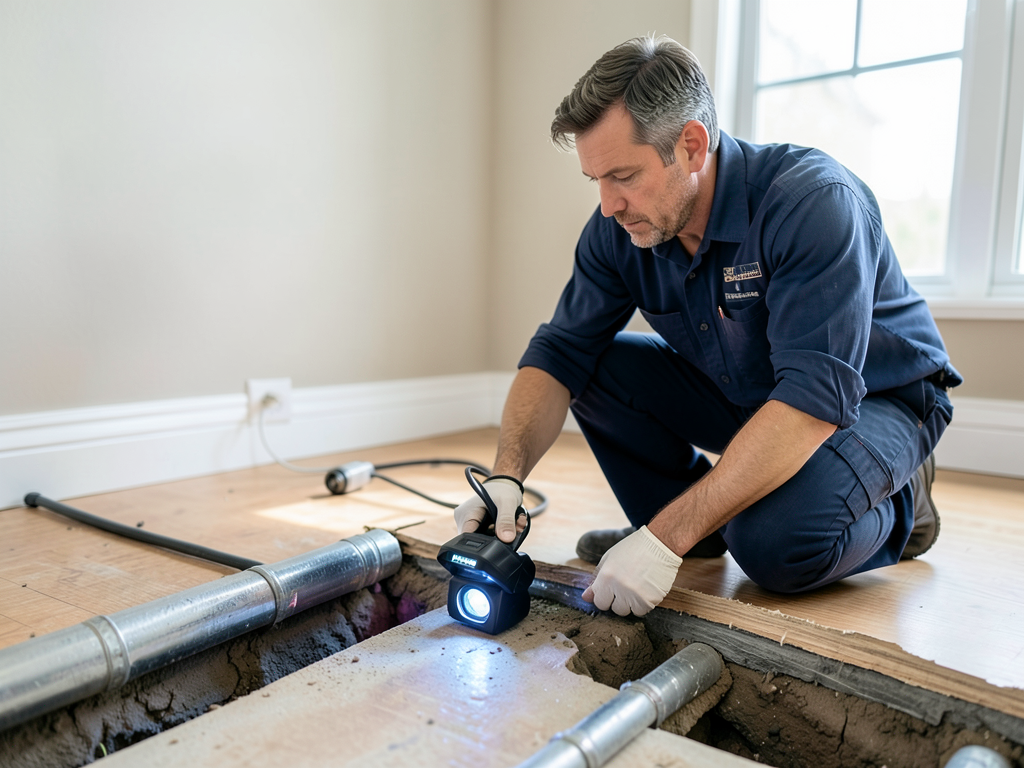
How Shifting Kansas City Clay Soil Can Actually Damage Your Underground Ductwork

How Shifting Kansas City Clay Soil Can Actually Damage Your Underground Ductwork Kansas City’s expansive clay soil shifts dramatically with…

Contact Us

Call United HVAC Kansas City at (816) 473-9177 to schedule a property assessment. We will evaluate your mechanical systems, identify failure risks, and provide a customized maintenance plan that minimizes downtime and extends equipment life.