




Menu

Frozen AC Coil Repair in Kansas City – Emergency Service Within 60 Minutes

When your evaporator coil ices over and stops cooling, United HVAC Kansas City dispatches certified technicians fast to diagnose airflow restrictions, refrigerant leaks, and drainage failures before compressor damage occurs.

Slider Image 1
Slider Image 2
Slider Image 3
Slider Image 4
Slider Image 5
Slider Image 7
Slider Image 8
Slider Image 9
Slider Image 10
Slider Image 11

Why Your AC Coil Froze and Why Kansas City's Climate Makes It Worse

You walk to your thermostat and it says 72, but your house feels like 82. You check the vents and get nothing but weak, warm air. You open the air handler and see a block of ice coating the evaporator coil. Your AC is frozen, and it will not cool until you fix the root cause.

Kansas City's humid summer air accelerates coil icing when airflow drops or refrigerant levels fall. High indoor humidity combined with poor ventilation creates condensation that freezes on dirty coils. Clay soil settling in older homes across neighborhoods like Brookside and Waldo shifts ductwork over time, restricting airflow and choking the evaporator. When your blower motor struggles to push air through clogged filters or crushed ducts, the coil temperature plummets below freezing and moisture turns to ice.

Emergency AC freeze up repair is not just about thawing the coil. Ice is a symptom. The real problem is airflow restriction, refrigerant undercharge, or a failing expansion valve. If you turn the system back on without fixing the underlying issue, the coil will refreeze within hours and you risk compressor burnout. Compressor replacement costs thousands. Coil icing repair done correctly stops the cycle and protects the system.

United HVAC Kansas City handles iced up air conditioner service across the metro, from Overland Park to North Kansas City. We fix frozen air conditioner coils by identifying whether the problem is mechanical, refrigerant-related, or airflow-based. Then we repair it right the first time.

Why Your AC Coil Froze and Why Kansas City's Climate Makes It Worse
How We Diagnose and Repair Frozen HVAC Evaporator Coils

How We Diagnose and Repair Frozen HVAC Evaporator Coils

Most companies thaw the coil, replace the filter, and leave. That fixes nothing. The coil refreezes because they never diagnosed the cause. We use a systematic approach to repair frozen HVAC evaporator coils and prevent recurrence.

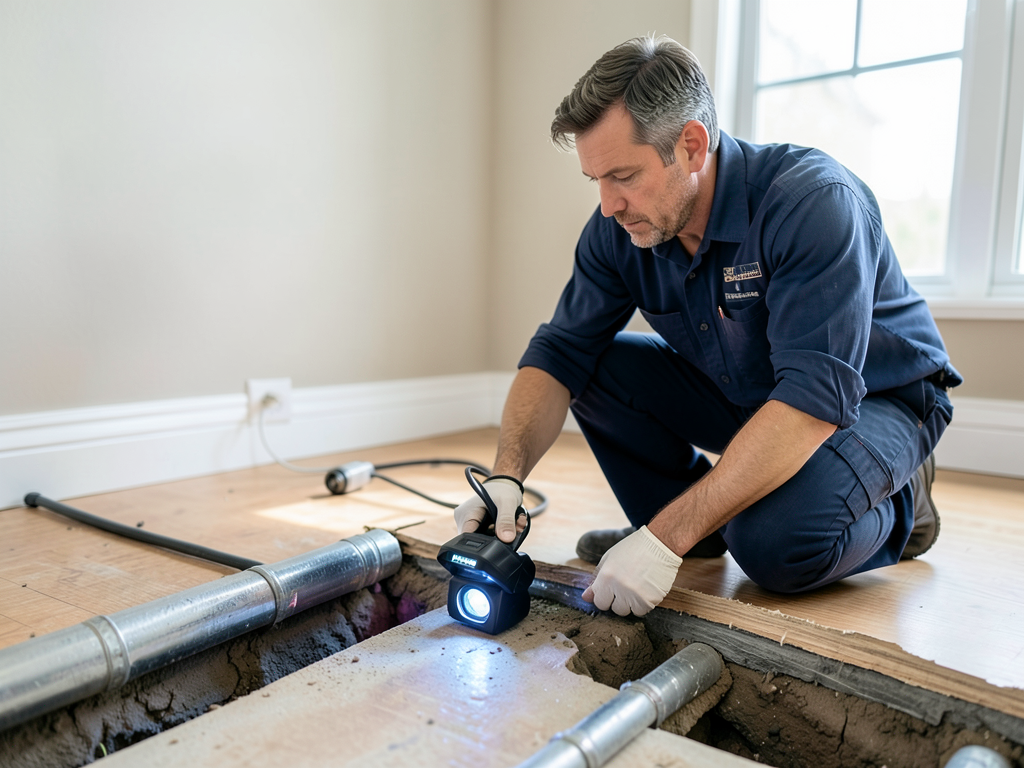
First, we shut down the system and inspect the indoor coil, blower assembly, and refrigerant lines. We measure static pressure across the ductwork to detect airflow restrictions. High static pressure means crushed ducts, undersized returns, or a failing blower motor. We check the filter, the evaporator fins for dirt buildup, and the drain pan for clogs. A blocked condensate line raises humidity inside the air handler and accelerates icing.

Next, we test refrigerant charge using manifold gauges and superheat calculations. Low refrigerant from a leak causes the evaporator to run too cold. We find the leak with electronic detection or nitrogen pressure testing, then vacuum the system and recharge to manufacturer specs. If the expansion valve or metering device is stuck, we replace it.

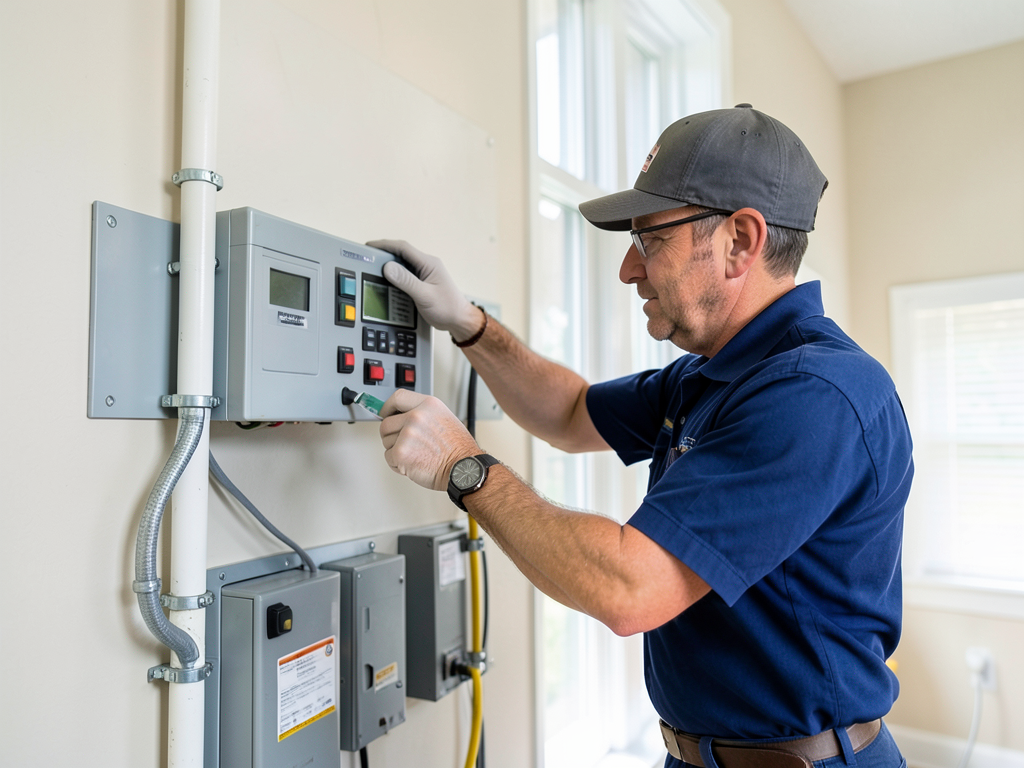
We also inspect the blower motor and capacitor. A weak capacitor reduces motor speed, cutting airflow and freezing the coil. We measure amp draw and capacitance, then replace failing components before they strand you in another heatwave.

For AC evaporator coil icing repair, we clean the coil with approved coil cleaner and verify fin spacing. Crushed fins block airflow just like a dirty filter. We straighten fins with a fin comb and confirm unrestricted air movement before restarting the system. Then we monitor suction pressure and return air temperature to confirm proper operation.

What Happens During Your Emergency Coil Repair Call

Frozen AC Coil Repair in Kansas City – Emergency Service Within 60 Minutes
01

Rapid Dispatch and Assessment

You call our emergency line and we dispatch a certified technician to your location within 60 minutes. We arrive with diagnostic tools, refrigerant, and common repair parts. The technician inspects the frozen coil, measures system pressures, and tests airflow to identify whether the freeze is caused by low refrigerant, restricted airflow, or a mechanical failure. You get a clear explanation of the problem before any work begins.
02

System Diagnosis and Repair

We shut down the system to safely thaw the coil, then run pressure tests and airflow measurements. If we find a refrigerant leak, we locate it and repair it. If the blower motor or capacitor is weak, we replace it. If the coil is clogged with dirt, we clean it and restore airflow. We address the root cause so the coil does not refreeze. This is not a bandaid fix.
03

Testing and Verification

After repairs, we restart the system and monitor suction pressure, superheat, and return air temperature for 15 to 20 minutes. We verify the coil stays dry, airflow is strong, and the system cools correctly. You see the difference immediately. We document the repair, explain what we fixed, and give you maintenance tips to prevent future icing. Your AC is back online and running efficiently.

Why Kansas City Homeowners Trust United HVAC for Coil Icing Repairs

Kansas City's HVAC challenges are specific. Humid summers, clay soil foundation shifts, and aging ductwork in pre-1980 homes create airflow and refrigerant problems that generic service calls miss. United HVAC Kansas City has been repairing iced up air conditioner systems across Jackson County, Johnson County, and Wyandotte County for years. We know how Brookside bungalows settle, how ductwork in Prairie Village gets crushed in crawlspaces, and how humidity in Westport condos accelerates coil fouling.

We do not send undertrained technicians with a pressure gauge and a prayer. Our team is EPA-certified for refrigerant handling and trained on variable-speed blower diagnostics, TXV replacement, and duct static pressure testing. We carry refrigerant, capacitors, contactors, and TXVs on every truck so we can complete most repairs in one visit.

We also understand that a frozen coil in July is an emergency. You are not calling because you are curious. You are calling because your house is 85 degrees and climbing. We prioritize emergency calls and dispatch within an hour. No appointment windows, no waiting until next Tuesday.

Local companies know local problems. We have seen the clay soil movement that crushes flex duct in Lenexa. We have repaired refrigerant leaks in corroded linesets on homes near the Missouri River. We have cleaned coils caked with cottonwood pollen in Parkville. This is not textbook HVAC. This is real-world problem solving for Kansas City conditions.

You also get transparent pricing. We diagnose the issue, explain the repair, and give you a flat price before we start. No surprise charges, no upselling.

What You Can Expect From Our Frozen Coil Repair Service

Emergency Response Time

We dispatch a certified technician to your location within 60 minutes of your call during business hours. Evening and weekend calls get same-day or next-morning service depending on availability. We do not make you wait three days in the heat. Our trucks carry diagnostic equipment and common repair parts so we can complete most frozen coil repairs in a single visit. You get cooling restored fast, not eventually.

Comprehensive System Diagnosis

We do not guess. We measure refrigerant pressures, test airflow with a manometer, inspect the blower assembly, and check the condensate drain. We use leak detection tools to find refrigerant leaks and thermal imaging to spot airflow blockages. The diagnosis takes 20 to 30 minutes and identifies the exact cause of the freeze. You get a clear explanation of what failed, why it failed, and what it takes to fix it before we start the repair.

Complete Repair and Verification

After we repair the refrigerant leak, replace the failing part, or clean the clogged coil, we restart the system and monitor it for 15 to 20 minutes. We verify suction pressure, superheat, airflow, and temperature drop to confirm the system is cooling correctly. We do not leave until the AC is running right. You get documentation of the repair and a clear explanation of what we fixed so you understand what happened and how to prevent it.

Maintenance Recommendations and Follow-Up

We give you actionable maintenance advice to prevent future coil icing. This includes filter change intervals, coil cleaning schedules, and signs of refrigerant leaks or airflow problems. If your system is older or showing signs of wear, we explain what to watch for and when to consider replacement. We do not push unnecessary services, but we will not leave you guessing about the health of your system. You get honest advice based on what we see.

Frequently Asked Questions

You Have Questions,
We Have Answers

How do you fix a frozen AC coil? +

Turn off your AC system immediately to prevent compressor damage. Switch the thermostat to OFF and the fan to ON to circulate warm air over the coils. Let ice melt completely, which takes 1 to 8 hours depending on buildup. Do not scrape ice. Once thawed, check your air filter and replace if dirty. Inspect vents for blockages. If freezing returns after restarting, you need a professional to check refrigerant levels, clean coils, or diagnose airflow problems. Kansas City's summer humidity makes frozen coils a common emergency that requires fast attention.

Can an air conditioner coil be repaired? +

Yes, but repair depends on damage severity. Small refrigerant leaks can be sealed and recharged. Bent fins can be straightened with a fin comb. Minor corrosion may be cleanable. However, Kansas City's high humidity accelerates corrosion on evaporator coils, and punctured or heavily corroded coils usually require replacement. Patch repairs on coils rarely last long. A technician will pressure test the coil to find leaks and assess metal integrity. If the coil is over 10 years old or has multiple leak points, replacement is more reliable than repeated repairs.

What would cause a coil to freeze up? +

Restricted airflow is the main culprit. A clogged air filter blocks warm air from reaching the coil, causing condensation to freeze. Dirty evaporator coils trap moisture. Closed or blocked supply vents reduce circulation. Low refrigerant from a leak drops coil temperature below freezing. A failing blower motor or incorrect fan speed limits airflow. In Kansas City's humid climate, drainage issues can also contribute. Oversized AC units that short cycle prevent proper dehumidification, creating freeze conditions. Each issue starves the coil of heat needed to prevent ice buildup.

Is it normal for AC coils to freeze in winter? +

No. AC systems should not run when outdoor temperatures drop below 60 degrees. Running AC in winter forces the refrigerant to operate outside design parameters, causing the evaporator coil to freeze instantly. Kansas City winters make this worse. If you see ice on coils during cold months, someone ran cooling mode by mistake, or the thermostat malfunctioned. Heat pumps in heating mode can experience outdoor coil freezing, but that is a separate issue requiring defrost cycles. Never run standard AC during Kansas City's freeze-thaw winter cycles.

What is the 3 minute rule for AC? +

Wait three minutes between thermostat adjustments to protect the compressor. When you shut off your AC and immediately restart it, refrigerant pressure has not equalized between the high and low sides. The compressor struggles to start against this pressure imbalance, risking internal damage or electrical overload. This delay is critical after a frozen coil repair. Give your system time to stabilize. Kansas City's temperature swings tempt homeowners to constantly adjust settings. Resist that urge. Three minutes lets pressures balance and prevents emergency breakdowns during peak cooling season.

How do you defrost AC coils fast? +

Turn off cooling mode and switch the fan to ON at the thermostat. This circulates warm indoor air over the ice without adding refrigerant. Open cabinet access panels if safe to improve airflow. Position fans to blow room temperature air toward the coil. Never use heat guns, hair dryers, or scrapers. These damage fins and refrigerant lines. In Kansas City's humid air, expect 2 to 4 hours for moderate ice and up to 8 hours for heavy buildup. Place towels under the unit to catch meltwater. Rushing defrost causes more damage than waiting.

What is the $5000 rule for AC? +

This is an HVAC industry guideline for replacement decisions. If repair costs exceed $5,000 and your system is over 10 years old, replacement often makes more financial sense than fixing the existing unit. For frozen coil issues, this applies when the evaporator coil needs replacement and the condenser coil or compressor also shows wear. Kansas City's humidity and temperature extremes age HVAC systems faster. Add up the repair estimate, factor in your unit's age and efficiency, and compare against new system pricing. Technicians use this rule to give honest replacement advice.

What causes an AC unit to freeze up? +

Blocked airflow tops the list. Dirty filters, clogged coils, closed vents, and duct obstructions prevent warm air from reaching the evaporator. Low refrigerant from leaks drops pressure and temperature inside the coil. Blower motor failure stops air circulation entirely. Refrigerant overcharge can also cause freezing. Kansas City's clay soil shifts foundations, crimping refrigerant lines over time. Undersized ductwork or incorrect blower speed from poor installation creates chronic freezing. Each cause requires specific diagnosis. Ice is the symptom, not the root problem. Fix the airflow or refrigerant issue to stop repeat freezing.

Is it better to repair or replace AC coils? +

Replace coils if they are over 12 years old, heavily corroded, or leaking refrigerant in multiple spots. Repair makes sense for minor fin damage, single small leaks, or cleaning needs. Kansas City's humidity corrodes coils faster than dry climates. If your AC uses R-22 refrigerant, replacement is smarter since R-22 is phased out and expensive. Match coil replacement with overall system age. Putting a new coil in a 15-year-old system wastes money. Repair if the rest of your system has 5-plus years left. Replace everything if near end of life.

How long does it take an AC coil to unfreeze? +

Plan for 1 to 8 hours depending on ice thickness. Light frost takes 1 to 2 hours with the fan running. Moderate buildup needs 3 to 4 hours. Heavy ice encasing the entire coil requires 6 to 8 hours. Kansas City's humidity slows evaporation of meltwater, extending defrost time. Never restart your AC until ice disappears completely and the coil drip pan drains dry. Running the system with residual ice refreezes instantly and damages the compressor. Patience prevents a second emergency call. Use defrost time to replace filters and check vents.

How Kansas City's Humidity and Clay Soil Cause AC Coil Icing

Kansas City's summer humidity sits between 60 and 80 percent, which accelerates condensation on evaporator coils. When airflow drops due to a clogged filter or restricted duct, that condensation freezes instead of draining. Clay soil common in older neighborhoods like Hyde Park and Midtown shifts over time, crushing flexible ductwork in crawlspaces and attics. Crushed ducts restrict airflow, drop coil temperature, and cause ice buildup. Emergency AC freeze up repair in Kansas City requires understanding how soil movement and humidity interact with HVAC systems. Fixing frozen air conditioner coils here is not the same as fixing them in Denver or Phoenix.

United HVAC Kansas City operates across the metro and understands local building codes, duct installation practices, and the unique challenges of maintaining HVAC systems in humid climates with unstable soil. We have repaired iced up air conditioner systems in homes from the 1920s to new construction in Lenexa and Olathe. Local expertise matters when diagnosing coil icing because we recognize patterns that out-of-town companies miss. AC evaporator coil icing repair requires both technical skill and local knowledge. You get both when you call us.

HVAC Services in The Kansas City Area

View our service area and business location on the map below. We are proud to serve the entire Kansas City metro area, providing expert heating and cooling services to both residential and commercial clients. If you need a reliable HVAC partner, we are conveniently located to respond quickly to your needs, ensuring your indoor comfort is always our top priority.

Address:
United HVAC Kansas City, 1425 Agnes Ave, Kansas City, MO, 64127

Additional Services We Offer

Our news updates

Latest Articles & News from The Blogs

Comparing Mitsubishi and Daikin ductless systems for local homes When Kansas City homeowners face the decision between Mitsubishi and Daikin…

Comparing Mitsubishi and Daikin ductless systems for local homes

Comparing Mitsubishi and Daikin ductless systems for local homes When Kansas City homeowners face the decision between Mitsubishi and Daikin…

Protecting your piano and acoustic guitars from Kansas City humidity swings

Protecting Your Piano and Acoustic Guitars from Kansas City Humidity Swings\n\nYour musical instruments are more than just objects. They are…

Specialized Climate Control Tips for Indoor Gardeners and Hobbyists in the West Bottoms

Specialized Climate Control Tips for Indoor Gardeners and Hobbyists in the West Bottoms The West Bottoms industrial district faces unique…

Contact Us

Call United HVAC Kansas City now at (816) 473-9177 for emergency frozen coil repair. We dispatch fast, diagnose accurately, and restore cooling the same day. Do not wait for the coil to refreeze or the compressor to fail. Get it fixed right now.