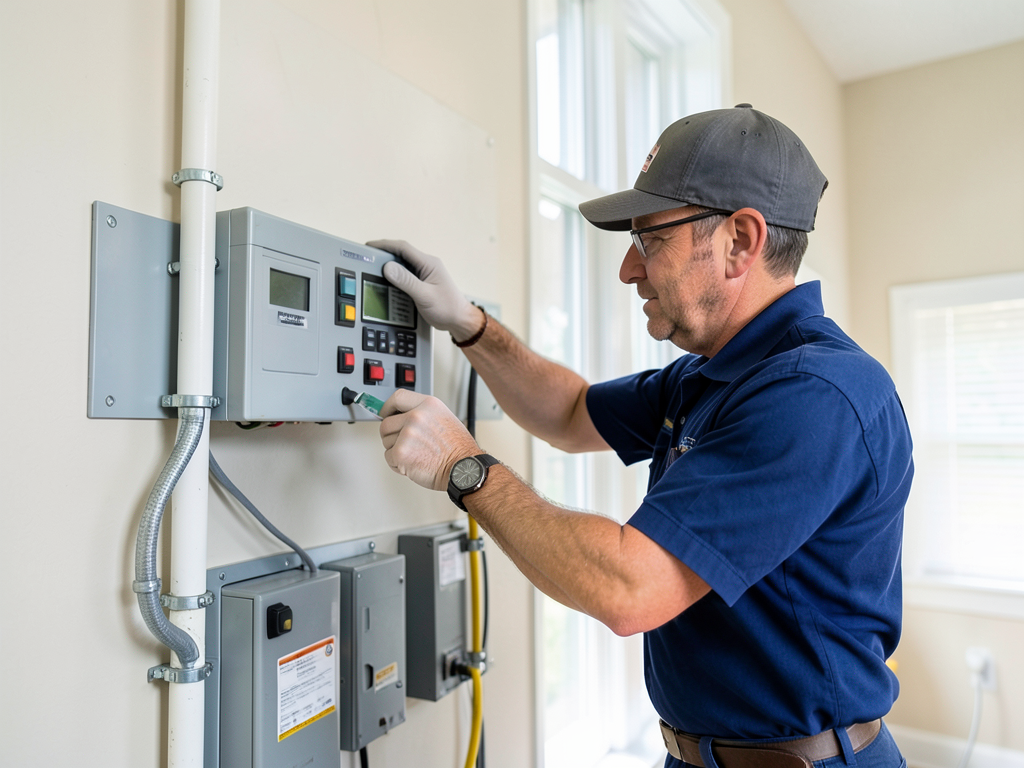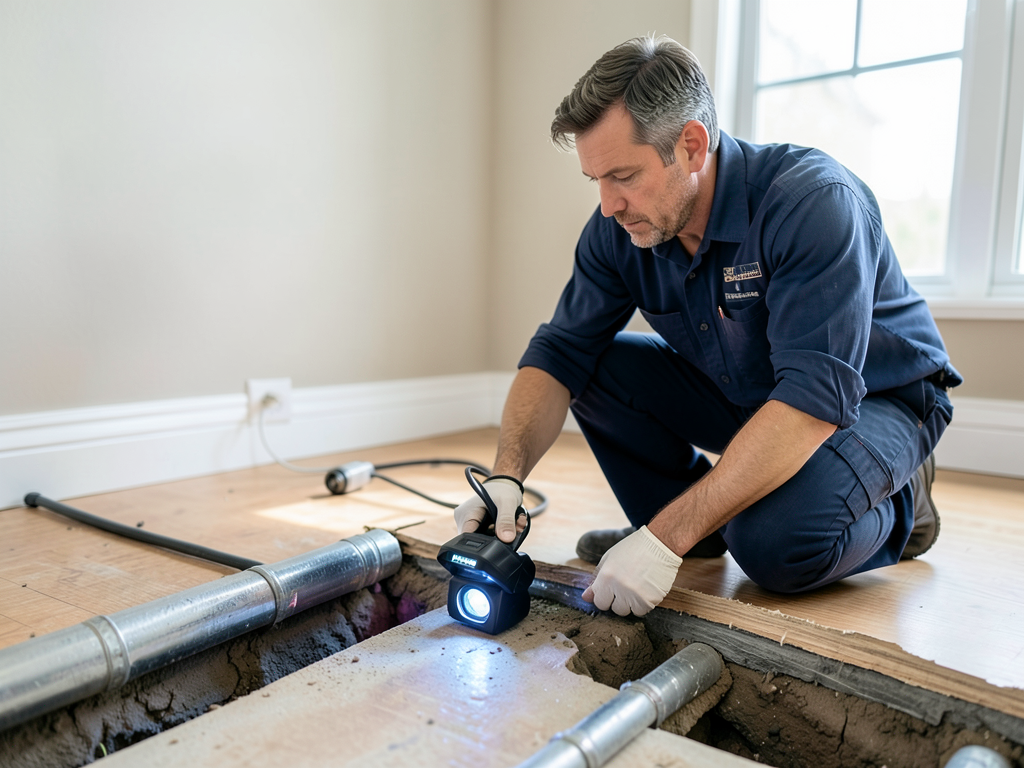







Kansas City experiences more than 40 inches of annual precipitation combined with temperature swings from below zero to above 100 degrees. This climate extreme causes building materials to expand and contract repeatedly, creating gaps in window frames, door thresholds, and foundation penetrations. These gaps allow unfiltered outdoor air to enter your home continuously. Spring winds carry agricultural dust and pollen from surrounding farmland directly into the metro area. Summer thunderstorms deposit fine particulate matter on roofs and siding, which then migrates indoors through ventilation openings and HVAC fresh air intakes. Homes near major highways like I-435 and I-70 face additional particulate loads from vehicle emissions and road dust. Kansas City's geological composition also contributes to dust problems. The native clay soil generates fine dust particles during dry periods, and construction activity across the growing metro area releases additional soil particulates into the air. Your HVAC system must filter all of these contaminants, and any mechanical failure allows them to accumulate indoors.
United HVAC Kansas City has served the metro area for years, diagnosing dust problems in neighborhoods from Northland to South Kansas City. We understand the specific challenges facing older homes in areas like Midtown and Westport, where original ductwork predates modern sealing standards. We also work extensively in newer developments in Olathe and Overland Park, where builder-grade ductwork often fails to meet homeowner expectations for air quality. Our technicians are familiar with local mechanical codes and inspection requirements, ensuring every repair meets city and county standards. When you choose a local HVAC company with deep roots in Kansas City, you get technicians who understand your home's specific challenges and know how to fix them correctly the first time.