




Menu

Air Purification Systems in Kansas City – Whole-House Solutions That Target Allergens, VOCs, and Midwest Humidity

We install central air cleaners and air filtration systems designed for Kansas City's unique allergen load, seasonal mold spikes, and high indoor humidity that conventional filters miss.

Slider Image 1
Slider Image 2
Slider Image 3
Slider Image 4
Slider Image 5
Slider Image 7
Slider Image 8
Slider Image 9
Slider Image 10
Slider Image 11

Why Kansas City Homes Need More Than a Standard HVAC Filter

Kansas City's climate creates a perfect storm for indoor air quality problems. Spring and fall bring ragweed, oak, and sycamore pollen that floods neighborhoods from Brookside to Waldo. Summer humidity hovers between 60 and 80 percent, feeding mold growth in ductwork and behind drywall. Winter means sealed homes with trapped VOCs from furniture, cleaning products, and gas appliances.

Your standard one-inch pleated filter catches less than 20 percent of airborne particles. It does nothing for mold spores, pet dander under two microns, or chemical off-gassing. You change it monthly, but your family still sneezes, your asthma flares, and dust reappears on furniture within days.

Whole-house air purifiers and central air cleaners solve this. These systems integrate directly into your existing HVAC ductwork, treating every cubic foot of air that circulates through your home. HEPA-grade filtration captures particles down to 0.3 microns. UV-C germicidal lights kill mold and bacteria before they spread. Carbon filters neutralize odors and volatile organic compounds.

Kansas City's clay soil and older housing stock add another layer. Homes built before 1980 often have poorly sealed ducts, pulling in attic dust and crawl space moisture. Newer construction in Overland Park and Lenexa is tighter, which traps pollutants inside. Air cleaning systems address both scenarios. You get consistent filtration without the guesswork of portable units that only treat one room.

If you notice dust on vents within a week of cleaning, wake up congested, or smell mustiness during humid months, your home needs more than a basic filter. Air filtration systems provide the solution.

Why Kansas City Homes Need More Than a Standard HVAC Filter
How We Engineer Air Purification Systems for Kansas City Homes

How We Engineer Air Purification Systems for Kansas City Homes

We do not sell one-size-fits-all boxes. Every installation starts with airflow calculation and duct inspection. We measure your home's cubic footage, map your ductwork layout, and test static pressure at supply and return plenums. This tells us whether your system can handle a media filter cabinet or needs a bypass setup to avoid choking airflow.

For homes with significant allergen sensitivity, we install MERV 13 or MERV 16 media filters. These accordion-style filters offer 10 to 20 times more surface area than a standard filter, trapping pollen, mold spores, and fine dust without restricting airflow. We mount them in a dedicated cabinet on the return plenum, making annual replacement simple.

If mold or bacteria is a concern, we add UV-C germicidal lamps inside the air handler. These lamps emit shortwave ultraviolet light that destroys microbial DNA as air passes through. Homes near Brush Creek or the Missouri River, where humidity stays elevated, benefit significantly from this layer of protection.

For chemical sensitivity or pet odors, we integrate activated carbon cells. These honeycomb structures absorb formaldehyde, ammonia, and other VOCs that standard filters miss. We position them downstream of the media filter so particulates do not clog the carbon prematurely.

We seal all duct connections with mastic, not tape. We verify the system maintains negative pressure at the return to prevent bypass. We program your thermostat to run the blower in circulation mode during high pollen days, so the air cleaning system works even when heating or cooling is not needed.

United HVAC Kansas City technicians install air purification systems that match your home's architecture and your family's health priorities. You get measurable results, not marketing promises.

What Happens During Your Air Purification System Installation

Air Purification Systems in Kansas City – Whole-House Solutions That Target Allergens, VOCs, and Midwest Humidity
01

Duct and Airflow Assessment

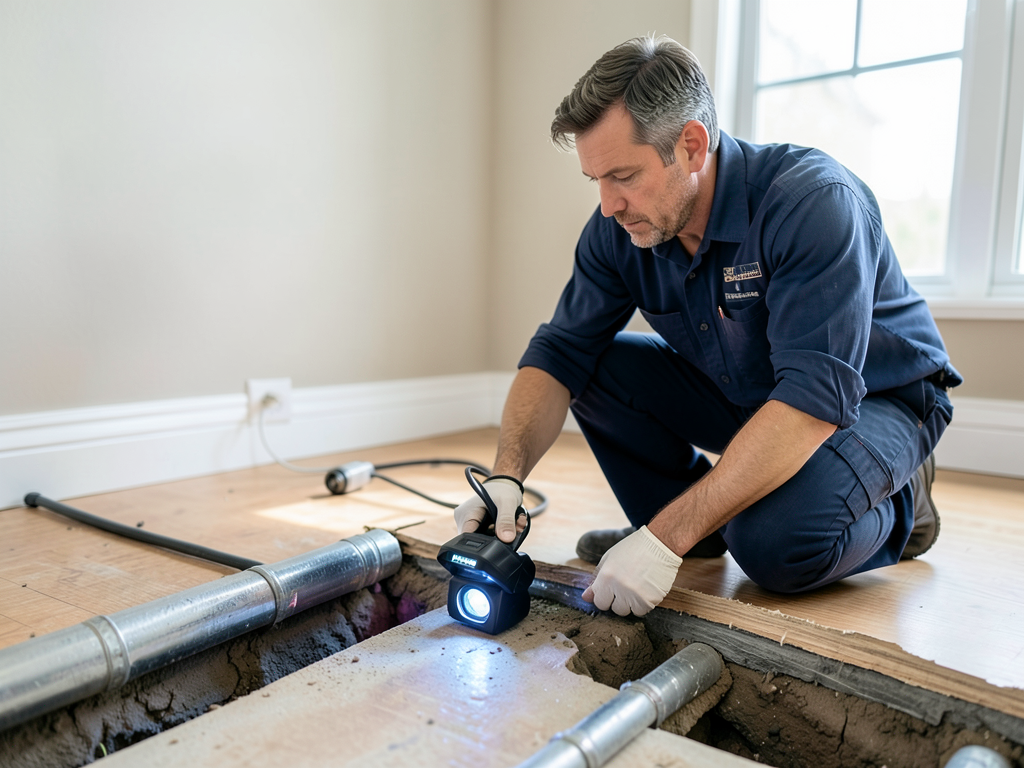
We inspect your ductwork for leaks, measure static pressure, and calculate airflow capacity. This determines which filtration technology your system can support without reducing efficiency. We photograph problem areas and map your return plenum access points. You get a clear recommendation based on data, not guesswork about what your HVAC can handle.
02

System Integration and Mounting

We cut and fit the media filter cabinet or UV-C housing directly into your return duct or air handler. All connections are sealed with mastic to prevent air bypass. If you have a zoned system, we position the purifier upstream so every zone receives treated air. We wire UV lamps to your blower circuit so they activate automatically during system operation.
03

Testing and Airflow Verification

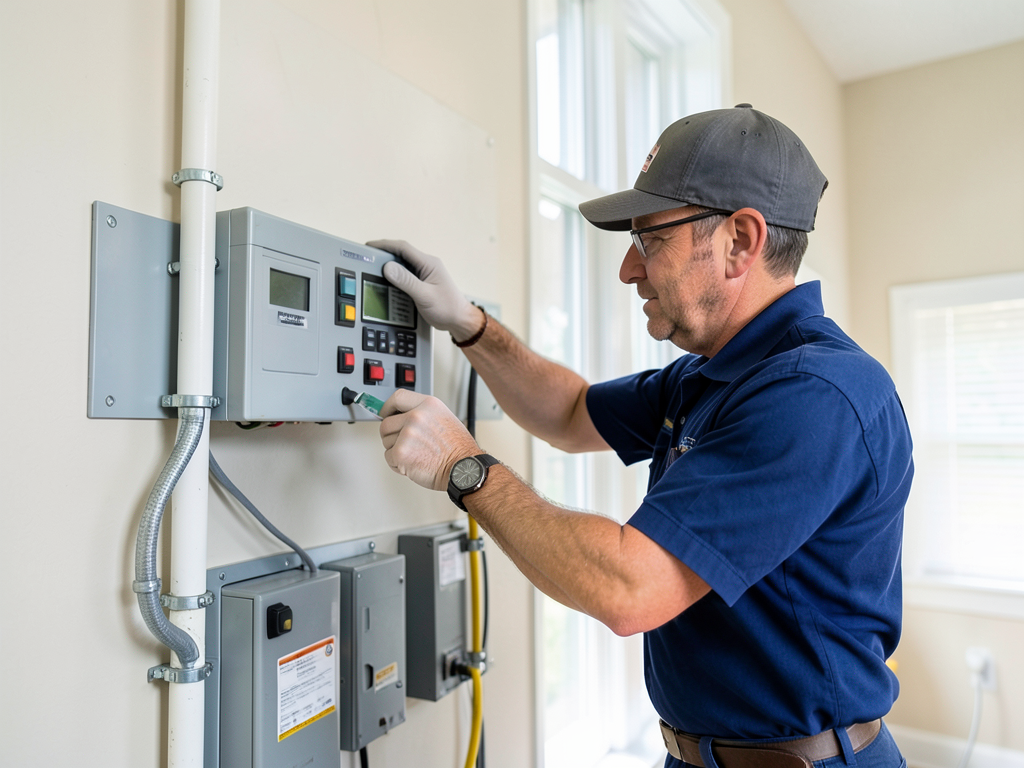
We power up your system and measure airflow at each register. We confirm static pressure stays within manufacturer specs to avoid strain on your blower motor. You see the difference in vent output and air clarity within the first cycle. We program your thermostat for optimal circulation and show you how to check filter status and schedule replacement reminders.

Why Kansas City Homeowners Trust United HVAC for Air Cleaning Systems

We have installed air filtration systems in homes from Westport to Blue Springs for over a decade. We understand how Kansas City's seasonal pollen peaks, summer humidity, and winter dryness affect indoor air quality. We know which central air cleaners perform in older homes with smaller ductwork and which whole-house air purifiers suit new construction with high-efficiency HVAC systems.

Our technicians hold NATE certifications in air quality and ventilation. We do not recommend equipment that exceeds your system's capacity or creates pressure imbalances. We measure, calculate, and verify before installation. You avoid the common mistakes that lead to reduced airflow, frozen coils, or premature blower motor failure.

We install products from Aprilaire, Lennox, and Honeywell because they offer replaceable components and long service lives. We do not push proprietary systems that lock you into expensive subscription filters. When your media filter needs replacement in 12 months, you can order it online or call us for service. No surprises.

Kansas City homes face unique challenges. Neighborhoods near Swope Park see higher tree pollen. Homes in the West Bottoms or near industrial zones contend with fine particulate from railyards and concrete plants. We tailor air purification solutions to your zip code and your home's exposure.

We also understand local building codes. Kansas City does not require duct sealing or filtration upgrades during HVAC replacement, but we recommend both to maximize system efficiency and indoor air quality. We pull permits when needed and coordinate inspections so your installation meets all mechanical code requirements.

You get a system that works in Kansas City's climate, installed by technicians who know this market. That is why families call us when generic solutions fail.

What to Expect When You Invest in an Air Purification System

Installation Timing and Scheduling

Most whole-house air purifier installations take three to five hours. We schedule based on your availability and arrive with all necessary equipment. If your ductwork requires modification or your air handler needs electrical upgrades, we identify those needs during the assessment and provide a clear timeline. We complete the work in one visit unless structural access issues require coordination with other trades. You get a firm appointment window and a phone call when we are 30 minutes out.

In-Home Air Quality Assessment

We start with a walk-through to identify concerns like pet dander zones, kitchen odors, or visible mold. We inspect your current filter and ductwork condition. We measure static pressure and airflow at the air handler to confirm your system can support advanced filtration. If you have allergy or asthma triggers, we discuss whether HEPA media filters, UV-C lamps, or carbon cells provide the best solution. You leave the consultation with a written recommendation and a clear explanation of how each technology addresses your specific air quality problems.

Cleaner Air and Measurable Results

You notice the difference within the first week. Dust accumulation slows. Pet odors fade. Family members with allergies report fewer symptoms during pollen season. Your HVAC system runs more efficiently because the blower motor no longer fights against a clogged standard filter. You spend less time dusting and vacuuming. If you install a UV-C lamp, you see reduced mold growth on coils and in drain pans during summer months. The air feels lighter and smells neutral. You gain control over your indoor environment instead of reacting to seasonal allergen spikes.

Maintenance and Filter Replacement

Media filters last six to 12 months depending on your home's dust load and system runtime. We provide a replacement schedule and source information so you can order filters directly or schedule service calls. UV-C lamps last 12 to 18 months before intensity drops below effective germicidal levels. We offer annual maintenance plans that include filter replacement, lamp inspection, and airflow testing. You receive reminders before service is due. All installations include a one-year labor warranty. Equipment warranties vary by manufacturer but typically cover components for three to five years. We handle all warranty claims directly.

Frequently Asked Questions

You Have Questions,
We Have Answers

What is the best home air purifying system? +

The best home air purifying system depends on your specific needs. Whole-home systems integrated with your HVAC offer comprehensive filtration throughout Kansas City homes, addressing allergens from cottonwood trees, ragweed, and mold spores common in our humid summers. HEPA filters remove 99.97% of particles, while UV purifiers target bacteria and viruses. Portable units work for single rooms but lack coverage. In Kansas City's variable climate, systems with activated carbon filters help control odors from humidity and seasonal allergen loads. Consider room size, allergy severity, and whether you need whole-home or targeted purification.

Is there a downside to air purifiers? +

Air purifiers have minor downsides you should consider. They require regular filter replacements, typically every 3-6 months depending on Kansas City's pollen and dust levels. Units produce low-level noise that may bother light sleepers. Ozone generators, once marketed as purifiers, can irritate lungs and worsen asthma. Some models dry indoor air, which can be uncomfortable during Kansas City's already dry winter months. Initial costs and ongoing electricity use add to your utility bills. However, these downsides are minimal compared to breathing cleaner air, especially for allergy sufferers dealing with Midwest pollen seasons.

Do air purifying machines really work? +

Air purifying machines work when properly sized and maintained. HEPA filters trap microscopic particles including pollen, pet dander, dust mites, and mold spores that plague Kansas City homes, especially during spring and fall allergy seasons. Clinical studies confirm they reduce airborne allergens by 50-90% in treated spaces. They cannot eliminate odors without activated carbon filters or remove particles already settled on surfaces. Effectiveness depends on room size, air exchange rate, and filter quality. In Kansas City's high-humidity environment, purifiers help control mold spores and dust mite populations that thrive in our climate.

What is an air purification system? +

An air purification system removes contaminants from indoor air through mechanical or electronic filtration. Whole-home systems integrate with your existing HVAC ductwork, filtering air as it circulates throughout your Kansas City home. They capture particles like pollen, dust, pet dander, mold spores, and bacteria. Common technologies include HEPA filters that trap microscopic particles, activated carbon for odors and gases, and UV lights that kill airborne pathogens. Portable units treat single rooms. These systems address indoor air quality issues worsened by Kansas City's sealed homes during temperature extremes and seasonal allergen loads.

What to avoid when buying an air purifier? +

Avoid air purifiers that generate ozone, which irritates lungs and worsens respiratory conditions. Skip models undersized for your space because they cannot cycle room air effectively in Kansas City's larger ranch-style homes. Avoid units without true HEPA filters, as cheaper alternatives capture fewer particles. Watch for high ongoing costs from proprietary filters. Steer clear of purifiers without CADR ratings, which measure actual cleaning performance. Avoid ionic purifiers that produce ozone as a byproduct. Finally, skip models without activated carbon if you need odor control during Kansas City's humid summers when mustiness becomes an issue.

Which air purifier do doctors recommend? +

Doctors recommend air purifiers with true HEPA filtration that captures 99.97% of particles 0.3 microns or larger. Medical professionals favor units certified by AHAM with appropriate CADR ratings for room size. They suggest models combining HEPA filters with activated carbon for comprehensive removal of allergens and irritants. For Kansas City patients dealing with seasonal allergies from ragweed and cottonwood, doctors recommend whole-home systems integrated with HVAC for consistent filtration. They advise against ozone generators and ionic purifiers. Specific brand recommendations vary, but the focus remains on proven HEPA technology and proper sizing for your space.

What are signs you need an air purifier? +

You need an air purifier if you experience frequent sneezing, congestion, or itchy eyes indoors, especially during Kansas City's brutal spring and fall pollen seasons. Visible dust accumulation despite regular cleaning signals poor air quality. Pet owners notice reduced dander symptoms with purification. If you smell mustiness during our humid summers, airborne mold spores may be circulating. Asthma or allergy flare-ups that improve when you leave home indicate indoor air quality issues. Homes near high-traffic areas in Kansas City accumulate more particulate matter. Frequent respiratory infections or morning congestion also suggest you would benefit from cleaner air.

Is it okay to sleep with an air purifier on all night? +

Sleeping with an air purifier on all night is safe and beneficial for most people. Continuous operation maintains consistent air quality, removing allergens that accumulate overnight in Kansas City bedrooms. The white noise can improve sleep quality for some users. Modern purifiers use minimal electricity and are designed for 24-hour operation. Position the unit away from your bed if noise bothers you. Change filters regularly to prevent reduced efficiency. People with extreme noise sensitivity may prefer units with sleep modes that reduce fan speed. Running purifiers continuously provides better results than intermittent use, especially during high pollen days.

Is an air purifier good for your lungs? +

Air purifiers benefit your lungs by removing irritants and allergens that trigger inflammation and breathing difficulties. HEPA filters capture pollen, mold spores, pet dander, and dust mites that worsen asthma and allergies common among Kansas City residents. Reducing these airborne particles decreases respiratory irritation and can improve lung function over time. They help people with COPD, asthma, and allergies breathe easier indoors. Purifiers with UV technology also kill airborne bacteria and viruses. However, they cannot cure lung conditions or replace medical treatment. They work best as part of comprehensive respiratory health management during our challenging allergy seasons.

Where is the best place to put an air purifier in your home? +

Place air purifiers where you spend the most time, typically bedrooms and living areas in Kansas City homes. Position units 6-12 inches from walls for proper airflow and avoid corners where air circulation stagnates. Keep them away from curtains and furniture that block intake vents. Bedrooms benefit most because you spend 8 hours breathing that air. Elevating units 3-5 feet captures more airborne particles before they settle. Avoid placing purifiers near windows during high pollen days or in humid bathrooms where moisture damages filters. Central locations in open floor plans maximize coverage throughout your Kansas City home.

How Kansas City's Ragweed Season and Missouri River Humidity Make Air Purification Systems Essential

Kansas City ranks in the top 20 U.S. cities for ragweed pollen counts every September. The Missouri River floodplain and surrounding prairies produce airborne allergens that infiltrate homes through windows, doors, and poorly sealed ductwork. Summer humidity averages 70 percent, creating ideal conditions for mold growth in HVAC systems and crawl spaces. Standard filters trap large particles but allow mold spores, pollen under 10 microns, and dust mite waste to circulate freely. Whole-house air purifiers and central air cleaners address these regional challenges by capturing fine particulates and neutralizing microbial growth before it spreads through your home's ventilation system.

United HVAC Kansas City understands the seasonal patterns and environmental factors that affect indoor air quality across Jackson, Clay, and Platte counties. We have installed air cleaning systems in historic homes in Hyde Park with galvanized ductwork and new builds in Lee's Summit with high-efficiency variable-speed air handlers. We know which products perform in Kansas City's climate and which fail under sustained humidity. We follow local mechanical codes and best practices for duct sealing and system integration. When you choose a local provider, you get technicians who recognize the allergen sources, humidity levels, and air quality challenges specific to your neighborhood.

HVAC Services in The Kansas City Area

View our service area and business location on the map below. We are proud to serve the entire Kansas City metro area, providing expert heating and cooling services to both residential and commercial clients. If you need a reliable HVAC partner, we are conveniently located to respond quickly to your needs, ensuring your indoor comfort is always our top priority.

Address:
United HVAC Kansas City, 1425 Agnes Ave, Kansas City, MO, 64127

Additional Services We Offer

Our news updates

Latest Articles & News from The Blogs

Comparing Mitsubishi and Daikin ductless systems for local homes When Kansas City homeowners face the decision between Mitsubishi and Daikin…

Comparing Mitsubishi and Daikin ductless systems for local homes

Comparing Mitsubishi and Daikin ductless systems for local homes When Kansas City homeowners face the decision between Mitsubishi and Daikin…

Protecting your piano and acoustic guitars from Kansas City humidity swings

Protecting Your Piano and Acoustic Guitars from Kansas City Humidity Swings\n\nYour musical instruments are more than just objects. They are…

Specialized Climate Control Tips for Indoor Gardeners and Hobbyists in the West Bottoms

Specialized Climate Control Tips for Indoor Gardeners and Hobbyists in the West Bottoms The West Bottoms industrial district faces unique…

Contact Us

Call United HVAC Kansas City at (816) 473-9177 to schedule your air quality assessment. We evaluate your home, recommend the right air purification system, and install it in one visit. Stop fighting dust and allergens. Take control of your indoor air today.