




Menu

Signs of Carbon Monoxide in Kansas City – Recognizing the Warning Signs That Could Save Your Life

Learn to identify carbon monoxide symptoms, understand the warning signs of a leak in your Kansas City home, and discover how to protect your family from this silent threat before it becomes a tragedy.

Slider Image 1
Slider Image 2
Slider Image 3
Slider Image 4
Slider Image 5
Slider Image 7
Slider Image 8
Slider Image 9
Slider Image 10
Slider Image 11

Why Carbon Monoxide Is a Hidden Threat in Kansas City Homes

Carbon monoxide is odorless, colorless, and completely undetectable without proper equipment. Every winter, Kansas City experiences temperature swings that push furnaces and boilers into overdrive. Older homes in neighborhoods like Brookside and Waldo often have aging HVAC systems that develop cracks in heat exchangers or venting issues. When combustion appliances malfunction, they release carbon monoxide into living spaces instead of exhausting it outside.

Carbon monoxide poisoning symptoms often mimic the flu. Headaches, dizziness, nausea, confusion, and fatigue are common indicators of carbon monoxide exposure. The difference is that symptoms worsen indoors and improve when you leave the house. High-level exposure causes chest pain, vomiting, loss of consciousness, and death.

Kansas City's housing stock includes many pre-1970 homes with outdated ductwork and venting systems. These older systems were not designed with modern safety standards. Add poor attic insulation and negative pressure from exhaust fans, and you create conditions that pull exhaust gases back into the home through backdrafting.

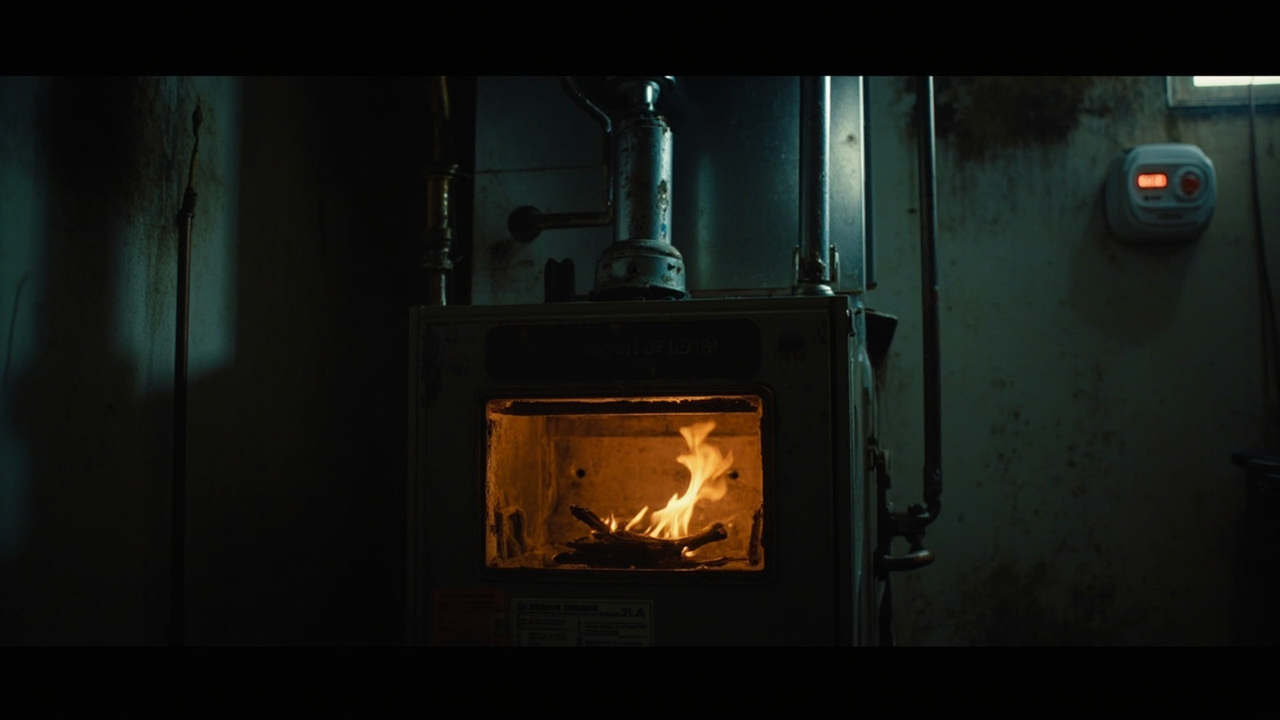
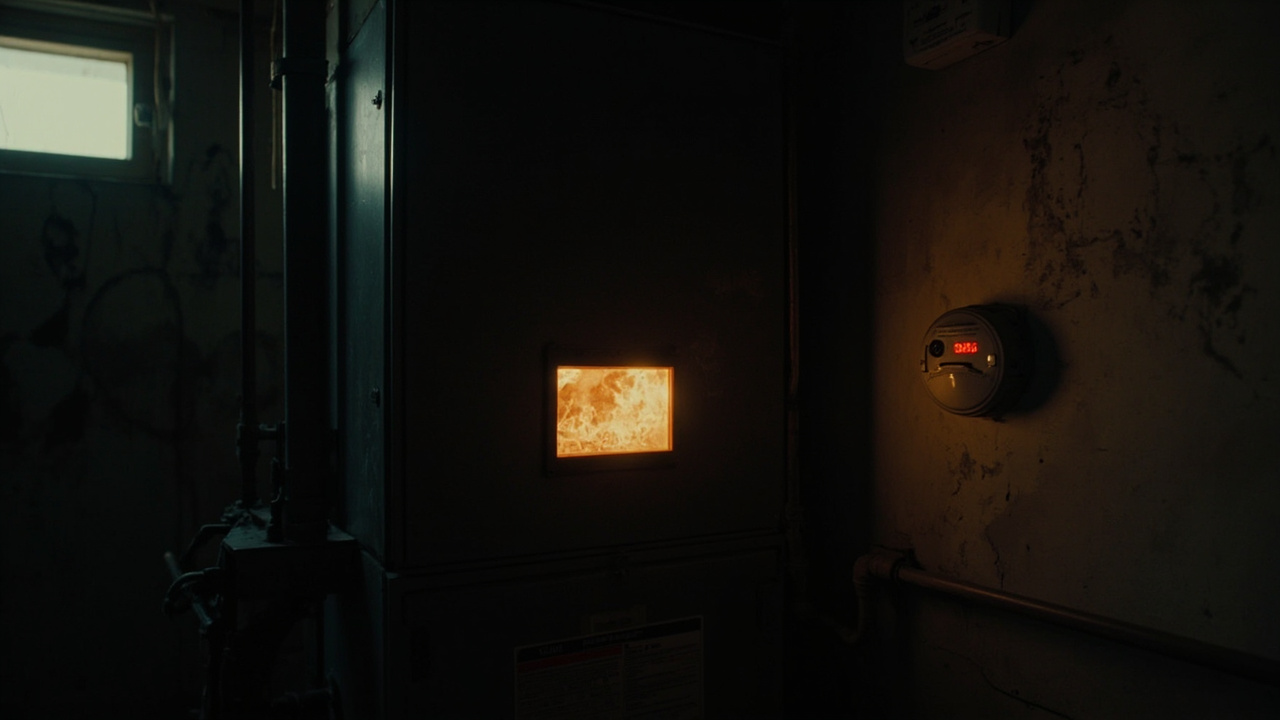
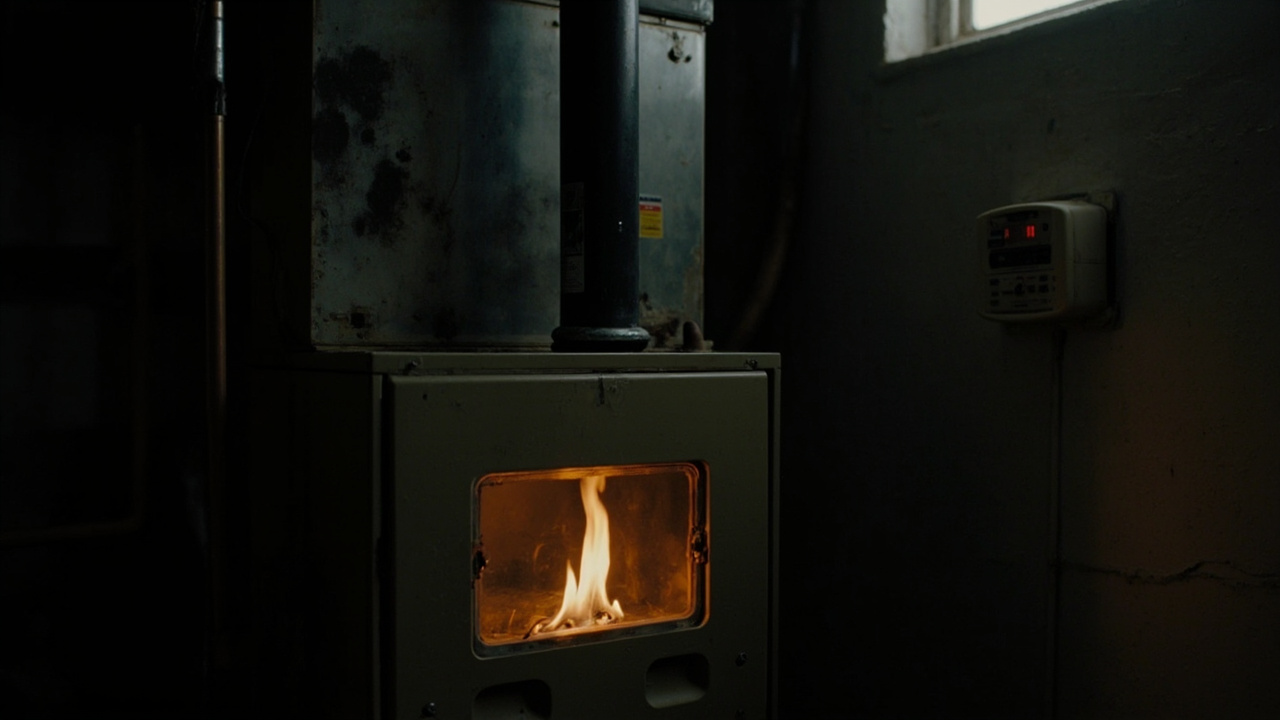
Signs of a carbon monoxide leak include yellow or orange flames instead of blue flames on your furnace, soot buildup around appliances, excessive condensation on windows, and pilot lights that frequently go out. You might notice stale or stuffy air, especially near furnace closets or water heater installations.

Carbon monoxide warning signs are not always obvious until exposure reaches dangerous levels. Pets often show symptoms first because their smaller body mass makes them more vulnerable. If your dog or cat becomes lethargic or disoriented without explanation, check your heating system immediately.

Why Carbon Monoxide Is a Hidden Threat in Kansas City Homes
How We Test for and Eliminate Carbon Monoxide Risks

How We Test for and Eliminate Carbon Monoxide Risks

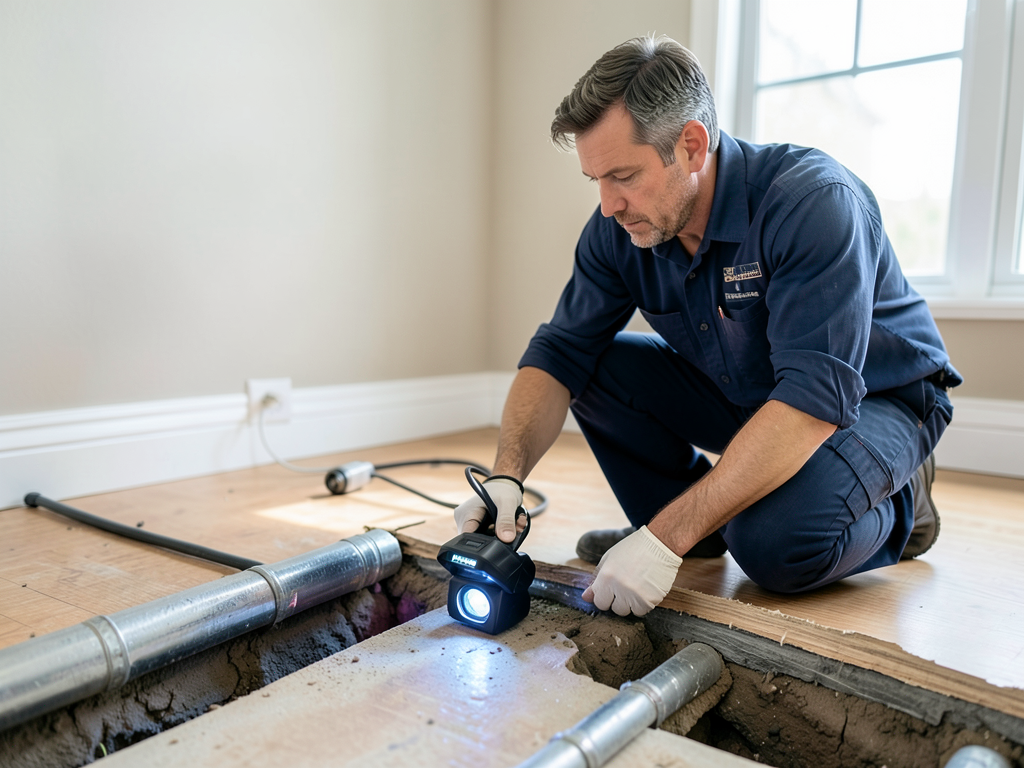
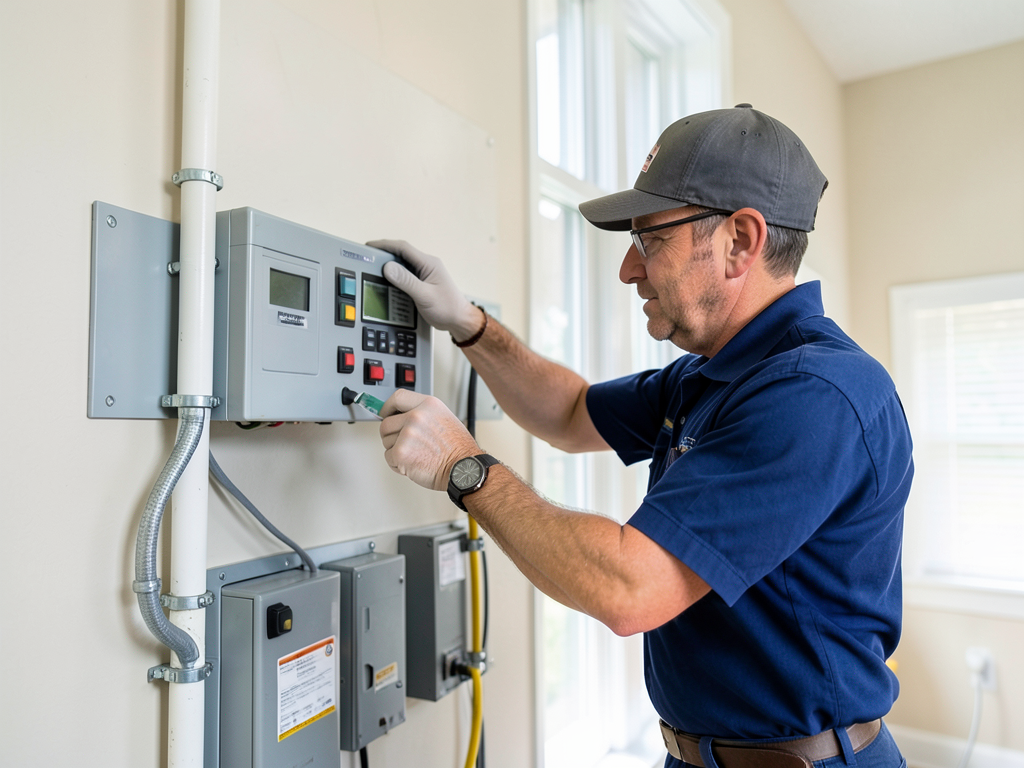
United HVAC Kansas City uses calibrated digital combustion analyzers to measure carbon monoxide levels in parts per million throughout your home. We test ambient air in living spaces, measure flue gas composition at exhaust outlets, and perform spillage tests on naturally vented appliances. This process reveals whether your furnace, water heater, or boiler is venting properly or releasing combustion byproducts into your home.

We inspect heat exchangers for cracks using visual inspection and pressure testing. A cracked heat exchanger allows carbon monoxide to mix with conditioned air that circulates through your ductwork. We examine vent pipes for corrosion, separation, or blockages that prevent exhaust from leaving your home. Birds nests, debris, and ice dams in Kansas City winters can obstruct venting and cause dangerous backdrafting.

Our technicians measure draft pressure to confirm negative pressure zones are not pulling exhaust gases back into your home. Kansas City homes with tight building envelopes and powerful exhaust fans can create negative pressure that overcomes natural draft venting. We test during actual operating conditions because carbon monoxide production changes based on airflow, fuel mixture, and burner condition.

We also evaluate combustion air supply. Furnaces and water heaters need adequate fresh air to burn fuel cleanly. Homes with sealed utility closets or inadequate makeup air often experience incomplete combustion, which produces carbon monoxide. We verify that combustion appliances have proper clearances and ventilation per Kansas City building codes.

After testing, we provide documentation showing carbon monoxide levels at each testing point. If we find elevated levels, we identify the source, explain the risk, and recommend corrections. We do not leave your home until the immediate threat is eliminated.

What Happens During a Carbon Monoxide Safety Inspection

Signs of Carbon Monoxide in Kansas City – Recognizing the Warning Signs That Could Save Your Life
01

Ambient Air Testing

We measure carbon monoxide levels in your living spaces, bedrooms, and utility areas using calibrated electronic detectors. This establishes baseline readings and identifies whether your home currently has elevated carbon monoxide levels. We document readings in parts per million and compare them to EPA safety thresholds. This initial testing tells us if you have an active leak requiring immediate attention or if we are conducting preventive evaluation.
02

Combustion System Analysis

We test each fuel-burning appliance individually. We measure flue gas composition, check draft pressure, and analyze combustion efficiency. We inspect heat exchangers, burners, and ignition systems for defects that produce carbon monoxide. We verify that vent pipes are intact, properly sized, and free from obstructions. We test for spillage by checking whether exhaust gases enter your home instead of venting outside. This step identifies which appliance is the source if carbon monoxide is present.
03

Documentation and Correction

We provide a written report showing carbon monoxide readings, identified defects, and recommended corrections. If we find dangerous levels, we shut down the offending appliance immediately and explain your options for repair or replacement. We do not restore service until the carbon monoxide source is eliminated and retesting confirms safe operation. We also recommend installing hardwired carbon monoxide detectors if your home lacks them, as required by Kansas City residential codes.

Why Kansas City Homeowners Trust Us With Carbon Monoxide Safety

United HVAC Kansas City specializes in combustion safety for residential and light commercial properties throughout the metro. We understand that Kansas City's climate creates specific risks. Cold snaps in January and February force heating systems to run continuously, increasing the chance of mechanical failure. Freeze-thaw cycles damage vent pipes and flashing on roof penetrations, allowing exhaust to leak into attics and living spaces.

We have seen carbon monoxide incidents in homes across Kansas City, from historic craftsman bungalows in Hyde Park to split-level ranches in Overland Park. Older neighborhoods often have gravity-vented furnaces and water heaters that rely on natural draft rather than powered venting. These systems are more vulnerable to backdrafting and incomplete combustion.

Our technicians carry professional-grade combustion analyzers, not the basic detectors sold at hardware stores. We measure carbon monoxide, oxygen, and combustion efficiency simultaneously. This lets us diagnose problems that simple detectors miss. We also understand local building codes and know which venting configurations meet current Kansas City standards.

We do not sell unnecessary equipment. If your furnace is producing carbon monoxide due to a cracked heat exchanger, we explain the failure and show you the damage. If the issue is a blocked vent that can be cleaned, we tell you that too. Our goal is to eliminate the carbon monoxide risk using the most appropriate solution.

We also educate homeowners on prevention. Simple actions like scheduling annual furnace maintenance, keeping vents clear of snow and debris, and installing battery-backup carbon monoxide detectors reduce risk significantly. We show you where to place detectors for maximum effectiveness and explain what to do if they alarm.

What You Can Expect When You Call Us About Carbon Monoxide

Same-Day Emergency Response

If you suspect a carbon monoxide leak, we treat it as an emergency. We dispatch a technician to your Kansas City home the same day you call. Our trucks carry combustion analyzers, replacement parts, and safety equipment. If your carbon monoxide detector has alarmed or you are experiencing symptoms, evacuate immediately and call 911. Once the fire department clears your home, we identify the source and fix it. We do not charge emergency fees to respond to carbon monoxide calls because we consider it a life-safety issue.

Comprehensive Combustion Testing

We test every fuel-burning appliance in your home. This includes your furnace, water heater, boiler, gas fireplace, and any other equipment that produces combustion gases. We measure carbon monoxide at the source and in your living spaces. We check vent integrity, draft pressure, and combustion air supply. We explain what we find in plain language and show you the data on our analyzer screen. You will know exactly where the carbon monoxide is coming from and why it is happening.

Verified Safe Operation

We do not consider the job complete until testing confirms that carbon monoxide levels are safe. After repairs, we retest your entire system to verify that combustion gases are venting properly and carbon monoxide is not entering your home. We provide written documentation of pre-repair and post-repair readings. You will have proof that your heating system is operating safely and within manufacturer specifications. We also verify that your carbon monoxide detectors are functioning and properly placed.

Annual Safety Inspections

Carbon monoxide risks increase as heating equipment ages. We recommend annual combustion testing as part of your fall furnace maintenance. This identifies problems before they become dangerous. We clean burners, inspect heat exchangers, and test venting systems during every maintenance visit. We keep records of your equipment history so we can track changes over time. If we notice declining combustion efficiency or rising carbon monoxide levels, we recommend proactive repairs before you face an emergency.

Frequently Asked Questions

You Have Questions,
We Have Answers

What are signs of carbon monoxide in the house? +

Carbon monoxide is colorless and odorless, so you cannot see or smell it. Watch for physical symptoms: headaches, dizziness, nausea, confusion, or flu-like feelings without fever. If multiple people in your home feel sick at the same time, suspect CO. Check your fuel-burning appliances. Yellow or orange flames on gas furnaces or water heaters indicate incomplete combustion. Soot buildup around vents or appliances is another warning sign. In Kansas City homes with older HVAC systems or gas heating, cracked heat exchangers are a common CO source during winter months. Install battery-operated CO detectors on every floor.

How soon will you know if you have carbon monoxide poisoning? +

Symptoms can appear within minutes or take several hours depending on CO concentration levels. At low exposure levels, you may feel headaches or mild nausea after two to three hours. High concentrations cause dizziness, confusion, and loss of consciousness within minutes. Kansas City winters push furnaces hard, increasing risk when systems run constantly. If you wake up with headaches that disappear after leaving home, that pattern suggests overnight CO buildup. Do not wait to confirm poisoning. Evacuate immediately if you suspect exposure. Call 911 from outside. Time matters because brain damage occurs quickly at high levels.

How can I check if I have carbon monoxide? +

Install a CO detector with a digital readout on every level of your home, especially near sleeping areas. Test the detector monthly and replace batteries twice yearly. If you lack a detector and suspect CO, evacuate immediately and call 911. First responders carry detection equipment. After evacuating, contact a licensed HVAC technician to inspect your furnace, water heater, and any gas appliances. In Kansas City, humidity and freeze-thaw cycles can crack heat exchangers or damage venting systems. Professional inspection identifies hidden CO sources. Never use portable generators indoors or run vehicles in attached garages. Prevention saves lives.

What gas is known as the silent killer? +

Carbon monoxide earns the name silent killer because it has no color, no odor, and no taste. You cannot detect it with your senses. It displaces oxygen in your bloodstream, causing tissue damage and death without warning. Gas leaks, by contrast, smell like rotten eggs because utilities add mercaptan for safety. CO comes from incomplete combustion in furnaces, water heaters, fireplaces, and generators. Kansas City homes with natural gas heating face higher risk during winter when systems run continuously. Detectors provide the only reliable warning. Without them, victims often mistake symptoms for flu and go to sleep, never waking up.

Can a small gas leak make you feel sick? +

Yes. Small natural gas leaks cause headaches, fatigue, nausea, dizziness, and breathing difficulties. You may smell a rotten egg odor, though prolonged exposure can dull your sense of smell. Natural gas itself is not toxic like carbon monoxide, but it displaces oxygen in enclosed spaces, causing asphyxiation risk. Leaks also create explosion hazards. If you smell gas in your Kansas City home, do not flip light switches or use electronics. Evacuate immediately. Call your gas company from outside. Small leaks often occur at aging pipe connections or after ground shifting, common in our clay soil conditions.

Can a phone app detect carbon monoxide? +

No. Smartphone apps cannot detect carbon monoxide. Your phone lacks the electrochemical sensors required to measure CO levels in air. Some apps claim detection capability, but they are unreliable and dangerous. Apps that monitor smart home CO detectors simply display data from actual hardware sensors. They do not detect CO themselves. Do not trust your safety to an app. Install UL-listed carbon monoxide detectors with digital displays in your Kansas City home. Look for models with 10-year sealed batteries. Place detectors five feet above floor level. Technology cannot replace proper safety equipment. Your life depends on real sensors, not software.

Do you just fall asleep with carbon monoxide poisoning? +

Carbon monoxide poisoning does not simply make you fall asleep peacefully. Initial symptoms include severe headache, dizziness, nausea, and confusion. As CO levels rise, you lose coordination and mental clarity. You may feel extreme fatigue and lie down, but unconsciousness follows, not normal sleep. At high concentrations, you can lose consciousness quickly without warning symptoms. Many Kansas City poisoning cases occur during sleep when furnaces malfunction overnight. Victims never wake because CO continues displacing oxygen while they are unconscious. This is why bedroom CO detectors are critical. The alarm wakes you before symptoms prevent escape.

Does opening windows help with carbon monoxide? +

Opening windows reduces carbon monoxide levels by increasing ventilation, but this is not a solution. If you suspect CO in your Kansas City home, evacuate immediately. Do not waste time opening windows. Fresh air dilutes CO concentration but does not eliminate the source. Your malfunctioning furnace or water heater continues producing deadly gas. After evacuating, call 911 from outside. First responders will ventilate and measure CO levels safely. Then contact an HVAC professional to identify and repair the source before re-entering. Windows provide temporary dilution only. The leak must be fixed. Never stay inside hoping ventilation solves the problem.

How to test for carbon monoxide without a detector? +

You cannot reliably test for carbon monoxide without a detector. CO is invisible and odorless. Some people suggest observing flame color on gas appliances. Blue flames indicate proper combustion while yellow or orange flames suggest incomplete burning and potential CO production. However, this visual check does not measure actual CO levels in your air. Soot around vents may indicate problems, but absence of soot does not guarantee safety. For Kansas City homes without detectors, purchase battery-operated units immediately. They cost less than $30 and save lives. Professional HVAC inspection identifies combustion problems. Do not rely on guesswork for something this dangerous.

What does carbon dioxide poisoning feel like? +

Carbon dioxide poisoning feels different from carbon monoxide poisoning. High CO2 levels cause rapid breathing, shortness of breath, confusion, panic, sweating, elevated heart rate, and headaches. You notice breathing difficulty immediately because CO2 triggers your body's suffocation response. Carbon monoxide, by contrast, provides no warning. You feel tired, headachy, and dizzy without realizing danger. CO2 poisoning is rare in homes but occurs in confined spaces with poor ventilation. Kansas City homeowners face CO risk, not CO2 risk, from gas furnaces and water heaters. Both are dangerous, but CO kills silently while CO2 makes you gasp for air.

Why Kansas City's Older Homes Require More Vigilant Carbon Monoxide Monitoring

Kansas City has thousands of homes built between 1920 and 1970 with original heating systems or first-generation replacements. Neighborhoods like Midtown, the Northland, and older sections of Johnson County feature homes with gravity furnaces, atmospheric water heaters, and unlined masonry chimneys. These systems were installed before modern venting standards and carbon monoxide safety protocols. Many have deteriorated over decades of Kansas City weather, with freeze-thaw cycles cracking chimney liners and corroding vent pipes. When these systems fail, they fail silently, releasing carbon monoxide into basements and living spaces without warning.

Kansas City adopted the International Residential Code, which includes specific requirements for combustion air and carbon monoxide detection. Homes built or renovated after 2010 must have hardwired carbon monoxide detectors on every level. Older homes are not required to retrofit unless major work triggers permitting. United HVAC Kansas City stays current with local code requirements and understands which systems need upgrading to meet current safety standards. We work throughout the metro, from historic homes in Kansas City proper to newer construction in Lee's Summit and Olathe, adapting our approach to each property's specific risks and compliance needs.

HVAC Services in The Kansas City Area

View our service area and business location on the map below. We are proud to serve the entire Kansas City metro area, providing expert heating and cooling services to both residential and commercial clients. If you need a reliable HVAC partner, we are conveniently located to respond quickly to your needs, ensuring your indoor comfort is always our top priority.

Address:
United HVAC Kansas City, 1425 Agnes Ave, Kansas City, MO, 64127

Additional Services We Offer

Our news updates

Latest Articles & News from The Blogs

Essential HVAC Safety Tips for Families with Toddlers and Crawling Babies in Lenexa\n\nDoes your crawling baby seem magnetically drawn to…

Essential HVAC Safety Tips for Families with Toddlers and Crawling Babies in Lenexa

Essential HVAC Safety Tips for Families with Toddlers and Crawling Babies in Lenexa\n\nDoes your crawling baby seem magnetically drawn to…

Why Your Master Bedroom Is Always the Hardest Room to Cool in Your Olathe Two Story

Your Olathe two-story home was built for comfort, but your master bedroom still feels like a sauna while the downstairs…

How Shifting Kansas City Clay Soil Can Actually Damage Your Underground Ductwork

How Shifting Kansas City Clay Soil Can Actually Damage Your Underground Ductwork Kansas City’s expansive clay soil shifts dramatically with…

Contact Us

If you suspect a carbon monoxide problem or want peace of mind, call United HVAC Kansas City at (816) 473-9177. We provide same-day testing and emergency response throughout the metro. Do not wait until symptoms appear.