



Menu

Industrial Chiller Services in Kansas City | Minimizing Downtime for Your Production Floor

United HVAC Kansas City delivers industrial chiller maintenance, repair, and process cooling services that keep your facility operational through Kansas City's humid summers and temperature swings without compromising production schedules or product quality.

Slider Image 1
Slider Image 2
Slider Image 3
Slider Image 4
Slider Image 5
Slider Image 7
Slider Image 8
Slider Image 9
Slider Image 10
Slider Image 11

Kansas City's Climate Creates Unique Demands on Industrial Cooling Systems

Your industrial chiller system operates under conditions most commercial HVAC never faces. Kansas City's high humidity and extreme temperature shifts from winter lows near zero to summer highs above 95 degrees force your chiller plant to work harder, cycling more frequently than equipment in moderate climates. This accelerates compressor wear, refrigerant leaks, and condenser fouling.

Manufacturing facilities along the Missouri River corridor and in the West Bottoms industrial zone face additional challenges. High groundwater tables affect cooling tower performance. Airborne particulates from freight operations and grain processing clog condenser coils faster than in cleaner environments. Your process cooling services cannot afford the same maintenance intervals used in office buildings.

When your industrial cooling system fails, the financial impact is immediate. Production lines stop. Temperature-sensitive materials spoil. Quality control fails. Depending on your operation, downtime costs range from thousands to tens of thousands per hour. A plastic injection molding facility cannot run without chilled water. A food processing plant cannot maintain USDA temperatures. A data center cannot prevent server thermal shutdowns.

The difference between routine industrial chiller maintenance and emergency industrial chiller repair is planning. Most catastrophic failures follow warning signs: rising discharge pressures, unusual compressor sounds, inconsistent temperatures, or increased energy consumption. These indicators appear weeks before total failure, but only if someone monitors the right data points and understands what the numbers mean for your specific chiller configuration.

Kansas City's Climate Creates Unique Demands on Industrial Cooling Systems
How Industrial Chiller Plant Maintenance Prevents Unplanned Shutdowns

How Industrial Chiller Plant Maintenance Prevents Unplanned Shutdowns

United HVAC Kansas City approaches industrial cooling system services differently than residential-focused contractors. We start with your production requirements, not the equipment nameplate. Your chiller exists to serve a process. We need to understand your cooling load profile, acceptable temperature tolerances, and backup capacity before we touch a wrench.

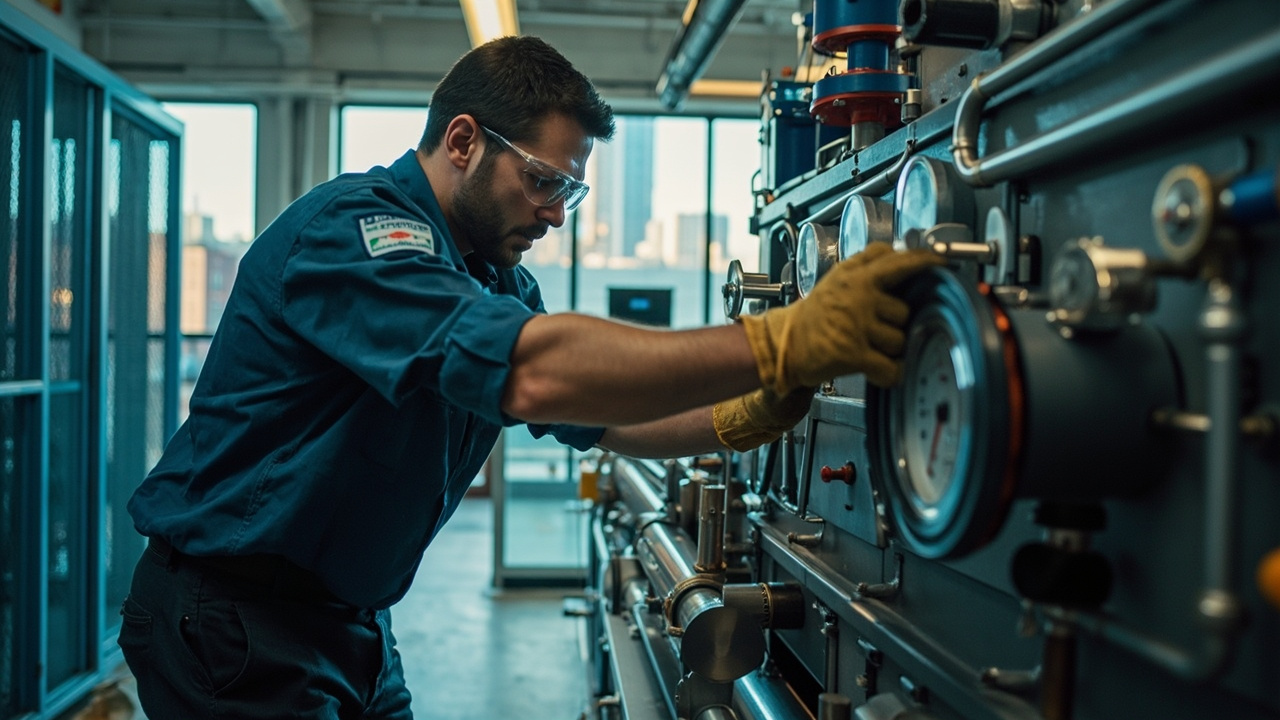
Our industrial chiller repair methodology begins with comprehensive diagnostics. We measure superheat and subcooling at multiple points in the refrigeration cycle, not just at the compressor. We analyze oil samples for metal particulates that indicate bearing wear. We use thermal imaging to identify hot spots in electrical connections and motor windings before they fail. We track condenser approach temperatures against wet bulb readings to calculate real-time efficiency losses.

For centrifugal chillers common in larger Kansas City facilities, we perform vibration analysis on the impeller assembly. For screw compressor units popular in mid-sized plants, we monitor oil pressure differentials across the separator. For absorption chillers in facilities with waste heat or steam availability, we test solution concentrations and check for crystallization in the heat exchangers.

Preventive maintenance intervals depend on your operating hours and environment. A pharmaceutical cleanroom runs 24/7 in filtered air. A metal plating facility operates in a corrosive atmosphere. These require different service schedules. We calculate maintenance timing based on compressor runtime hours, start-stop cycles, and ambient conditions, not generic quarterly visits that ignore how you actually use the equipment.

When industrial chiller maintenance reveals components approaching failure, we provide specific recommendations with lead times. A compressor rebuild requires weeks for parts and specialized labor. A condenser tube replacement needs production scheduling coordination. You receive the information needed to plan shutdowns during low-demand periods rather than facing forced outages during peak production.

What Happens During an Industrial Chiller Service Call

Industrial Chiller Services in Kansas City | Minimizing Downtime for Your Production Floor
01

System Performance Assessment

We document your current cooling load requirements and measure actual system performance against design specifications. This includes refrigerant pressures, temperatures at all heat exchangers, electrical current draw on motors, and water flow rates through evaporator and condenser. We compare your energy consumption to baseline efficiency to identify degradation. You receive quantified data showing exactly where your system stands against optimal performance.
02

Component-Level Diagnostics

Each critical component receives individual testing. Compressor oil analysis reveals internal wear patterns. Condenser and evaporator tubes get inspected for scaling, fouling, or corrosion. Refrigerant quality testing identifies contamination. Control system calibration ensures sensors report accurate data. Expansion valve operation gets verified against superheat targets. Electrical connections undergo thermal scanning. Any component operating outside specification gets flagged with remaining service life estimates.
03

Maintenance Plan Development

You receive a prioritized maintenance schedule based on actual equipment condition, not generic checklists. Critical repairs that prevent imminent failure get scheduled immediately with production coordination. Preventive replacements for components approaching end of life get planned for your next scheduled shutdown. Long-term capital recommendations identify equipment that should be budgeted for replacement. The plan includes parts lead times, estimated labor hours, and suggested backup cooling strategies during service windows.

Why Kansas City Facilities Choose United HVAC for Industrial Cooling Services

Industrial chiller systems represent significant capital investments and operational dependencies. Choosing a service provider requires evaluating technical capability, response capacity, and industrial facility experience that most commercial HVAC contractors lack.

United HVAC Kansas City maintains relationships with equipment manufacturers and parts distributors that give us access to components other contractors must special order. When a chiller plant requires a specific compressor seal kit or control board, we source parts through industrial supply channels, not residential distributors. This cuts procurement time from weeks to days.

Our technicians hold EPA Universal refrigerant certifications and manufacturer-specific training on the centrifugal, screw, and absorption chiller platforms common in Kansas City industrial facilities. This matters because industrial refrigeration systems operate at pressures and temperatures that require different service procedures than rooftop units. A centrifugal chiller with R-123 refrigerant cannot be serviced using techniques appropriate for a scroll compressor with R-410A.

We understand Kansas City industrial facility requirements beyond the equipment. Food processing plants need USDA compliance documentation. Pharmaceutical facilities require cleanroom protocols. Chemical plants demand hot work permits and confined space procedures. Manufacturing operations need coordination with production scheduling and quality control holds. We integrate with your facility management systems rather than treating your chiller as isolated equipment.

Our service vehicles stock components for the chiller configurations prevalent in Kansas City manufacturing: compressor starter contactors, refrigerant sight glasses, expansion valve power heads, condenser tube brushes, and water treatment chemicals. This inventory strategy means common repairs happen during the first visit rather than requiring return trips after parts ordering.

When process cooling services require after-hours work to avoid production disruption, we schedule technicians specifically for your facility rather than pulling someone off emergency residential calls. Your scheduled maintenance receives dedicated resources.

What to Expect from Industrial Chiller Maintenance and Repair

Response Times for Service Calls

Scheduled maintenance visits get planned around your production calendar with confirmed arrival windows. You receive technician dispatch notifications the day before service. For urgent industrial chiller repair situations affecting production, we respond within four hours for facilities in the Kansas City metro. Emergency calls get prioritized based on production impact and available backup cooling capacity. We coordinate with your facility managers to ensure proper site access, safety briefings, and hot work permits are prepared before technician arrival. You receive estimated time to restore cooling based on diagnostic findings, not generic promises.

The Industrial Chiller Inspection Process

Comprehensive chiller plant assessments take between four and eight hours depending on system complexity and accessibility. We inspect while your system operates under actual load conditions, not during shutdown periods when problems may not appear. Technicians document refrigerant charge through superheat and subcooling calculations, not just gauge pressures. Compressor performance gets evaluated through amp draw analysis and oil pressure monitoring. Condenser and evaporator efficiency gets calculated from approach temperatures and temperature differentials. You receive written findings with measurement data, identified deficiencies, and recommended corrective actions with priority rankings.

Service Quality and Performance Standards

Industrial cooling system services get completed to manufacturer specifications and industry standards. Refrigerant recovery and recharging follows EPA regulations with proper documentation. Compressor oil changes use the correct viscosity and refrigerant compatibility for your specific equipment. Condenser and evaporator tube cleaning achieves measurable approach temperature improvements. Control system calibration gets verified through operational testing under load. After service completion, we verify your chiller meets your required cooling capacity and temperature setpoints. You receive detailed service records documenting all work performed, parts replaced, refrigerant added, and test measurements recorded.

Ongoing Support and Preventive Programs

Preventive maintenance agreements provide scheduled service at intervals appropriate for your operating conditions and equipment configuration. Quarterly visits suit most continuous-operation facilities. Semi-annual service works for seasonal or part-time operations. Each visit includes comprehensive inspection, minor adjustments, and early failure detection. You receive trending reports showing performance changes over time. We track refrigerant additions to identify developing leaks. Energy consumption monitoring reveals efficiency degradation requiring attention. Priority scheduling ensures your maintenance happens on your preferred dates. Parts inventory agreements pre-position critical components for faster repairs.

Frequently Asked Questions

You Have Questions,
We Have Answers

How Kansas City's Industrial Corridor Affects Chiller Maintenance Requirements

The concentration of food processing, cold storage, and manufacturing facilities along the Kansas City industrial corridor from the West Bottoms through the Fairfax district creates specific challenges for industrial cooling systems. High ambient humidity from the Missouri and Kansas rivers increases condenser loads and promotes biological growth in cooling towers. Airborne particulates from grain handling operations, freight transfer facilities, and material processing plants accelerate condenser coil fouling rates compared to facilities in cleaner environments. These conditions require more frequent condenser cleaning and cooling tower treatment than standard maintenance schedules account for.

Kansas City facilities face specific code requirements under the International Mechanical Code as adopted by local jurisdictions. Industrial refrigeration systems above certain capacities require machinery room ventilation and refrigerant detection systems. Pressure vessel inspections follow Missouri state boiler regulations. United HVAC Kansas City maintains familiarity with these local compliance requirements and coordinates necessary inspections during planned maintenance outages. We work with the same building departments and inspectors that oversee Kansas City industrial facilities, ensuring service work meets local expectations without requiring multiple correction visits.

HVAC Services in The Kansas City Area

View our service area and business location on the map below. We are proud to serve the entire Kansas City metro area, providing expert heating and cooling services to both residential and commercial clients. If you need a reliable HVAC partner, we are conveniently located to respond quickly to your needs, ensuring your indoor comfort is always our top priority.

Address:
United HVAC Kansas City, 1425 Agnes Ave, Kansas City, MO, 64127

Additional Services We Offer

Our news updates

Latest Articles & News from The Blogs

Comparing Mitsubishi and Daikin ductless systems for local homes When Kansas City homeowners face the decision between Mitsubishi and Daikin…

Comparing Mitsubishi and Daikin ductless systems for local homes

Comparing Mitsubishi and Daikin ductless systems for local homes When Kansas City homeowners face the decision between Mitsubishi and Daikin…

Protecting your piano and acoustic guitars from Kansas City humidity swings

Protecting Your Piano and Acoustic Guitars from Kansas City Humidity Swings\n\nYour musical instruments are more than just objects. They are…

Specialized Climate Control Tips for Indoor Gardeners and Hobbyists in the West Bottoms

Specialized Climate Control Tips for Indoor Gardeners and Hobbyists in the West Bottoms The West Bottoms industrial district faces unique…

Contact Us

Contact United HVAC Kansas City at (816) 473-9177 for industrial chiller maintenance and repair services. We provide emergency response for cooling system failures and scheduled maintenance programs that prevent unplanned downtime. Our technicians service facilities throughout the Kansas City metro area.