




Menu

Short Cycling in Kansas City – Stop Your System From Overworking and Failing Early

When your air conditioner or furnace kicks on and off every few minutes, you are looking at damaged components, skyrocketing energy bills, and a system heading toward complete failure. We diagnose short cycling at the source and fix it right.

Slider Image 1
Slider Image 2
Slider Image 3
Slider Image 4
Slider Image 5
Slider Image 7
Slider Image 8
Slider Image 9
Slider Image 10
Slider Image 11

Why Your Kansas City HVAC System Turns On and Off Constantly

You hear the click. The system fires up. Ten seconds later, it shuts down. Another two minutes pass, and it cycles again. This is HVAC rapid cycling, and it is not normal.

Short cycling means your air conditioner or furnace is turning on and off repeatedly without completing a full heating or cooling cycle. The compressor or ignition sequence starts, runs briefly, then cuts out before your home reaches the set temperature. This pattern repeats dozens or hundreds of times per day.

Kansas City's extreme temperature swings make short cycling worse. Summer heat climbs into the mid-90s with humidity that makes your AC work overtime. Winter lows drop into the teens, forcing your furnace to fire constantly. When your system already struggles with an underlying fault, these conditions push it over the edge.

Short cycling is not a quirk. It is a symptom of a deeper mechanical failure. Common causes include oversized equipment, refrigerant leaks, clogged air filters, failed thermostats, dirty flame sensors, or compromised pressure switches. Each startup stresses the compressor or heat exchanger. Every shutdown wastes energy. Over time, this repetitive strain destroys expensive components that would otherwise last years.

You might notice your energy bills climbing even though you have not changed your usage. The temperature in your home never stabilizes. Some rooms feel stuffy while others stay cold. Your system makes clicking or grinding noises. These are all warning signs that short cycling is accelerating wear and driving up your operating costs.

Why Your Kansas City HVAC System Turns On and Off Constantly
How We Diagnose and Fix Air Conditioner and Furnace Short Cycling

How We Diagnose and Fix Air Conditioner and Furnace Short Cycling

Fixing short cycling requires isolating the exact failure point. We do not guess. We test.

We start by checking the thermostat calibration and placement. A thermostat mounted near a heat source or in direct sunlight sends false temperature readings, causing the system to shut down prematurely. We verify the differential setting, which controls how much the temperature must drop before the system restarts.

Next, we measure airflow at the return and supply registers. Restricted airflow from a clogged filter, blocked ductwork, or undersized return grille causes pressure imbalances that trip the limit switch or high-pressure cutout. We inspect the evaporator coil for ice buildup and the condenser coil for debris that restricts heat rejection.

For air conditioning systems, we check refrigerant charge using superheat and subcooling calculations. Low refrigerant from a leak causes the compressor to cycle on low-pressure cutout. Overcharge creates high head pressure that trips the safety switch. Both conditions damage the compressor and require immediate correction.

For furnaces, we test the flame sensor, limit switch, and pressure switch. A dirty flame sensor cannot detect ignition and shuts the gas valve after a few seconds. A tripped limit switch signals overheating from restricted airflow. A failed pressure switch indicates a blocked vent or failing inducer motor.

We also evaluate equipment sizing. An oversized AC unit or furnace cools or heats the space too quickly, satisfying the thermostat before completing a full cycle. This wastes energy and reduces dehumidification. Proper load calculation determines whether your equipment matches your home's actual heating and cooling demand.

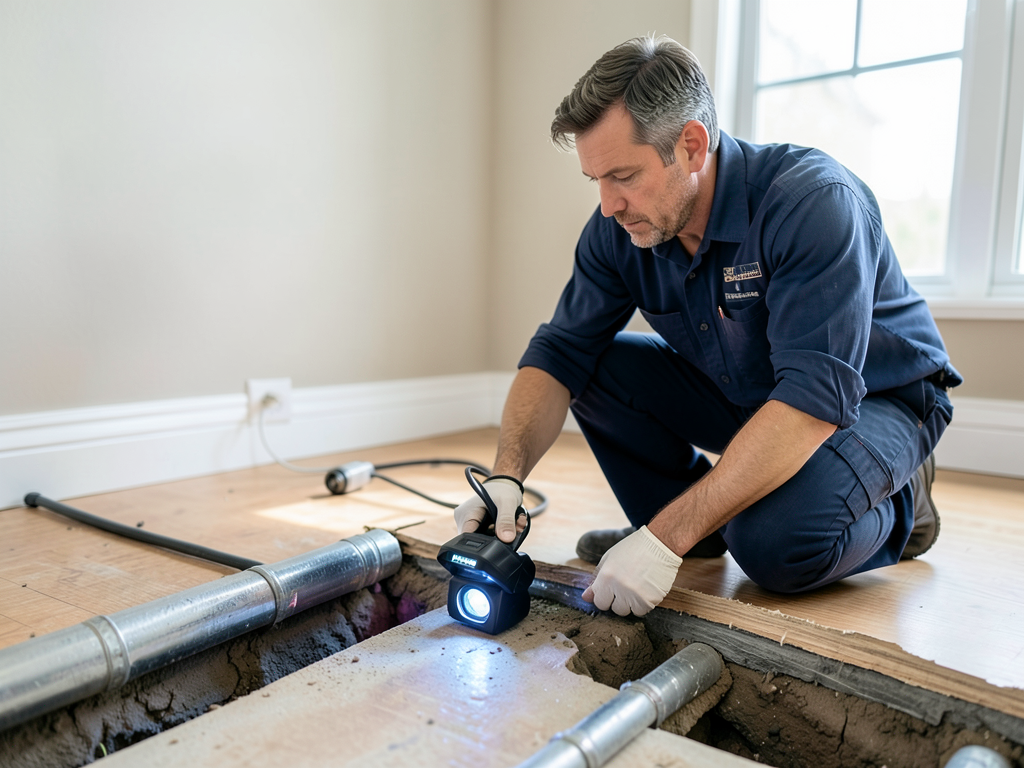
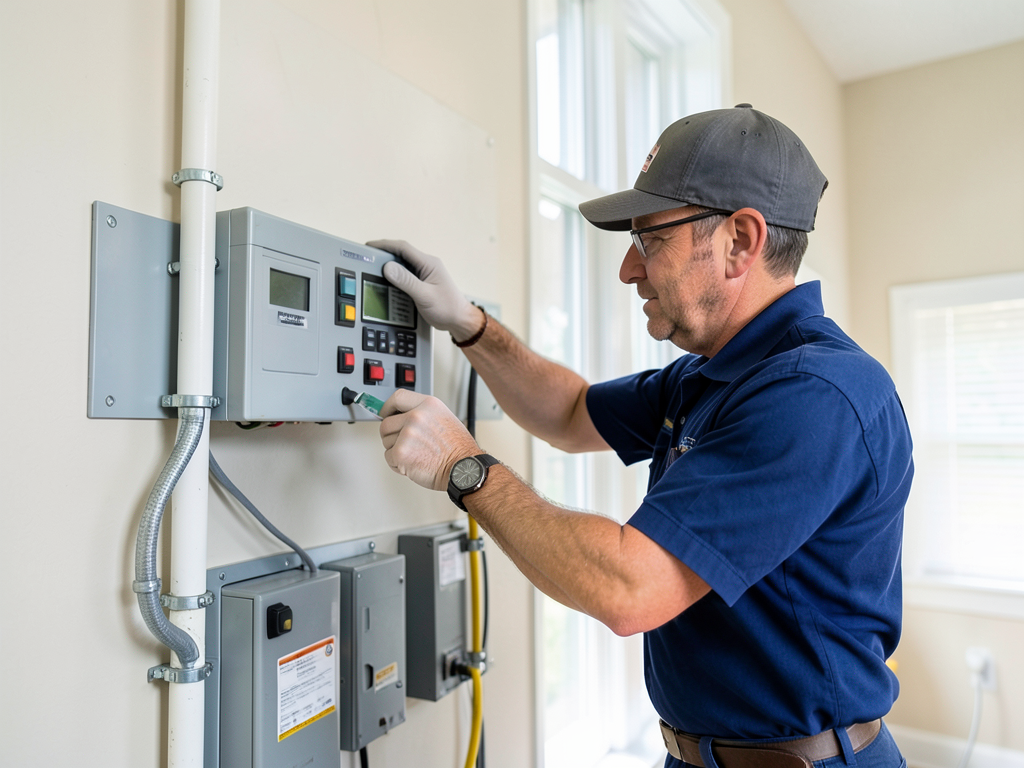
United HVAC Kansas City uses digital manifolds, combustion analyzers, and thermal imaging to pinpoint the failure. We fix the root cause, not just the symptom.

What Happens When You Call Us About Your System Kicking On and Off

Short Cycling in Kansas City – Stop Your System From Overworking and Failing Early
01

System Behavior Analysis

We start by observing your system through multiple cycles. We time the run duration, measure the temperature differential, and listen for abnormal sounds during startup and shutdown. This real-time observation reveals patterns that point to thermostat faults, airflow restrictions, or electrical issues. We document cycle frequency and compare it against manufacturer specifications to determine how far outside normal operation your system is running.
02

Component Testing and Measurement

We test each component in the startup sequence using calibrated instruments. For AC systems, we check refrigerant pressures, amperage draw on the compressor, and capacitor microfarad values. For furnaces, we test flame rectification current, gas pressure, and inducer motor operation. We measure static pressure in the ductwork to confirm adequate airflow. Every reading gets compared against OEM specs to identify the failed part causing the rapid cycling.
03

Repair and Verification

After isolating the fault, we complete the repair and run extended test cycles to verify normal operation. We monitor at least three full heating or cooling cycles to confirm the system reaches setpoint without premature shutdown. We check that cycle times fall within the manufacturer's specified range and that the system maintains stable temperature control. You get a written report detailing what we found, what we fixed, and what to watch for going forward.

Why Kansas City Homeowners Trust Us to Stop Rapid Cycling

Short cycling is a diagnostic problem. Most companies throw parts at it. They replace the thermostat, swap the capacitor, and charge you for a service call without fixing the actual issue. You are left with the same problem and a lighter wallet.

United HVAC Kansas City approaches short cycling as a systems-level failure. We understand that Kansas City's climate puts unique stress on HVAC equipment. Your system battles 95-degree summer days with 70 percent humidity, then shifts to heating mode when winter temperatures drop below 20 degrees. This constant demand exposes weaknesses in undersized ductwork, aging components, and poorly designed installations.

We see short cycling caused by improperly sized equipment all the time in Kansas City's older neighborhoods. Many homes in Brookside, Waldo, and the historic Northeast still run original ductwork designed for smaller, less efficient systems. When a contractor installs an oversized replacement unit without addressing airflow, the system short cycles from day one.

We also know the local building stock. Kansas City homes range from 1920s bungalows with knob-and-tube wiring to modern builds with complex zoning systems. Each presents different challenges. Older homes often lack adequate return air pathways. Newer homes may have ductwork buried in unconditioned attics where summer heat causes refrigerant pressure spikes.

Our technicians train on both legacy equipment and modern variable-speed systems. We carry diagnostic tools that most residential companies do not invest in. We understand manufacturer-specific quirks, like Carrier's sensitivity to low airflow or Trane's pressure switch calibration requirements.

When we leave, your system runs the way it was designed to run. Full cycles. Stable temperatures. Lower energy bills. No more clicking on and off every five minutes.

What to Expect When We Fix Your Short Cycling Problem

Same-Day Diagnostic Appointments

Short cycling damages your system with every unnecessary startup. We prioritize diagnostic calls and offer same-day appointments for most service requests. Our technicians arrive with full diagnostic equipment, not a basic multimeter and a guess. We do not schedule 15-minute visits and rush to the next job. We block enough time to observe multiple cycles, run full component tests, and identify the actual failure. You get a clear explanation of what is wrong and what it takes to fix it before we start any work.

Comprehensive System Evaluation

We do not stop at the obvious culprit. A short cycling system often has multiple contributing factors. We evaluate thermostat operation, ductwork design, refrigerant charge, airflow balance, and electrical supply. We check for undersized return grilles, blocked vents, and dirty coils that restrict heat transfer. For furnaces, we test combustion efficiency, venting integrity, and gas pressure. You get a full report on everything we find, including deferred maintenance items that could cause future problems. We explain what needs immediate attention and what can wait.

Proven Repairs That Last

We use OEM or equivalent-quality parts that match your system's specifications. We do not install universal-fit components that sort of work. If your system needs a new pressure switch, you get the exact replacement your manufacturer specifies. If refrigerant charge is off, we recover, evacuate, and recharge to the precise factory spec, not a ballpark guess. After the repair, we monitor extended run cycles to confirm normal operation. Your system should run quietly, reach setpoint consistently, and maintain stable indoor temperatures without constant cycling.

Ongoing Performance Monitoring

Short cycling often signals that your system is nearing the end of its service life or that installation defects are finally catching up. We offer maintenance plans that include seasonal inspections, filter changes, and performance testing. Regular maintenance catches problems before they cause rapid cycling. We track your system's performance over time, watching for trends that indicate declining efficiency or component wear. If your system is undersized or improperly installed, we provide options for upgrading to correctly matched equipment that will serve your home efficiently for years.

Frequently Asked Questions

You Have Questions,
We Have Answers

What is the most common cause of short cycling? +

Refrigerant leaks cause most short cycling cases in Kansas City homes. When refrigerant levels drop, your AC cannot properly absorb heat, triggering the compressor to shut off early. Oversized units also short cycle because they cool rooms too quickly before completing a full cycle. Dirty air filters restrict airflow, forcing the system to overheat and shut down repeatedly. Faulty thermostats send incorrect temperature readings, causing the unit to start and stop erratically. Kansas City's humid summers stress AC systems, making these issues more pronounced. Other culprits include frozen evaporator coils, clogged condensate drains, and failing compressors.

How do you fix short cycling? +

Fixing short cycling starts with changing your air filter and cleaning debris from the outdoor condenser unit. Check your thermostat placement. If it sits near heat sources or in direct sunlight, it sends false readings. Kansas City's temperature swings require proper thermostat calibration. If these steps fail, call a licensed technician to check refrigerant levels, test the compressor, and inspect electrical connections. Oversized units may need replacement with properly sized equipment. Frozen coils require defrosting and airflow correction. Most fixes need professional diagnosis because misdiagnosis wastes money and damages your system further.

How many minutes is considered short cycling? +

Short cycling occurs when your AC runs for less than seven to ten minutes per cycle. Normal cycles last 15 to 20 minutes, allowing the system to reach proper temperature and humidity levels. Cycles shorter than seven minutes prevent adequate cooling and dehumidification. In Kansas City's humid climate, this creates comfort problems beyond temperature. Your home feels clammy even when the thermostat reads correctly. The compressor suffers excessive wear from constant starting and stopping. If your unit cycles on and off every five minutes, you have a problem requiring immediate attention.

Should I turn my AC off if it's short cycling? +

Yes, turn your AC off if it short cycles continuously. Running a malfunctioning system causes compressor damage, increases energy bills, and risks complete system failure. Kansas City summer heat makes this decision difficult, but continuing operation costs more long term. Turn off the unit at the thermostat and breaker. Check your air filter first. Remove debris from the outdoor unit. If the problem persists after these steps, keep the system off and call a technician. Emergency repairs cost less than full system replacement. Use fans and open windows during evening hours when temperatures drop.

How to tell if AC is short cycling? +

Listen for your compressor starting and stopping every few minutes instead of running steady 15 to 20 minute cycles. Watch your thermostat. If the temperature never reaches the set point, short cycling occurs. Check for ice buildup on refrigerant lines or the evaporator coil. Your energy bills spike even though your home stays uncomfortable. Kansas City humidity feels worse because short cycles prevent proper dehumidification. The outdoor fan runs briefly then shuts off repeatedly. You hear clicking sounds as the compressor attempts to start. These symptoms indicate immediate professional inspection is needed.

What is the $5000 AC rule? +

The 5000 dollar AC rule suggests replacing your system when repair costs plus system age exceed 5000. Multiply your unit's age by the repair estimate. If the result exceeds 5000, replacement makes better financial sense. A 12 year old unit needing 600 dollars in repairs equals 7200, suggesting replacement. Kansas City's humid climate shortens AC lifespan compared to drier regions. Units older than 10 years use outdated refrigerants and lack efficiency. New systems cut energy costs 20 to 40 percent. This rule helps homeowners make smart financial decisions about aging equipment.

Can dirty coils cause short cycling? +

Dirty coils absolutely cause short cycling. The evaporator coil absorbs heat from your home's air. When dust, pet hair, and debris coat the coil, heat transfer stops. Your system freezes up or overheats, triggering safety shutoffs. Kansas City's cottonwood season and high pollen counts accelerate coil fouling. The outdoor condenser coil expels heat. When caked with dirt, grass clippings, or leaves, your compressor overheats and shuts down. Annual professional coil cleaning prevents this problem. Never use pressure washers on coils. The fins bend easily, restricting airflow further and worsening the problem.

How to unclog an expansion valve in a car? +

This question addresses automotive AC systems, not home HVAC. Car expansion valves require specialized automotive AC tools and refrigerant handling certification. The process involves evacuating the refrigerant system, removing the valve, cleaning or replacing it, then recharging the system. DIY attempts risk refrigerant exposure and environmental violations. Kansas City has numerous automotive AC specialists equipped for this work. Home HVAC expansion valves differ completely in design and function. If you meant home AC expansion valve issues, those require professional diagnosis because mishandling refrigerant violates EPA regulations and causes expensive damage.

What does short cycling look like? +

Short cycling sounds like your AC starting, running briefly for three to seven minutes, then shutting off. The cycle repeats constantly throughout the day. Your thermostat never reaches the set temperature. The outdoor condenser fan spins up, shuts down, then restarts moments later. You hear repeated clicking from the contactor engaging and disengaging. Ice may form on refrigerant lines running to the air handler. Kansas City homeowners notice higher humidity indoors because the system never runs long enough to remove moisture. Energy bills climb while comfort drops. The compressor sounds labored, struggling to start each cycle.

What is the 75% rule in cycling? +

The 75 percent rule in cycling refers to training intensity for athletes, not HVAC systems. Cyclists train at 75 percent of maximum heart rate for endurance building. This has zero application to air conditioning. If you meant AC capacity, systems should run at 75 to 100 percent capacity during peak cooling demand. Oversized units running below 75 percent capacity short cycle and waste energy. Kansas City's summer design temperature of 95 degrees determines proper AC sizing. Units should run nearly continuous during peak afternoon heat, not short cycle. Proper load calculation ensures your system matches your home's cooling needs.

How Kansas City's Humidity and Temperature Swings Trigger Short Cycling

Kansas City sits at the convergence of humid air from the Gulf and dry continental air from the west. Summer dew points regularly hit 70 degrees, forcing air conditioners to remove massive amounts of moisture while cooling. When an AC unit short cycles, it never runs long enough to dehumidify properly. Your home feels clammy even though the thermostat shows the right temperature. This moisture accelerates mold growth in ductwork and creates that musty smell in basements common to older Kansas City homes. Winter brings the opposite problem. When temperatures drop below freezing and your furnace short cycles, cold spots develop in poorly insulated spaces, and your heating costs climb because the system never reaches efficient operating temperature.

Kansas City enforces the International Mechanical Code with local amendments that specify minimum duct sizing and ventilation requirements. Many older homes were grandfathered under outdated standards, and short cycling often traces back to ductwork that does not meet current airflow requirements. We stay current on local code updates and understand how inspectors evaluate HVAC installations in Kansas City's varied housing stock. When we recommend system modifications or replacements, we design to current code so your equipment passes inspection and qualifies for utility rebates. Our familiarity with local building departments and permit processes means your repair or replacement moves quickly without compliance delays.

HVAC Services in The Kansas City Area

View our service area and business location on the map below. We are proud to serve the entire Kansas City metro area, providing expert heating and cooling services to both residential and commercial clients. If you need a reliable HVAC partner, we are conveniently located to respond quickly to your needs, ensuring your indoor comfort is always our top priority.

Address:
United HVAC Kansas City, 1425 Agnes Ave, Kansas City, MO, 64127

Additional Services We Offer

Our news updates

Latest Articles & News from The Blogs

Comparing Mitsubishi and Daikin ductless systems for local homes When Kansas City homeowners face the decision between Mitsubishi and Daikin…

Comparing Mitsubishi and Daikin ductless systems for local homes

Comparing Mitsubishi and Daikin ductless systems for local homes When Kansas City homeowners face the decision between Mitsubishi and Daikin…

Protecting your piano and acoustic guitars from Kansas City humidity swings

Protecting Your Piano and Acoustic Guitars from Kansas City Humidity Swings\n\nYour musical instruments are more than just objects. They are…

Specialized Climate Control Tips for Indoor Gardeners and Hobbyists in the West Bottoms

Specialized Climate Control Tips for Indoor Gardeners and Hobbyists in the West Bottoms The West Bottoms industrial district faces unique…

Contact Us

Your system is damaging itself every time it short cycles. Call (816) 473-9177 now for a same-day diagnostic appointment. We will identify the failure, explain your options, and restore normal operation before your compressor or heat exchanger fails completely.