




Menu

Furnace Pilot Light Issues in Kansas City – Expert Diagnosis for Reliable Heating

When your furnace pilot light problems leave you in the cold, United HVAC Kansas City identifies the root cause fast and delivers lasting repairs that keep your system running through winter.

Slider Image 1
Slider Image 2
Slider Image 3
Slider Image 4
Slider Image 5
Slider Image 7
Slider Image 8
Slider Image 9
Slider Image 10
Slider Image 11

Why Pilot Lights Fail More Often in Kansas City Homes

You wake up to a cold house. The furnace is silent. You check the pilot light, and it's out again. This scenario plays out thousands of times each winter across Kansas City, and it's not random.

Kansas City's dramatic temperature swings create unique stress on gas furnace components. When overnight lows drop from 45 degrees to 15 degrees in hours, the thermal expansion and contraction affects the thermocouple and gas valve. A pilot light won't stay lit when the thermocouple misreads temperature changes and shuts off the gas supply as a false safety measure.

The Kansas City metro sits in a high-humidity zone. Moisture infiltrates furnace cabinets through basement walls and crawl spaces, particularly in older homes south of the Missouri River. When humidity condenses on pilot assembly components, corrosion builds on the thermocouple tip. This buildup prevents proper heat detection, and the pilot light keeps going out even when you relight it.

Gas furnace pilot light malfunction also stems from draft issues specific to Kansas City's wind patterns. Winter winds from the northwest create backdraft conditions in chimneys and vent pipes. If your furnace shares a chase with a water heater or uses an older atmospheric vent system, downdrafts blow out the pilot flame.

Dirty pilot orifices compound these problems. Kansas City's clay soil produces fine dust particles that work their way into HVAC systems. This dust clogs the small pilot orifice, restricting gas flow and creating a weak, unstable flame. When your furnace pilot light is not working reliably, contamination is often the hidden culprit behind repeated failures.

Why Pilot Lights Fail More Often in Kansas City Homes
How We Diagnose and Repair Pilot Light Failures

How We Diagnose and Repair Pilot Light Failures

United HVAC Kansas City uses a systematic diagnostic approach that identifies the actual problem, not just the symptom. Most homeowners relight the pilot repeatedly without addressing why it fails. We eliminate the guessing.

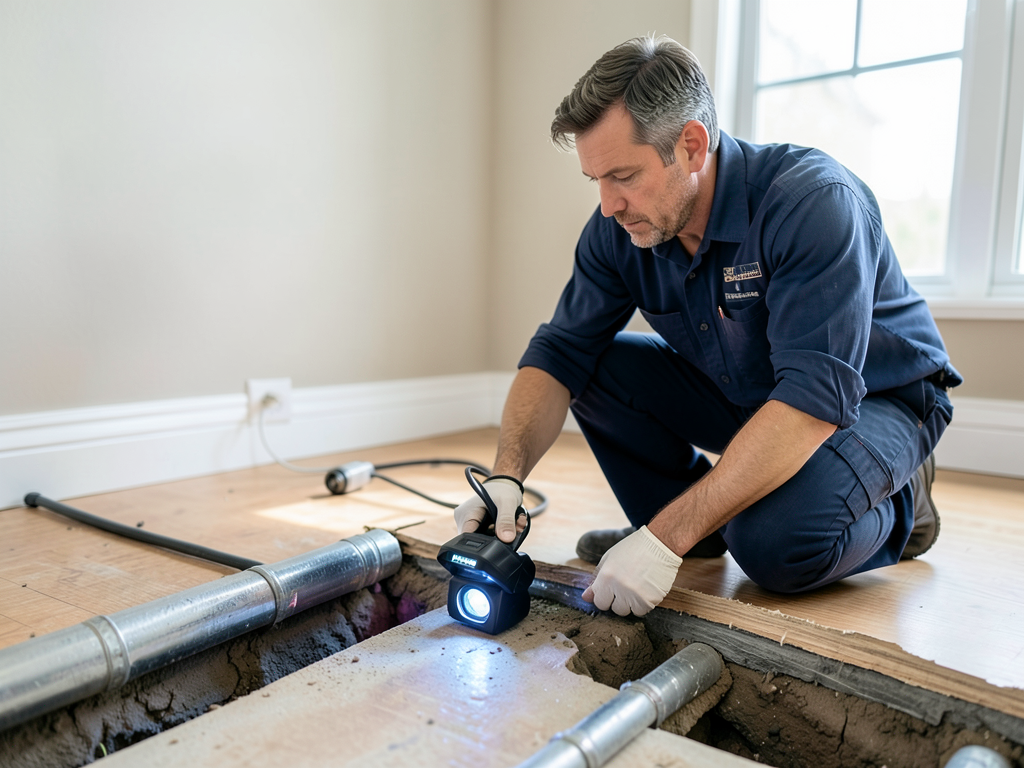
Our technicians start with thermocouple testing using a multimeter to measure millivolt output. A functioning thermocouple generates 25 to 30 millivolts when heated. Anything below 20 millivolts indicates thermocouple degradation. We also inspect the physical position of the thermocouple in relation to the pilot flame. If the tip sits outside the flame envelope, it won't generate sufficient voltage to hold the gas valve open.

We measure gas pressure at the pilot assembly. Proper pilot gas pressure should read between 3.5 and 4 inches of water column on a manometer. Low pressure indicates a problem with the gas valve regulator or restriction in the pilot tubing. High pressure creates an unstable flame that lifts off the thermocouple.

Draft analysis comes next. We use a smoke pencil near the burner compartment to detect air movement patterns. Excessive draft pulls heat away from the thermocouple. Insufficient draft allows combustion byproducts to accumulate, which fouls the pilot orifice.

Flame characteristics tell us about combustion quality. A healthy pilot flame is blue with a small yellow tip, stands 1.5 to 2 inches tall, and wraps around the thermocouple. A weak, yellow, or wavering flame indicates orifice contamination, improper gas mixture, or draft interference.

We clean the pilot assembly with compressed air and fine wire brushes, removing carbon deposits and corrosion. If the thermocouple shows voltage loss or physical damage, we replace it with the correct model for your furnace. Generic thermocouples fail prematurely because they don't match the original specifications.

What Happens When You Call About Pilot Light Problems

Furnace Pilot Light Issues in Kansas City – Expert Diagnosis for Reliable Heating
01

Initial Safety Check

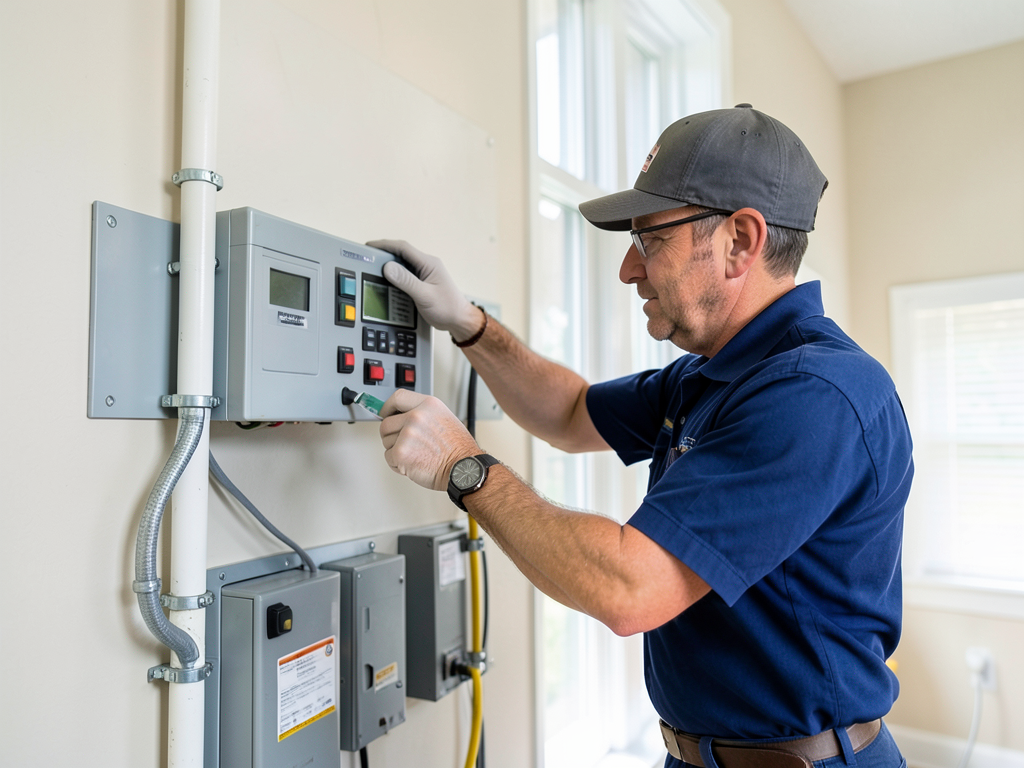
We test for gas leaks around the valve assembly and pilot tubing using electronic detection equipment. Safety comes first. We verify that your furnace isn't creating a hazardous condition before beginning diagnostic work. This includes checking for carbon monoxide spillage from improper venting and confirming that all safety interlocks function correctly.
02

Component-Level Testing

Our technicians measure thermocouple output, gas pressure, and flame temperature using calibrated instruments. We document baseline readings before making any adjustments. This data-driven approach identifies whether you need cleaning, adjustment, or component replacement. We test the gas valve's magnetic coil resistance and check for voltage drops that indicate internal valve failure.
03

Repair and Verification

After completing repairs or replacements, we cycle the furnace through multiple heating cycles to verify stable pilot operation. We monitor the pilot light under various conditions, including when the blower motor starts and stops. You get documentation of all test results and a clear explanation of what failed and why, so you understand exactly what we fixed.

Why Kansas City Homeowners Choose United HVAC for Pilot Light Repairs

Pilot light problems frustrate homeowners because they seem simple on the surface but often hide complex underlying issues. United HVAC Kansas City brings diagnostic precision to what other companies treat as guesswork.

We stock thermocouples and pilot assemblies for furnace brands common in Kansas City homes, including older Lennox, Carrier, and Bryant models installed during the housing boom in neighborhoods like Brookside and Waldo. When we arrive, we have the parts needed to complete repairs on the first visit. You don't wait days for an ordered part while your furnace stays offline.

Our technicians understand how Kansas City's building stock affects furnace performance. Homes built before 1980 often lack proper combustion air supply. Newer energy-efficient homes are sealed too tight, creating negative pressure that interferes with pilot stability. We identify these building-related factors and recommend practical solutions, whether that's adding a combustion air duct or adjusting door undercuts for better airflow.

We also recognize patterns in local furnace installations. Many Kansas City homes have furnaces installed in tight spaces or with improper clearances, which affects draft and combustion air. We've seen hundreds of installations where the previous contractor ignored manufacturer specifications. When we repair your pilot light problem, we also flag any installation defects that will cause future problems.

You get transparent communication about what we find. If your furnace is old enough that repeated pilot problems signal the need for replacement, we explain the cost-benefit analysis clearly. We never push unnecessary equipment sales, but we won't hide the truth about a furnace nearing the end of its service life. Kansas City homeowners deserve honest advice about when repair makes sense and when replacement is the smarter investment.

What to Expect During Your Service Call

Same-Day Response Availability

We schedule most pilot light repairs within 24 hours of your call. During extreme cold snaps, we prioritize furnace failures and extend service hours to keep Kansas City families safe. Our dispatch system routes technicians efficiently across the metro, from North Kansas City to Overland Park. You receive a call when your technician is 30 minutes away, so you're not waiting around all day. Most pilot light repairs take 60 to 90 minutes once our technician arrives and completes diagnostics.

Thorough Furnace Inspection Included

While diagnosing your pilot light issue, we inspect the entire furnace for safety and efficiency problems. This includes checking the heat exchanger for cracks, testing the limit switch operation, and verifying proper blower function. You get a complete picture of your furnace's condition, not just a pilot light fix. We identify developing problems before they cause breakdowns. This comprehensive approach prevents the situation where you pay for a pilot repair, then face a different furnace failure two weeks later.

Reliable, Long-Lasting Repairs

Our repairs address root causes, not symptoms. When we replace a thermocouple, we also clean the pilot assembly, adjust the flame, and verify proper gas pressure. This thorough approach eliminates the repeat service calls that frustrate homeowners. We use OEM or equivalent-quality parts that match your furnace manufacturer's specifications. Cheap aftermarket thermocouples fail quickly. You get parts that last. Our goal is a furnace that operates reliably through the entire heating season without repeated pilot failures.

Follow-Up Support and Maintenance Guidance

After completing your repair, we provide specific maintenance recommendations based on what we found during diagnostics. If dust accumulation contributed to your pilot problems, we explain filter maintenance schedules. If draft issues played a role, we suggest monitoring steps. You can call us with follow-up questions at no charge. We also offer seasonal maintenance plans that include pilot assembly cleaning and thermocouple testing, which prevents future pilot light failures before they leave you without heat.

Frequently Asked Questions

You Have Questions,
We Have Answers

Why is my furnace pilot light not igniting? +

Your pilot light fails to ignite when the thermocouple is dirty or defective, the gas valve is stuck, or the orifice is clogged. Kansas City's high humidity can corrode thermocouples faster than in dry climates. Check if the pilot tube is blocked by debris or if the gas supply valve is fully open. A weak pilot flame that cannot reach the thermocouple also prevents ignition. If the igniter clicks but produces no flame, the gas line may have air trapped inside. Turn off the furnace, wait five minutes, and attempt to relight following manufacturer instructions. Persistent issues require a technician to inspect the gas valve and thermocouple.

What are the common causes of pilot light issues? +

Most pilot light problems stem from a faulty thermocouple that cannot sense flame heat, a clogged pilot orifice restricting gas flow, or a defective gas valve. Kansas City's freeze-thaw cycles can cause sediment buildup in gas lines. Dirty flame sensors prevent ignition even when gas flows properly. Draft issues from poorly sealed ductwork or open basement windows blow out pilot flames. Older furnaces with standing pilot lights suffer more frequent outages than electronic ignition systems. Lack of maintenance allows dust and debris to accumulate on critical components. Low gas pressure from the utility line or a tripped safety switch also stops pilots from lighting.

What are the symptoms of a bad igniter on a furnace? +

A failing igniter shows visible cracks or breaks in the ceramic element. You hear clicking sounds but see no spark or glow. The furnace blower runs but the burners never light. In Kansas City homes with older systems, igniters weaken over time from repeated heating cycles. The igniter may glow dimly orange instead of bright white, indicating insufficient heat to open the gas valve. Your furnace cycles on and off without producing heat. You smell gas near the furnace because the igniter cannot ignite the fuel. Error codes on your thermostat point to ignition failure. These symptoms require immediate professional inspection.

Why do I have to keep relighting my pilot light? +

Frequent relighting indicates a thermocouple that no longer generates enough voltage to keep the gas valve open. Kansas City's hard water and humidity accelerate corrosion on thermocouples. A weak pilot flame caused by low gas pressure or a partially blocked orifice fails to heat the thermocouple adequately. Drafts from basement windows, cracked heat exchangers, or improperly vented systems blow out pilots repeatedly. Your furnace may have a bad gas valve that closes prematurely. Dirt buildup on the thermocouple tip prevents proper heat sensing. These issues worsen without repair and create safety hazards. A technician must diagnose the root cause.

What to do if the pilot light won't relight? +

Turn off the gas supply and wait five minutes for residual gas to clear. Locate the pilot assembly near the burners and find the reset button or knob. Turn the gas valve to pilot position and hold down the reset button. Use a long lighter to ignite the pilot while holding the button for 30 seconds. Release slowly. If the flame dies immediately, the thermocouple needs replacement. Check that the pilot flame touches the thermocouple tip. Kansas City homeowners should never force stuck valves or smell strong gas odors. Call a technician if three attempts fail or you detect gas leaks.

How do I know if my thermocouple is bad? +

A bad thermocouple shows a pilot light that ignites but dies when you release the reset button. The metal rod appears corroded, bent, or positioned too far from the flame. Kansas City's humidity accelerates thermocouple deterioration. Test voltage with a multimeter while the pilot burns. Readings below 20 millivolts indicate failure. The thermocouple tip may have white or yellow buildup from incomplete combustion. Your furnace repeatedly shuts off shortly after lighting. The safety system prevents burner ignition even when the pilot stays lit. Thermocouples cost little but require proper installation to function correctly.

How to clean a pilot light thermocouple? +

Turn off gas and let the furnace cool completely. Locate the thermocouple rod near the pilot light. Unscrew the mounting bracket and gently pull the thermocouple free from the gas valve connection. Use fine-grit sandpaper or steel wool to remove white deposits and corrosion from the sensing tip. Kansas City's water quality causes mineral buildup that insulates the tip from heat. Wipe clean with a dry cloth. Do not use chemical cleaners or bend the rod. Reposition the tip so it sits directly in the pilot flame. Reconnect and test. If cleaning fails, replacement costs less than service calls.

Is it expensive to repair a pilot light? +

Pilot light repairs range from simple fixes to complex replacements. Cleaning a thermocouple or relighting a pilot costs nothing if you do it yourself. Thermocouple replacement parts run low cost but require labor for proper installation. Gas valve replacement represents the highest expense. Kansas City technicians charge for diagnosis, parts, and labor. Emergency after-hours service increases costs. Older furnaces with discontinued parts cost more to repair than modern systems. Most pilot issues result from inexpensive component failures. Ignoring problems creates bigger repair bills when heat exchangers crack or gas valves fail completely. Regular maintenance prevents costly emergency repairs.

How to tell if your pilot light is bad? +

A bad pilot light produces a weak, yellow, or flickering flame instead of a steady blue cone. The flame fails to reach the thermocouple tip. You smell gas near the furnace because incomplete combustion occurs. Kansas City homeowners notice their furnace clicking repeatedly without igniting burners. The pilot goes out frequently or refuses to stay lit after releasing the reset button. Soot accumulates around the pilot assembly from improper combustion. Your thermostat calls for heat but the furnace never responds. The pilot flame blows out easily from minor air movement. These signs require immediate attention to prevent carbon monoxide risks.

What is the life expectancy of a furnace igniter? +

Hot surface igniters last three to five years under normal conditions. Kansas City's humid climate and frequent temperature swings shorten igniter life. Furnaces that cycle frequently wear out igniters faster than units with steady operation. Silicon nitride igniters outlast older silicon carbide models. Each heating season stresses the igniter through hundreds of heating cycles. Electrical surges from storms damage igniters prematurely. You extend igniter life through annual maintenance and clean air filters. Igniters weaken gradually before failing completely. Replace igniters proactively during tune-ups if cracks appear. Most technicians recommend replacement after four years to prevent mid-winter failures.

How Kansas City's Freeze-Thaw Cycles Accelerate Pilot Light Component Wear

Kansas City experiences 30 to 40 freeze-thaw cycles each winter. Temperatures swing from below freezing overnight to above 40 degrees by afternoon, then drop again. These rapid temperature changes cause metal components in your pilot assembly to expand and contract repeatedly. The thermocouple, which is made of dissimilar metals joined at the tip, is particularly vulnerable to this stress. Microscopic cracks develop in the thermocouple junction over time, reducing voltage output. This is why furnaces in Kansas City often need thermocouple replacement every 5 to 7 years, compared to 10 years in more stable climates.

United HVAC Kansas City has served the metro area long enough to understand how local conditions affect furnace performance. We know which neighborhoods have older furnaces that need special attention and which builders installed furnaces with recurring problems. Our technicians live in the communities we serve. When you call us for pilot light repairs, you're working with professionals who understand Kansas City homes because they own them, heat them, and maintain them. This local knowledge translates to faster diagnosis and more accurate repairs for your specific situation.

HVAC Services in The Kansas City Area

View our service area and business location on the map below. We are proud to serve the entire Kansas City metro area, providing expert heating and cooling services to both residential and commercial clients. If you need a reliable HVAC partner, we are conveniently located to respond quickly to your needs, ensuring your indoor comfort is always our top priority.

Address:
United HVAC Kansas City, 1425 Agnes Ave, Kansas City, MO, 64127

Additional Services We Offer

Our news updates

Latest Articles & News from The Blogs

Comparing Mitsubishi and Daikin ductless systems for local homes When Kansas City homeowners face the decision between Mitsubishi and Daikin…

Comparing Mitsubishi and Daikin ductless systems for local homes

Comparing Mitsubishi and Daikin ductless systems for local homes When Kansas City homeowners face the decision between Mitsubishi and Daikin…

Protecting your piano and acoustic guitars from Kansas City humidity swings

Protecting Your Piano and Acoustic Guitars from Kansas City Humidity Swings\n\nYour musical instruments are more than just objects. They are…

Specialized Climate Control Tips for Indoor Gardeners and Hobbyists in the West Bottoms

Specialized Climate Control Tips for Indoor Gardeners and Hobbyists in the West Bottoms The West Bottoms industrial district faces unique…

Contact Us

Don't spend another night relighting your pilot or worrying about whether your furnace will stay on. Call United HVAC Kansas City now at (816) 473-9177. We'll diagnose the real problem and fix it right the first time.