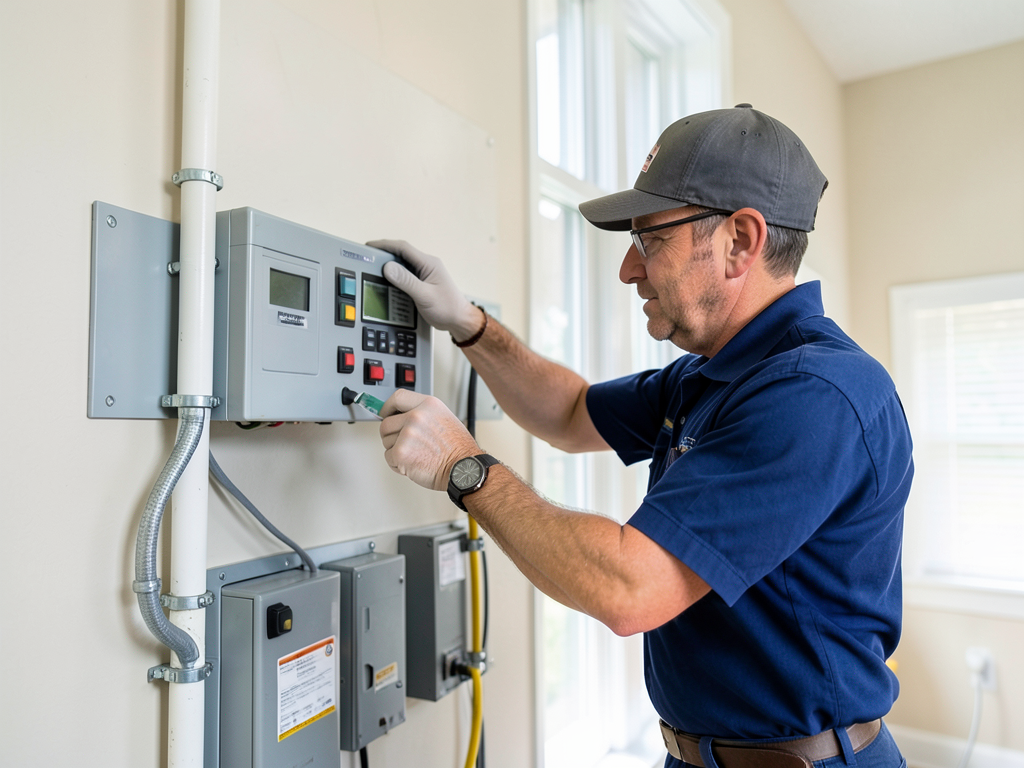





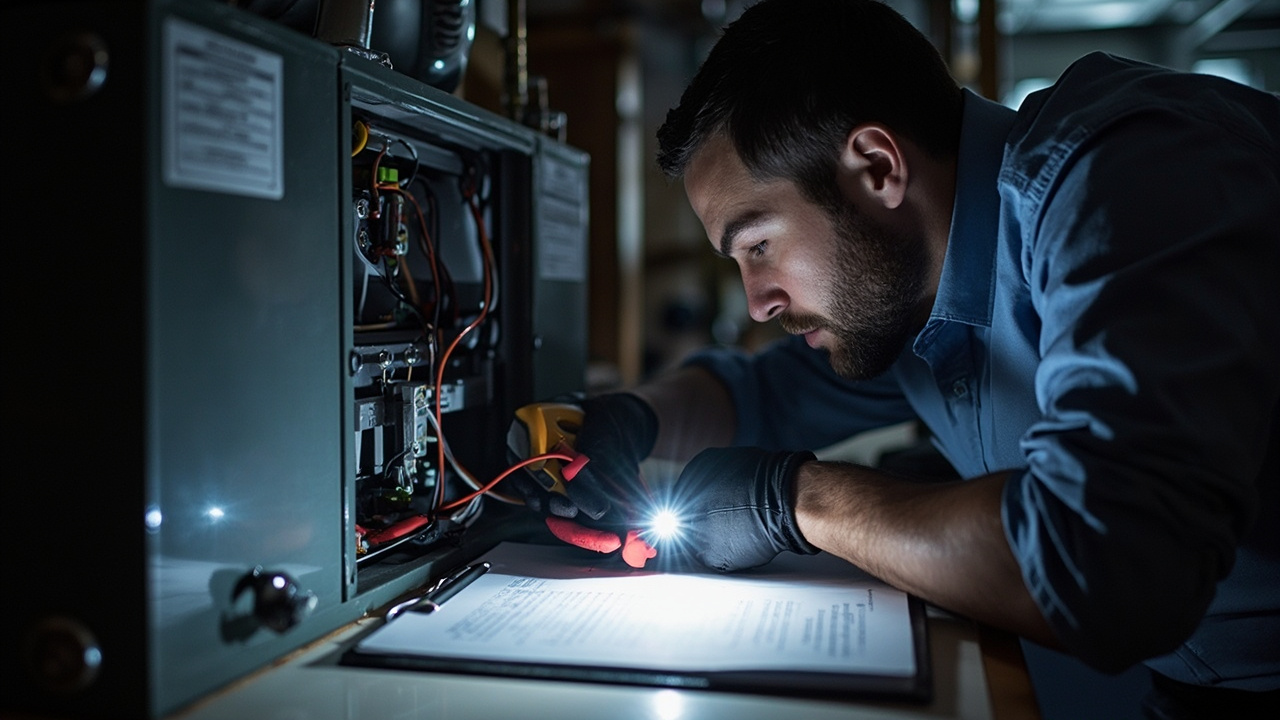


Kansas City experiences dramatic temperature swings during heating season. November can bring 70-degree days followed by 30-degree nights within 48 hours. These rapid cycles force your furnace to start and stop repeatedly, stressing igniters and flame sensors more than steady cold climates. The Missouri River Valley creates humidity levels that form condensation inside heat exchangers during these cycling periods. This moisture accelerates corrosion on steel heat exchangers, particularly in furnaces older than 10 years. The heating system maintenance steps that work in dry climates miss these humidity-related issues that shorten furnace life in our region.
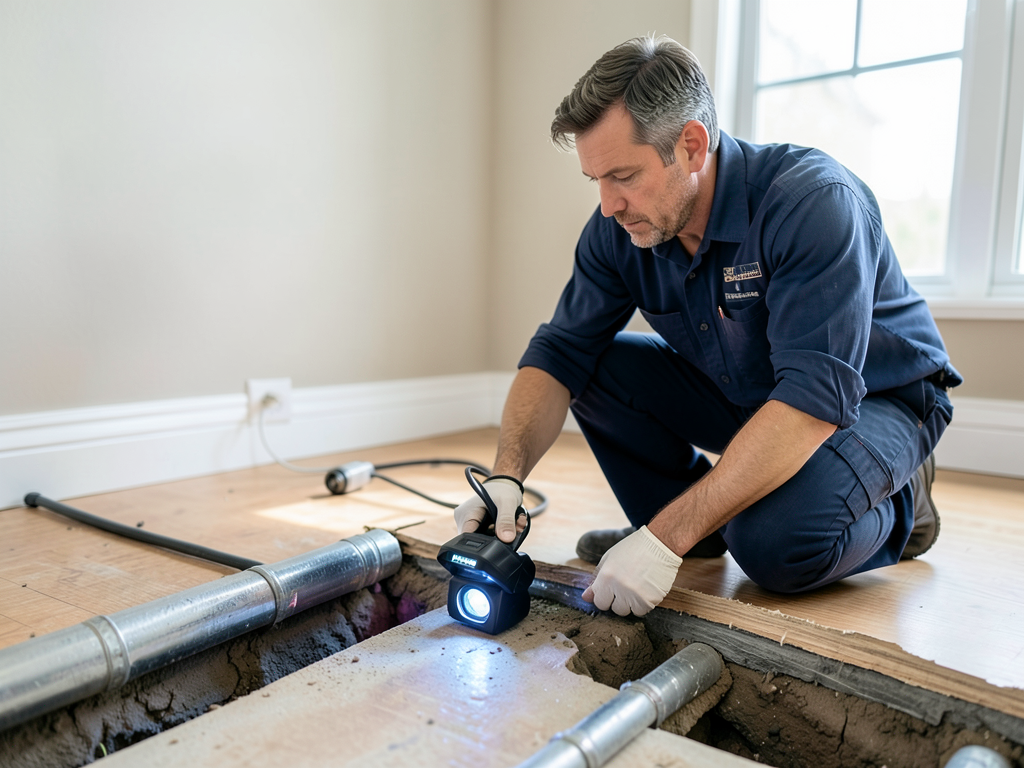
United HVAC Kansas City has serviced furnaces across the metro for years, from historic homes in Westport to newer construction in Lee's Summit. Our technicians understand how the clay soil common throughout Jackson and Johnson counties shifts foundations and stresses ductwork connections. They know which furnace brands hold up best in Kansas City's climate and which components typically fail first. This local knowledge shapes our preventative heating maintenance guide to address actual failure patterns we see across thousands of Kansas City homes rather than generic national recommendations that miss regional differences.