




Menu

Iced Up Evaporator Coil in Kansas City – Expert Diagnosis Stops Compressor Failure Before It Starts

When ice on evaporator coil appears in your Kansas City home or business, you have hours, not days, to prevent a seized compressor and a complete system replacement.

Slider Image 1
Slider Image 2
Slider Image 3
Slider Image 4
Slider Image 5
Slider Image 7
Slider Image 8
Slider Image 9
Slider Image 10
Slider Image 11

Why Your AC Evaporator Keeps Freezing in Kansas City's Humid Climate

You walk over to your air conditioner and find ice on evaporator coil surfaces. The unit is running, but no cool air is coming out. This is not normal.

Kansas City's summer humidity creates the perfect conditions for a frozen ac evaporator coil. When indoor humidity levels exceed 60 percent, which happens frequently between June and August, even a minor airflow restriction can trigger ice formation. The coil temperature drops below 32 degrees Fahrenheit, and condensation freezes instantly.

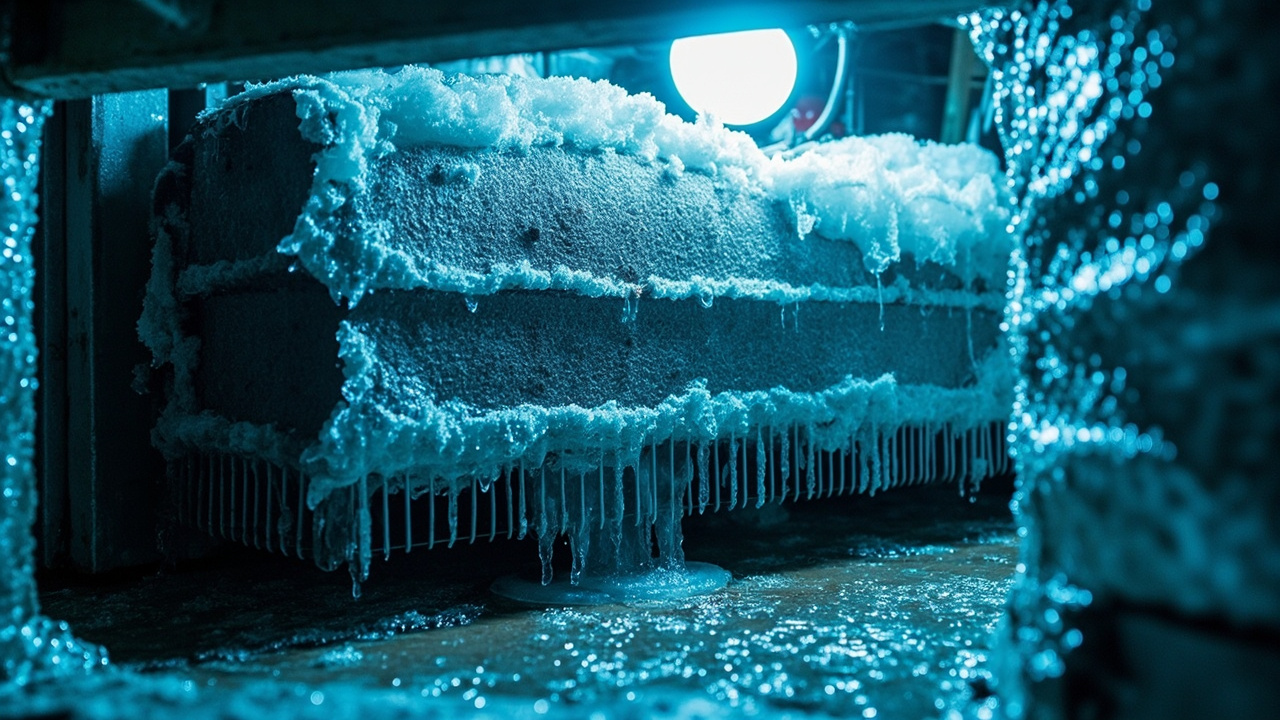
The problem accelerates fast. A frozen cooling coil blocks all airflow. Your compressor continues running with no heat exchange happening. The refrigerant stops boiling off properly. Liquid refrigerant floods back to the compressor, which is designed to compress gas, not liquid. This causes catastrophic internal damage.

Most homeowners notice the issue when rooms stop cooling or when they see water pooling around the indoor unit. By that point, the ac evaporator iced over condition has been building for hours. The coil itself is buried under a thick layer of frost and ice.

The root cause is rarely the coil itself. Air conditioner coil freezing up happens because of airflow restriction, refrigerant issues, or control failures. Dirty filters, collapsed ductwork, failed blower motors, refrigerant leaks, and stuck metering devices all create the same symptom. Ice formation is the result, not the cause.

In Kansas City's older housing stock, particularly in neighborhoods like Hyde Park and Westport, undersized return air ducts compound the problem. The system cannot pull enough air across the coil, even with a clean filter.

You cannot thaw the coil and call it fixed. The underlying issue will cause the same failure within 24 hours.

Why Your AC Evaporator Keeps Freezing in Kansas City's Humid Climate
How United HVAC Kansas City Diagnoses and Repairs Frozen Evaporator Coils

How United HVAC Kansas City Diagnoses and Repairs Frozen Evaporator Coils

We do not guess. We measure.

The first step is shutting down the system and allowing the ice to melt completely. Running the system fan on manual can accelerate this, but you risk water overflow if the drain pan is undersized. We assess the drain system first.

While the coil thaws, we measure static pressure across the system. We use a manometer to test pressure drop across the filter, the coil, and the ductwork. This tells us immediately if the problem is airflow-related. Normal total external static pressure should stay below 0.5 inches of water column for most residential systems. We routinely find readings above 0.8 in Kansas City homes with restrictive ductwork or crushed flex duct in crawlspaces.

Next, we inspect the filter, the blower wheel, and the evaporator coil fins. A coil caked in dust and debris will freeze even with adequate airflow because the surface area available for heat exchange is reduced. We check the blower motor capacitor and amperage draw. A weak capacitor causes the blower to run slower than designed speed, starving the coil of air.

If airflow checks out, we move to refrigerant diagnostics. We connect manifold gauges and measure suction pressure and superheat at the evaporator outlet. Low suction pressure with high superheat indicates a refrigerant leak or a restriction in the metering device. We use electronic leak detection and UV dye to pinpoint leaks in the coil, lineset, or condensing unit.

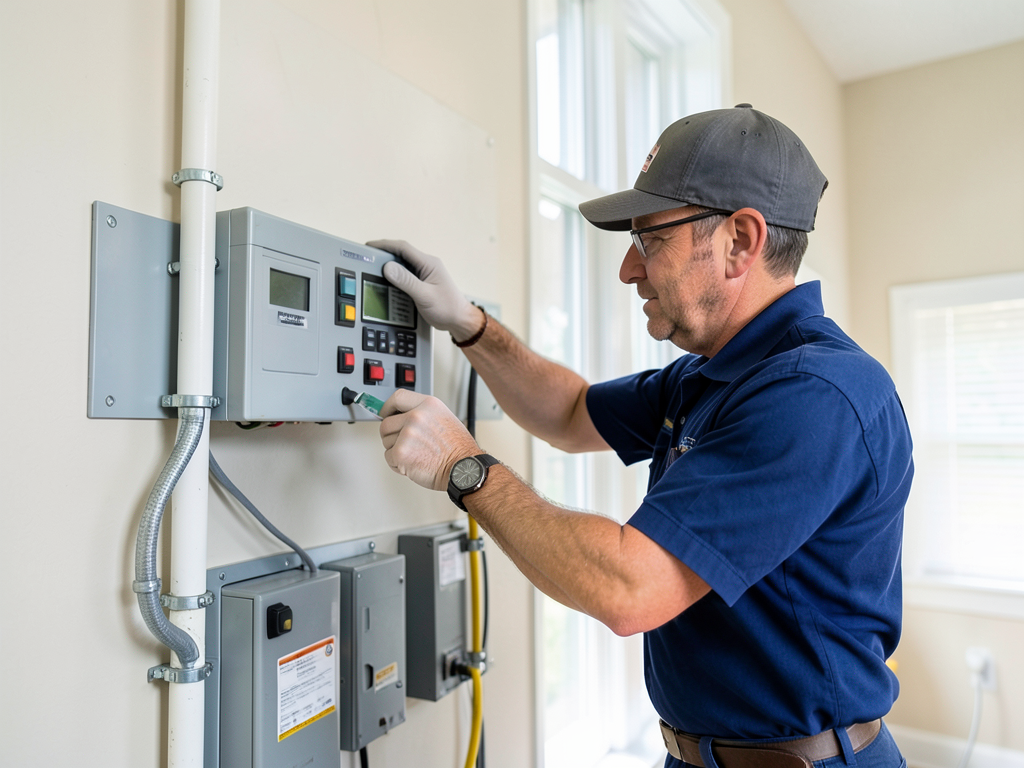
We also verify the thermostat is calling for cooling properly and that the control board is energizing the compressor contactor and blower relay in the correct sequence. A shorted thermostat wire or a failing relay can cause short cycling, which mimics the symptoms of a frozen coil.

United HVAC Kansas City uses the correct tools and applies the correct methodology. We do not sell you parts you do not need.

What Happens During Your Frozen Coil Service Call

Iced Up Evaporator Coil in Kansas City – Expert Diagnosis Stops Compressor Failure Before It Starts
01

System Shutdown and Safety Check

We immediately disable the compressor to prevent liquid slugging and turn off cooling mode at the thermostat. The indoor blower may continue running to speed thaw time, but only if the drain pan and condensate line can handle the volume. We place absorbent pads and check the overflow switch. If the coil is severely iced over, we allow passive thawing to prevent flooding your home.
02

Airflow and Refrigerant Testing

Once the coil is clear, we measure total external static pressure, inspect the blower assembly, and check the evaporator coil for blockage or damage. We use calibrated gauges to measure refrigerant pressures and calculate superheat and subcooling. This data tells us whether the issue is mechanical, airflow-related, or refrigerant-based. We document all readings and compare them to manufacturer specifications for your exact model.
03

Repair and System Restart

We complete the necessary repair, whether that means replacing a clogged filter drier, repairing a refrigerant leak, replacing a failed blower motor capacitor, or cleaning a fouled evaporator coil. After the repair, we restart the system and monitor operating pressures, temperatures, and airflow for a full cooling cycle. We verify the coil remains frost-free and that the system is delivering the correct temperature split across the coil.

Why Kansas City Homeowners Trust United HVAC for Evaporator Coil Repairs

Kansas City has unique HVAC challenges. The transition from humid summer to freezing winter stresses systems harder than in more temperate climates. Air conditioners here run harder and longer during July and August. The combination of high outdoor temperatures and high indoor humidity creates extreme load conditions that expose weak points in aging systems.

United HVAC Kansas City understands how local housing affects system performance. Many homes in Brookside, Waldo, and the Northland were built in the 1950s and 1960s with minimal insulation and inadequate return air pathways. Ductwork in these homes is often undersized or poorly designed. We regularly encounter systems with a single central return pulling air through a 14x20 filter, trying to feed a 4-ton air handler. That setup will freeze the evaporator coil no matter how clean the filter is.

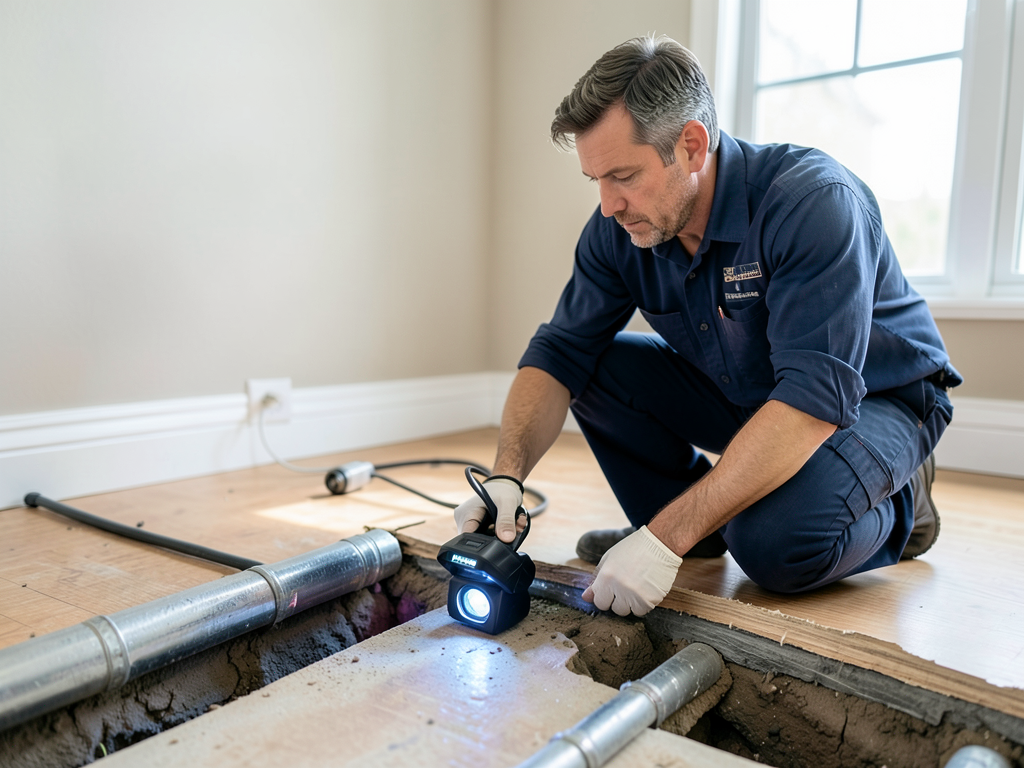
We also understand the clay soil issues that affect homes south of the river. Foundation settling and shifting can crush or disconnect ductwork in crawlspaces. A disconnected return duct pulls unconditioned air from the crawlspace, which lowers system efficiency and increases humidity at the coil.

We do not sell you a new system unless you actually need one. If your coil is frozen because of a dirty filter and a failed capacitor, we replace the capacitor and show you how to maintain the filter. If your coil is frozen because your ductwork is inadequate, we give you options to improve airflow before recommending equipment replacement.

We also understand local building codes and permit requirements. Any refrigerant work in Kansas City requires proper EPA certification and recovery equipment. We do not vent refrigerant to atmosphere. We recover, recycle, and document all refrigerant handling per federal and local regulations.

United HVAC Kansas City has worked in every neighborhood in the metro. We know the housing stock, the common system types, and the typical failure modes.

What to Expect When You Call United HVAC Kansas City

Same-Day Diagnosis Available

We understand a frozen evaporator coil means no cooling. During peak summer months, that creates an unsafe indoor environment. We offer same-day service for frozen coil calls when you contact us before noon. Our technicians carry the most common repair parts on their trucks, including blower motor capacitors, contactors, and filter driers. If your issue requires a less common part, we source it quickly through our local supply relationships and return to complete the repair. We do not leave you without cooling for days while waiting on parts.

Comprehensive System Evaluation Included

Every frozen coil service call includes a full system evaluation. We do not just fix the immediate symptom. We measure airflow, test refrigerant charge, inspect electrical components, and evaluate your ductwork layout. You receive a written report detailing what we found, what we repaired, and what issues may need attention in the future. This report includes actual pressure readings, temperature measurements, and amperage draws. You get real data, not vague recommendations. If we find your system is operating correctly after the repair, we tell you that too.

Repairs That Actually Fix the Problem

We repair the root cause, not the symptom. If your coil froze because of a refrigerant leak, we locate and repair the leak, then recharge the system to the correct weight. If your coil froze because of restricted airflow, we identify and eliminate the restriction. If your ductwork design is the problem, we explain your options clearly and give you a written proposal for airflow improvements. After every repair, we monitor the system through a complete cooling cycle to verify the coil remains frost-free and the system delivers proper capacity.

Follow-Up and Maintenance Guidance

We provide clear maintenance guidance after every repair. You receive specific instructions on filter replacement intervals based on your home and system type. If your system requires more frequent filter changes because of pets or high dust levels, we tell you. We also offer preventive maintenance agreements that include twice-yearly system inspections, coil cleaning, and refrigerant charge verification. These agreements help catch small issues before they cause system failures. We contact you when service is due, and we keep detailed service records for your property.

Frequently Asked Questions

You Have Questions,
We Have Answers

What causes ice on an evaporator coil? +

Ice forms on your evaporator coil when airflow drops or refrigerant pressure changes. Restricted airflow from a dirty air filter, blocked return vents, or a failing blower motor prevents warm air from reaching the coil. The coil temperature drops below freezing, and moisture in the air crystallizes into ice. Low refrigerant from a leak also drops evaporator pressure, causing temperatures to plummet. In Kansas City's humid summer climate, condensation accelerates this process. A collapsed ductwork section or a clogged drain pan can also trigger icing. If you spot ice buildup, shut off your system immediately to prevent compressor damage.

What is the best way to thaw out an iced up evaporator coil? +

Turn off your air conditioner at the thermostat and the breaker to stop the compressor. Switch your thermostat fan setting to ON (not AUTO) to circulate warm air across the coil. This accelerates thawing without external heat. Never chip away ice or use a hairdryer, as you risk damaging fragile coil fins. In Kansas City's summer heat, a full thaw takes two to eight hours depending on ice thickness. Place towels or a pan under the unit to catch meltwater. Once thawed, address the root cause before restarting. A technician should inspect airflow, refrigerant levels, and drainage before you power the system back on.

Will low refrigerant cause an evaporator to ice up? +

Yes. Low refrigerant directly causes evaporator coil icing. When refrigerant charge drops from a leak, pressure inside the evaporator coil falls. Lower pressure means lower boiling point, so the refrigerant absorbs more heat and the coil surface temperature drops below 32 degrees. Moisture from Kansas City's humid air freezes on contact. You may also notice weak airflow, hissing sounds near the lineset, or higher energy bills. Refrigerant does not get consumed, so low levels always mean a leak exists somewhere in your system. A qualified technician must locate the leak, repair it, evacuate the system, and recharge it to manufacturer specifications before normal operation resumes.

What is the likely cause for heavy icing in the evaporator coil? +

Heavy ice buildup signals severe airflow restriction or a significant refrigerant leak. A completely clogged air filter, closed supply registers in multiple rooms, or a failed blower motor starves the coil of warm air. Ductwork collapse in crawlspaces or attics (common in older Kansas City homes) can choke airflow. A large refrigerant leak from corroded linesets or a damaged coil drops pressure fast, causing rapid ice accumulation. Dirty evaporator coils from years without maintenance also restrict airflow. If ice covers the entire coil or extends to the refrigerant lines, you need professional diagnosis immediately. Continuing to run the system risks compressor failure and expensive repairs.

Can I turn my AC back on after it thaws? +

Not immediately. After the coil thaws, you must identify and fix the underlying problem first. Running your AC without resolving airflow restriction or refrigerant loss will cause immediate re-icing and potential compressor damage. Replace your air filter, check that all vents are open, and inspect visible ductwork for obstructions. If the problem was a dirty filter and airflow seems restored, you can cautiously restart and monitor for 30 minutes. If ice reappears or airflow feels weak, shut down and call a technician. In Kansas City's summer heat, do not gamble with guesswork. A professional inspection ensures safe operation and prevents a minor issue from becoming a complete system failure.

What are the six common causes of evaporator freezing? +

The six common causes are: dirty air filters that block airflow, closed or blocked supply vents reducing circulation, low refrigerant from leaks, failing blower motors that cannot move enough air, dirty evaporator coils restricting heat transfer, and thermostat issues causing the system to run continuously without cycling off. Kansas City's high humidity accelerates ice formation once any of these conditions exist. Collapsed ductwork in unconditioned attics or a refrigerant metering device malfunction also contribute. Regular filter changes every 30 to 60 days and annual maintenance catch most of these problems early. If you experience repeat icing, a technician must inspect all six areas to pinpoint the root cause.

Can a frozen evaporator coil be fixed? +

Yes, but you must fix the underlying cause, not just the ice. The frozen coil itself is a symptom of airflow restriction, refrigerant loss, or mechanical failure. A technician will thaw the coil, then diagnose why it froze. If a dirty filter or blocked vents caused the problem, the fix is straightforward. Low refrigerant requires leak detection, repair, and recharge. A damaged coil from corrosion or impact may need replacement, which is more involved. In Kansas City's older housing stock, corroded coils from years of condensation are common. Once the root issue is resolved and the system is tested, your AC will operate normally without re-icing.

What is the 3 minute rule for AC? +

The three-minute rule prevents compressor damage during rapid on-off cycling. After your AC shuts off, high-pressure refrigerant in the condenser needs three to five minutes to equalize with low-pressure refrigerant in the evaporator. If you restart the compressor too soon, it struggles against unequal pressure, causing mechanical strain, overheating, and potential failure. Most modern thermostats include a built-in delay. If your system trips a breaker during startup or you hear hard-start clicking, pressure imbalance may be the cause. Never rapidly flip your AC on and off at the breaker. In Kansas City's summer heat, give your system time to rest between cycles.

How to melt ice on an evaporator coil? +

Turn off the AC at both the thermostat and circuit breaker to stop the compressor. Switch the thermostat fan to ON to blow warm air across the coil, accelerating the thaw. Kansas City's summer heat will help, but expect two to eight hours depending on ice thickness. Place towels beneath the indoor unit to catch meltwater. Never apply direct heat, scrape ice with tools, or pour hot water on the coil. You will damage fins, tubing, or electrical components. Once thawed, replace the air filter, check for blocked vents, and inspect visible ductwork. If ice returns after restart, you need professional refrigerant and airflow diagnostics immediately.

What is the $5000 AC rule? +

The $5,000 rule is informal guidance on repair-versus-replace decisions for aging AC systems. Multiply the repair cost by your system's age in years. If the result exceeds $5,000, replacement often makes more financial sense than repair. For example, a $600 repair on a 10-year-old unit equals $6,000, suggesting replacement. A $400 repair on an 8-year-old unit equals $3,200, favoring repair. This rule considers efficiency improvements, remaining lifespan, and cumulative repair costs. In Kansas City's climate with heavy cooling demand, older systems run harder and fail more often. Factor in rising energy bills and refrigerant phase-outs when deciding. Always get multiple opinions before committing to expensive repairs.

How Kansas City's Summer Humidity Accelerates Evaporator Coil Icing

Kansas City sits at the confluence of the Kansas and Missouri Rivers, which creates persistently high humidity levels during summer months. Outdoor humidity regularly exceeds 70 percent between June and September. Indoor humidity follows outdoor trends unless you run a whole-home dehumidifier. High indoor humidity increases the latent load on your evaporator coil. The coil must condense more water vapor from the air, which lowers the coil surface temperature. When airflow is even slightly restricted, the coil temperature drops below freezing, and the condensation freezes instead of draining. This creates a feedback loop where ice blocks airflow, which causes more ice formation. In drier climates, the same airflow restriction might reduce capacity without causing freezing. In Kansas City, frozen cooling coils are a direct result of our climate.

United HVAC Kansas City has serviced residential and commercial systems across the metro for years. We understand the building practices and system types common to each neighborhood. We know that homes in Brookside often have original 1960s ductwork that was undersized even when new. We know that newer construction in Lee's Summit and Blue Springs often uses flex duct runs that exceed recommended length limits. We understand that commercial buildings in the Crossroads and River Market districts face unique challenges with rooftop units exposed to full sun and reflected heat from surrounding buildings. Local expertise matters because the solution to an iced-up evaporator coil in a 1920s bungalow is different from the solution in a 2015 split-level.

HVAC Services in The Kansas City Area

View our service area and business location on the map below. We are proud to serve the entire Kansas City metro area, providing expert heating and cooling services to both residential and commercial clients. If you need a reliable HVAC partner, we are conveniently located to respond quickly to your needs, ensuring your indoor comfort is always our top priority.

Address:
United HVAC Kansas City, 1425 Agnes Ave, Kansas City, MO, 64127

Additional Services We Offer

Our news updates

Latest Articles & News from The Blogs

Essential HVAC Safety Tips for Families with Toddlers and Crawling Babies in Lenexa\n\nDoes your crawling baby seem magnetically drawn to…

Essential HVAC Safety Tips for Families with Toddlers and Crawling Babies in Lenexa

Essential HVAC Safety Tips for Families with Toddlers and Crawling Babies in Lenexa\n\nDoes your crawling baby seem magnetically drawn to…

Why Your Master Bedroom Is Always the Hardest Room to Cool in Your Olathe Two Story

Your Olathe two-story home was built for comfort, but your master bedroom still feels like a sauna while the downstairs…

How Shifting Kansas City Clay Soil Can Actually Damage Your Underground Ductwork

How Shifting Kansas City Clay Soil Can Actually Damage Your Underground Ductwork Kansas City’s expansive clay soil shifts dramatically with…

Contact Us

Do not let a frozen coil destroy your compressor. Call United HVAC Kansas City at (816) 473-9177 right now for same-day diagnosis and repair. We measure, we diagnose, and we fix it right the first time.