





Parkville sits along the Missouri River in Platte County, where climate extremes push HVAC systems harder than almost anywhere in the region. Summer humidity regularly climbs above 70 percent, forcing air conditioners to work overtime removing moisture while cooling. Winter temperatures plunge below 20 degrees, demanding furnaces run continuously for weeks. This combination of muggy summers and brutal winters shortens equipment life and strains components year-round.
The river valley geography traps humid air during summer months, creating condensation problems in ductwork and promoting mold growth in poorly maintained systems. Clay soil common throughout English Landing Park and downtown Parkville expands and contracts with moisture changes, shifting foundations and pulling ductwork connections loose over time. These separations leak conditioned air into crawlspaces and attics, driving energy costs up 20 to 30 percent.
Parkville's older housing stock near Main Street features homes built before modern insulation standards, making temperature control difficult and forcing HVAC equipment to run longer cycles. Newer developments around National Golf Club use modern building techniques but often feature open floor plans that create hot and cold spots without proper system balancing. Understanding these local factors determines whether your system operates efficiently or burns money.
United HVAC Kansas City serves Parkville with technicians who live and work in the greater Kansas City metro, responding to service calls within the hour during business hours and maintaining 24/7 emergency dispatch for heating failures and air conditioning breakdowns. We understand Missouri River valley humidity issues because we deal with them in our own homes. We know which furnace models hold up to Platte County winters and which air conditioners handle high-moisture cooling loads without freezing coils or flooding drain pans.
Our technicians arrive in fully stocked service vehicles carrying the parts most likely to fail in systems common to Parkville homes. That means most repairs happen same-day without ordering parts or scheduling return visits. We provide upfront pricing before starting work, explaining exactly what failed, why it failed, and what it costs to fix. No surprise charges. No upselling services you don't need.
We maintain manufacturer certifications across all major brands, from Carrier and Trane to Lennox and Rheem, allowing us to service any system properly rather than pushing replacement when repair makes sense. Our installation crews follow strict protocols for load calculations, duct sizing, and refrigerant charging that many competitors skip to save time. Those shortcuts cost you comfort and money over the system's life. We do it right the first time because callbacks waste your time and ours.
Parkville customers call us back because we answer the phone, show up on time, and fix problems permanently rather than applying temporary patches that fail again in six months.

When your heating or cooling fails, we dispatch technicians to Parkville locations within an hour during business hours. Our 24/7 emergency service means you never wait until Monday morning while your pipes freeze or your family swelters. We stock common repair parts on every truck to complete most fixes same-day without ordering delays or return appointments.

We diagnose the problem and provide exact repair costs before touching a wrench. You approve the price or we pack up and leave. No trip charges applied to the repair. No hidden fees discovered after work completes. We explain what failed, why it failed, and what it costs in plain English so you make informed decisions about your system and your money.
Our team maintains current manufacturer certifications across every major HVAC brand, allowing us to service your specific equipment according to factory specifications. We attend ongoing training on new refrigerants, efficiency standards, and diagnostic techniques. This expertise means accurate diagnosis the first visit, not guesswork that wastes your time and drains your wallet through trial-and-error repairs.
We know Missouri River valley humidity destroys ductwork seals and promotes mold. We understand clay soil shifts foundations and separates duct connections. We recognize which Parkville neighborhoods have sizing issues from rushed installations during building booms. This local knowledge helps us fix problems correctly rather than applying generic solutions that fail under regional conditions specific to your location.
United HVAC Kansas City handles every heating and cooling need Parkville homes and businesses face, from emergency repairs at 3 AM to planned system replacements and seasonal maintenance. Our service range covers central air conditioning, forced-air furnaces, heat pumps, ductless mini-splits, geothermal systems, and commercial rooftop units. We repair existing equipment when that makes economic sense and recommend replacement only when repair costs approach 50 percent of new system value.
Our technicians diagnose problems accurately using digital testing equipment that measures refrigerant pressures, electrical voltages, airflow volumes, and combustion efficiency. This data-driven approach eliminates guesswork and prevents unnecessary part replacements. We service all major brands and maintain parts inventory for the systems most common to the Parkville area.
Whether you need emergency AC service during a heat wave, furnace repair before winter cold arrives, or new equipment installation planned around your schedule, we structure our service offerings around three core categories that address different customer needs and system conditions.
Your furnace fails during a January cold snap. Your air conditioner quits when temperatures hit 95 degrees. These emergencies demand immediate response, not appointments scheduled three days out. United HVAC Kansas City maintains 24/7 dispatch for heating failures, air conditioning breakdowns, refrigerant leaks, electrical issues, and any system failure creating dangerous or unbearable conditions. We arrive fast, diagnose accurately, and stock parts to complete most emergency repairs same-visit. No waiting days for parts orders while you suffer.
Replacing failed or inefficient equipment requires proper planning, not rushed decisions during an emergency. We perform detailed load calculations measuring your home's square footage, insulation levels, window area, and orientation to size equipment correctly. Oversized systems short-cycle and fail early. Undersized systems run constantly without reaching set temperature. We design duct modifications when needed, recommend efficiency levels that match your usage patterns, and schedule installation around your timeline. Our crews complete most residential changeouts in one day.
Regular maintenance prevents most emergency breakdowns and extends equipment life by years. Our tune-up service includes cleaning coils, checking refrigerant charge, testing electrical components, lubricating motors, inspecting heat exchangers for cracks, measuring airflow, and adjusting burner combustion. We catch small problems before they become expensive failures. Spring AC maintenance prevents summer breakdowns when repair demand peaks and wait times stretch to days. Fall furnace service ensures safe, reliable heating before winter cold arrives. Maintained systems operate 15 to 20 percent more efficiently than neglected equipment.
Missouri River valley conditions create specific HVAC challenges that differ from problems common in drier regions or milder climates. High humidity during summer months forces air conditioners to remove moisture while cooling, stressing compressors and freezing evaporator coils when airflow drops. Clay soil throughout Parkville expands during wet periods and shrinks during drought, shifting foundations and pulling ductwork connections apart at seams and joints.
Older homes near downtown and English Landing Park often lack adequate insulation and feature original ductwork too small for modern efficiency standards. Newer construction around Riss Lake and National Golf Club sometimes suffers from rushed installations during building booms when contractors prioritized speed over quality. These factors combine to create recurring problems that waste energy, damage equipment, and drain comfort from your home.
Understanding which issues threaten your system helps you recognize warning signs before minor problems escalate into expensive emergencies. These four problems account for most service calls we handle in the Parkville area.
Summer humidity above 70 percent forces your air conditioner to remove gallons of moisture daily while cooling. Restricted airflow from dirty filters or blocked returns prevents proper moisture removal, causing evaporator coils to freeze and ice over. The system runs constantly without cooling effectively. Water overflows the drain pan and damages ceilings. Regular filter changes and annual coil cleaning prevent most freeze-ups.
Clay soil shifts foundations gradually over years, pulling rigid ductwork apart at connection points and creating gaps that leak conditioned air into attics and crawlspaces. These leaks waste 20 to 30 percent of heated and cooled air, forcing your system to run longer cycles while rooms stay uncomfortable. Sealing and insulating ductwork recovers lost efficiency and balances temperature throughout your home.
Many Parkville systems were sized using guesswork rather than proper load calculations. Oversized equipment short-cycles, running brief periods that cool air without removing humidity. Undersized systems run continuously without reaching set temperature on hot or cold days. Both conditions waste energy and shorten equipment life. Correct sizing requires measuring your home's actual heating and cooling requirements, not estimating based on square footage alone.
Furnace heat exchangers crack from repeated heating and cooling cycles over 15 to 20 years. Cracks allow combustion gases including carbon monoxide to enter your home's air supply, creating serious health risks. Warning signs include strange odors during heating, soot around registers, and frequent headaches when the furnace runs. Annual inspections catch cracks early before they become dangerous. Cracked exchangers require furnace replacement.
Service calls start when you describe your problem to our dispatcher, who schedules your appointment or dispatches emergency service immediately for heating failures and air conditioning breakdowns. We provide arrival windows and call 30 minutes before the technician reaches your location. Our trucks carry diagnostic equipment and common repair parts to complete most fixes same-visit without ordering delays.
Technicians arrive in marked vehicles wearing company uniforms and carrying identification. We protect your floors with shoe covers and work area with drop cloths. After diagnosing the problem using testing equipment, we explain what failed, why it failed, and provide exact repair costs before starting work. You approve the price or we leave without charging trip fees applied to declined repairs.
Once you approve, we complete the repair, test system operation, and clean the work area. We explain what we fixed and recommend any additional service your system needs. You receive detailed invoices documenting all work performed. These three commitments guide every service call we handle in Parkville.
We test your system thoroughly using calibrated digital equipment that measures refrigerant pressures, electrical voltages, airflow volumes, and combustion efficiency. This data identifies the actual problem rather than symptoms that lead to incorrect repairs. You receive a written estimate showing exactly what needs fixing and what it costs before we start work. We explain repair versus replacement options when both make sense, detailing the cost and lifespan implications of each choice. No pressure, no upselling, no hidden fees discovered after work completes.
We schedule appointments in realistic time windows and call 30 minutes before arrival so you're not trapped waiting all day. Our technicians show up on time or communicate delays immediately if traffic or previous jobs run long. They arrive in clean uniforms, protect your property with floor covers and drop cloths, and treat your home with respect. You get experienced professionals, not helpers learning on your equipment. We answer questions clearly and leave work areas cleaner than we found them.
We fix problems correctly using quality parts that match or exceed original equipment specifications. Cheap parts fail quickly, creating callbacks and wasting your money. We stand behind our work with warranties covering both parts and labor, protecting you if something goes wrong. Most importantly, we test system operation thoroughly after repairs to verify proper function before leaving your property. You get heating and cooling that works reliably, not temporary patches that fail again in weeks.
Getting your heating or cooling back on track takes three clear steps from the moment you contact United HVAC Kansas City. We keep the process simple and transparent so you know exactly what happens next.
Call our office at (816) 473-9177 and describe your heating or cooling problem to our dispatcher. For emergencies like complete system failure, we dispatch a technician immediately. For non-emergency service, we schedule an appointment within your preferred timeframe. You receive a confirmation call with your appointment window and technician name. We call again 30 minutes before arrival so you're prepared when we show up.
Our technician inspects your system, tests components using digital equipment, and identifies the exact problem causing your heating or cooling failure. You receive a clear explanation of what failed and why, along with a written estimate showing repair costs before any work begins. We discuss options if multiple solutions exist, explaining the benefits and costs of each approach. You approve the work or we pack up and leave without charging you for the diagnosis.
Once you approve the estimate, we complete the repair using parts stocked on our truck or sourced quickly from local suppliers. After installation, we test system operation thoroughly to verify proper heating or cooling performance. We clean the work area, explain the repair, and provide maintenance recommendations to prevent future problems. You receive a detailed invoice and warranty documentation covering the work performed.
Proper HVAC installation in Parkville requires compliance with International Mechanical Code as adopted by Platte County and Missouri state amendments covering combustion air, venting, refrigerant piping, and electrical connections. These regulations exist to ensure safety and efficiency, but many contractors skip critical steps to finish jobs faster. Understanding what separates correct installations from code violations helps you evaluate contractor quality before signing contracts.
Load calculations must follow ACCA Manual J methodology, measuring your home's square footage, insulation R-values, window area and orientation, air infiltration rates, and local climate data to determine actual heating and cooling requirements. Guessing system size based on square footage alone leads to oversized or undersized equipment that wastes energy and fails prematurely. Proper sizing calculations take several hours for typical residential projects.
Ductwork design follows ACCA Manual D standards specifying duct sizing based on airflow requirements, friction rates, and maximum velocity limits. Undersized ducts create excessive static pressure that strains blower motors and reduces airflow. Oversized ducts waste material and allow air to slow down, dropping too much conditioned air in rooms closest to the air handler while starving distant rooms. Register placement must account for furniture layouts and natural air circulation patterns.
Refrigerant charging requires evacuating the lineset to remove moisture and air, then adding refrigerant by weight or using superheat and subcooling measurements at specific outdoor temperatures. Simply adding refrigerant until pressures look right on gauges produces undercharged or overcharged systems that waste energy and damage compressors. Proper charging takes 30 to 45 minutes after installation completes. Many installers skip this step entirely, leaving systems operating at 70 percent efficiency from day one.
Electrical connections must use disconnect boxes rated for the equipment load, follow National Electrical Code wire sizing requirements, and include proper overcurrent protection. Furnaces require separate combustion air provisions when installed in confined spaces. Gas piping must be sized correctly for BTU demand and pipe length. Condensate drains need proper trap installation and secondary overflow protection to prevent water damage. Each of these requirements protects your safety and system longevity.
ACCA Manual J load calculations measure your home's actual heating and cooling requirements using insulation levels, window area, orientation, infiltration rates, and climate data. This process takes hours and determines correct equipment size. Contractors who estimate size based on square footage alone create comfort and efficiency problems from oversized or undersized systems. Proper sizing prevents short-cycling, excessive runtime, and premature equipment failure.
System replacement costs depend on equipment efficiency levels, required ductwork modifications, electrical upgrades, refrigerant line length, thermostat selection, and permit fees. Higher efficiency units cost more upfront but reduce operating costs over 15 to 20 year equipment life. Ductwork modifications add expense but improve comfort and efficiency dramatically. Quality installation following code requirements costs more than rushed work but prevents callbacks and extends system lifespan.
Most residential system replacements require one full day for straightforward changeouts with existing ductwork and electrical service adequate for new equipment. Complex installations involving ductwork modifications, electrical panel upgrades, or difficult equipment access may extend to two days. Load calculations and equipment selection happen before installation day. Permit inspection scheduling adds days to the overall timeline but ensures code compliance and protects your investment.
Platte County requires mechanical permits for system replacement and major repairs. Permits trigger inspections verifying code compliance for combustion air, venting, electrical connections, refrigerant piping, and gas line sizing. Some contractors skip permits to avoid inspection scrutiny of substandard work. Unpermitted work creates liability issues if problems occur later and may affect insurance claims or home sale requirements. Always verify permit acquisition before installation begins.
Educational video explaining HVAC challenges specific to Parkville, Missouri, including climate effects, soil conditions, and common equipment failures. Covers proper installation standards, maintenance requirements, and warning signs of system problems. Features discussion of Manual J load calculations, ductwork design, refrigerant charging procedures, and code compliance requirements for residential heating and air conditioning systems. Provides guidance for homeowners evaluating HVAC contractors and understanding repair versus replacement decisions.
United HVAC Kansas City serves the complete Parkville area from the Missouri River waterfront through established neighborhoods surrounding downtown to newer developments stretching east toward Interstate 29. We maintain fast response times throughout English Landing Park, where historic homes dating to the 1800s require careful HVAC upgrades that preserve architectural character while improving comfort and efficiency. Older ductwork in these riverfront properties often needs modification to handle modern high-efficiency equipment properly.
The residential areas surrounding Parkville Nature Sanctuary and along Main Street feature homes built across multiple decades, creating varied HVAC challenges from undersized ductwork in 1960s construction to rushed installations during recent building booms. We know which neighborhoods experienced foundation settling from clay soil and require duct sealing to recover efficiency. Our technicians understand local construction practices and recognize problems common to specific areas and building eras.
North of downtown near Riss Lake and Park Hill School District, newer subdivisions feature open floor plans that challenge proper air distribution without careful system balancing. These homes often suffer from temperature variations between floors and hot or cold spots in great rooms with high ceilings. We address these issues through zone control systems, variable-speed air handlers, and strategic return air placement that accommodates modern architectural styles.
Properties around National Golf Club and extending toward Weatherby Lake represent the Parkville area's most recent growth, with construction spanning the past 20 years. These neighborhoods occasionally experience issues from value-engineered HVAC installations where builders prioritized cost over quality during competitive housing markets. We evaluate these systems thoroughly and recommend upgrades when original installations cut corners on ductwork sizing, insulation levels, or equipment selection.
Communities along Highway 9 and approaching Interstate 435 include both established residential areas and newer commercial development requiring varied HVAC expertise. We handle commercial rooftop units, split systems, and specialized applications for restaurants, offices, and retail spaces throughout the Parkville business district. Our service coverage extends throughout greater Platte County including areas around Zona Rosa, Briarcliff, and southern portions of Platte City, maintaining consistent response times and service quality across the entire region.
The $5000 rule helps you decide between repair or replacement. If your HVAC system's age multiplied by the repair cost exceeds $5000, replace it. For example, a 12-year-old unit needing a $500 compressor repair equals $6000, so replacement makes sense. In Parkville, where summers push systems hard and humidity accelerates wear, this rule helps avoid throwing money at aging equipment. Consider efficiency gains too. A new system can cut your energy bills by 20 to 40 percent, offsetting the upfront investment over time.
HVAC jobs in Parkville range widely based on scope. Minor repairs like thermostat replacements or capacitor swaps run a few hundred dollars. Ductwork modifications or evaporator coil replacements cost more. Full system replacements for average homes typically fall in the mid-range depending on tonnage, brand, and efficiency rating. Installation complexity matters. Homes with difficult attic access or outdated electrical panels require more labor. High-efficiency units with variable-speed technology cost more upfront but deliver better comfort and lower utility bills in Parkville's humid climate.
Replacing HVAC in a 2000 square foot Parkville home depends on efficiency tier, brand, and installation complexity. You need a properly sized system, typically 2.5 to 3.5 tons depending on insulation, window quality, and sun exposure. Single-stage units cost less but run less efficiently. Two-stage or variable-speed systems handle Parkville's humidity better and reduce energy waste. Factor in ductwork condition, permits, and disposal fees. Homes in older Parkville neighborhoods may need electrical upgrades or new thermostats, which add to the total project cost.
The $5000 rule helps you decide between repair or replacement. If your HVAC system's age multiplied by the repair cost exceeds $5000, replace it. For example, a 12-year-old unit needing a $500 compressor repair equals $6000, so replacement makes sense. In Parkville, where summers push systems hard and humidity accelerates wear, this rule helps avoid throwing money at aging equipment. Consider efficiency gains too. A new system can cut your energy bills by 20 to 40 percent, offsetting the upfront investment over time.
HVAC jobs in Parkville range widely based on scope. Minor repairs like thermostat replacements or capacitor swaps run a few hundred dollars. Ductwork modifications or evaporator coil replacements cost more. Full system replacements for average homes typically fall in the mid-range depending on tonnage, brand, and efficiency rating. Installation complexity matters. Homes with difficult attic access or outdated electrical panels require more labor. High-efficiency units with variable-speed technology cost more upfront but deliver better comfort and lower utility bills in Parkville's humid climate.
Replacing HVAC in a 2000 square foot Parkville home depends on efficiency tier, brand, and installation complexity. You need a properly sized system, typically 2.5 to 3.5 tons depending on insulation, window quality, and sun exposure. Single-stage units cost less but run less efficiently. Two-stage or variable-speed systems handle Parkville's humidity better and reduce energy waste. Factor in ductwork condition, permits, and disposal fees. Homes in older Parkville neighborhoods may need electrical upgrades or new thermostats, which add to the total project cost.
A 3000 square foot home in Parkville requires a larger system, typically 4 to 5 tons depending on layout, insulation, and ceiling height. Two-story homes often need zoned systems for balanced comfort. Costs increase with efficiency ratings and features like variable-speed blowers or smart thermostats. Installation complexity matters. If your home has multiple zones, spray foam insulation, or needs new ductwork, expect higher labor costs. High-efficiency systems pay off faster in Parkville's climate where AC runs heavily from May through September. Get a Manual J load calculation for accurate sizing.
The average new HVAC system cost in Parkville varies by home size, efficiency, and equipment tier. Basic single-stage systems cost less but cycle on and off frequently, wasting energy. Mid-tier two-stage units balance cost and performance. Premium variable-speed systems deliver superior humidity control, which matters in Parkville's muggy summers. Installation factors include labor, permits, ductwork modifications, refrigerant lines, and electrical work. Brands like Trane, Carrier, and Lennox dominate the market. Higher SEER ratings reduce utility bills but increase upfront investment. Always get multiple quotes before committing.
The 2 foot rule requires 24 inches of clearance around your outdoor condenser unit for proper airflow. Shrubs, fences, or debris restrict airflow, forcing the compressor to work harder and reducing efficiency. In Parkville, keep your unit clear of leaves, cottonwood seeds, and overgrown landscaping. Blocked airflow raises refrigerant pressure, shortens compressor life, and spikes energy bills. Trim vegetation seasonally and remove grass clippings after mowing. Adequate clearance also makes technician access easier during maintenance visits. Follow manufacturer guidelines, some units need even more space for optimal performance.
The 3 minute rule prevents compressor damage by delaying restart after shutdown. When your AC cycles off, refrigerant pressure needs time to equalize between the high and low sides. Restarting too quickly forces the compressor to work against high pressure, risking motor burnout or electrical damage. Modern thermostats often have built-in delay timers. In Parkville's heat, avoid manually cycling your thermostat on and off to cool down faster. You will damage the compressor and face expensive repairs. Let the system complete its cycle naturally. If your unit short-cycles frequently, call a technician.
HVAC systems in Parkville last 12 to 15 years on average. Lifespan depends on maintenance, usage, and equipment quality. Furnaces often outlast AC units because they run fewer hours yearly. Parkville's humid summers and temperature swings stress systems more than moderate climates. Skip annual maintenance and expect early failure. Dirty filters, clogged coils, and refrigerant leaks shorten lifespan significantly. High-efficiency variable-speed systems with proper care can reach 18 to 20 years. If your system nears 12 years and needs major repairs, replacement usually makes more financial sense than gambling on extended life.
Standard homeowners insurance rarely covers HVAC repairs from normal wear and tear or poor maintenance. However, if a covered peril like fire, lightning strike, or vandalism damages your system, insurance may pay for repairs or replacement. Some policies cover sudden mechanical breakdowns if you added equipment breakdown coverage. Flood and wind damage require separate riders. In Parkville, storm damage claims need documentation and prompt reporting. Review your policy specifics. Home warranty plans differ from insurance and may cover component failures, but read exclusions carefully. Always maintain records of annual service for claims disputes.
HVAC costs in 2025 will likely remain elevated due to ongoing supply chain adjustments, labor shortages, and refrigerant regulations. The phase-down of R-410A refrigerant in favor of lower-emission alternatives may increase equipment costs temporarily. In Parkville, expect modest price increases for mid-tier and premium systems. Installation labor rates continue rising as qualified technicians remain scarce. However, federal tax credits and utility rebates for high-efficiency systems can offset some costs. Prices stabilize when supply chains normalize. If your system works adequately now, waiting may not save significant money given inflation and potential emergency replacement costs.
A 3000 square foot home in Parkville requires a larger system, typically 4 to 5 tons depending on layout, insulation, and ceiling height. Two-story homes often need zoned systems for balanced comfort. Costs increase with efficiency ratings and features like variable-speed blowers or smart thermostats. Installation complexity matters. If your home has multiple zones, spray foam insulation, or needs new ductwork, expect higher labor costs. High-efficiency systems pay off faster in Parkville's climate where AC runs heavily from May through September. Get a Manual J load calculation for accurate sizing.
The average new HVAC system cost in Parkville varies by home size, efficiency, and equipment tier. Basic single-stage systems cost less but cycle on and off frequently, wasting energy. Mid-tier two-stage units balance cost and performance. Premium variable-speed systems deliver superior humidity control, which matters in Parkville's muggy summers. Installation factors include labor, permits, ductwork modifications, refrigerant lines, and electrical work. Brands like Trane, Carrier, and Lennox dominate the market. Higher SEER ratings reduce utility bills but increase upfront investment. Always get multiple quotes before committing.
The 2 foot rule requires 24 inches of clearance around your outdoor condenser unit for proper airflow. Shrubs, fences, or debris restrict airflow, forcing the compressor to work harder and reducing efficiency. In Parkville, keep your unit clear of leaves, cottonwood seeds, and overgrown landscaping. Blocked airflow raises refrigerant pressure, shortens compressor life, and spikes energy bills. Trim vegetation seasonally and remove grass clippings after mowing. Adequate clearance also makes technician access easier during maintenance visits. Follow manufacturer guidelines, some units need even more space for optimal performance.
The 3 minute rule prevents compressor damage by delaying restart after shutdown. When your AC cycles off, refrigerant pressure needs time to equalize between the high and low sides. Restarting too quickly forces the compressor to work against high pressure, risking motor burnout or electrical damage. Modern thermostats often have built-in delay timers. In Parkville's heat, avoid manually cycling your thermostat on and off to cool down faster. You will damage the compressor and face expensive repairs. Let the system complete its cycle naturally. If your unit short-cycles frequently, call a technician.
HVAC systems in Parkville last 12 to 15 years on average. Lifespan depends on maintenance, usage, and equipment quality. Furnaces often outlast AC units because they run fewer hours yearly. Parkville's humid summers and temperature swings stress systems more than moderate climates. Skip annual maintenance and expect early failure. Dirty filters, clogged coils, and refrigerant leaks shorten lifespan significantly. High-efficiency variable-speed systems with proper care can reach 18 to 20 years. If your system nears 12 years and needs major repairs, replacement usually makes more financial sense than gambling on extended life.
Standard homeowners insurance rarely covers HVAC repairs from normal wear and tear or poor maintenance. However, if a covered peril like fire, lightning strike, or vandalism damages your system, insurance may pay for repairs or replacement. Some policies cover sudden mechanical breakdowns if you added equipment breakdown coverage. Flood and wind damage require separate riders. In Parkville, storm damage claims need documentation and prompt reporting. Review your policy specifics. Home warranty plans differ from insurance and may cover component failures, but read exclusions carefully. Always maintain records of annual service for claims disputes.
HVAC costs in 2025 will likely remain elevated due to ongoing supply chain adjustments, labor shortages, and refrigerant regulations. The phase-down of R-410A refrigerant in favor of lower-emission alternatives may increase equipment costs temporarily. In Parkville, expect modest price increases for mid-tier and premium systems. Installation labor rates continue rising as qualified technicians remain scarce. However, federal tax credits and utility rebates for high-efficiency systems can offset some costs. Prices stabilize when supply chains normalize. If your system works adequately now, waiting may not save significant money given inflation and potential emergency replacement costs.
View our service area and business location on the map below. We are proud to serve the entire Kansas City metro area, providing expert heating and cooling services to both residential and commercial clients. If you need a reliable HVAC partner, we are conveniently located to respond quickly to your needs, ensuring your indoor comfort is always our top priority.
Address:
Parkville, MO, 64152
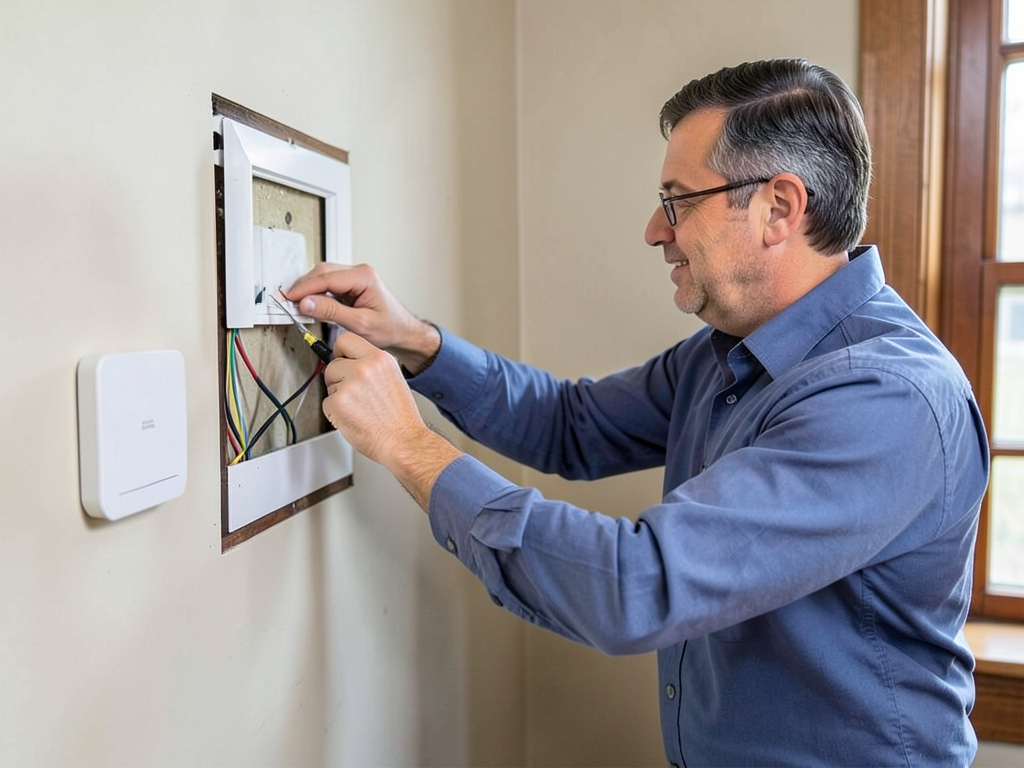
Can You Use a Nest Thermostat with an Older Two Wire System in Historic Northeast? Yes you can install a Nest thermostat in your Historic Northeast Kansas City home with older two-wire wiring but you…

Essential HVAC Safety Tips for Families with Toddlers and Crawling Babies in Lenexa\n\nDoes your crawling…
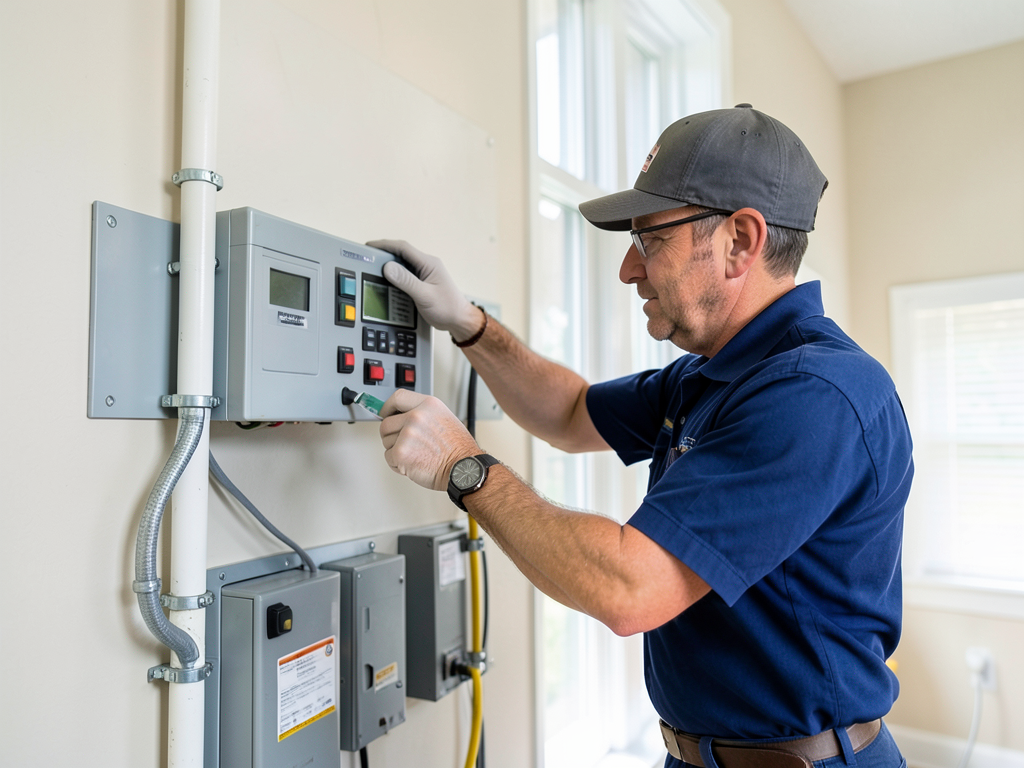
Your Olathe two-story home was built for comfort, but your master bedroom still feels like…
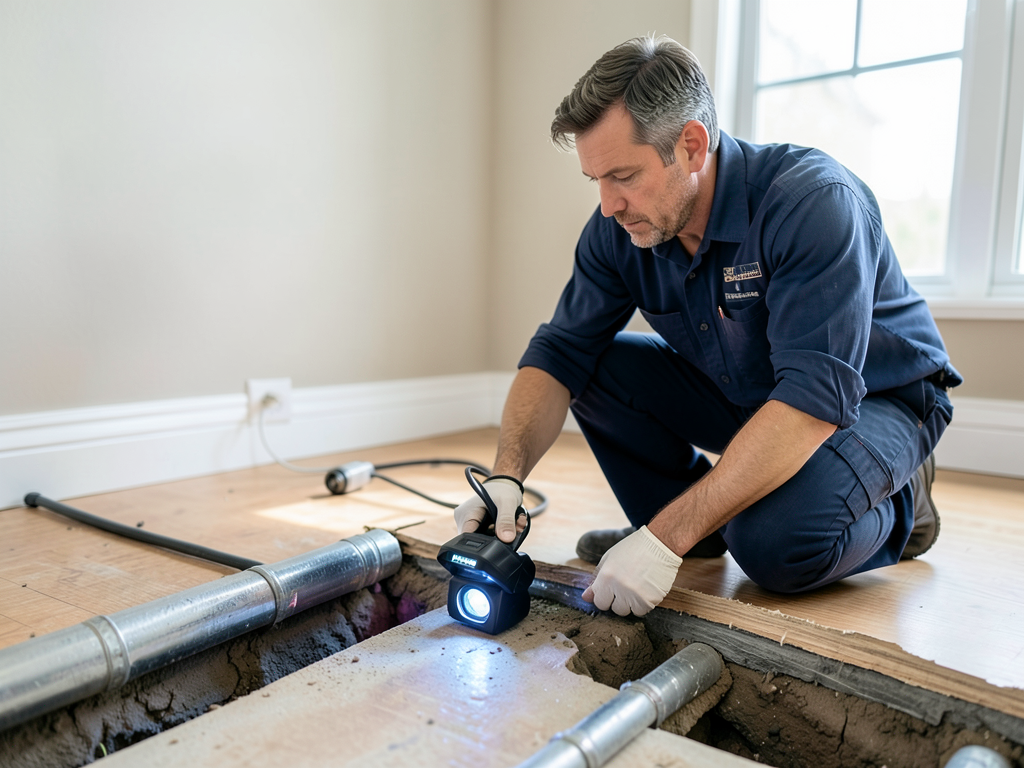
How Shifting Kansas City Clay Soil Can Actually Damage Your Underground Ductwork Kansas City’s expansive…
Your comfort matters. Whether you need emergency repair, system replacement, or maintenance service, United HVAC Kansas City responds fast with experienced technicians ready to solve your heating and cooling problems. Call (816) 473-9177 now for same-day service throughout Parkville.