





Menu

Zone Control Systems in Kansas City – Stop Wasting Money Heating and Cooling Empty Rooms

Multi-zone HVAC systems let you set different temperatures in different rooms, slashing energy bills while keeping your family comfortable in Kansas City's extreme temperature swings.

Slider Image 1
Slider Image 2
Slider Image 3
Slider Image 4
Slider Image 5
Slider Image 7
Slider Image 8
Slider Image 9
Slider Image 10
Slider Image 11

Kansas City Homes Fight Two Climate Enemies at Once

Kansas City's climate punishes single-zone HVAC systems. Summer heat waves push temperatures into the mid-90s with crushing humidity. Winter cold snaps drop below 20 degrees. Your central air system cranks at full capacity to satisfy one thermostat, blasting conditioned air into empty bedrooms, unused guest rooms, and spaces you visit twice a day.

The result is simple. You overpay every month.

Kansas City's older housing stock makes this worse. Homes in neighborhoods like Brookside, Waldo, and the Northland were built with single-zone forced air systems. Second floors bake in summer while basements stay frigid. South-facing rooms overheat while north-facing spaces need extra warmth. One thermostat cannot solve problems created by sun exposure, occupancy patterns, and architectural layout.

Zone control systems fix this. HVAC zoning systems divide your home into independent temperature zones. Each zone gets its own thermostat. Dampers in your ductwork open and close based on demand. You heat the kitchen during breakfast, cool the bedrooms at night, and ignore the basement until someone goes downstairs.

Zoned heating and cooling stops the waste. You pay to condition only the spaces you use, when you use them. Multi-zone HVAC adapts to Kansas City's weather extremes without overworking your equipment. Your furnace and air conditioner run shorter cycles. Your ducts deliver air where it matters.

This is not luxury. This is efficiency.

Kansas City Homes Fight Two Climate Enemies at Once
How Zoned HVAC Systems Actually Work

How Zoned HVAC Systems Actually Work

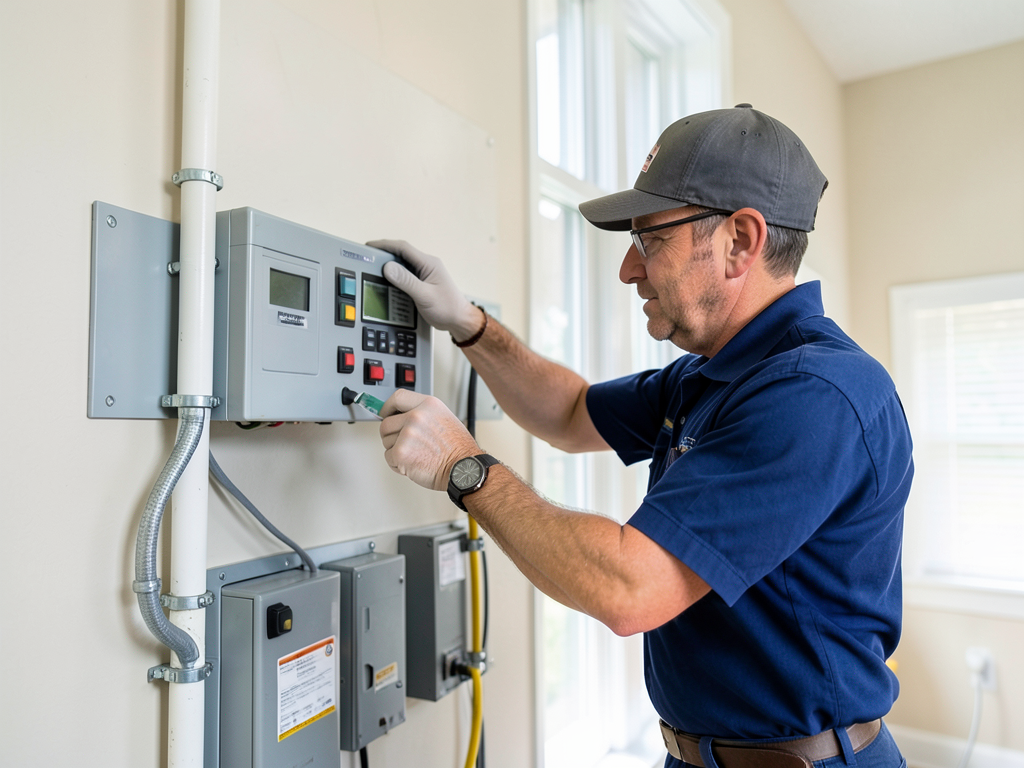
Central air zoning requires three components working together: a control panel, motorized dampers, and multiple thermostats.

The control panel acts as the brain. It receives temperature requests from each zone's thermostat and signals the dampers to adjust. When your upstairs bedroom calls for cooling but your main floor is satisfied, the control panel closes dampers to the lower zones and directs airflow upward. Your air handler runs, but conditioned air only reaches the spaces that need it.

Motorized dampers install inside your existing ductwork at branch points. These dampers open and close on command, controlling airflow to each zone. Quality dampers use spring-return mechanisms that fail open, preventing system pressure issues if power is lost. Dampers must be sized correctly for your duct system. Undersized dampers create static pressure buildup. Oversized dampers allow airflow bleed when closed.

Each zone gets a dedicated thermostat. You mount these in representative locations within each zone, away from direct sunlight, drafts, and heat sources. Thermostats communicate wirelessly or through low-voltage wiring to the control panel.

United HVAC Kansas City designs zoned systems based on actual load calculations, not guesswork. We measure duct sizes, calculate static pressure limits, and verify your air handler can support zoned operation. Many older systems need bypass dampers or variable-speed blowers to prevent pressure damage when multiple zones close simultaneously.

We do not install dampers and walk away. We verify balanced airflow, test each zone under load, and confirm your system maintains proper static pressure across all operating scenarios.

Your Path to Zoned Comfort

Zone Control Systems in Kansas City – Stop Wasting Money Heating and Cooling Empty Rooms
01

System Evaluation

We start with a complete assessment of your current HVAC system. Our technicians measure ductwork dimensions, test static pressure, and calculate your air handler's capacity. We evaluate your home's layout, identify natural temperature zones based on sun exposure and usage patterns, and verify your equipment can support damper installation. This evaluation determines if your system needs upgrades before zoning can work safely.
02

Custom Zone Design

We design your zone layout based on how you live. Bedrooms become one zone. Living areas become another. Problem rooms get independent control. We specify damper locations, calculate bypass requirements if needed, and plan thermostat placement. Our designs account for Kansas City building codes and manufacturer specifications. You review the plan before we install anything. No surprises.
03

Installation and Calibration

Installation takes one to two days depending on system complexity. We install dampers in your ductwork, mount the control panel, wire or configure wireless thermostats, and integrate everything with your existing HVAC equipment. After installation, we run each zone through heating and cooling cycles, verify damper operation, measure airflow balance, and teach you how to program your new thermostats. You get zoned comfort that actually works.

Why Kansas City Homeowners Choose United HVAC

Kansas City's housing diversity demands local HVAC expertise. We have worked in Prairie Village colonials, Brookside bungalows, and sprawling homes in Leawood. We know which systems adapt to Kansas City's temperature swings and which fail under local conditions.

Zoned HVAC systems require precision installation. Mistakes cause comfort problems, equipment damage, and wasted money. We have seen botched zone jobs where contractors installed dampers without checking static pressure limits. The result is cracked heat exchangers and failed compressors.

United HVAC Kansas City follows manufacturer specifications and local building codes. Kansas City requires permits for HVAC modifications that affect system safety or capacity. We pull permits, schedule inspections, and document our work. You get legal compliance and protected resale value.

We size bypass dampers correctly when your system needs them. Many forced air systems cannot handle the pressure increase when multiple zones close. Bypass dampers relieve this pressure by redirecting excess airflow. Improperly sized bypasses create hot spots in summer and temperature swings in winter. We calculate bypass sizing based on your specific equipment and ductwork configuration.

Our technicians train on zone control systems regularly. Technology changes. New damper designs improve reliability. Control panels add features. We stay current so your installation uses proven methods and quality components.

You also get honest answers. Not every home benefits from zoning. If your ductwork cannot support dampers without major modification, we tell you upfront. If a simpler solution solves your comfort problem, we recommend it. We build long-term relationships with Kansas City homeowners, not one-time sales.

What Happens After You Call

Timeline and Scheduling

Initial consultations typically happen within three business days of your call. During the consultation, a technician evaluates your HVAC system, measures your home's layout, and discusses your comfort goals. You receive a detailed proposal within 48 hours. Installation scheduling depends on system complexity and current workload. Most zone installations complete in one to two days. We coordinate with your schedule to minimize disruption. Emergency zone retrofits for comfort crises get priority scheduling when possible.

The Initial Assessment

Our assessment goes beyond walking through your home. We test your current system's static pressure, measure supply and return duct sizes, and verify your air handler's capacity. We identify architectural features that create temperature zones naturally. We ask how you use different spaces throughout the day. This information shapes zone design. You tell us which rooms matter most. We tell you what your system can support. The assessment takes 60 to 90 minutes and includes photos and measurements for documentation.

System Performance

Properly installed zone control systems deliver measurable results. You set different temperatures in different areas without fighting your HVAC equipment. Energy bills drop because you stop conditioning unused spaces. Equipment runtime decreases because your system works smarter, not harder. Temperature complaints end because each zone gets independent control. You verify performance immediately. Walk through your home during installation testing. Each zone should reach setpoint temperature within normal timeframes. Airflow should feel consistent across all supply registers in active zones.

Ongoing Support

Zone control systems add components to your HVAC system, and those components need occasional attention. Damper motors last years but eventually wear out. Control panels need software updates. We offer maintenance plans that include annual zone system inspections. During these inspections, we test damper operation, verify thermostat calibration, check control panel settings, and measure system static pressure. You also get priority service if problems develop. Most zone issues trace to thermostat programming or damper adjustment, both quick fixes for trained technicians.

Frequently Asked Questions

You Have Questions,
We Have Answers

What is a zone control system? +

A zone control system divides your home into separate areas, each with its own thermostat. Motorized dampers inside your ductwork open and close to direct airflow to specific zones based on demand. You control when and how much heating or cooling each room receives. This setup works well for multi-story homes in Kansas City, where upper floors heat up faster in summer. You save energy by conditioning only occupied spaces. Zone systems reduce hot and cold spots common in older Kansas City homes with single-system HVAC. Each zone operates independently for customized comfort.

What are the three primary types of zoning systems? +

The three primary types are damper-based systems, multiple HVAC units, and ductless mini-splits. Damper systems use motorized gates in existing ductwork to control airflow. Multiple HVAC units install separate furnaces or air handlers for different floors or home sections. Ductless mini-splits mount wall units in individual rooms, each with independent temperature control. In Kansas City's older homes with limited ductwork access, ductless systems avoid major renovations. Damper systems work best when you already have quality ductwork. Multiple units suit larger properties or homes with separate living quarters. Each type addresses different layouts and retrofit challenges.

How much does a zone control system cost? +

Zone control system costs vary based on your home size, existing ductwork condition, and number of zones. Adding dampers to existing ductwork typically costs less than installing multiple systems or ductless units. Kansas City homes with two-story layouts often need two to four zones for effective temperature management. The investment depends on how many thermostats you install, the complexity of your duct layout, and whether you need additional equipment upgrades. Cost factors include labor for running new thermostat wiring, damper installation, and control panel setup. Your return comes through lower utility bills and targeted comfort.

Are zoned HVAC systems worth it? +

Yes, zoned HVAC systems deliver value for Kansas City homes with multiple stories, finished basements, or large square footage. You stop heating or cooling empty bedrooms during work hours. You address the temperature differences caused by afternoon sun exposure on west-facing rooms. Kansas City's summer humidity and winter freezes create comfort challenges that single-zone systems cannot solve efficiently. Zone systems reduce wear on your equipment by running only when needed. You gain independent control over different living areas. The energy savings typically offset the installation investment within several years for most Kansas City households.

What is the $5000 rule for HVAC? +

The $5000 rule guides replacement decisions when your HVAC system needs major repairs. You multiply the repair cost by your equipment's age in years. If the result exceeds $5000, replace the entire system instead of repairing it. For example, a $400 repair on a 10-year-old furnace equals $4000, so you repair. A $600 repair on a 12-year-old unit equals $7200, so you replace. This rule helps Kansas City homeowners avoid throwing money at failing equipment. When considering zone control upgrades, factor this calculation into your decision about whether to repair or replace your base system first.

How much does it cost to add zones to HVAC system? +

Adding zones to your existing HVAC system depends on how many zones you create, your current ductwork condition, and accessibility. Each zone requires a motorized damper, thermostat, and wiring to a central control panel. Kansas City homes with accessible ductwork in basements or crawl spaces cost less to retrofit than homes with finished ceilings blocking duct access. Two-zone systems cost less than four-zone configurations. You also pay for the zone control panel and professional installation. Older homes may need additional ductwork modifications to balance airflow properly. Your specific layout determines the final investment required.

What is an example of a zoning system? +

A common zoning system example is a two-story Kansas City home with separate controls for upstairs and downstairs. The downstairs zone includes the living room, kitchen, and main floor bedrooms. The upstairs zone covers second-floor bedrooms and bonus rooms. Each zone has its own thermostat. When you set the downstairs to 72 degrees and upstairs to 68 degrees, motorized dampers adjust airflow accordingly. During Kansas City summers, you might cool only the occupied downstairs during the day, then switch to upstairs cooling at bedtime. This setup addresses the natural heat rise problem in multi-level homes.

How much does it cost to install a zone damper? +

Individual zone damper installation costs depend on damper size, ductwork accessibility, and whether you need round or rectangular fittings. Each damper mounts inside your existing ductwork at branch points. Kansas City homes with basement duct runs offer easier access than homes with attic-only ductwork. You pay for the motorized damper unit, wiring to your control panel, and labor. Homes requiring multiple dampers for comprehensive zone control see higher total costs. Professional installation ensures proper damper sizing and airflow balance. Incorrectly sized dampers create pressure problems that damage your HVAC equipment or reduce efficiency.

How to get around zoning restrictions? +

HVAC zoning restrictions typically relate to municipal building codes or homeowner association rules, not ways to circumvent them. Kansas City requires proper permitting for HVAC modifications to ensure safe installation and code compliance. If your question concerns property zoning laws for home additions or business use, consult Kansas City's planning and development department. For HVAC zone control systems, you must follow manufacturer specifications for minimum airflow requirements. Bypassing damper safety controls or ignoring static pressure limits damages your equipment. Work with licensed Kansas City HVAC contractors who understand local code requirements for compliant installations.

How much is HVAC for a 2000 square-foot house? +

HVAC costs for a 2000 square-foot house depend on equipment efficiency, ductwork condition, and system type. Kansas City's temperature extremes require properly sized equipment to handle both humid summers and cold winters. A standard furnace and air conditioner setup costs differently than a heat pump or high-efficiency variable-speed system. You pay more for homes needing ductwork replacement or significant modifications. Two-story homes often need zoning to address comfort issues, adding to the base system cost. Local installation labor rates and permit fees also factor in. Request multiple quotes from licensed Kansas City contractors for accurate pricing.

Kansas City's Temperature Extremes Make Zone Control Essential

Kansas City sits at the intersection of hot, humid summers and frigid continental winters. July temperatures regularly exceed 90 degrees with humidity above 70 percent. January lows drop below 20 degrees. This range stresses single-zone HVAC systems. Multi-story homes suffer worst. Heat rises in winter, leaving first floors cold. Sun-facing rooms overheat in summer while shaded spaces stay comfortable. Kansas City's older neighborhoods like Westport and Valentine were built before modern zoning technology existed. These homes fight comfort battles daily because one thermostat cannot manage multiple temperature environments created by extreme weather.

Kansas City building codes updated in recent years to emphasize energy efficiency. New construction often includes zoned HVAC as standard. Retrofit installations must meet the same safety standards. United HVAC Kansas City knows local inspection requirements and works with Kansas City's building department regularly. We understand which modifications require permits and how to document installations for inspection approval. Choosing a local HVAC contractor means working with someone who knows Kansas City's regulatory environment and has relationships with local inspectors. You get compliant work without delays or failed inspections.

HVAC Services in The Kansas City Area

View our service area and business location on the map below. We are proud to serve the entire Kansas City metro area, providing expert heating and cooling services to both residential and commercial clients. If you need a reliable HVAC partner, we are conveniently located to respond quickly to your needs, ensuring your indoor comfort is always our top priority.

Address:
United HVAC Kansas City, 1425 Agnes Ave, Kansas City, MO, 64127

Additional Services We Offer

Our news updates

Latest Articles & News from The Blogs

Comparing Mitsubishi and Daikin ductless systems for local homes When Kansas City homeowners face the decision between Mitsubishi and Daikin…

Comparing Mitsubishi and Daikin ductless systems for local homes

Comparing Mitsubishi and Daikin ductless systems for local homes When Kansas City homeowners face the decision between Mitsubishi and Daikin…

Protecting your piano and acoustic guitars from Kansas City humidity swings

Protecting Your Piano and Acoustic Guitars from Kansas City Humidity Swings\n\nYour musical instruments are more than just objects. They are…

Specialized Climate Control Tips for Indoor Gardeners and Hobbyists in the West Bottoms

Specialized Climate Control Tips for Indoor Gardeners and Hobbyists in the West Bottoms The West Bottoms industrial district faces unique…

Contact Us

Zone control systems pay for themselves through lower energy bills and better comfort. Call United HVAC Kansas City at (816) 473-9177 for a free zone system consultation. We evaluate your home, explain your options, and design a zoned HVAC solution that works.