Keeping mice and local critters out of your Weatherby Lake HVAC system this winter
Winter in Weatherby Lake means dropping temperatures and critters seeking warm shelter. Your HVAC system becomes an attractive nesting spot for mice, squirrels, and other local wildlife. These pests can damage wiring, block airflow, and even create fire hazards. Taking preventive steps now can save you costly repairs and keep your heating system running safely all season. EPA Section 608 regulations.
Why Weatherby Lake homes attract critters to HVAC systems
Weatherby Lake’s wooded setting and proximity to water create perfect conditions for wildlife near homes. As temperatures fall below freezing, mice and squirrels look for warm, enclosed spaces. Modern high-efficiency furnaces with PVC intake and exhaust pipes create ideal entry points. The International Mechanical Code requires these pipes to extend above ground level, but many Weatherby Lake homes lack proper critter guards. Same day furnace repair services for families in Lee’s Summit.
Local building codes in Platte County require intake and exhaust vents to be protected from debris and animals. Yet many installations from the past decade still use basic screens that rust or create airflow restrictions. When critters chew through these screens, they gain direct access to your ductwork and attic spaces. Local HVAC experts for boiler maintenance and repair near the Country Club Plaza.
Weatherby Lake’s clay soil expands and contracts with moisture changes, causing foundation shifts that create gaps around line sets and condensate drains. These gaps become highways for mice seeking entry. The combination of natural surroundings and aging home infrastructure makes Weatherby Lake properties particularly vulnerable to HVAC pest problems.
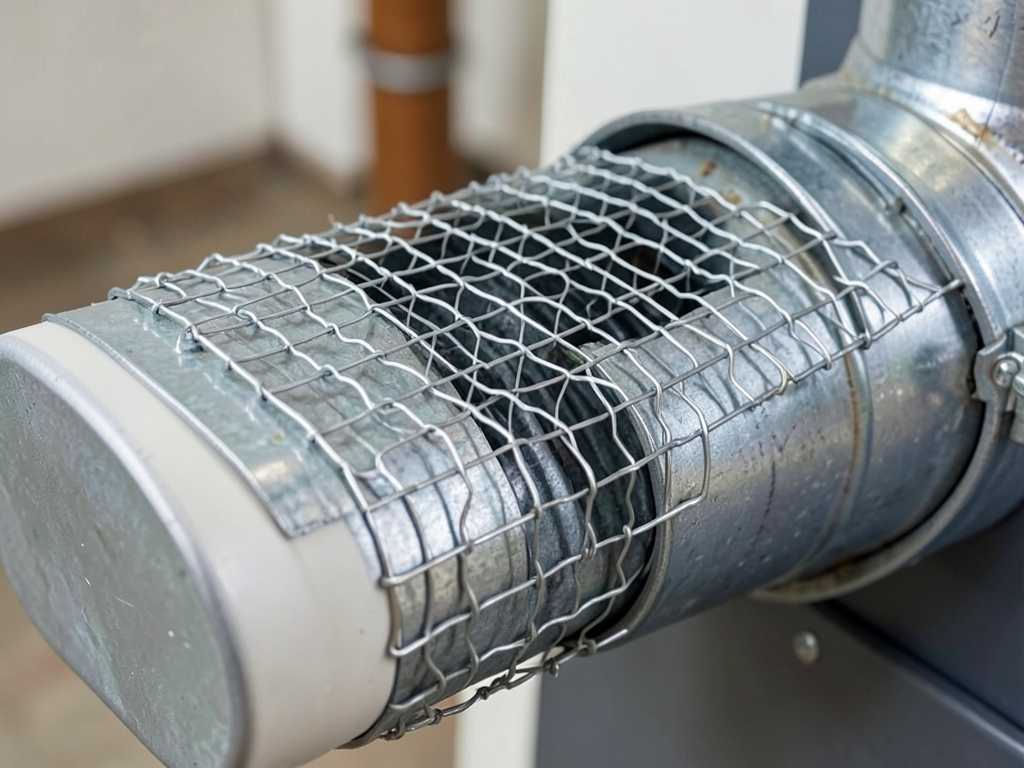
Image description: Close-up photo showing galvanized steel mesh installed over a furnace PVC vent pipe, demonstrating proper 1/4-inch mesh spacing that blocks rodents while maintaining airflow.
Common entry points mice use in Weatherby Lake HVAC systems
Understanding where critters enter helps you target prevention efforts. The most vulnerable spots include:
- PVC intake and exhaust pipes on high-efficiency furnaces
- Roof vents and attic fan openings
- Outdoor condenser units with accessible panels
- Wall penetrations for refrigerant lines and condensate drains
- Floor vents and duct connections in crawl spaces
Squirrels often target roof vents because they provide easy climbing access from nearby trees. Mice prefer ground-level entry through gaps around foundation penetrations. Both species can squeeze through openings as small as a dime.. Read more about The Real Reason Your Vents Smell Like Dirty Socks in Olathe.
Weatherby Lake’s mature trees create natural bridges to roofs and attic vents. Squirrels can jump several feet between branches and your home’s exterior. Once on the roof, they explore vents for weak spots. The area around Weatherby Lake experiences higher squirrel populations than more urban parts of Kansas City due to abundant food sources and nesting sites.
Outdoor condenser units become nesting sites when vegetation grows too close or when protective covers are missing. Mice build nests inside the unit’s electrical compartments, chewing through control wires and creating short circuits. This damage often goes unnoticed until the AC fails during summer heat. Storm Damage HVAC Repair.
Best materials for HVAC pest proofing
Choosing the right materials makes the difference between temporary fixes and long-term protection. Galvanized hardware cloth with 1/4-inch mesh provides the best balance of airflow and pest exclusion. This material resists rust and maintains its shape when properly installed.
Compare common pest-proofing materials:
| Material | Mesh Size | Airflow Impact | Rodent Resistance | Lifespan |
|---|---|---|---|---|
| Galvanized hardware cloth | 1/4 inch | Minimal | Excellent | 15+ years |
| Stainless steel mesh | 1/8 inch | Moderate | Excellent | 20+ years |
| Aluminum window screen | 1/8 inch | Good | Poor | 2-3 years |
| Plastic mesh | 1/4 inch | Good | Very poor | 1-2 years |
Never use expandable foam or plastic mesh for pest exclusion. Mice chew through foam easily, and plastic degrades quickly in UV exposure. These materials create a false sense of security while leaving your system vulnerable.
For wall penetrations, use galvanized steel flashing combined with silicone caulk. This creates a durable barrier that expands and contracts with temperature changes without cracking. The flashing provides a physical barrier while the caulk seals small gaps.
Commercial-grade vent covers with spring-loaded doors work well for dryer vents and exhaust fans. These covers open during operation and close when not in use, preventing entry while maintaining proper ventilation.
The expert warning: airflow and static pressure
Improper screens can restrict airflow enough to damage your HVAC system. When air cannot move freely through vents, your furnace’s limit switch may trip, shutting down the system. This creates a dangerous situation where your home loses heat during freezing weather.. Read more about How to Keep Your Furnace Intake Pipes Clear During a Kansas City Ice Storm.
Static pressure measures the resistance to airflow in your ductwork. Adding screens increases static pressure, forcing your blower motor to work harder. Over time, this extra strain can burn out the motor or cause premature failure of other components.
Professional HVAC technicians use manometers to measure static pressure before and after installing pest guards. The goal is keeping pressure increases below 0.1 inches of water column. This ensures your system maintains efficiency while staying protected from critters.
High-efficiency furnaces require specific vent pipe clearances per manufacturer specifications. Blocking these pipes with improper screens can cause dangerous carbon monoxide buildup inside your home. Always follow the International Fuel Gas Code requirements for vent termination clearances.
The EPA Section 608 regulations require proper handling of any refrigerant lines during pest-proofing work. If you notice damaged insulation or corroded lines while sealing penetrations, call a licensed technician. Improper sealing can trap moisture and accelerate corrosion.
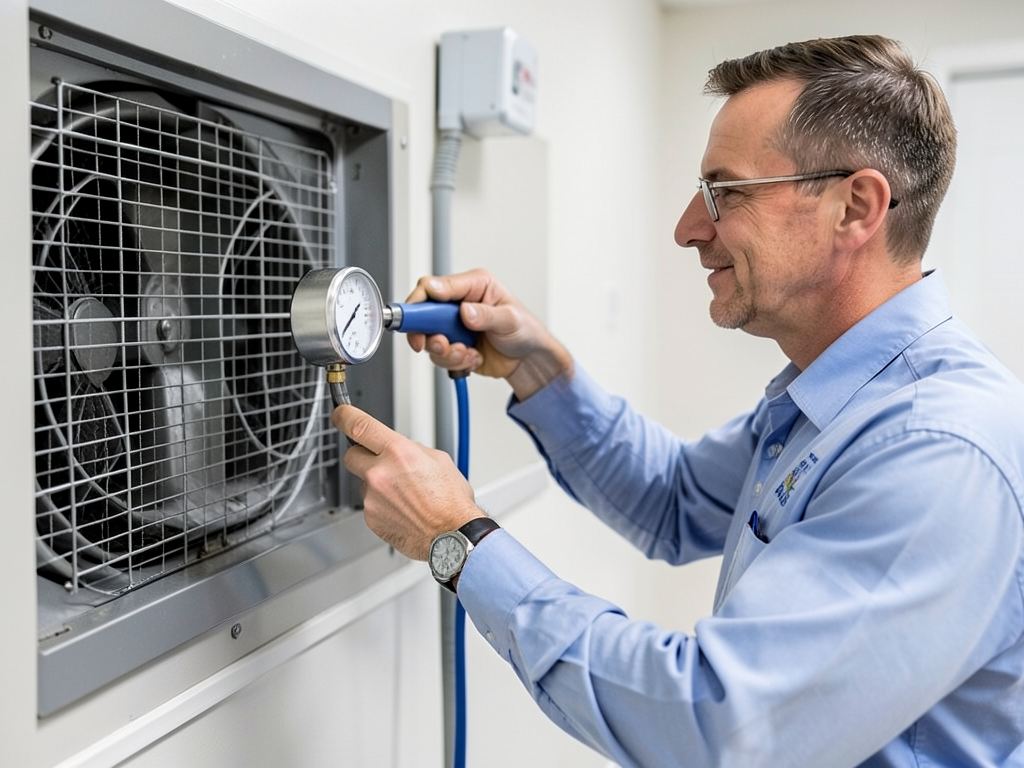
Image description: Technician using a manometer to measure static pressure at an HVAC vent, demonstrating professional testing of airflow after installing pest guards.
DIY vs. professional HVAC proofing in Weatherby Lake
Some pest prevention tasks are safe for homeowners, while others require professional expertise. You can safely install galvanized mesh over accessible vent pipes using self-tapping screws and silicone sealant. This simple upgrade blocks most rodent entry points.
However, attic inspections and internal duct cleaning should be handled by professionals. Weatherby Lake homes often have complex roof structures with limited access points. A professional can identify hidden entry points and assess damage without risking falls or creating new problems.. Read more about Why New Construction Homes in the Northland Still Have Comfort Problems.
Professional pest-proofing services include:
- Complete system inspection with thermal imaging to find heat loss points
- Attic and crawl space assessment for existing damage
- Proper installation of commercial-grade vent guards
- Testing of airflow and static pressure after modifications
- Identification of electrical hazards from chewed wires
The cost of professional service typically ranges from $300 to $800 depending on your home’s size and complexity. This investment prevents thousands in potential damage from rodent infestations or system failures.
Weatherby Lake’s older homes often have galvanized steel ductwork that rusts from the inside out. Professional technicians can identify sections weakened by corrosion that might collapse under the weight of nesting materials. This level of inspection requires specialized tools and experience.
If you hear scratching sounds in your walls or notice unusual odors from vents, call a professional immediately. These symptoms indicate active infestations that DIY methods cannot address. Rodents nesting in ductwork contaminate your indoor air with droppings and urine, creating health hazards for your family.
Seasonal pest calendar for Weatherby Lake
Understanding local pest patterns helps you time prevention efforts effectively. In Weatherby Lake, mice begin seeking indoor shelter when nighttime temperatures consistently drop below 50°F, typically in mid-October. This is the ideal time to inspect and upgrade your pest barriers.
November through February represents peak rodent activity as animals search for warm nesting sites. During this period, check your vents weekly for signs of chewing or nesting materials. Early detection prevents established infestations.
Spring brings different challenges as animals emerge from winter hiding. Squirrels may chew through winter-damaged screens to access previous nesting sites. Replace any damaged guards by early March before breeding season begins.
Summer requires different strategies as outdoor food sources become abundant. Keep vegetation trimmed at least 18 inches from your home’s foundation and HVAC equipment. This eliminates hiding spots and access routes for climbing animals.
Fall preparation should include cleaning debris from around your foundation and checking for new gaps created by summer soil movement. Weatherby Lake’s clay soil can shift up to several inches between wet and dry seasons, creating new entry points.
Local building codes and safety requirements
Platte County and Weatherby Lake follow the International Mechanical Code with local amendments. These codes specify minimum clearances for vent terminations and require protective guards on exterior openings. Understanding these requirements ensures your pest-proofing efforts remain compliant.
The International Mechanical Code Section 506.4 requires vent terminals to terminate at least 12 inches above grade and 12 inches from any wall opening. This prevents exhaust gases from re-entering the building while making vents less accessible to ground-dwelling pests.
Local amendments in Weatherby Lake may require additional protection for homes near the lake due to higher wildlife activity. Some neighborhoods have specific requirements for vent guards on properties backing to common areas or greenbelts.
The National Fire Protection Association Standard 211 addresses chimney and vent safety. This standard requires spark arrestors on chimney caps and proper clearances from combustible materials. These requirements overlap with pest prevention goals.
Carbon monoxide detectors are mandatory in all Weatherby Lake homes with fuel-burning appliances. When installing pest guards, ensure they do not interfere with proper vent function or create backdraft conditions that could trigger CO alarms.
Energy efficiency benefits of proper sealing
Pest-proofing your HVAC system often improves energy efficiency as a secondary benefit. Sealing gaps around line sets and penetrations prevents conditioned air from escaping and unconditioned air from entering. This reduces the workload on your heating and cooling equipment.
Weatherby Lake’s extreme seasonal temperature swings make air sealing particularly valuable. During winter, gaps that allow mouse entry also let cold drafts reduce your home’s effective R-value. The same gaps in summer let humidity and heat enter, forcing your AC to work harder.
Professional energy audits often reveal that pest entry points contribute significantly to overall air leakage. Sealing these gaps can reduce heating and cooling costs by 10-15% while simultaneously preventing animal entry.
The Evergy Home Energy Rebate program offers incentives for air sealing improvements. While pest-proofing isn’t specifically covered, the energy savings from proper sealing may qualify for rebates that offset your prevention costs.
Modern HVAC systems with variable-speed blowers are particularly sensitive to static pressure changes. Even small reductions in air leakage can improve system efficiency and extend equipment life. This makes pest-proofing a smart investment beyond just preventing animal damage. Smart Thermostat Benefits.
Image description: Technician installing galvanized hardware cloth over a furnace vent pipe, showing proper tool use and secure mounting technique to prevent rodent entry.
Emergency response for active infestations
Discovering an active rodent infestation requires immediate action to prevent system damage and health hazards. Turn off your HVAC system if you suspect animals in the ductwork to prevent spreading contamination throughout your home.
Signs of active infestation include scratching noises in walls, unusual odors from vents, and visible droppings near entry points. You might also notice your system cycling on and off frequently due to damaged wiring or blocked airflow.
Professional emergency services include:
- 24/7 emergency response for critical system failures
- Complete system decontamination and duct cleaning
- Electrical repairs for chewed wiring
- Installation of commercial-grade exclusion barriers
- Follow-up monitoring to ensure complete removal
The cost of emergency response typically starts around $500 for basic service calls and can exceed $2,000 for complete system restoration. Acting quickly minimizes these costs by preventing secondary damage. Who to call for 24 hour emergency AC repair in Shawnee when the heat index spikes.
Insurance coverage for rodent damage varies by policy. Many homeowners policies exclude rodent damage as a maintenance issue, but some cover damage to HVAC equipment if it causes secondary property damage. Document all damage with photos for insurance claims.
After professional removal, continue monitoring for several weeks. Mice often return to familiar nesting sites, so maintaining your new barriers is essential. Consider quarterly inspections during your first year after infestation to ensure complete resolution.
Maintaining your pest barriers
Regular maintenance keeps your pest-proofing effective year after year. Check vent guards quarterly for damage, rust, or debris accumulation. Clear leaves and twigs that can trap moisture and accelerate corrosion.
Inspect the area around your foundation monthly for new gaps or signs of digging. Weatherby Lake’s freeze-thaw cycles can create new entry points even in well-sealed homes. Early detection allows for simple repairs before animals establish entry routes.
Clean your HVAC system’s condensate drain line annually to prevent clogs that create moisture buildup around penetrations. Moisture attracts insects and creates conditions favorable for rodent nesting. A clean system is less attractive to pests.
Trim trees and shrubs away from your home’s exterior each fall. Vegetation touching your home provides bridges for squirrels and raccoons to access roof vents. Maintain at least a 3-foot clearance around all HVAC equipment.
Consider professional maintenance agreements that include pest barrier inspection. These services typically cost $150-300 annually but provide peace of mind and early detection of potential problems.
Document all maintenance and repairs with photos and notes. This record helps identify patterns and demonstrates due diligence if you ever need to file insurance claims for pest-related damage.
Call (816) 473-9177 today to protect your system
Don’t wait until you hear scratching in your walls or smell something burning from your vents. The cost of prevention is always less than the cost of repairs after an infestation. Our Weatherby Lake technicians understand local pest patterns and building requirements.
We offer comprehensive inspections that identify both obvious and hidden entry points. Our commercial-grade materials and professional installation ensure your system stays protected for years to come. We also test airflow and static pressure to verify your system operates safely after modifications.
Call (816) 473-9177 today to schedule your HVAC pest-proofing inspection. Whether you need simple vent guards or complete system assessment, we have the local expertise to protect your home this winter. Pick up the phone and call (816) 473-9177 before the next cold snap drives more critters into your heating system.
Frequently Asked Questions
What size mesh should I use to keep mice out of HVAC vents?
Use galvanized hardware cloth with 1/4-inch mesh openings. This size blocks mice while allowing adequate airflow for your furnace or AC system to operate safely.
Can I use spray foam to seal gaps around HVAC lines?
No, never use spray foam for pest exclusion. Mice easily chew through foam, and it creates moisture traps that accelerate corrosion. Use galvanized flashing and silicone caulk instead.
How much does professional HVAC pest-proofing cost in Weatherby Lake?
Professional pest-proofing typically costs $300-800 depending on your home’s size and the complexity of your HVAC system. This includes inspection, material installation, and airflow testing.
Will pest guards affect my furnace’s efficiency?
When properly installed with correct mesh size, pest guards have minimal impact on efficiency. Professional installation ensures static pressure increases stay below 0.1 inches of water column.
How often should I check my HVAC vents for pest activity?
Check your vents quarterly and after severe weather events. Weatherby Lake’s freeze-thaw cycles can create new gaps even in well-sealed homes. For more information, visit NFPA Standard 211.
{
“@context”: “https://schema.org”,
“@type”: “BlogPosting”,
“headline”: “Keeping mice and local critters out of your Weatherby Lake HVAC system this winter”,
“description”: “Protect your Weatherby Lake HVAC system from mice and critters this winter. Learn local prevention tips, building code requirements, and when to call (816) 473-9177 for help.”,
“wordCount”: 2512,
“datePublished”: “2026-05-20T09:47:00.000Z”,
“dateModified”: “2026-05-20T09:47:00.000Z”,
“inLanguage”: “en-US”,
“mainEntityOfPage”: {
“@type”: “WebPage”,
“@id”: “https://unitedhvackansascity.com”
},
“publisher”: {
“@type”: “LocalBusiness”,
“name”: “United HVAC Kansas City”,
“url”: “https://unitedhvackansascity.com”
},
“author”: {
“@type”: “Organization”,
“name”: “United HVAC Kansas City”,
“url”: “https://unitedhvackansascity.com”
},
“image”: {
“@type”: “ImageObject”,
“url”: “https://unitedhvackansascity.com/wp-content/uploads/2026/03/keeping-mice-and-local-critters-out-of-your-weathe-1.png”
}
}
{
“@context”: “https://schema.org”,
“@type”: “HVACBusiness”,
“name”: “United HVAC Kansas City”,
“url”: “https://unitedhvackansascity.com”,
“address”: {
“@type”: “PostalAddress”,
“addressLocality”: “Kansas City”
},
“areaServed”: {
“@type”: “City”,
“name”: “Kansas City”
}
}
{
“@context”: “https://schema.org”,
“@type”: “FAQPage”,
“mainEntity”: [
{
“@type”: “Question”,
“name”: “What size mesh should I use to keep mice out of HVAC vents?”,
“acceptedAnswer”: {
“@type”: “Answer”,
“text”: “Use galvanized hardware cloth with 1/4-inch mesh openings. This size blocks mice while allowing adequate airflow for your furnace or AC system to operate safely.”
}
},
{
“@type”: “Question”,
“name”: “Can I use spray foam to seal gaps around HVAC lines?”,
“acceptedAnswer”: {
“@type”: “Answer”,
“text”: “No, never use spray foam for pest exclusion. Mice easily chew through foam, and it creates moisture traps that accelerate corrosion. Use galvanized flashing and silicone caulk instead.”
}
},
{
“@type”: “Question”,
“name”: “How much does professional HVAC pest-proofing cost in Weatherby Lake?”,
“acceptedAnswer”: {
“@type”: “Answer”,
“text”: “Professional pest-proofing typically costs $300-800 depending on your home’s size and the complexity of your HVAC system. This includes inspection, material installation, and airflow testing.”
}
},
{
“@type”: “Question”,
“name”: “Will pest guards affect my furnace’s efficiency?”,
“acceptedAnswer”: {
“@type”: “Answer”,
“text”: “When properly installed with correct mesh size, pest guards have minimal impact on efficiency. Professional installation ensures static pressure increases stay below 0.1 inches of water column.”
}
},
{
“@type”: “Question”,
“name”: “How often should I check my HVAC vents for pest activity?”,
“acceptedAnswer”: {
“@type”: “Answer”,
“text”: “Check your vents quarterly and after severe weather events. Weatherby Lake’s freeze-thaw cycles can create new gaps even in well-sealed homes. For more information, visit NFPA Standard 211.”
}
}
]
}
{
“@context”: “https://schema.org”,
“@type”: “BreadcrumbList”,
“itemListElement”: [
{
“@type”: “ListItem”,
“position”: 1,
“name”: “Home”,
“item”: “https://unitedhvackansascity.com”
},
{
“@type”: “ListItem”,
“position”: 2,
“name”: “Blog”,
“item”: “https://unitedhvackansascity.com/blog”
},
{
“@type”: “ListItem”,
“position”: 3,
“name”: “Keeping mice and local critters out of your Weatherby Lake HVAC system this winter”
}
]
}
{
“@context”: “https://schema.org”,
“@type”: “Service”,
“serviceType”: “HVAC”,
“provider”: {
“@type”: “LocalBusiness”,
“name”: “United HVAC Kansas City”,
“url”: “https://unitedhvackansascity.com”
},
“areaServed”: {
“@type”: “City”,
“name”: “Kansas City”
},
“description”: “Protect your Weatherby Lake HVAC system from mice and critters this winter. Learn local prevention tips, building code requirements, and when to call (816) 473-9177 for help.”
}