





Kearney sits in the Missouri River valley where temperature swings test HVAC systems year-round. Summer heat regularly pushes past 95 degrees with humidity that makes it feel like 105. Winter cold snaps drop below zero. Your system runs harder than equipment in mild climates, which means more stress on compressors, heat exchangers, and blower motors.
Clay soil throughout the Kearney area shifts with moisture changes, causing foundation movement that can disconnect ductwork or damage outdoor units. Spring storms bring wind gusts that bend condenser fins and hail that dents compressor housings. The temperature differential between seasons creates constant expansion and contraction in ductwork, leading to seal failures and air leaks.
Homes near Centennial Park and around the Jesse James Festival Park face additional challenges from mature tree coverage. While beautiful, these trees drop leaves that clog outdoor units and provide shade that creates uneven cooling loads. Properties along Highway 92 deal with road dust that coats evaporator coils and reduces efficiency. Understanding these local conditions means knowing what breaks first and carrying the right parts to fix it.
We built our reputation on showing up when we say we will and fixing problems right the first time. Our technicians live and work in the Kansas City metro, which means we understand Missouri weather and what it does to heating and cooling equipment. We have serviced HVAC systems in Kearney homes for years, from newer subdivisions near Kearney High School to established neighborhoods along Jesse James Drive.
Every truck carries a full inventory of common parts for residential systems. We stock compressors, blower motors, capacitors, contactors, thermostats, and refrigerant. This preparation means we fix most problems during the first visit instead of making you wait days for parts to arrive. When your system fails at the worst possible time, same-day repair matters.
Our technicians receive ongoing training on new equipment and refrigerant regulations. We work on all major brands including Carrier, Trane, Lennox, Goodman, Rheem, and York. Whether your system uses R-22 refrigerant or newer 410A, we have the equipment and certification to handle it properly. We perform load calculations before installing new equipment to ensure proper sizing for your home's square footage and insulation level.
Communication separates good service from frustrating experiences. We call 30 minutes before arrival, explain what failed and why, and provide upfront pricing before starting work. No hidden fees. No surprise charges. You approve the repair cost before we pick up a wrench. This straightforward approach has earned us repeat customers who call us first when problems happen.

When your air conditioner quits during a heat wave or your furnace fails on a freezing night, waiting days for repair is not acceptable. We dispatch technicians quickly and carry parts to complete most repairs during the first visit. Your comfort restored today, not next week.

Every service vehicle carries an extensive inventory of parts for residential HVAC systems. Compressors, motors, capacitors, thermostats, and refrigerant are ready to install. This preparation eliminates the frustration of multiple visits and waiting for parts orders. We finish the job during our first trip.
Our technicians hold proper Missouri licenses and EPA certifications for refrigerant handling. They receive regular training on new equipment technology and installation standards. This expertise means repairs done correctly the first time with no callbacks or repeated failures on the same component.
We understand how Missouri River valley humidity affects indoor air quality and how clay soil movement impacts ductwork. We know which HVAC problems hit Kearney homes hardest and stock parts accordingly. This local experience means faster diagnosis and repairs tailored to conditions you actually face.
United HVAC Kansas City handles every aspect of residential heating and cooling in Kearney. We repair failed equipment, maintain systems to prevent breakdowns, and replace aging units that cost more to run than new installations. Our service range covers emergency repairs when something quits working, planned maintenance to extend equipment life, and complete system replacements when repair costs no longer make financial sense.
Air conditioning repair demands quick response during Missouri summers. When your AC fails, indoor temperatures climb fast. We prioritize cooling emergencies and carry parts for common failures like seized compressors, failed capacitors, and refrigerant leaks. Heating repairs get the same urgency during winter. A failed furnace in January creates dangerous conditions. We respond quickly to restore safe indoor temperatures.
Maintenance prevents expensive failures. Annual inspections catch small problems before they become emergency repairs. We clean coils, check refrigerant levels, test electrical connections, and verify airflow. This proactive service extends equipment life and reduces utility bills. System replacement becomes necessary when repair costs approach 50% of new equipment value or when your current system uses obsolete R-22 refrigerant. We perform load calculations to size new equipment correctly for your home's specific needs.
Equipment failures do not wait for convenient times. Compressors seize during July heat waves. Furnaces quit during January freezes. We respond quickly to restore comfort when failures happen. Our technicians diagnose the problem, explain what failed and why, and complete repairs using parts carried on every truck. Most emergency calls get resolved the same day.
Annual maintenance catches problems before they cause failures. We inspect electrical connections, clean coils, check refrigerant charge, and test safety controls. Regular service extends equipment life, reduces utility costs, and prevents emergency repairs. Spring AC tune-ups and fall furnace inspections prepare your system for peak demand seasons when failures cause the most discomfort and expense.
Old systems eventually cost more to repair than replace. When your equipment reaches this point, proper installation of new units ensures years of reliable service. We perform Manual J load calculations to size equipment correctly for your home's square footage, insulation, and window area. Proper sizing prevents short cycling and humidity problems. We install systems that match your home's specific cooling and heating needs.
Missouri's temperature extremes and humidity create specific HVAC challenges. Summer humidity overworks air conditioners trying to remove moisture from indoor air. Winter temperature swings from warm afternoons to freezing nights stress heating systems. Clay soil movement common throughout Kearney disconnects ductwork at joints and cracks refrigerant lines. Understanding these local patterns helps diagnose problems quickly.
Older homes near downtown Kearney often have undersized ductwork from original construction. Previous owners added insulation and replaced windows without upgrading duct systems. This creates airflow restrictions that reduce efficiency and cause uneven temperatures between rooms. Newer subdivisions sometimes have opposite problems with oversized equipment that short cycles and fails to control humidity.
Spring storms damage outdoor equipment. Wind bends condenser fins and reduces airflow. Hail dents compressor housings and refrigerant lines. Tree debris clogs outdoor coils. These weather-related problems spike after every severe weather event. Recognizing storm damage quickly prevents compressor failures from restricted airflow.
Missouri summers push air conditioners to their limits. Compressors run continuously during heat waves, building heat and stress. Failed start capacitors prevent compressors from starting. Refrigerant leaks cause compressors to overheat. Dirty condenser coils restrict heat rejection. These problems escalate quickly from reduced cooling to complete system failure.
Furnace heat exchangers crack from repeated heating and cooling cycles. Metal expands when hot and contracts when cold. After years of this stress, cracks develop. Cracked heat exchangers allow combustion gases into your home's air. This creates carbon monoxide risk. Heat exchanger replacement often costs more than furnace replacement on older systems.
Clay soil throughout Kearney swells when wet and shrinks when dry. This movement shifts foundations and floor systems. Ductwork connected to these moving structures separates at joints. Disconnected ducts pump conditioned air into crawl spaces and attics instead of living areas. You pay to cool or heat spaces you do not use.
Vibration, corrosion, and foundation movement create refrigerant leaks in copper lines. Low refrigerant charge reduces cooling capacity and causes compressors to run continuously. Simply adding refrigerant without fixing the leak wastes money and damages the environment. Proper repair locates the leak, repairs the line, evacuates the system, and recharges to manufacturer specifications.
We built our service process around clear communication and respect for your time. When you call with an HVAC problem, we gather information about symptoms to help our technician prepare. We provide a service window and call 30 minutes before arrival so you are not waiting around all day. Our technician arrives in a marked vehicle with your service details already loaded.
The diagnostic process starts with listening to your description of the problem. You know what changed and when it started happening. This information guides our inspection. We test the system, measure temperatures and pressures, and inspect components. Once we identify the failed part or system, we explain what happened in plain language without technical jargon meant to confuse.
Before starting any repair, you receive upfront pricing for the work. No surprises. No hidden charges. You approve the cost before we begin. If the repair requires an unexpected part not on the truck, we tell you immediately and provide options. Most repairs finish during the first visit because we stock parts. After completing work, we test the system to verify proper operation and clean up the work area.
You talk to a person, not a voicemail system, when you call for service. We ask about your system and symptoms to prepare the right technician with appropriate tools and parts. We provide a service window, not an all-day wait. You receive a call 30 minutes before our technician arrives. This respect for your time continues through the entire service visit with updates about progress and completion time.
After diagnosing the problem, our technician explains what failed and provides the repair cost before picking up a wrench. You decide whether to proceed based on complete information. No surprise charges appear on the final bill. The quote you approve is the price you pay. This transparency builds trust and eliminates the anxiety that comes with unclear pricing.
We stand behind our repairs with warranty coverage on parts and labor. If the same component fails again within the warranty period, we return to fix it at no additional charge. This guarantee means you can trust that repairs are done correctly the first time. We use quality replacement parts designed for reliable service, not cheap components that fail quickly.
We designed our service process to fix your problem quickly without wasting your time. Three steps get your system running again.
Our technician inspects your system and tests components to identify what failed. We check electrical connections, measure refrigerant pressures, test temperature splits, and inspect mechanical parts. Proper diagnosis prevents replacing parts that are not broken. We explain what we found, why the component failed, and what it takes to fix it. You receive clear information to make an informed decision.
After you approve the quoted price, we complete the repair using parts carried on our truck. Most residential HVAC repairs finish within a few hours. We replace failed components, test system operation, and verify proper performance. Our technicians clean up the work area and remove all packaging and old parts. You are not left with a mess to handle after we leave.
Before leaving, our technician verifies that your system operates correctly and answers any questions about the repair. We provide documentation of work completed and parts installed. You receive warranty information for the repair. If any problems develop with the repair, you have direct contact information to reach us quickly. We follow up to ensure your system continues running properly.
Missouri adopted the International Mechanical Code with state amendments that govern HVAC installation and repair. These codes exist to protect homeowners from unsafe installations and ensure equipment operates efficiently. Understanding these requirements helps you recognize quality work versus shortcuts that create future problems.
Refrigerant handling follows EPA Section 608 regulations. Technicians must hold proper certification to purchase, handle, and recover refrigerant. The days of simply adding refrigerant to leaking systems ended years ago. Current law requires locating and repairing leaks, evacuating the system with a vacuum pump, and recharging to manufacturer specifications. This process ensures proper system operation and prevents environmental damage from refrigerant releases.
Furnace installations must follow combustion air and venting requirements. High-efficiency furnaces require specific venting materials and slope angles to drain condensate properly. Gas line sizing must match the furnace input rating to prevent insufficient gas flow. Electrical connections require proper wire gauges and overcurrent protection. These specifications prevent carbon monoxide problems and electrical fires.
Air conditioner installations require proper refrigerant line sizing based on outdoor unit location and line length. Undersized lines restrict refrigerant flow and reduce capacity. Incorrectly brazed connections leak. Outdoor unit placement must provide adequate service clearance for future maintenance and sufficient airflow to reject heat. Ductwork must be properly sized and sealed to deliver rated airflow. Manual J load calculations determine proper equipment size for your home's specific heat gain and loss.
Electrical codes require proper disconnect switches, wire sizing for amperage loads, and overcurrent protection. Many older installations lack these safety features. When replacing equipment, bringing electrical systems to current code standards protects your home from electrical hazards. Clay County requires permits for new HVAC installations and system replacements. Permitted work receives inspection to verify code compliance.
Federal law requires EPA Section 608 certification to purchase and handle refrigerants. Technicians must prove knowledge of proper recovery, evacuation, and charging procedures. This certification prevents refrigerant releases that damage the atmosphere. Always verify that your HVAC company employs certified technicians before allowing refrigerant work on your system.
Repair costs depend on failed component prices, labor time, and refrigerant quantities. Compressor replacement costs more than capacitor replacement because compressors are expensive parts requiring refrigerant recovery and system evacuation. Emergency service costs more than scheduled maintenance because technicians respond quickly during peak demand. Parts availability affects pricing when uncommon components require special orders.
Simple repairs like thermostat or capacitor replacement take less than an hour. Compressor replacement requires four to six hours for refrigerant recovery, component replacement, evacuation, and recharge. Complete system replacement takes one to two days depending on ductwork modifications and electrical upgrades. Weather and parts availability affect timelines for complex jobs requiring multiple visits.
New HVAC installations and system replacements require permits from Clay County. Permitted work receives inspection to verify code compliance for safety and efficiency. Permits protect homeowners by ensuring installations meet minimum standards. Unpermitted work creates problems during home sales when buyers discover missing permits. Always hire contractors who pull proper permits.
This video explains common HVAC problems in Kearney, Missouri, caused by extreme weather and local soil conditions. Learn why air conditioners fail during summer heat, how humidity affects system performance, and what signs indicate your equipment needs repair. United HVAC Kansas City demonstrates proper diagnostic procedures and repair techniques for residential heating and cooling systems. Topics include compressor failures, refrigerant leaks, ductwork disconnections, and preventive maintenance schedules.
United HVAC Kansas City services all of Kearney and surrounding Clay County communities. We regularly work in established neighborhoods along Jesse James Drive and Washington Street near downtown where mature homes require ductwork modifications and system replacements. These older properties often have undersized equipment from decades past when air conditioning was considered a luxury rather than necessity.
Newer subdivisions along Highway 92 east toward Liberty feature modern construction with better insulation and more efficient duct systems. These homes typically need maintenance and occasional repairs rather than complete system overhauls. We service properties near Kearney High School and around the Centennial Park area where families value fast response times during equipment failures.
West Kearney along Plattsburg Road and Highway 33 includes both residential and agricultural properties with varied HVAC needs. Rural homes sometimes rely on propane furnaces instead of natural gas, requiring technicians familiar with LP gas conversions and pressure settings. We handle these specialized installations and repairs.
The Missouri River valley creates unique humidity challenges throughout the Kearney area. Homes near waterways and low-lying areas battle higher moisture levels that overwork air conditioning systems trying to dehumidify. We help homeowners understand why their systems run constantly during humid periods and recommend solutions when equipment cannot keep pace with moisture loads.
North Kearney near Interstate 35 has seen substantial growth with new construction spreading toward Holt and Excelsior Springs. These modern homes feature high-efficiency equipment that requires trained technicians familiar with variable-speed technology and smart thermostat integration. We stay current with these advances to service the latest HVAC systems properly.
Our service area extends throughout Clay County to communities like Liberty, Smithville, and Gladstone. This coverage means Kearney residents receive the same fast response and quality work as our customers throughout the Kansas City metro area.
HVAC systems in Kearney face unique challenges due to Nebraska's climate extremes. Summers reach 90°F while winters drop below zero. Your heating and cooling equipment must handle temperature swings of over 100 degrees annually. Local HVAC professionals understand these demands and recommend systems sized for both extreme heat and cold. Regular maintenance becomes essential because equipment works harder in severe weather. Spring and fall tune-ups help prevent breakdowns during peak seasons. Most Kearney homes need both central air conditioning and forced-air furnaces to stay comfortable year-round.
Annual HVAC maintenance in Kearney protects your investment and prevents emergency repairs. Schedule furnace inspections each fall before cold weather arrives. Air conditioner check-ups belong on your spring calendar. Technicians clean components, check refrigerant levels, test safety controls, and identify worn parts before they fail. Regular filter changes every 1-3 months improve efficiency and air quality. Professional maintenance extends equipment life by 5-10 years and reduces energy bills by up to 15%. Most breakdowns happen on the coldest or hottest days when you need your system most.
Kearney homeowners typically choose between gas furnaces, heat pumps, and central air conditioners. Gas furnaces dominate because natural gas remains affordable and performs well in harsh winters. Heat pumps work efficiently in moderate weather but struggle when temperatures drop below 25°F. Central air conditioning paired with a gas furnace offers the most reliable year-round comfort. System size matters tremendously. Oversized units cycle on and off frequently, wasting energy and reducing comfort. Undersized equipment runs constantly and never reaches desired temperatures. Professional load calculations determine the right size for your home.
HVAC systems in Kearney face unique challenges due to Nebraska's climate extremes. Summers reach 90°F while winters drop below zero. Your heating and cooling equipment must handle temperature swings of over 100 degrees annually. Local HVAC professionals understand these demands and recommend systems sized for both extreme heat and cold. Regular maintenance becomes essential because equipment works harder in severe weather. Spring and fall tune-ups help prevent breakdowns during peak seasons. Most Kearney homes need both central air conditioning and forced-air furnaces to stay comfortable year-round.
Annual HVAC maintenance in Kearney protects your investment and prevents emergency repairs. Schedule furnace inspections each fall before cold weather arrives. Air conditioner check-ups belong on your spring calendar. Technicians clean components, check refrigerant levels, test safety controls, and identify worn parts before they fail. Regular filter changes every 1-3 months improve efficiency and air quality. Professional maintenance extends equipment life by 5-10 years and reduces energy bills by up to 15%. Most breakdowns happen on the coldest or hottest days when you need your system most.
Kearney homeowners typically choose between gas furnaces, heat pumps, and central air conditioners. Gas furnaces dominate because natural gas remains affordable and performs well in harsh winters. Heat pumps work efficiently in moderate weather but struggle when temperatures drop below 25°F. Central air conditioning paired with a gas furnace offers the most reliable year-round comfort. System size matters tremendously. Oversized units cycle on and off frequently, wasting energy and reducing comfort. Undersized equipment runs constantly and never reaches desired temperatures. Professional load calculations determine the right size for your home.
Your HVAC system should last 15-20 years with proper maintenance. Warning signs indicate when replacement makes more sense than repair. Systems older than 15 years lose efficiency and need frequent repairs. Rising energy bills suggest declining performance. Uneven temperatures between rooms mean your system struggles to distribute air properly. Strange noises like grinding or squealing indicate mechanical problems. Frequent cycling or difficulty maintaining temperature shows capacity issues. If repair expenses exceed half the replacement value, invest in new equipment. Modern systems use 30-40% less energy than units from the early 2000s.
HVAC energy efficiency directly impacts your monthly utility bills and home comfort. SEER ratings measure air conditioner efficiency, with higher numbers indicating better performance. Modern systems achieve SEER ratings of 14-25, compared to 8-10 for older units. AFUE ratings measure furnace efficiency as a percentage of fuel converted to heat. High-efficiency furnaces reach 95-98% AFUE. Programmable thermostats reduce energy waste by adjusting temperatures when you sleep or leave home. Proper insulation and sealed ductwork prevent conditioned air from escaping. Small efficiency improvements compound into significant savings over time.
Indoor air quality affects your health and comfort more than most people realize. Dust, pollen, pet dander, and mold spores circulate through your HVAC system. Standard filters trap large particles but miss smaller contaminants. Upgrading to MERV 11-13 filters removes more pollutants without restricting airflow. Whole-home air purifiers eliminate bacteria and viruses. Humidifiers add moisture during dry winter months when heating systems create desert-like conditions. Dehumidifiers remove excess moisture in summer, preventing mold growth. Regular duct cleaning every 3-5 years removes accumulated debris. Better air quality reduces allergies, asthma symptoms, and respiratory issues.
Emergency HVAC repairs in Kearney become more common during temperature extremes. Furnaces fail most often during January and February cold snaps. Air conditioners quit during July and August heat waves. Prevent emergencies by scheduling maintenance before peak seasons. Keep emergency numbers accessible for after-hours breakdowns. Change filters regularly to prevent system strain. Clear snow and debris from outdoor units to maintain proper airflow. Listen for unusual sounds that warn of developing problems. Many HVAC companies offer emergency service, but response times and fees vary. Preventive maintenance costs far less than emergency repairs during extreme weather.
Smart thermostats transform how you control home comfort and energy use. These devices learn your schedule and adjust temperatures automatically. You control settings remotely through smartphone apps, perfect for unexpected schedule changes. Energy reports show usage patterns and suggest efficiency improvements. Smart thermostats work with most existing HVAC systems and install in under an hour. They reduce energy bills by 10-23% through optimized scheduling and automatic adjustments. Features include geofencing that detects when you leave home, multi-zone control, and weather-based adjustments. Many utility companies offer rebates that offset purchase expenses.
Ductwork problems waste energy and reduce comfort in Kearney homes. Leaking ducts lose 20-30% of conditioned air before it reaches living spaces. Poor insulation causes temperature loss as air travels through unconditioned areas like attics and crawl spaces. Disconnected or crushed ducts block airflow to specific rooms. Dirty ducts circulate contaminants throughout your home. Professional duct sealing fixes leaks and improves efficiency. Proper insulation prevents energy waste. Duct design affects performance. Undersized ducts restrict airflow while oversized ducts reduce pressure. Well-designed and maintained ductwork ensures even temperatures and lower energy bills.
Choosing an HVAC professional in Kearney requires careful research. Look for companies with established local reputations and years of experience. Read online reviews from multiple sources to identify consistent patterns. Ask friends and neighbors for recommendations based on their experiences. Request detailed written estimates from at least three companies before deciding. Compare equipment brands, warranties, and service agreements. Verify the company performs background checks on technicians who enter your home. Ask about maintenance plans that include regular tune-ups. Transparent pricing and clear communication indicate professional service. Avoid companies that pressure you into immediate decisions.
Your HVAC system should last 15-20 years with proper maintenance. Warning signs indicate when replacement makes more sense than repair. Systems older than 15 years lose efficiency and need frequent repairs. Rising energy bills suggest declining performance. Uneven temperatures between rooms mean your system struggles to distribute air properly. Strange noises like grinding or squealing indicate mechanical problems. Frequent cycling or difficulty maintaining temperature shows capacity issues. If repair expenses exceed half the replacement value, invest in new equipment. Modern systems use 30-40% less energy than units from the early 2000s.
HVAC energy efficiency directly impacts your monthly utility bills and home comfort. SEER ratings measure air conditioner efficiency, with higher numbers indicating better performance. Modern systems achieve SEER ratings of 14-25, compared to 8-10 for older units. AFUE ratings measure furnace efficiency as a percentage of fuel converted to heat. High-efficiency furnaces reach 95-98% AFUE. Programmable thermostats reduce energy waste by adjusting temperatures when you sleep or leave home. Proper insulation and sealed ductwork prevent conditioned air from escaping. Small efficiency improvements compound into significant savings over time.
Indoor air quality affects your health and comfort more than most people realize. Dust, pollen, pet dander, and mold spores circulate through your HVAC system. Standard filters trap large particles but miss smaller contaminants. Upgrading to MERV 11-13 filters removes more pollutants without restricting airflow. Whole-home air purifiers eliminate bacteria and viruses. Humidifiers add moisture during dry winter months when heating systems create desert-like conditions. Dehumidifiers remove excess moisture in summer, preventing mold growth. Regular duct cleaning every 3-5 years removes accumulated debris. Better air quality reduces allergies, asthma symptoms, and respiratory issues.
Emergency HVAC repairs in Kearney become more common during temperature extremes. Furnaces fail most often during January and February cold snaps. Air conditioners quit during July and August heat waves. Prevent emergencies by scheduling maintenance before peak seasons. Keep emergency numbers accessible for after-hours breakdowns. Change filters regularly to prevent system strain. Clear snow and debris from outdoor units to maintain proper airflow. Listen for unusual sounds that warn of developing problems. Many HVAC companies offer emergency service, but response times and fees vary. Preventive maintenance costs far less than emergency repairs during extreme weather.
Smart thermostats transform how you control home comfort and energy use. These devices learn your schedule and adjust temperatures automatically. You control settings remotely through smartphone apps, perfect for unexpected schedule changes. Energy reports show usage patterns and suggest efficiency improvements. Smart thermostats work with most existing HVAC systems and install in under an hour. They reduce energy bills by 10-23% through optimized scheduling and automatic adjustments. Features include geofencing that detects when you leave home, multi-zone control, and weather-based adjustments. Many utility companies offer rebates that offset purchase expenses.
Ductwork problems waste energy and reduce comfort in Kearney homes. Leaking ducts lose 20-30% of conditioned air before it reaches living spaces. Poor insulation causes temperature loss as air travels through unconditioned areas like attics and crawl spaces. Disconnected or crushed ducts block airflow to specific rooms. Dirty ducts circulate contaminants throughout your home. Professional duct sealing fixes leaks and improves efficiency. Proper insulation prevents energy waste. Duct design affects performance. Undersized ducts restrict airflow while oversized ducts reduce pressure. Well-designed and maintained ductwork ensures even temperatures and lower energy bills.
Choosing an HVAC professional in Kearney requires careful research. Look for companies with established local reputations and years of experience. Read online reviews from multiple sources to identify consistent patterns. Ask friends and neighbors for recommendations based on their experiences. Request detailed written estimates from at least three companies before deciding. Compare equipment brands, warranties, and service agreements. Verify the company performs background checks on technicians who enter your home. Ask about maintenance plans that include regular tune-ups. Transparent pricing and clear communication indicate professional service. Avoid companies that pressure you into immediate decisions.
View our service area and business location on the map below. We are proud to serve the entire Kansas City metro area, providing expert heating and cooling services to both residential and commercial clients. If you need a reliable HVAC partner, we are conveniently located to respond quickly to your needs, ensuring your indoor comfort is always our top priority.
Address:
Kearney, MO, 64060
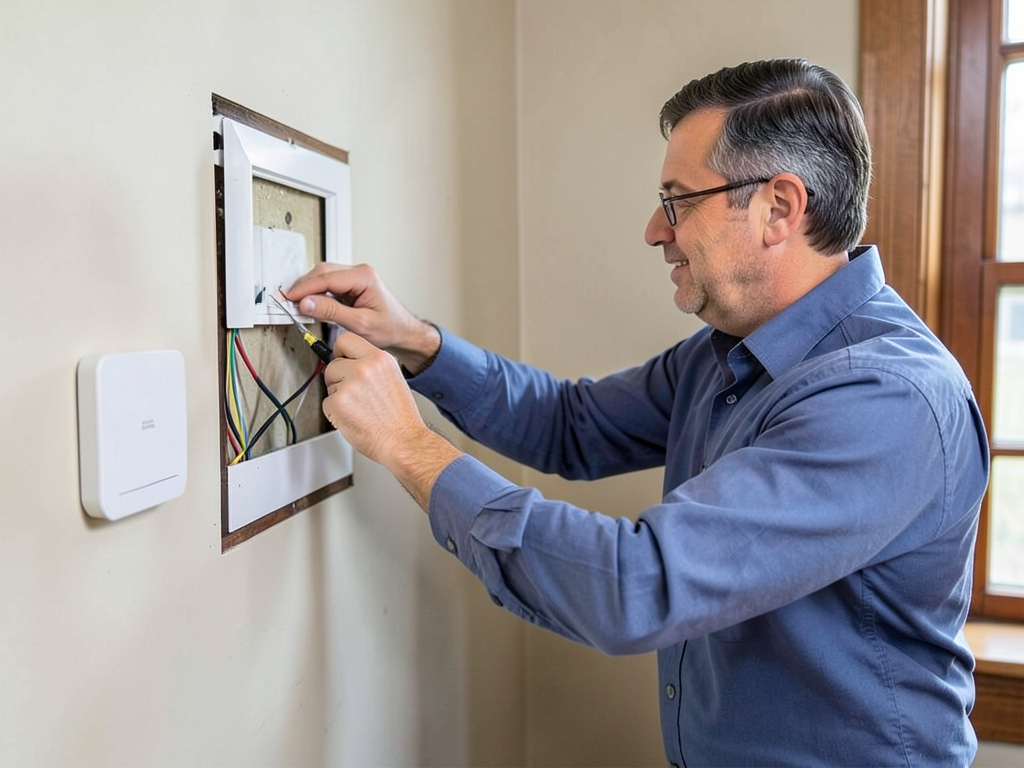
Can You Use a Nest Thermostat with an Older Two Wire System in Historic Northeast? Yes you can install a Nest thermostat in your Historic Northeast Kansas City home with older two-wire wiring but you…

Essential HVAC Safety Tips for Families with Toddlers and Crawling Babies in Lenexa\n\nDoes your crawling…
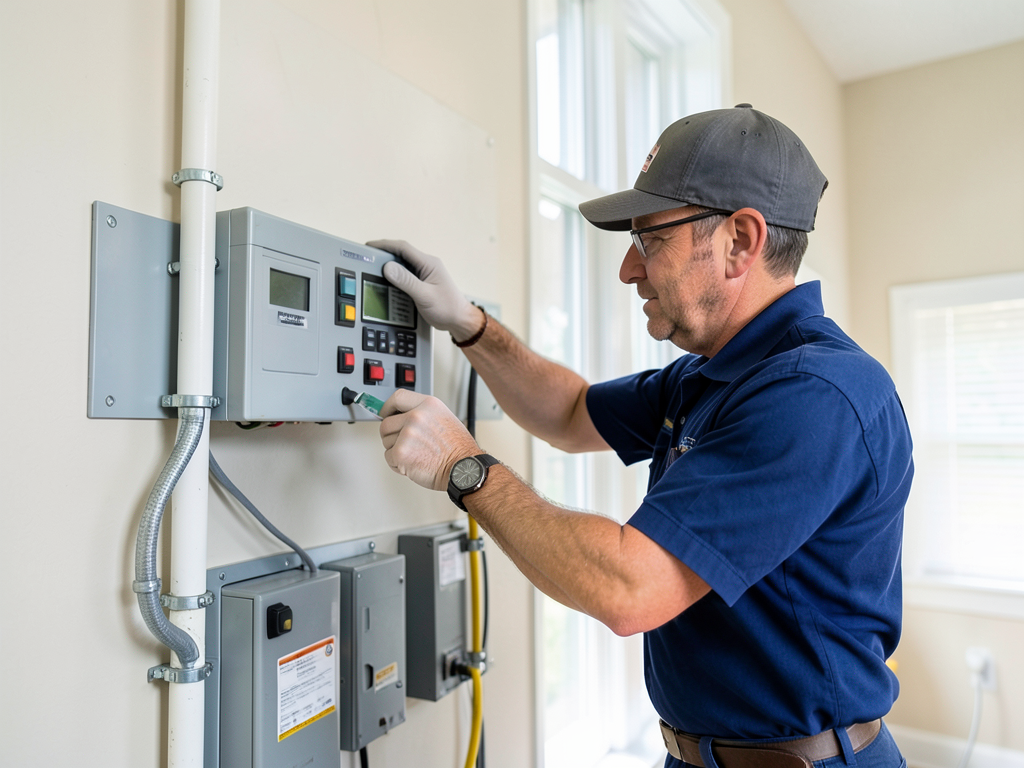
Your Olathe two-story home was built for comfort, but your master bedroom still feels like…
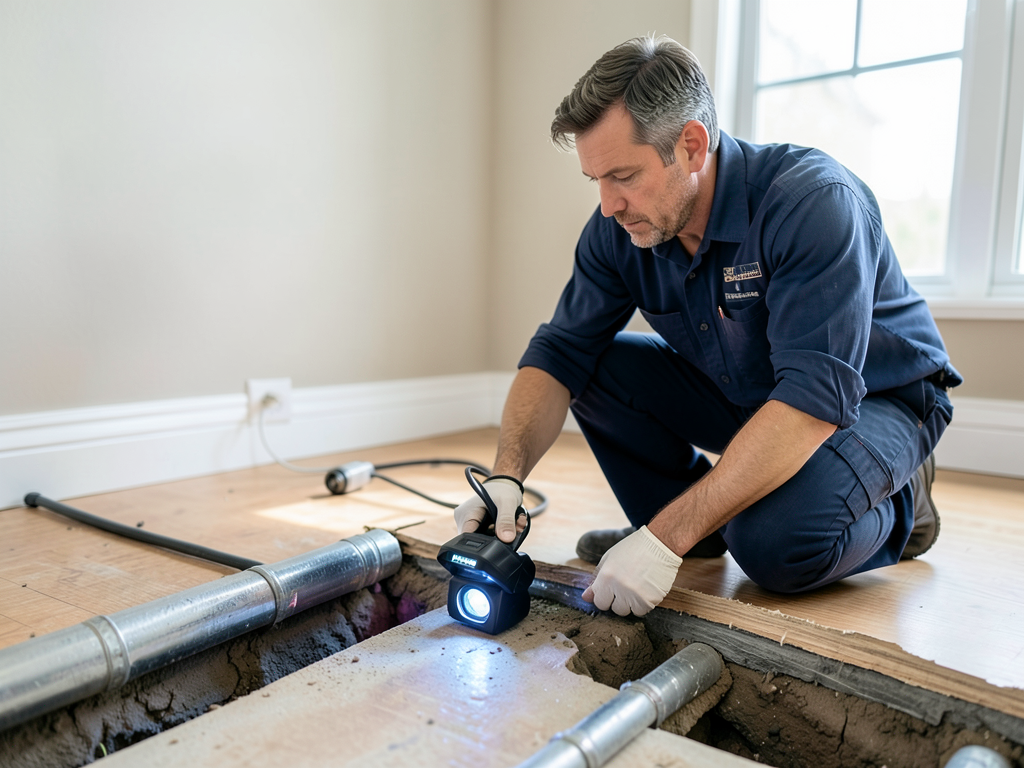
How Shifting Kansas City Clay Soil Can Actually Damage Your Underground Ductwork Kansas City’s expansive…
When your heating or cooling system fails, every hour without comfort matters. Call United HVAC Kansas City at (816) 473-9177 right now for fast service. We answer your call, diagnose the problem, and restore your comfort today. Your home deserves reliable HVAC service.