
Can You Use a Nest Thermostat with an Older Two Wire System in Historic Northeast?
Yes you can install a Nest thermostat in your Historic Northeast Kansas City home with older two-wire wiring but you need to understand the wiring and choose the right solution. Many homes in this area built before the 1970s have simple two-wire setups that lack the common wire smart thermostats need. Without it your Nest may lose connection or shut down unexpectedly. Knowing your wiring and exploring proven fixes can help you avoid frustration and keep your home comfortable year-round. Nest Power Connector.
Common Challenges with Vintage Wiring (No C-Wire)
Most smart thermostats including the Nest need a C-wire for continuous 24V power. In older Kansas City homes especially those built before central air became common the original thermostat wiring is often just two wires red and white used for basic heating control. This setup lacks the dedicated return path a C-wire provides. Without it your smart thermostat may drain its internal battery disconnect from Wi-Fi or shut down unexpectedly. Homes in the Historic Northeast often have these two-wire systems because they were built with simple gravity furnaces or early forced-air systems that didn’t require advanced thermostat controls. Nest Thermostat compatibility.
How to Identify Your Existing HVAC Wiring
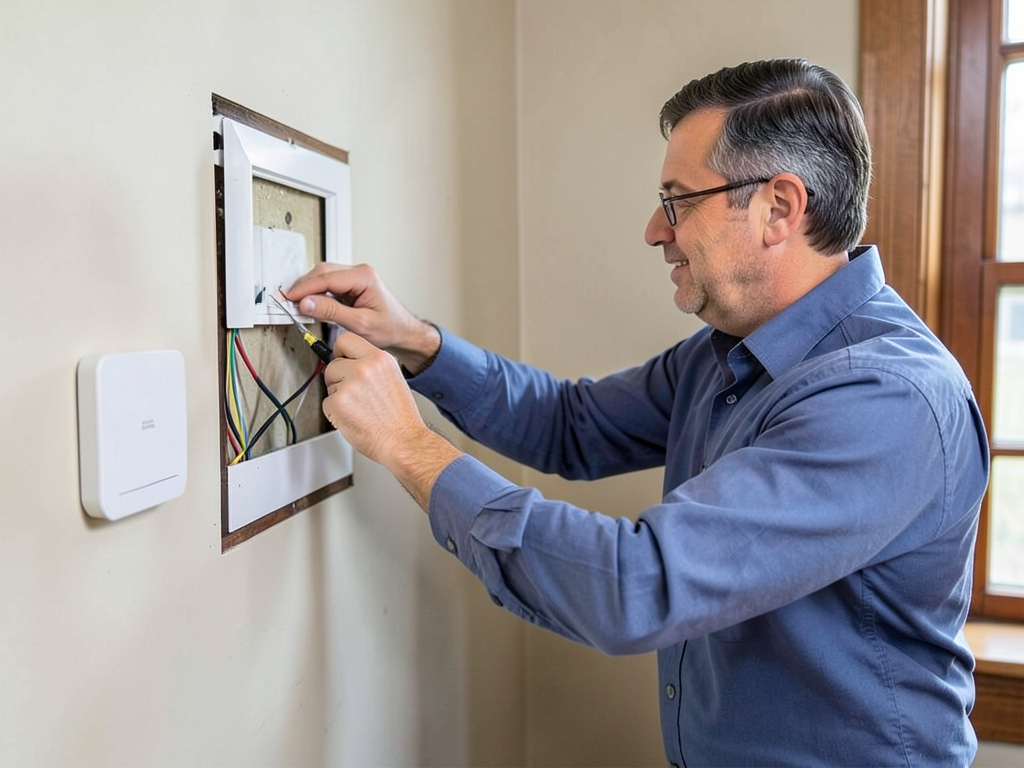
Before buying a new thermostat confirm what wiring you have. First turn off power to your HVAC system at the breaker. Remove the thermostat faceplate and look at the wires connected to the terminals. If you see only two wires usually red (R) and white (W) you have a two-wire system. If you see more wires note their colors and which terminals they connect to. Next check your furnace or air handler. Remove the access panel and look for the thermostat cable entering the unit. Older Kansas City homes in the Northeast often have cloth-covered or thin plastic thermostat wire running from the thermostat to the basement unit. This visual inspection helps determine if your system is compatible with a smart thermostat or if you’ll need an upgrade. Thermostat wiring guide.
Understanding the 2-Wire vs. 4-Wire Dilemma
A two-wire system uses just a hot (R) and a call-for-heat (W) wire. A four-wire system adds a cooling wire (Y) and often a fan wire (G) and sometimes a C-wire. The C-wire is the key difference. It provides a return path for continuous low-voltage power. Without it smart thermostats must steal power from the heating or cooling circuits which can cause erratic behavior. In the Historic Northeast many homes have only two wires because they were built for simple heating systems. If your home has central air added later the installer may have run a new cable but many still only use two wires. Knowing this helps you understand why your vintage wiring may not support a modern smart thermostat without modification. Why historic Brookside homes need specialized high velocity AC systems.
3 Ways to Make a Nest Work in an Older Home
Upgrading your thermostat in a historic Kansas City home doesn’t mean replacing your entire HVAC system. There are three proven methods to get your Nest working with older wiring. Each has pros and cons depending on your home’s layout your comfort with DIY and your budget. The goal is to provide the Nest with a stable power source without compromising your vintage system’s integrity. Here’s how to make it happen.
Option 1: The Nest Power Connector (The Modern Solution)
The Nest Power Connector is a small device that provides the C-wire your thermostat needs without running new cable. It installs at your furnace or air handler and draws power from the existing system. This often offers the easiest fix for two-wire setups in older homes. The connector works with most low-voltage heating and cooling systems and works with both Nest Learning Thermostat and Nest Thermostat E. Installation involves mounting the device inside your HVAC unit and connecting it to the R and C terminals. Because it uses existing wiring it preserves your home’s vintage character. This solution is ideal for Historic Northeast homes where running new wire through plaster walls would be costly or disruptive. Same day furnace repair services for families in Lee’s Summit.
Option 2: Using the G-Wire as a C-Wire (The Workaround)
If your system has a G-wire (for the fan) but no dedicated C-wire you can sometimes repurpose the G-wire as a C-wire. This works if your thermostat doesn’t need the G-wire for fan control such as in a system with a dedicated fan switch. To do this you connect the G-wire to the C-terminal on both the thermostat and the furnace control board. This provides the constant power the Nest needs. However this method has limitations. If your system uses the G-wire for fan operation this workaround can cause issues. It’s also not suitable for systems with heat pumps or complex zoning. In older Kansas City homes this option works best if you have a basic furnace and no central air or if you’re okay with manual fan control.
Option 3: Pulling New Thermostat Wire (The Professional Fix)
The most reliable solution is to run a new thermostat cable with a C-wire from your thermostat to your HVAC unit. This ensures full compatibility with any smart thermostat and avoids the limitations of the other methods. However in historic homes this can be challenging. Walls in the Historic Northeast are often plaster and lath making fishing new wire difficult and expensive. A professional HVAC technician can assess your home’s layout and determine the best path for new wiring. They may need to run the cable through unfinished basements attics or along baseboards. This option is best if you’re planning a full system upgrade or if you want the most reliable future-proof setup. It also ensures compliance with local electrical codes such as the Kansas City MO Mechanical Code which governs low-voltage wiring installations. How to find a reliable air conditioning repair technician in Overland Park.
When to Call a Kansas City HVAC Professional
While some homeowners can handle basic thermostat wiring older Kansas City homes often present unique challenges. If your system is a vintage boiler has line-voltage wiring or you’re unsure about your home’s electrical setup it’s time to call a professional. Line-voltage systems common in very old homes use thick wires and can deliver dangerous current mistakes here can cause shocks or damage your HVAC. A licensed HVAC technician can test your system with a multimeter verify voltage and ensure safe installation. They can also help you choose the right Nest model for your setup. For homes in the Historic Northeast where preserving original features is important a pro can recommend solutions that maintain your home’s character while adding modern convenience. Call (816) 473-9177 today to schedule your inspection. Storm Damage HVAC Repair.
Frequently Asked Questions About Nest and Older Systems
Will a Nest work without a C-wire?
It can but with limitations. The Nest can operate using power stealing from your heating or cooling circuits but this may cause the display to go blank or Wi-Fi to disconnect during long off-cycles. In older Kansas City homes where winters can be harsh and systems cycle less frequently this can be a real problem. The Nest Power Connector or a new C-wire is recommended for reliable operation.
How do I know if I have line-voltage or low-voltage wiring?
Low-voltage wiring is thin usually 18- to 22-gauge and connects to terminals labeled R W Y G or C. Line-voltage wiring is thick often 12- or 14-gauge and may have wire nuts or be connected to a simple switch. If you see thick wires or a switch instead of a terminal block you likely have line-voltage. This is common in homes built before 1950. Line-voltage systems require special thermostats and should only be handled by a professional.
Can I use a Nest with a boiler system?
Yes but it depends on your wiring. Many older Kansas City homes in the Northeast have boiler systems with only two wires for heating. In this case you’ll need the Nest Power Connector or a new cable with a C-wire. If your boiler has a three-wire setup (R W and C) the Nest will work directly. Always verify compatibility before purchasing.
Is it worth upgrading my old thermostat?
Smart thermostats offer convenience energy savings and remote control which can be valuable in Kansas City’s climate. However if your current system works and you’re comfortable with manual control the upgrade may not be necessary. If you want modern features and your wiring can support it the investment can pay off in comfort and efficiency. A professional assessment can help you decide.
How much does it cost to add a C-wire in a historic home?
Costs vary depending on your home’s layout and the complexity of the installation. In the Historic Northeast where walls are plaster and running new wire is labor-intensive expect to pay between $150 and $400 for a professional installation. This includes labor materials and testing. The Nest Power Connector is a lower-cost alternative typically under $50 for the part with minimal installation time.
What if I have a heat pump?
Heat pumps require a bit more wiring than simple heating systems. They typically need at least a four-wire setup including a C-wire for proper operation with a smart thermostat. If your current wiring is only two wires you’ll need to run a new cable or use the Nest Power Connector. Heat pumps also have specific terminal requirements so professional installation is recommended to ensure compatibility and efficiency.
Can I install the Nest myself?
If you have basic electrical skills and your wiring is straightforward DIY installation is possible. However in older Kansas City homes especially those in the Historic Northeast wiring can be unpredictable. If you’re unsure about your system type voltage or wiring condition it’s best to hire a professional. Mistakes can damage your HVAC system or create safety hazards. Always turn off power at the breaker before working on any thermostat wiring.
What are the local building code considerations?
In Kansas City thermostat wiring must comply with the National Electrical Code (NEC) and local mechanical codes. This includes using the correct wire gauge proper insulation and secure connections. For low-voltage systems 18-gauge thermostat wire is standard. If you’re running new wire through walls you may need to follow additional fire safety codes especially in historic districts. A licensed HVAC contractor will ensure your installation meets all local requirements and preserves your home’s integrity. Local HVAC experts for boiler maintenance and repair near the Country Club Plaza.
Will a smart thermostat work with my vintage radiators?
If your home has hot water or steam radiators you likely have a boiler system. Smart thermostats like the Nest can work with these systems but you need the right wiring. Many older radiator systems only have two wires so you’ll need the Nest Power Connector or a new cable with a C-wire. The thermostat will control your boiler’s call for heat but it won’t control cooling (since radiators don’t cool). If you have both radiators and central air you may need a more advanced thermostat or separate controls for each system.
How do I test my existing wiring?
Use a multimeter to check for voltage at your thermostat terminals. With the system on you should see about 24V AC between the R and C terminals. If you don’t have a C-wire check between R and common at the furnace. If you get no voltage or only see voltage when the system is running your wiring may not support a smart thermostat without modification. Always turn off power before testing and use caution with electrical components.
What if my home has asbestos or old insulation?
In very old Kansas City homes especially those built before the 1970s you may encounter asbestos in pipe insulation or vermiculite in walls. If you suspect asbestos do not disturb it. Running new wiring could release hazardous fibers. In this case the Nest Power Connector is the safest option as it doesn’t require running new cable through walls. If you must run new wire hire a professional who is trained in asbestos safety and local regulations.
Can I use a smart thermostat with a zone control system?
Zone control systems use multiple thermostats to control different areas of your home. Adding a smart thermostat to a zoned system can be complex. You may need a special thermostat designed for zoning or you may need to rewire your system. In older Kansas City homes especially those with added zones it’s best to consult a professional to ensure compatibility and avoid disrupting your existing setup.
What about Wi-Fi reliability in older homes?
Historic Northeast homes often have thick plaster walls and metal lath which can interfere with Wi-Fi signals. If your thermostat is far from your router you may experience connectivity issues. Consider a Wi-Fi extender or a mesh network to ensure your smart thermostat stays connected. Also make sure your home’s electrical system is grounded as poor grounding can cause Wi-Fi interference and erratic thermostat behavior.
Are there any smart thermostat models designed for older systems?
Some smart thermostats are more forgiving of older wiring than others. The Nest Thermostat E for example is designed to work with fewer wires and can operate without a C-wire in many cases. However for the most reliable performance in older Kansas City homes the Nest Learning Thermostat with a Power Connector or a new C-wire is still the best choice. Always check the manufacturer’s compatibility tool before purchasing.
What should I do if my Nest keeps losing power?
If your Nest loses power frequently it’s likely due to insufficient wiring. This is common in older homes without a C-wire. Try installing the Nest Power Connector or running a new cable with a C-wire. If the problem persists have a professional check your system for voltage drops loose connections or other electrical issues. In Kansas City’s climate where systems run often reliable power is essential for comfort and efficiency.
How do I maintain my smart thermostat?
Smart thermostats require minimal maintenance. Keep the screen clean with a soft dry cloth. Check for software updates through the app. If you have an older home periodically check the wiring connections at both the thermostat and the furnace to ensure they remain secure. If you notice erratic behavior it may be time to have your system inspected by a professional especially if your home is in the Historic Northeast where wiring can degrade over time.
Can I use a smart thermostat with a whole-house fan?
Whole-house fans are common in older Kansas City homes as a way to cool without air conditioning. If you have a whole-house fan you may need a thermostat that can control both your HVAC and the fan. Some smart thermostats offer this capability but you may need additional wiring or a relay. In homes with both radiators and whole-house fans a professional can help you design a system that maximizes comfort and efficiency.
What are the energy savings with a smart thermostat?
Smart thermostats can save you up to 15% on heating and cooling costs by learning your schedule and adjusting temperatures automatically. In Kansas City where summers are hot and humid and winters can be freezing these savings add up. However the actual savings depend on your home’s insulation your HVAC system’s efficiency and your usage habits. In older homes improving insulation and sealing drafts can further boost savings.
Should I upgrade my entire HVAC system instead?
If your HVAC system is over 15 years old upgrading to a high-efficiency furnace or air conditioner can provide better comfort and lower energy bills than just adding a smart thermostat. In older Kansas City homes especially those in the Historic Northeast a full system upgrade may also allow you to add central air where none existed before. A professional can help you weigh the costs and benefits of a full upgrade versus a thermostat-only solution.
What if I’m not ready for a smart thermostat?
If you’re not comfortable with smart technology or your wiring isn’t compatible a programmable thermostat is a good middle ground. These devices let you set schedules for temperature changes offering some energy savings without the need for Wi-Fi or advanced wiring. In older Kansas City homes a programmable thermostat can be a cost-effective way to improve comfort and efficiency until you’re ready for a full smart upgrade.
How do I choose the right thermostat for my home?
Consider your home’s age wiring HVAC system type and your comfort with technology. For older Kansas City homes in the Historic Northeast the Nest Thermostat E with a Power Connector is often the best choice. If you have a complex system or want the most features the Nest Learning Thermostat may be worth the extra cost. Always verify compatibility before purchasing and consider a professional installation for the best results.
Where can I get help with installation?
For reliable thermostat installation in the Kansas City area especially in historic neighborhoods call a local HVAC professional. They can assess your wiring recommend the best solution and ensure your new thermostat is installed safely and correctly. For homes in the Historic Northeast where preserving original features is important a pro can help you modernize without compromising your home’s character. Call (816) 473-9177 today to schedule your inspection.
What if I have more questions?
If you’re still unsure about your thermostat options or need help with installation don’t hesitate to reach out. Every home is different especially in historic neighborhoods. A quick call to a local expert can save you time money and frustration. Whether you need a simple upgrade or a complete system overhaul professional advice can help you make the best choice for your home and your budget.
Ready to upgrade your thermostat?
If you’re ready to enjoy the convenience and comfort of a smart thermostat the next step is to assess your current wiring and choose the right solution. For homes in the Historic Northeast where wiring can be a challenge professional help is often the best path forward. Call (816) 473-9177 today to schedule your inspection and take the first step toward a smarter more comfortable home.
{
“@context”: “https://schema.org”,
“@type”: “BlogPosting”,
“headline”: “Can You Use a Nest Thermostat with an Older Two Wire System in Historic Northeast?”,
“description”: “Learn how to install a Nest thermostat in your Historic Northeast Kansas City home with older two-wire wiring. Find wiring solutions, local codes, and expert help.”,
“wordCount”: 3050,
“datePublished”: “2026-06-10T08:24:00.000Z”,
“dateModified”: “2026-06-10T08:24:00.000Z”,
“inLanguage”: “en-US”,
“mainEntityOfPage”: {
“@type”: “WebPage”,
“@id”: “https://unitedhvackansascity.com”
},
“publisher”: {
“@type”: “LocalBusiness”,
“name”: “United HVAC Kansas City”,
“url”: “https://unitedhvackansascity.com”
},
“author”: {
“@type”: “Organization”,
“name”: “United HVAC Kansas City”,
“url”: “https://unitedhvackansascity.com”
},
“image”: {
“@type”: “ImageObject”,
“url”: “https://unitedhvackansascity.com/wp-content/uploads/2026/03/can-you-use-a-nest-thermostat-with-an-older-two-wi-1.png”
}
}
{
“@context”: “https://schema.org”,
“@type”: “HVACBusiness”,
“name”: “United HVAC Kansas City”,
“url”: “https://unitedhvackansascity.com”,
“address”: {
“@type”: “PostalAddress”,
“addressLocality”: “Kansas City”
},
“areaServed”: {
“@type”: “City”,
“name”: “Kansas City”
}
}
{
“@context”: “https://schema.org”,
“@type”: “FAQPage”,
“mainEntity”: [
{
“@type”: “Question”,
“name”: “Will a Nest work without a C-wire?”,
“acceptedAnswer”: {
“@type”: “Answer”,
“text”: “It can but with limitations. The Nest can operate using power stealing from your heating or cooling circuits but this may cause the display to go blank or Wi-Fi to disconnect during long off-cycles. In older Kansas City homes where winters can be harsh and systems cycle less frequently this can be a real problem. The Nest Power Connector or a new C-wire is recommended for reliable operation.”
}
},
{
“@type”: “Question”,
“name”: “How do I know if I have line-voltage or low-voltage wiring?”,
“acceptedAnswer”: {
“@type”: “Answer”,
“text”: “Low-voltage wiring is thin usually 18- to 22-gauge and connects to terminals labeled R W Y G or C. Line-voltage wiring is thick often 12- or 14-gauge and may have wire nuts or be connected to a simple switch. If you see thick wires or a switch instead of a terminal block you likely have line-voltage. This is common in homes built before 1950. Line-voltage systems require special thermostats and should only be handled by a professional.”
}
},
{
“@type”: “Question”,
“name”: “Can I use a Nest with a boiler system?”,
“acceptedAnswer”: {
“@type”: “Answer”,
“text”: “Yes but it depends on your wiring. Many older Kansas City homes in the Northeast have boiler systems with only two wires for heating. In this case you’ll need the Nest Power Connector or a new cable with a C-wire. If your boiler has a three-wire setup (R W and C) the Nest will work directly. Always verify compatibility before purchasing.”
}
},
{
“@type”: “Question”,
“name”: “Is it worth upgrading my old thermostat?”,
“acceptedAnswer”: {
“@type”: “Answer”,
“text”: “Smart thermostats offer convenience energy savings and remote control which can be valuable in Kansas City’s climate. However if your current system works and you’re comfortable with manual control the upgrade may not be necessary. If you want modern features and your wiring can support it the investment can pay off in comfort and efficiency. A professional assessment can help you decide.”
}
},
{
“@type”: “Question”,
“name”: “How much does it cost to add a C-wire in a historic home?”,
“acceptedAnswer”: {
“@type”: “Answer”,
“text”: “Costs vary depending on your home’s layout and the complexity of the installation. In the Historic Northeast where walls are plaster and running new wire is labor-intensive expect to pay between $150 and $400 for a professional installation. This includes labor materials and testing. The Nest Power Connector is a lower-cost alternative typically under $50 for the part with minimal installation time.”
}
},
{
“@type”: “Question”,
“name”: “What if I have a heat pump?”,
“acceptedAnswer”: {
“@type”: “Answer”,
“text”: “Heat pumps require a bit more wiring than simple heating systems. They typically need at least a four-wire setup including a C-wire for proper operation with a smart thermostat. If your current wiring is only two wires you’ll need to run a new cable or use the Nest Power Connector. Heat pumps also have specific terminal requirements so professional installation is recommended to ensure compatibility and efficiency.”
}
},
{
“@type”: “Question”,
“name”: “Can I install the Nest myself?”,
“acceptedAnswer”: {
“@type”: “Answer”,
“text”: “If you have basic electrical skills and your wiring is straightforward DIY installation is possible. However in older Kansas City homes especially those in the Historic Northeast wiring can be unpredictable. If you’re unsure about your system type voltage or wiring condition it’s best to hire a professional. Mistakes can damage your HVAC system or create safety hazards. Always turn off power at the breaker before working on any thermostat wiring.”
}
},
{
“@type”: “Question”,
“name”: “What are the local building code considerations?”,
“acceptedAnswer”: {
“@type”: “Answer”,
“text”: “In Kansas City thermostat wiring must comply with the National Electrical Code (NEC) and local mechanical codes. This includes using the correct wire gauge proper insulation and secure connections. For low-voltage systems 18-gauge thermostat wire is standard. If you’re running new wire through walls you may need to follow additional fire safety codes especially in historic districts. A licensed HVAC contractor will ensure your installation meets all local requirements and preserves your home’s integrity. Local HVAC experts for boiler maintenance and repair near the Country Club Plaza.”
}
},
{
“@type”: “Question”,
“name”: “Will a smart thermostat work with my vintage radiators?”,
“acceptedAnswer”: {
“@type”: “Answer”,
“text”: “If your home has hot water or steam radiators you likely have a boiler system. Smart thermostats like the Nest can work with these systems but you need the right wiring. Many older radiator systems only have two wires so you’ll need the Nest Power Connector or a new cable with a C-wire. The thermostat will control your boiler’s call for heat but it won’t control cooling (since radiators don’t cool). If you have both radiators and central air you may need a more advanced thermostat or separate controls for each system.”
}
},
{
“@type”: “Question”,
“name”: “How do I test my existing wiring?”,
“acceptedAnswer”: {
“@type”: “Answer”,
“text”: “Use a multimeter to check for voltage at your thermostat terminals. With the system on you should see about 24V AC between the R and C terminals. If you don’t have a C-wire check between R and common at the furnace. If you get no voltage or only see voltage when the system is running your wiring may not support a smart thermostat without modification. Always turn off power before testing and use caution with electrical components.”
}
},
{
“@type”: “Question”,
“name”: “What if my home has asbestos or old insulation?”,
“acceptedAnswer”: {
“@type”: “Answer”,
“text”: “In very old Kansas City homes especially those built before the 1970s you may encounter asbestos in pipe insulation or vermiculite in walls. If you suspect asbestos do not disturb it. Running new wiring could release hazardous fibers. In this case the Nest Power Connector is the safest option as it doesn’t require running new cable through walls. If you must run new wire hire a professional who is trained in asbestos safety and local regulations.”
}
},
{
“@type”: “Question”,
“name”: “Can I use a smart thermostat with a zone control system?”,
“acceptedAnswer”: {
“@type”: “Answer”,
“text”: “Zone control systems use multiple thermostats to control different areas of your home. Adding a smart thermostat to a zoned system can be complex. You may need a special thermostat designed for zoning or you may need to rewire your system. In older Kansas City homes especially those with added zones it’s best to consult a professional to ensure compatibility and avoid disrupting your existing setup.”
}
},
{
“@type”: “Question”,
“name”: “What about Wi-Fi reliability in older homes?”,
“acceptedAnswer”: {
“@type”: “Answer”,
“text”: “Historic Northeast homes often have thick plaster walls and metal lath which can interfere with Wi-Fi signals. If your thermostat is far from your router you may experience connectivity issues. Consider a Wi-Fi extender or a mesh network to ensure your smart thermostat stays connected. Also make sure your home’s electrical system is grounded as poor grounding can cause Wi-Fi interference and erratic thermostat behavior.”
}
},
{
“@type”: “Question”,
“name”: “Are there any smart thermostat models designed for older systems?”,
“acceptedAnswer”: {
“@type”: “Answer”,
“text”: “Some smart thermostats are more forgiving of older wiring than others. The Nest Thermostat E for example is designed to work with fewer wires and can operate without a C-wire in many cases. However for the most reliable performance in older Kansas City homes the Nest Learning Thermostat with a Power Connector or a new C-wire is still the best choice. Always check the manufacturer’s compatibility tool before purchasing.”
}
},
{
“@type”: “Question”,
“name”: “What should I do if my Nest keeps losing power?”,
“acceptedAnswer”: {
“@type”: “Answer”,
“text”: “If your Nest loses power frequently it’s likely due to insufficient wiring. This is common in older homes without a C-wire. Try installing the Nest Power Connector or running a new cable with a C-wire. If the problem persists have a professional check your system for voltage drops loose connections or other electrical issues. In Kansas City’s climate where systems run often reliable power is essential for comfort and efficiency.”
}
},
{
“@type”: “Question”,
“name”: “How do I maintain my smart thermostat?”,
“acceptedAnswer”: {
“@type”: “Answer”,
“text”: “Smart thermostats require minimal maintenance. Keep the screen clean with a soft dry cloth. Check for software updates through the app. If you have an older home periodically check the wiring connections at both the thermostat and the furnace to ensure they remain secure. If you notice erratic behavior it may be time to have your system inspected by a professional especially if your home is in the Historic Northeast where wiring can degrade over time.”
}
},
{
“@type”: “Question”,
“name”: “Can I use a smart thermostat with a whole-house fan?”,
“acceptedAnswer”: {
“@type”: “Answer”,
“text”: “Whole-house fans are common in older Kansas City homes as a way to cool without air conditioning. If you have a whole-house fan you may need a thermostat that can control both your HVAC and the fan. Some smart thermostats offer this capability but you may need additional wiring or a relay. In homes with both radiators and whole-house fans a professional can help you design a system that maximizes comfort and efficiency.”
}
},
{
“@type”: “Question”,
“name”: “What are the energy savings with a smart thermostat?”,
“acceptedAnswer”: {
“@type”: “Answer”,
“text”: “Smart thermostats can save you up to 15% on heating and cooling costs by learning your schedule and adjusting temperatures automatically. In Kansas City where summers are hot and humid and winters can be freezing these savings add up. However the actual savings depend on your home’s insulation your HVAC system’s efficiency and your usage habits. In older homes improving insulation and sealing drafts can further boost savings.”
}
},
{
“@type”: “Question”,
“name”: “Should I upgrade my entire HVAC system instead?”,
“acceptedAnswer”: {
“@type”: “Answer”,
“text”: “If your HVAC system is over 15 years old upgrading to a high-efficiency furnace or air conditioner can provide better comfort and lower energy bills than just adding a smart thermostat. In older Kansas City homes especially those in the Historic Northeast a full system upgrade may also allow you to add central air where none existed before. A professional can help you weigh the costs and benefits of a full upgrade versus a thermostat-only solution.”
}
},
{
“@type”: “Question”,
“name”: “What if I’m not ready for a smart thermostat?”,
“acceptedAnswer”: {
“@type”: “Answer”,
“text”: “If you’re not comfortable with smart technology or your wiring isn’t compatible a programmable thermostat is a good middle ground. These devices let you set schedules for temperature changes offering some energy savings without the need for Wi-Fi or advanced wiring. In older Kansas City homes a programmable thermostat can be a cost-effective way to improve comfort and efficiency until you’re ready for a full smart upgrade.”
}
},
{
“@type”: “Question”,
“name”: “How do I choose the right thermostat for my home?”,
“acceptedAnswer”: {
“@type”: “Answer”,
“text”: “Consider your home’s age wiring HVAC system type and your comfort with technology. For older Kansas City homes in the Historic Northeast the Nest Thermostat E with a Power Connector is often the best choice. If you have a complex system or want the most features the Nest Learning Thermostat may be worth the extra cost. Always verify compatibility before purchasing and consider a professional installation for the best results.”
}
},
{
“@type”: “Question”,
“name”: “Where can I get help with installation?”,
“acceptedAnswer”: {
“@type”: “Answer”,
“text”: “For reliable thermostat installation in the Kansas City area especially in historic neighborhoods call a local HVAC professional. They can assess your wiring recommend the best solution and ensure your new thermostat is installed safely and correctly. For homes in the Historic Northeast where preserving original features is important a pro can help you modernize without compromising your home’s character. Call (816) 473-9177 today to schedule your inspection.”
}
},
{
“@type”: “Question”,
“name”: “What if I have more questions?”,
“acceptedAnswer”: {
“@type”: “Answer”,
“text”: “If you’re still unsure about your thermostat options or need help with installation don’t hesitate to reach out. Every home is different especially in historic neighborhoods. A quick call to a local expert can save you time money and frustration. Whether you need a simple upgrade or a complete system overhaul professional advice can help you make the best choice for your home and your budget.”
}
},
{
“@type”: “Question”,
“name”: “Ready to upgrade your thermostat?”,
“acceptedAnswer”: {
“@type”: “Answer”,
“text”: “If you’re ready to enjoy the convenience and comfort of a smart thermostat the next step is to assess your current wiring and choose the right solution. For homes in the Historic Northeast where wiring can be a challenge professional help is often the best path forward. Call (816) 473-9177 today to schedule your inspection and take the first step toward a smarter more comfortable home.”
}
}
]
}
{
“@context”: “https://schema.org”,
“@type”: “BreadcrumbList”,
“itemListElement”: [
{
“@type”: “ListItem”,
“position”: 1,
“name”: “Home”,
“item”: “https://unitedhvackansascity.com”
},
{
“@type”: “ListItem”,
“position”: 2,
“name”: “Blog”,
“item”: “https://unitedhvackansascity.com/blog”
},
{
“@type”: “ListItem”,
“position”: 3,
“name”: “Can You Use a Nest Thermostat with an Older Two Wire System in Historic Northeast?”
}
]
}
{
“@context”: “https://schema.org”,
“@type”: “Service”,
“serviceType”: “HVAC”,
“provider”: {
“@type”: “LocalBusiness”,
“name”: “United HVAC Kansas City”,
“url”: “https://unitedhvackansascity.com”
},
“areaServed”: {
“@type”: “City”,
“name”: “Kansas City”
},
“description”: “Learn how to install a Nest thermostat in your Historic Northeast Kansas City home with older two-wire wiring. Find wiring solutions, local codes, and expert help.”
}