




Menu

Noisy AC or Heater in Kansas City | Stop the Racket and Fix the Root Cause

When your air conditioner sounds like a jet engine or your furnace rattles like a freight train, you need precise diagnosis and expert repair. United HVAC Kansas City identifies the exact source of noise in your system and restores quiet operation, fast.

Slider Image 1
Slider Image 2
Slider Image 3
Slider Image 4
Slider Image 5
Slider Image 7
Slider Image 8
Slider Image 9
Slider Image 10
Slider Image 11

Why Kansas City Homes Struggle with Loud HVAC Systems

A loud air conditioner or furnace making noise in your Kansas City home is not normal. The extreme temperature swings we experience here, from humid 95-degree summers to subzero winter nights, force your HVAC system to work harder than in milder climates. This constant cycling accelerates wear on critical components like blower motors, compressors, and fan blades.

Kansas City's clay-heavy soil also shifts with seasonal moisture changes, which can stress ductwork connections and cause loose registers or rattling vents. When foundation movement subtly shifts your home, it puts torque on rigidly mounted equipment, creating vibration noise that echoes through walls and floors.

Many older homes in neighborhoods like Brookside or Westport still run original ductwork from the 1950s and 1960s. These systems were not designed for modern high-efficiency units, which push air differently. The result is turbulence, whistling, and banging that homeowners mistake for normal operation.

A noisy hvac system also signals potential efficiency loss. When bearings wear out or fan blades become unbalanced, the unit consumes more power while delivering less comfort. You pay more on utility bills while listening to grinding, squealing, or thumping that interrupts sleep and conversation.

Ignoring a loud heater or air conditioner making noise can turn a simple belt replacement into a compressor failure. The sound is your system telling you something is wrong. The question is whether you address it now or wait for a complete breakdown in July or January.

Why Kansas City Homes Struggle with Loud HVAC Systems
How We Diagnose and Eliminate HVAC Noise Problems

How We Diagnose and Eliminate HVAC Noise Problems

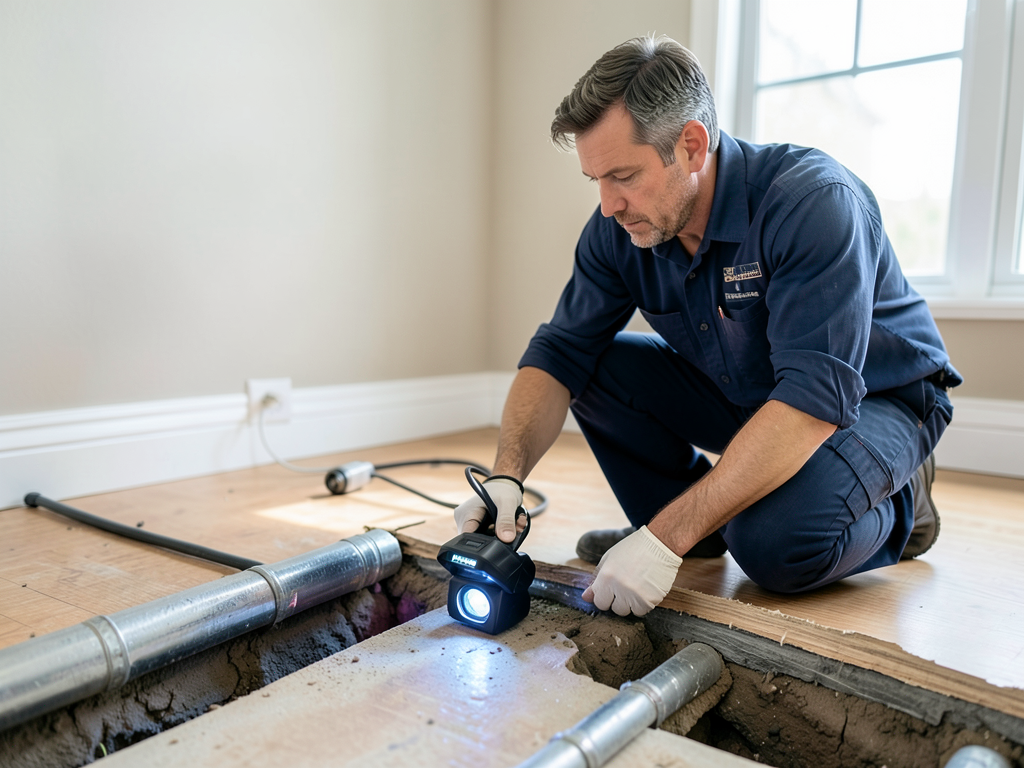
We do not guess. Our diagnostic process for a noisy hvac system begins with sound source isolation. We listen at the air handler, condenser, and throughout the duct system with specialized microphones that pinpoint frequency signatures. A 120 Hz hum indicates electrical issues, while metal-on-metal scraping points to bearing failure.

Next, we check for mechanical looseness. Blower wheel set screws can back out over time, causing the wheel to wobble and strike the housing. We measure shaft runout with dial indicators to detect bent motor shafts, which create rhythmic knocking. We inspect compressor mounts for degraded rubber isolators that no longer dampen vibration.

Airflow velocity matters. We measure static pressure across filters, coils, and dampers to identify restrictions that cause turbulence and whistling. A dirty evaporator coil or undersized return grille forces air through smaller openings at higher speeds, creating jet noise. We calculate required duct sizing based on actual CFM requirements, not just what fit during installation.

We physically inspect every accessible duct joint. In Kansas City crawl spaces and attics, we routinely find flexduct that has pulled loose from plenums or sheet metal joints that have separated due to foundation settling. These gaps allow air to escape under pressure, producing a distinct roaring sound.

Refrigerant charge affects compressor noise. An overcharged system runs higher head pressures, forcing the compressor to work harder and louder. We verify charge by superheat and subcooling measurements, not just by adding refrigerant until the noise stops. The correct charge ensures quiet operation and maximum efficiency.

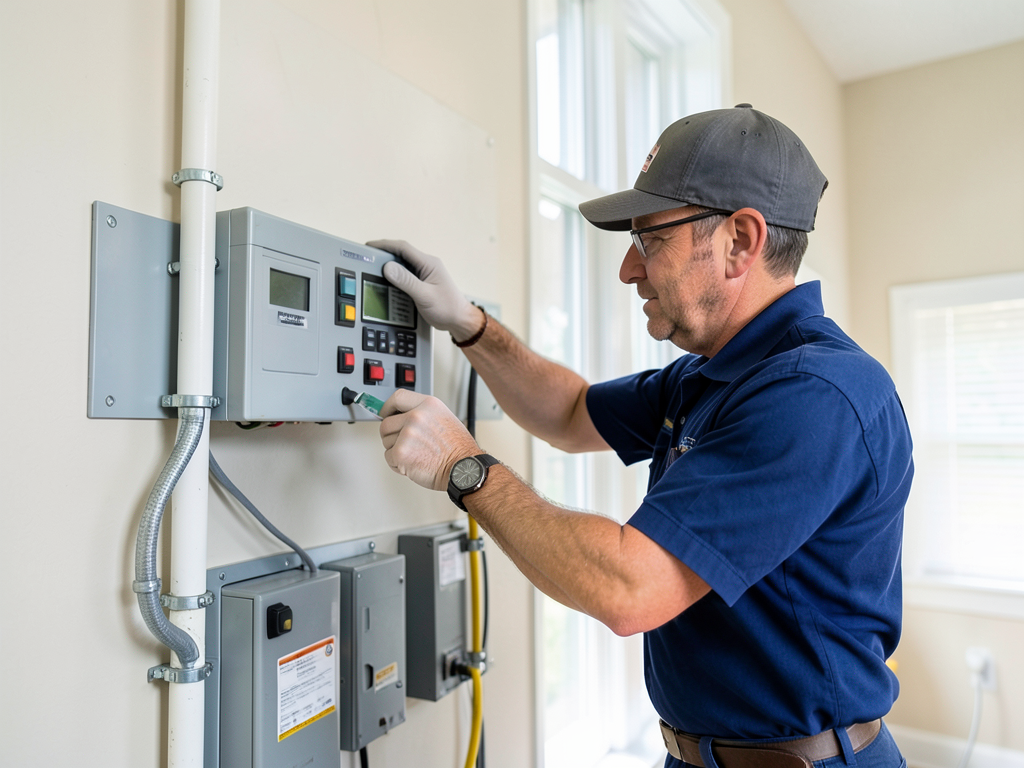
For furnaces, we inspect burner flame patterns and heat exchanger integrity. A cracked heat exchanger changes combustion airflow, creating rumbling or booming during the heating cycle. This is both a noise issue and a safety concern that demands immediate attention.

What Happens When You Call About a Loud HVAC System

Noisy AC or Heater in Kansas City | Stop the Racket and Fix the Root Cause
01

Sound Analysis and Inspection

We arrive with diagnostic equipment, not just a toolbox. Our technician documents the specific sounds your system makes during startup, steady operation, and shutdown. We run the system through complete heating and cooling cycles while checking temperatures, pressures, and amperage draws. We inspect all moving parts, electrical connections, and refrigerant lines. You get a written assessment that identifies every noise source and the mechanical reason behind it.
02

Targeted Repair Execution

Once we identify the problem, we explain the fix in plain terms. Bearing replacement, blower wheel balancing, duct modification, or compressor mount replacement all follow manufacturer specifications. We use OEM parts for critical components to maintain warranty coverage and system longevity. For ductwork issues, we seal joints with mastic and add support strapping where needed. You see the failed component and understand exactly what we corrected.
03

Verification and Prevention

After the repair, we run the system through multiple cycles to confirm the noise is eliminated. We measure sound levels if needed and verify that all performance parameters are within specification. We identify maintenance steps that prevent recurrence, like filter change frequency or annual lubrication points. You get documentation of the work performed and recommendations for long-term quiet operation. The goal is permanent resolution, not a temporary patch.

Why Kansas City Homeowners Trust United HVAC for Noise Problems

United HVAC Kansas City has diagnosed and repaired loud air conditioner and furnace making noise complaints in homes from Mission Hills to Independence for years. We understand the specific challenges this region presents. Your HVAC system fights temperature extremes that most of the country never experiences. We have seen how foundation movement in Kansas City's expansive clay soil affects equipment mounting and ductwork integrity.

We know the building practices used in different decades across the metro. A 1920s home in Hyde Park has plaster walls that amplify vibration differently than a 1990s ranch in Lee's Summit with drywall and fiberglass insulation. We adjust our diagnostic approach based on construction type because sound transmission varies dramatically.

Our technicians receive ongoing training in acoustics and vibration analysis. A furnace making noise can have six different root causes, and only one creates a safety hazard. We differentiate between nuisance noise and mechanical failure that threatens system lifespan. You get honest assessment, not scare tactics.

We stock common failure parts on our trucks. Blower motors, capacitors, contactor relays, and belt assemblies are available for same-day installation. For specialty components, we maintain relationships with local suppliers who provide next-day delivery. You spend less time without a functioning system.

Kansas City building codes require proper permitting for major HVAC modifications. We pull permits when needed and schedule inspections to keep your home compliant. This protects your home value and ensures insurance coverage remains valid. You get professional service that respects regulatory requirements.

We also respect your home. Drop cloths, boot covers, and HEPA-filtered vacuums are standard on every service call. Your floors, carpets, and furniture stay clean while we work in attics, crawl spaces, and mechanical rooms.

What to Expect During Your Noise Diagnosis and Repair

Rapid Response Times

We schedule diagnostic appointments within 24 to 48 hours of your call during normal business hours. For loud heater issues in winter or air conditioner making noise during summer heat waves, we prioritize based on safety and comfort impact. Our service windows are specific, typically two hours, so you do not waste an entire day waiting. Emergency calls receive same-day response when system failure is imminent or safety is compromised. We communicate arrival times via text and phone to keep you informed throughout the process.

Comprehensive System Assessment

The initial diagnostic fee covers complete system evaluation, not just the obvious noise source. We check electrical connections, measure airflow, test safety controls, and inspect heat exchangers or evaporator coils during the same visit. You receive a written report that documents current system condition, identifies the noise cause, and notes any secondary issues that need attention. This assessment applies toward repair costs if you authorize the work. We explain findings in clear language, avoiding technical jargon unless you want detailed explanations. You understand what failed, why it failed, and what prevents future problems.

Quality Workmanship and Testing

Repairs follow manufacturer specifications and industry best practices. We torque bolts to specification, balance rotating components, and verify electrical connections with thermal imaging when appropriate. After the repair, we run the system through startup and shutdown sequences while monitoring performance. You hear the difference immediately. We measure temperature splits, check refrigerant pressures, and confirm amperage draws match nameplate specifications. The system operates quietly and efficiently. We clean the work area and remove all debris, packaging, and failed components unless you want to keep them for reference.

Ongoing Maintenance Support

Most noise problems stem from deferred maintenance. We offer maintenance agreements that include biannual inspections, priority scheduling, and discounted repair rates. During maintenance visits, we lubricate motors, tighten electrical connections, check belt tension, and clean components before they fail and create noise. You receive service reminders by email or text so you never miss scheduled maintenance. This preventive approach extends equipment life and maintains quiet operation year-round. For customers who prefer ad-hoc service, we keep detailed records of your system and service history for faster diagnosis on future calls.

Frequently Asked Questions

You Have Questions,
We Have Answers

Why is my air conditioner so loud all of a sudden? +

Sudden loud noises from your AC usually mean something has loosened or failed. Common culprits include worn compressor mounts, loose fan blades, failing bearings in the blower motor, or debris caught in the outdoor unit. Kansas City's extreme summer heat and high humidity stress AC components faster, causing parts to vibrate loose or wear down. A grinding sound often signals motor bearing failure. Clanking or banging means a loose internal part. Rattling can be as simple as debris in the condenser cage. Turn off your system immediately to prevent further damage. A technician should diagnose the issue before running the unit again.

What is the 3 minute rule for AC? +

The 3 minute rule prevents short cycling damage to your compressor. After your AC shuts off, wait at least three minutes before restarting it. This allows refrigerant pressure to equalize throughout the system. Without this wait time, the compressor works against high pressure, straining internal components and shortening lifespan. Most modern thermostats have this delay built in, but if you manually shut off your system at the breaker or disconnect switch, wait the full three minutes. Kansas City's hot summers already stress your compressor. Do not add extra wear by ignoring this simple protection measure.

What is the $5000 AC rule? +

The 5000 dollar AC rule is not an official code, but a rough guideline some contractors use for replacement decisions. If your AC unit is older than 10 years and the repair cost multiplied by the system age exceeds 5000 dollars, replacement often makes better financial sense than repairing. For example, a 15 year old unit needing a 400 dollar repair would equal 6000 dollars (15 x 400). This suggests replacement. However, Kansas City humidity and temperature swings affect lifespan differently for each home. Consider energy efficiency gains, refrigerant phase-outs, and warranty coverage when deciding between repair and replacement.

What does an AC compressor sound like when it's going bad? +

A failing compressor makes distinct sounds that worsen over time. You will hear grinding, squealing, or chattering when the unit tries to start. Some compressors produce a hard knocking or banging from worn internal bearings or loose pistons. A high-pitched screaming sound often signals refrigerant pressure issues or failing valves inside the compressor shell. Kansas City summers push compressors hard, accelerating wear. If your outdoor unit hums loudly but the fan spins and nothing else happens, the compressor may be seized. Compressor failure is expensive. Get a diagnosis quickly to confirm the issue before replacing major components.

How to tell if an AC blower motor is going out? +

A failing blower motor shows several warning signs before total failure. You will notice weak airflow from your vents even when the thermostat calls for cooling or heating. The motor may produce squealing, grinding, or screeching sounds as bearings wear out. Some motors cycle on and off repeatedly or take longer to start. You might smell burning plastic or electrical odors near your indoor unit. High energy bills without increased usage also signal motor strain. Kansas City humidity can corrode motor windings over time. If you hear unusual sounds or feel weak airflow, shut down your system and call a technician before the motor burns out completely.

How much does it cost to replace a capacitor in an AC unit? +

Capacitor replacement typically costs between 150 and 400 dollars for parts and labor in the Kansas City area. The part itself runs 10 to 50 dollars, but you pay for diagnostic time, service call fees, and technician expertise. Dual capacitors cost more than single run capacitors. Emergency or weekend service increases the price. Capacitors fail frequently in Kansas City due to extreme summer heat and electrical storms. A failed capacitor prevents your compressor or blower motor from starting. This is one of the most common AC repairs. Most capacitors last 10 to 20 years, but heat stress shortens their lifespan significantly.

How Kansas City's Temperature Extremes Accelerate HVAC Wear and Noise

Kansas City experiences some of the widest temperature swings in the country, with summer highs exceeding 100 degrees and winter lows dropping below zero. This forces your HVAC system to operate at maximum capacity for extended periods, which accelerates bearing wear, motor fatigue, and compressor stress. A unit that cycles gently in moderate climates runs continuously here, creating thermal expansion that loosens mounting hardware and stresses ductwork joints. The freeze-thaw cycles we experience also cause attic ductwork to expand and contract, pulling at connections and creating the rattling or banging sounds you hear during temperature changes. Understanding this local climate impact is critical to diagnosing why your system developed noise issues when similar units in milder regions run quietly for years longer.

United HVAC Kansas City has built relationships with homeowners throughout the metro, from Waldo to Parkville, by delivering honest diagnostics and permanent solutions. We understand local building practices because we work in Kansas City homes every day. We know which HVAC brands hold up best in this climate and which components fail first under our specific conditions. When you call a national chain, you get a technician reading from a script. When you call us, you get someone who has repaired the same noise problem in homes just like yours throughout the metro. That local expertise means faster diagnosis, accurate repairs, and solutions tailored to how Kansas City weather affects your specific equipment.

HVAC Services in The Kansas City Area

View our service area and business location on the map below. We are proud to serve the entire Kansas City metro area, providing expert heating and cooling services to both residential and commercial clients. If you need a reliable HVAC partner, we are conveniently located to respond quickly to your needs, ensuring your indoor comfort is always our top priority.

Address:
United HVAC Kansas City, 1425 Agnes Ave, Kansas City, MO, 64127

Additional Services We Offer

Our news updates

Latest Articles & News from The Blogs

Comparing Mitsubishi and Daikin ductless systems for local homes When Kansas City homeowners face the decision between Mitsubishi and Daikin…

Comparing Mitsubishi and Daikin ductless systems for local homes

Comparing Mitsubishi and Daikin ductless systems for local homes When Kansas City homeowners face the decision between Mitsubishi and Daikin…

Protecting your piano and acoustic guitars from Kansas City humidity swings

Protecting Your Piano and Acoustic Guitars from Kansas City Humidity Swings\n\nYour musical instruments are more than just objects. They are…

Specialized Climate Control Tips for Indoor Gardeners and Hobbyists in the West Bottoms

Specialized Climate Control Tips for Indoor Gardeners and Hobbyists in the West Bottoms The West Bottoms industrial district faces unique…

Contact Us

Call United HVAC Kansas City at (816) 473-9177 today to schedule your diagnostic appointment. We identify the exact source of your loud air conditioner or furnace noise and restore quiet comfort to your home. Professional service, honest answers, permanent solutions.