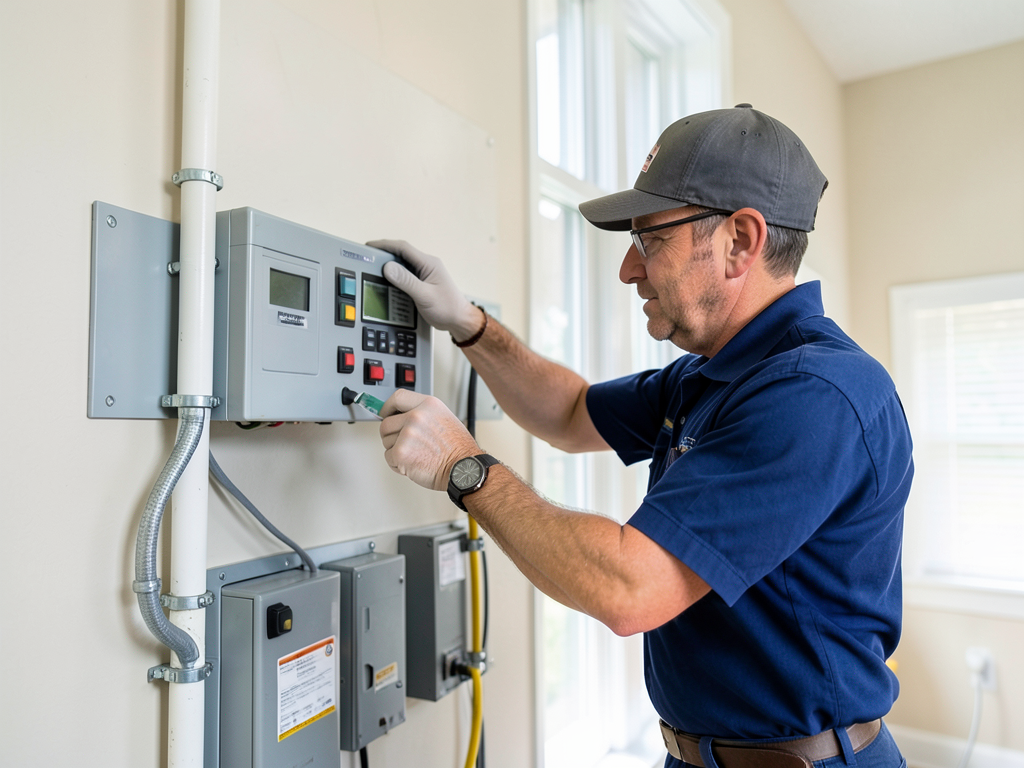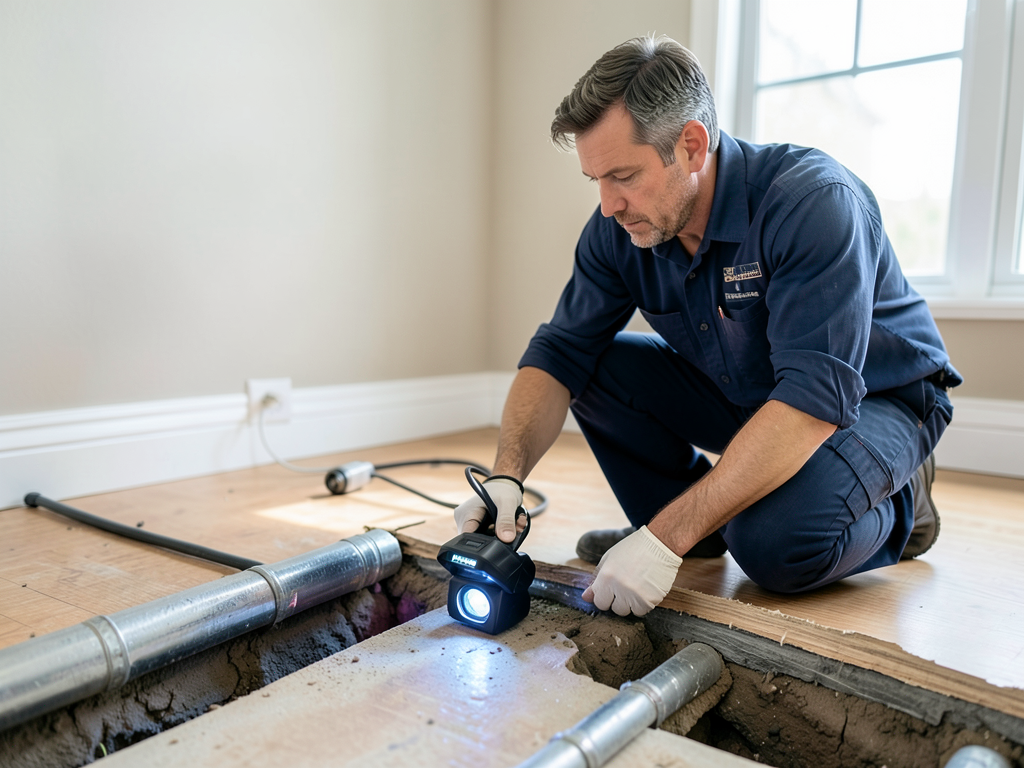







Kansas City sits in a humid continental climate zone with summer dewpoints that regularly hit 70 to 75 degrees. This forces your air conditioner to remove more moisture from the air, which means longer runtime hours and faster evaporator coil corrosion. The freeze-thaw cycles from November through March stress refrigerant lines and can cause micro-cracks in solder joints. Clay soil across much of the metro, especially in southern neighborhoods and Johnson County, shifts with seasonal moisture changes. This movement can torque outdoor condenser pads and stress refrigerant line sets, leading to leaks. These local factors reduce the effective lifespan of HVAC systems compared to drier or more stable climates.
United HVAC Kansas City understands these regional stressors because we have been diagnosing and repairing systems here for years. We know which neighborhoods experience more soil movement and which older housing stock in areas like Brookside or Waldo have undersized ductwork. We size replacement systems based on actual humidity load, not just square footage. We also understand Kansas City's building codes and permit requirements for HVAC replacement, which vary between Kansas City, Missouri, and the Johnson County municipalities. Local expertise matters when you are making a decision that affects your comfort and your wallet for the next 10 to 15 years.