




Menu

AC Unit Leaking Water in Kansas City – Fast Diagnosis and Permanent Repair

When your air conditioning system starts dripping water inside your home, you need expert diagnosis and targeted repair to stop the leak and prevent secondary damage to your property.

Slider Image 1
Slider Image 2
Slider Image 3
Slider Image 4
Slider Image 5
Slider Image 7
Slider Image 8
Slider Image 9
Slider Image 10
Slider Image 11

Why Your AC System Leaks Water in Kansas City Homes

You walk into your utility room and find a puddle forming under your air handler. The ceiling drywall below your attic unit shows a growing brown stain. Water drips steadily from the base of your indoor unit onto the floor.

This is not normal. Your air conditioner dripping water signals a breakdown in the condensate management system. Every AC unit generates water as refrigerant absorbs heat and humidity from indoor air. This moisture collects on the evaporator coil, drips into a drain pan, and exits through a condensate line to the outdoors.

Kansas City's combination of high summer humidity and rapid temperature swings creates ideal conditions for AC water leaks. The humidity levels from May through September push condensate production higher than drier climates. When your system runs constantly during those 95-degree July days, any weakness in the drainage system shows up fast.

The most common causes include clogged condensate drain lines, cracked drain pans, frozen evaporator coils that thaw and overflow the pan, and disconnected drain lines. Clay soil shifting in older Kansas City neighborhoods can also crack PVC drain lines running through slab foundations or crawl spaces.

Each cause requires a different repair approach. A clogged line needs clearing with high-pressure air or specialized cleaning tools. A cracked pan requires replacement of the entire component. Frozen coils point to airflow restrictions or refrigerant problems that need diagnosis before the water leak stops.

Ignoring an air conditioning leaking water problem leads to mold growth in walls, ceiling collapse from saturated drywall, damaged flooring, and eventually compressor failure from the underlying mechanical issue causing the freeze.

Why Your AC System Leaks Water in Kansas City Homes
How We Stop Your AC Water Leak

How We Stop Your AC Water Leak

We start every water dripping from AC unit call with complete system diagnosis. The visible leak is a symptom. The underlying cause determines the repair.

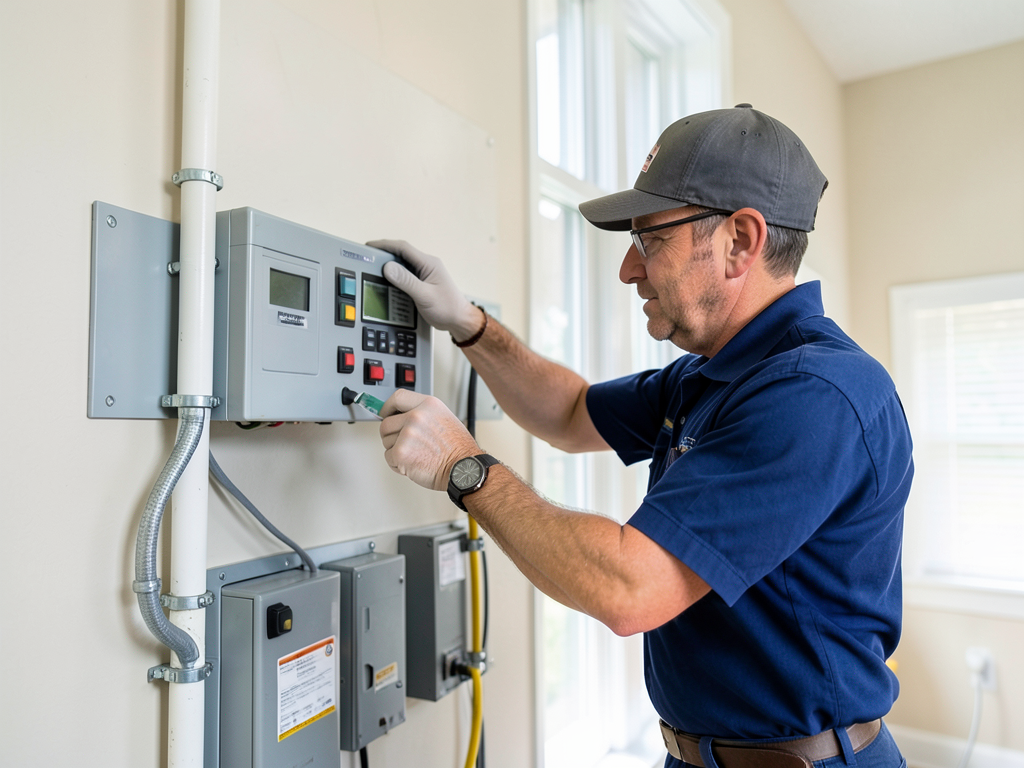
Our technicians inspect the evaporator coil for ice formation. Ice on the coil means insufficient airflow or low refrigerant charge. We check static pressure across the system using a manometer to identify duct restrictions or dirty filter conditions. If refrigerant is low, we use electronic leak detectors to find the source before recharging the system.

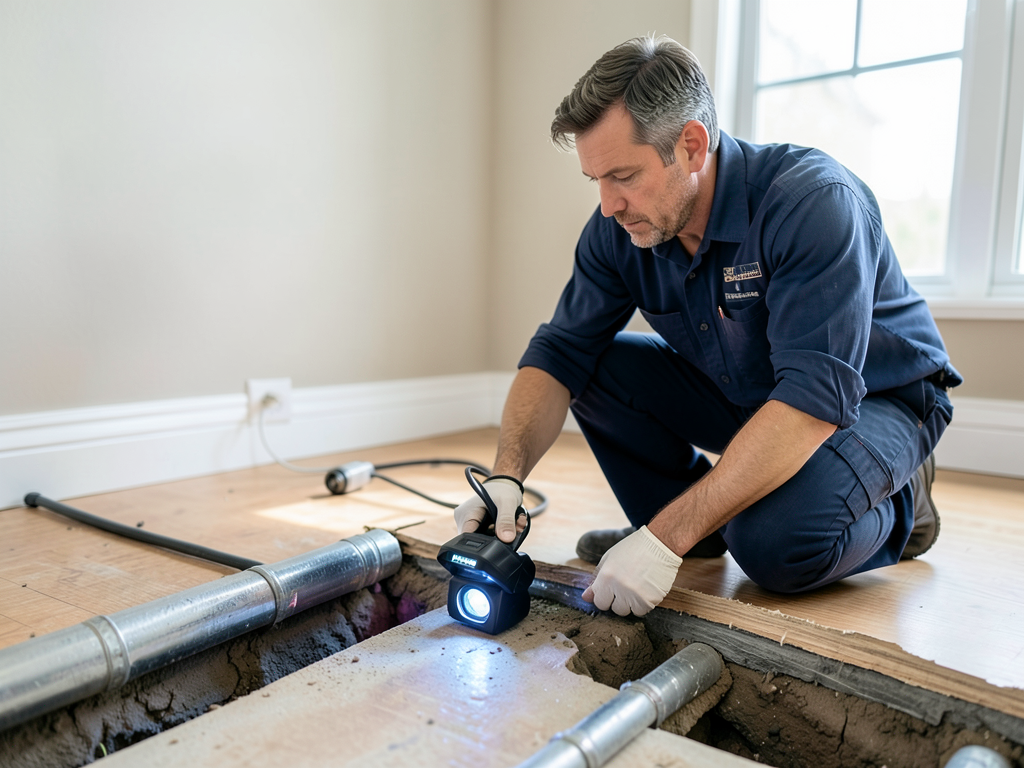
Next, we trace the entire condensate drainage path. The primary drain line runs from the drain pan to the exterior or into a floor drain. We use compressed air and inspection cameras to locate blockages. Algae, mold, and sediment commonly build up in the P-trap section of the line. In Kansas City homes with condensate pumps, we test the float switch and verify the pump discharges properly.

We inspect the drain pan for cracks, rust-through, or improper pitch. Sheet metal pans in older systems corrode over time. Plastic pans crack from UV exposure in attic installations. The pan must slope toward the drain outlet. If the unit settled or was installed incorrectly, water pools in the wrong section and overflows.

United HVAC Kansas City carries replacement pans, pumps, and drain line materials on every truck. We complete most AC system leaking water repairs the same day. For frozen coil situations requiring airflow correction, we identify whether the blockage comes from duct design issues, undersized return grilles, or failed blower motors.

After repair, we verify proper drainage by pouring water into the pan and confirming flow to the exterior. We document the repair with photos and explain what caused the failure.

What Happens When You Call About Water Leaks

AC Unit Leaking Water in Kansas City – Fast Diagnosis and Permanent Repair
01

Emergency Response Dispatch

You call our dispatch line and describe the AC water leak location and severity. We ask about water volume, whether the system is running, and if you see ice on any components. Our dispatcher schedules a same-day arrival window and provides temporary mitigation steps like shutting off the unit and placing towels to contain the water until our technician arrives.
02

Complete Diagnostic Inspection

Our technician accesses your indoor air handler or furnace with the evaporator coil. We remove the access panel and inspect the drain pan, coil condition, and condensate line connection. We test drainage by flushing water through the system. We measure airflow with instruments and check refrigerant pressures if we suspect a frozen coil caused the overflow. This diagnostic process identifies the exact failure point.
03

Repair and Verification

We perform the necessary repair, whether clearing a clogged drain line, replacing a cracked pan, or correcting the airflow restriction that caused coil freezing. After repair, we run the system through a full cooling cycle and verify proper condensate drainage. We clean up any water damage in the immediate area and provide documentation of the repair along with prevention recommendations for your specific system configuration.

Why Kansas City Homeowners Choose United HVAC for Water Leak Repairs

You need a technician who understands how Kansas City's climate and housing stock affect AC drainage systems. The combination of high humidity, older housing with modified ductwork, and clay soil foundation movement creates specific drainage challenges.

Homes in neighborhoods like Brookside, Waldo, and Midtown feature original ductwork from the 1940s and 1950s that was later adapted for central air conditioning. These retrofitted systems often have condensate drains that were added as an afterthought, creating improper pitch or inadequate trap depth. We have repaired hundreds of these configurations and know the common failure points.

Newer construction in areas like south Kansas City and Lee's Summit typically use horizontal air handlers in attics. These installations require condensate pumps to lift water from the attic down to exterior drainage. The extreme attic temperatures in summer stress these pumps. We stock the specific pump models used by major builders in the metro and can replace a failed unit quickly.

United HVAC Kansas City technicians carry thermal imaging cameras to detect water intrusion in walls and ceilings before it becomes visible. When your air conditioner dripping water has been ongoing but unnoticed, we can assess the extent of moisture penetration and provide documentation if you need to file an insurance claim.

We also understand Kansas City building codes regarding condensate drainage. The International Residential Code adopted by Kansas City requires a secondary drain pan with a separate drain line for attic installations. Many older systems were installed before this requirement. We bring systems up to current code during repairs to protect your home.

Our vans stock parts specific to the Carrier, Trane, Lennox, and Rheem systems most common in Kansas City installations. We complete repairs without multiple trips or extended wait times for parts orders.

What You Can Expect During Your AC Leak Repair

Same-Day Service Availability

We prioritize AC water leak calls because the damage accelerates with time. Most calls receive same-day service when you contact us before 2 PM on weekdays. We provide specific arrival windows rather than all-day appointments. Our technicians call 30 minutes before arrival. For after-hours emergencies involving active flooding from the unit, we dispatch an on-call technician who can typically arrive within two hours. Weekend service is available at standard rates.

Thorough System Evaluation

Our diagnostic process takes 30 to 45 minutes for a typical water leak investigation. We do not guess at the cause. The technician visually inspects all condensate system components, tests drainage flow, measures system airflow and static pressure, and checks refrigerant charge if coil freezing is suspected. You receive a detailed explanation of what failed and why. We show you the problem area when possible. The diagnostic findings determine whether you need a simple drain cleaning or more extensive repair like pan replacement or airflow correction.

Professional Repair Completion

Most AC system leaking water repairs complete within one to two hours after diagnosis. Drain line clearing takes 15 to 30 minutes. Drain pan replacement requires one to two hours depending on unit accessibility. Condensate pump replacement takes approximately one hour. Complex repairs involving ductwork modification for airflow correction may require a follow-up appointment. We test the repair by running the system and verifying proper drainage before we leave. You receive photos documenting the before and after condition along with a detailed invoice explaining the work performed.

Ongoing Prevention Support

After repairing your AC water leak, we provide specific maintenance recommendations to prevent recurrence. This typically includes quarterly condensate line flushing, annual drain pan inspection, and filter change reminders based on your system type. We offer preventive maintenance agreements that include condensate system inspection and cleaning as part of seasonal tune-ups. These agreements also provide priority scheduling and discounted rates on future repairs. If your repair involved correction of a design flaw or code deficiency, we document the improvement for your home maintenance records.

Frequently Asked Questions

You Have Questions,
We Have Answers

How do I stop my air conditioner from leaking water? +

First, turn off your AC to prevent further water damage. Check your air filter and replace it if dirty or clogged. A blocked filter restricts airflow and causes the evaporator coil to freeze, then leak when it thaws. Next, inspect the condensate drain line for clogs. Pour a cup of white vinegar into the drain pan to clear minor blockages. If water continues pooling, the drain pan may be cracked or rusted. Kansas City's high humidity during summer months puts extra strain on drainage systems. If these quick fixes don't work, you need a licensed technician to diagnose the issue.

Can I still use my AC if it's leaking water? +

You can temporarily run your AC, but you should not ignore the leak. Minor condensate pan overflow might be harmless short-term, but running the unit with a frozen evaporator coil or blocked drain line will cause compressor damage. Water pooling near your unit can damage ceilings, walls, and floors, especially in older Kansas City homes with wood framing. If you see significant water or ice buildup on refrigerant lines, shut the system down immediately. Continued operation can lead to costly repairs or full system replacement. Address the root cause quickly to avoid escalating damage.

Is a leaking AC unit an emergency? +

Most AC leaks are not true emergencies, but they require prompt attention. If water is actively flooding your home, damaging electrical components, or soaking insulation, turn off your system and call for same-day service. Kansas City's humid summers mean mold can develop in as little as 24 to 48 hours when moisture is present. A small drip from the condensate line is less urgent but still needs diagnosis within a few days. If you notice ice on refrigerant lines or hear hissing sounds, these indicate refrigerant leaks or compressor issues that demand immediate professional evaluation.

What is the 3 minute rule for AC? +

The 3 minute rule prevents compressor damage during system cycling. After your AC shuts off, wait at least 3 minutes before restarting it. This allows refrigerant pressures to equalize between the high and low sides of the system. Restarting too quickly forces the compressor to work against unequal pressure, which can burn out the motor or damage internal components. This rule applies whether you are troubleshooting a leak or simply adjusting your thermostat. Kansas City's extreme temperature swings between seasons make compressor protection especially important for system longevity.

Is AC leaking water expensive to fix? +

Cost depends on the cause. A simple clogged drain line cleaning typically runs low, while a cracked drain pan or rusted evaporator coil costs more. Refrigerant leaks are the most expensive because they require leak detection, repair, and refrigerant recharge. Kansas City's clay soil can shift foundations and crack condensate lines over time, adding complexity. Dirty filters and neglected maintenance cause most leaks and are the cheapest to fix. If your system is over 12 years old and needs major repairs, replacement may be more cost-effective than repeated fixes.

How do I unclog my AC condensate drain line? +

Locate the condensate drain line, a PVC pipe near your outdoor unit or in your basement. Pour one cup of white vinegar or a 50/50 bleach-water solution into the drain pan access point. Let it sit for 30 minutes to dissolve algae and mold buildup. You can also use a wet-dry vacuum on the outdoor drain line opening to suction out clogs. For stubborn blockages, a plumber's snake or compressed air works. Kansas City's humidity accelerates algae growth in drain lines. Flush your line every 3 months during cooling season to prevent future clogs.

Can I fix a leaking AC myself? +

You can handle basic maintenance like replacing air filters, cleaning drain pans, and flushing drain lines with vinegar. These tasks prevent most common leaks. However, refrigerant leaks, frozen evaporator coils, cracked drain pans, and blower motor issues require a licensed HVAC technician. DIY repairs on refrigerant systems violate EPA regulations and void warranties. Kansas City's building codes also require licensed contractors for certain HVAC work. Misdiagnosing the problem wastes time and money. If your quick fixes don't stop the leak within 24 hours, call a professional to avoid causing bigger problems.

What happens if I ignore an AC leak? +

Ignoring an AC leak leads to compounding damage. Water destroys drywall, insulation, and wood framing. Kansas City's humidity accelerates mold growth, which spreads through ductwork and becomes a health hazard. Continuous leaks from frozen coils force your compressor to work harder, shortening its lifespan and increasing energy bills. A small drip today can become a full system failure in weeks. Refrigerant leaks harm the environment and reduce cooling capacity. Foundation shifting common in Kansas City can worsen over time if drainage issues go unaddressed. Early intervention saves thousands compared to emergency replacements.

Should I call a professional for AC leaks? +

Yes. Call a professional if basic troubleshooting does not stop the leak, if you see ice on refrigerant lines, or if water is damaging your home. Licensed HVAC technicians have the tools to diagnose refrigerant leaks, test drain line pitch, and inspect evaporator coils. Kansas City's seasonal extremes put unique stress on HVAC systems, so local expertise matters. A trained eye catches problems you might miss, like improper installation or undersized equipment. Professional repairs come with warranties and ensure code compliance. Attempting complex repairs yourself risks injury, property damage, and voided manufacturer warranties.

What is the $5000 rule for AC? +

The $5000 rule is a replacement guideline. Multiply the repair cost by your system's age in years. If the total exceeds $5000, replacement is often smarter than repair. For example, a $400 repair on a 10-year-old unit equals $4000, so repair makes sense. But a $600 repair on a 10-year-old unit equals $6000, suggesting replacement. This rule accounts for diminishing returns on aging equipment. Kansas City's temperature extremes wear systems faster than moderate climates. Factor in rising energy bills from older, less efficient units when deciding between repair and replacement.

How Kansas City Humidity Accelerates AC Condensate Problems

Kansas City's summer dew points regularly reach 70 to 75 degrees, putting our air conditioning systems among the hardest-working in the country for moisture removal. Your AC unit can generate 20 to 30 gallons of condensate per day during peak July and August conditions. This high condensate volume fills drain pans faster and pushes more organic material through drain lines, leading to algae and biofilm buildup that causes blockages. The freeze-thaw cycles from our variable spring and fall weather also stress drain line connections, creating crack points where PVC cement joints fail. These conditions make annual condensate system maintenance critical for Kansas City homes.

United HVAC Kansas City has served the metro area since our founding, giving us direct experience with the specific HVAC challenges in neighborhoods from downtown lofts to Johnson County suburbs. We understand how the clay soil common throughout the region shifts and settles, affecting drain lines in crawl spaces and slab foundations. Our technicians are familiar with the condensate drainage requirements in Kansas City's building codes and can bring older systems into compliance during repair work. This local expertise means faster diagnosis and repairs that account for conditions specific to your property and neighborhood.

HVAC Services in The Kansas City Area

View our service area and business location on the map below. We are proud to serve the entire Kansas City metro area, providing expert heating and cooling services to both residential and commercial clients. If you need a reliable HVAC partner, we are conveniently located to respond quickly to your needs, ensuring your indoor comfort is always our top priority.

Address:
United HVAC Kansas City, 1425 Agnes Ave, Kansas City, MO, 64127

Additional Services We Offer

Our news updates

Latest Articles & News from The Blogs

Comparing Mitsubishi and Daikin ductless systems for local homes When Kansas City homeowners face the decision between Mitsubishi and Daikin…

Comparing Mitsubishi and Daikin ductless systems for local homes

Comparing Mitsubishi and Daikin ductless systems for local homes When Kansas City homeowners face the decision between Mitsubishi and Daikin…

Protecting your piano and acoustic guitars from Kansas City humidity swings

Protecting Your Piano and Acoustic Guitars from Kansas City Humidity Swings\n\nYour musical instruments are more than just objects. They are…

Specialized Climate Control Tips for Indoor Gardeners and Hobbyists in the West Bottoms

Specialized Climate Control Tips for Indoor Gardeners and Hobbyists in the West Bottoms The West Bottoms industrial district faces unique…

Contact Us

Water damage from AC leaks gets worse by the hour. Call United HVAC Kansas City now at (816) 473-9177 for same-day diagnosis and repair. Our technicians carry the parts and tools needed to fix your air conditioning leaking water problem today.