





Menu

High Energy Bills in Kansas City – Expert HVAC Diagnostics That Stop the Financial Drain

When rising utility costs cut into your budget every month, you need precise HVAC diagnostics that identify the exact inefficiencies driving your expensive electricity bills, not guesswork that wastes time and money.

Slider Image 1
Slider Image 2
Slider Image 3
Slider Image 4
Slider Image 5
Slider Image 7
Slider Image 8
Slider Image 9
Slider Image 10
Slider Image 11

Why Kansas City Homeowners Face Climbing Energy Costs Year After Year

You open your utility bill and the number makes you wince. Again. The skyrocketing energy bills are not just a seasonal fluke anymore. They happen in July when your air conditioner fights the oppressive Missouri humidity. They happen in January when the furnace battles single-digit temperatures and brutal windchill sweeping across the plains.

Kansas City's extreme temperature swings force HVAC systems to work harder than in moderate climates. Your equipment cycles more frequently, fighting humidity levels that regularly exceed 70 percent in summer and temperature drops that plunge 40 degrees overnight in winter. This constant strain exposes every inefficiency in your system. A refrigerant leak that might go unnoticed in mild weather becomes a major driver of increased heating and cooling costs here.

The age of housing stock in neighborhoods like Brookside and Waldo compounds the problem. Many homes still run original ductwork from the 1950s and 1960s. These systems were never designed for modern insulation standards or today's high-efficiency equipment. Air leaks in attic ductwork can waste 30 percent of conditioned air before it reaches your living space.

Dirty evaporator coils reduce heat transfer efficiency by up to 40 percent. A failing capacitor forces your compressor to draw excess amperage. A poorly calibrated thermostat triggers unnecessary run cycles. Each problem compounds the others, creating costly utility expenses that climb month after month. The frustration is not just the money. It is the uncertainty about what is actually broken and whether the next repair will finally fix it.

Why Kansas City Homeowners Face Climbing Energy Costs Year After Year
How Professional Energy Audits Pinpoint the Real Problems

How Professional Energy Audits Pinpoint the Real Problems

Generic HVAC tune-ups do not solve high energy bills because they do not measure actual system performance. United HVAC Kansas City approaches rising utility costs with diagnostic precision, not assumptions.

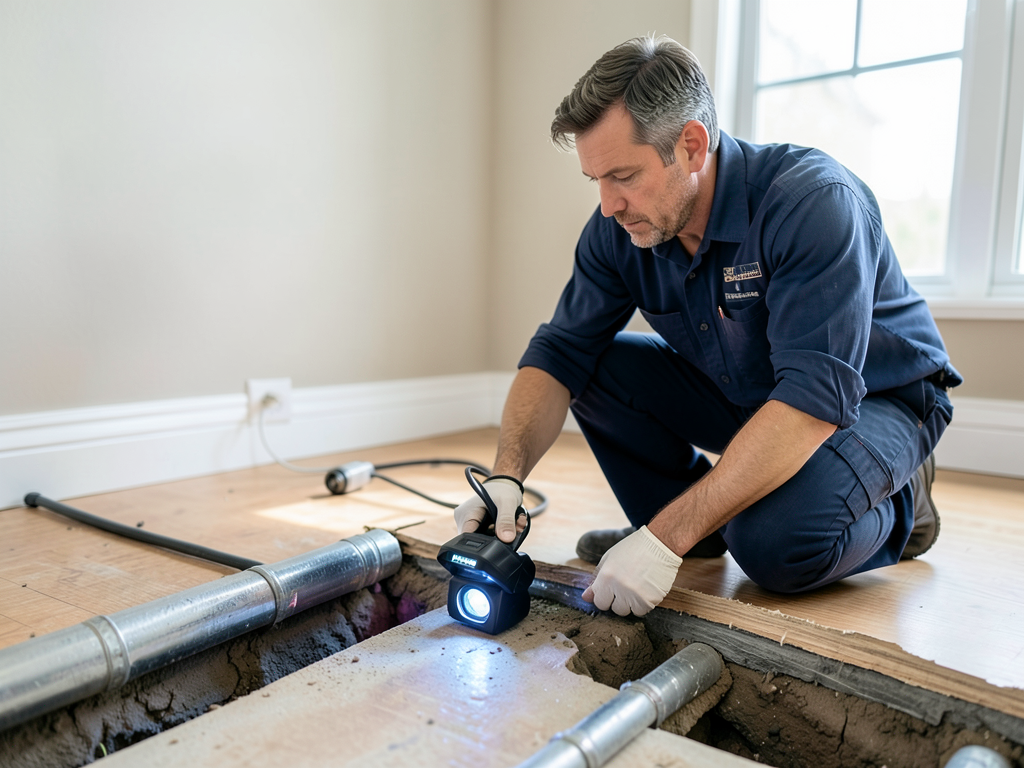
We start with blower door testing to quantify air infiltration rates. This depressurizes your home and reveals exactly where conditioned air escapes. We measure duct leakage separately using a duct blaster to isolate distribution losses from envelope losses. These are different problems requiring different solutions.

Refrigerant charge verification comes next. We do not just check pressures at the outdoor unit. We measure superheat and subcooling at both the evaporator and condenser to confirm your system holds the manufacturer-specified charge. Even a 10 percent undercharge increases compressor runtime by 20 percent.

Airflow measurement across the evaporator coil tells us if your blower delivers the required 400 cubic feet per minute per ton of cooling capacity. Restricted airflow from a clogged filter or undersized return drops efficiency and forces longer run cycles. We use a manometer to measure static pressure at multiple points in your duct system, identifying restrictions you cannot see.

Combustion analysis on gas furnaces measures flue gas temperature and carbon dioxide levels. High flue temperatures mean heat is escaping up the chimney instead of warming your home. Low CO2 readings indicate excess air diluting combustion efficiency.

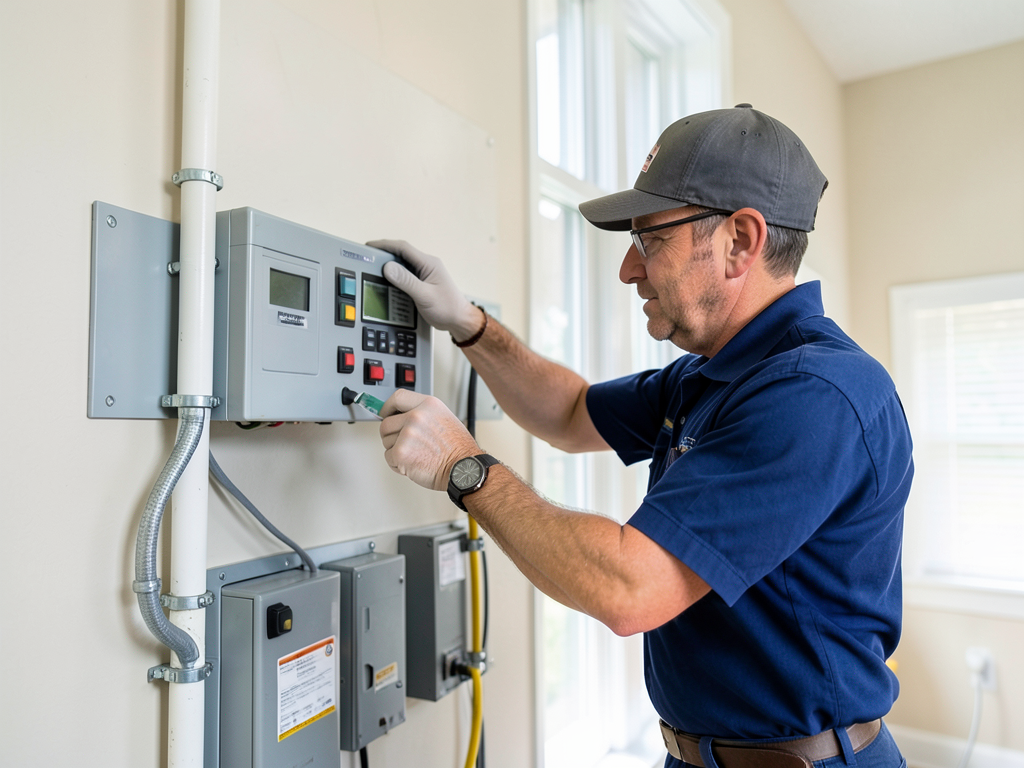
Electrical measurements reveal hidden problems. We check voltage at the disconnect and amperage at each component. A compressor drawing 15 percent over rated amps signals mechanical wear that is draining power and heading toward failure.

How We Diagnose and Fix Energy Waste

High Energy Bills in Kansas City – Expert HVAC Diagnostics That Stop the Financial Drain
01

Comprehensive System Testing

We arrive with diagnostic equipment calibrated for precise measurements, not just visual inspections. You walk us through your concerns about specific rooms or usage patterns while we document equipment age, model numbers, and installation details. Initial testing measures baseline performance before we touch anything. This gives us quantifiable data showing exactly where your system deviates from manufacturer specifications and efficiency standards.
02

Root Cause Identification

Testing reveals the specific failures driving your expensive electricity bills. We present findings in plain terms with supporting data. A refrigerant leak at the evaporator coil shows up in superheat readings 15 degrees above specification. Duct leakage shows measurable pressure drops between the plenum and registers. We explain what each problem costs you monthly in wasted energy and what happens if you delay the repair.
03

Verified Performance Restoration

After repairs, we retest everything to verify performance matches factory specifications. Refrigerant charge gets rechecked. Airflow gets remeasured. Combustion efficiency gets confirmed. You receive documentation showing before and after readings. We calculate projected energy savings based on actual efficiency improvements, not estimates. Your system now operates as designed, and your utility bills reflect measurable improvement within the first billing cycle.

Why Kansas City Residents Trust United HVAC for Energy Solutions

When your monthly budget takes a hit from climbing utility costs, you need someone who understands how Kansas City's climate punishes inefficient HVAC systems. We have diagnosed energy problems in every type of home across the metro, from historic bungalows in Hyde Park to new construction in Lee's Summit.

Our technicians know that a system performing acceptably in Atlanta fails under the simultaneous heat and humidity load of a Kansas City summer. We account for local variables that national chain technicians miss. The limestone bedrock under much of Kansas City conducts ground temperature differently than other regions, affecting geothermal system performance and basement humidity control.

We understand how Wyandotte County building codes differ from Johnson County requirements for duct sealing and insulation R-values. These details matter when diagnosing why your system uses more energy than your neighbor's identical model. Code compliance affects resale value and insurance eligibility, especially in established neighborhoods undergoing renovation.

United HVAC Kansas City invests in diagnostic equipment that most residential contractors skip. Our combustion analyzers cost more than many competitors spend on their entire tool inventory. We carry this equipment because guessing costs you money. Accurate diagnosis saves you from paying for repairs that do not address the real problem.

We also understand the financial pressure of unexpected HVAC expenses. Our diagnostics prevent waste by identifying the highest-impact repairs first. Replacing a failing capacitor costs a fraction of a compressor replacement, but both can cause high amp draw. Testing tells us which problem you actually have. You deserve that precision before spending money on your system.

What Happens During Your Energy Audit

Same-Day Diagnostic Scheduling

We schedule energy audits within 48 hours of your call. Most appointments happen the same day or next day. Our diagnostic process takes two to three hours depending on system complexity and home size. We work around your schedule because delaying costs you money with every billing cycle. You stay present during testing so we can explain findings in real time. We do not disappear into your attic and return with a vague estimate. You see the readings. You understand the problems.

Multi-Point Performance Analysis

Our evaluation covers 32 separate system measurements and visual inspections. We test refrigerant charge, airflow, duct integrity, electrical consumption, combustion efficiency, thermostat accuracy, and insulation continuity. Each measurement gets documented with model-specific specifications for comparison. You receive a written report explaining every finding in plain language. We prioritize repairs by energy impact, not by profit margin. The biggest waste gets addressed first so you see immediate utility bill reduction.

Measurable Efficiency Improvement

After repairs, your system operates at documented factory efficiency levels. We provide before and after performance data showing actual improvement percentages. Most customers see utility bill reductions between 20 and 40 percent depending on the severity of initial problems. Results show up in your first full billing cycle after repairs. We calculate projected annual savings based on your actual usage patterns and local utility rates, giving you a clear payback timeline.

Ongoing Efficiency Monitoring

Energy efficiency requires maintenance, not just one-time repairs. We offer seasonal tune-ups that include performance verification testing, not just filter changes. Our maintenance visits recheck refrigerant charge, airflow, and electrical consumption to catch developing problems before they increase your utility costs. You receive updated efficiency reports showing how your system performs compared to initial baseline measurements. This ongoing monitoring prevents the gradual efficiency decline that leads back to expensive electricity bills.

Frequently Asked Questions

You Have Questions,
We Have Answers

Why is my power bill so high suddenly? +

A sudden spike in your power bill often stems from an aging HVAC system working overtime. In Kansas City, high humidity summers and bitter winters push your heating and cooling equipment hard. When your air conditioner or furnace loses efficiency, it runs longer cycles to maintain temperature. Other culprits include failing duct seals that leak conditioned air into your attic, dirty filters restricting airflow, or a faulty thermostat cycling equipment incorrectly. Older homes in neighborhoods like Brookside or Waldo often have inadequate insulation, forcing your system to compensate. Check your system age and schedule a professional inspection to pinpoint the issue.

Why is your energy bill suddenly so much more expensive? +

Energy bills climb when your HVAC system loses efficiency or fails completely. Kansas City's extreme temperature swings mean your equipment runs more frequently during peak seasons. An aging furnace or air conditioner consumes more electricity to deliver the same comfort. Refrigerant leaks, clogged coils, or worn blower motors force your system to work harder. Homes built before 1990 often lack proper insulation in walls and attics, making your equipment run constant cycles. Your thermostat settings also matter. If someone adjusted the temperature or your programmable thermostat malfunctioned, you will see immediate bill increases. Compare recent usage patterns to identify the timing.

What runs your electric bill up the most? +

Your HVAC system dominates your electric bill, accounting for 40-50 percent of total energy use in Kansas City homes. Air conditioning during July and August heat waves and heating during January cold snaps create the largest consumption spikes. Water heaters rank second, running continuously to maintain tank temperature. Older electric water heaters waste significant energy through standby heat loss. Inefficient lighting, especially outdated incandescent bulbs, adds unnecessary load. Appliances like refrigerators, washers, and dryers contribute steady baseline usage. However, when your furnace or air conditioner runs inefficiently, it overshadows everything else. A failing HVAC component can double your consumption overnight.

Why is my electric bill over $400? +

A $400 electric bill signals a serious efficiency problem or equipment failure. In Kansas City, this happens when your air conditioner runs continuously during humid summer months or your furnace struggles through winter cold snaps. Common causes include refrigerant leaks forcing your AC to run longer, duct leaks dumping conditioned air into unconditioned spaces, or a failing compressor drawing excessive amps. Older homes near the Country Club Plaza or Midtown often have undersized or outdated HVAC systems that cannot keep up with demand. Your thermostat might also be miscalibrated or positioned near heat sources, triggering unnecessary cycles. Professional diagnostics identify the root cause quickly.

How to figure out what is causing a high electric bill? +

Start by comparing your current bill to the same month last year to account for seasonal variation. Check your thermostat settings and ensure nobody changed the temperature schedule. Walk through your home and feel for temperature inconsistencies between rooms, which indicate duct leaks or zoning problems. Inspect your outdoor AC unit for debris blocking airflow or ice formation on refrigerant lines. Change your air filter and note if it appears excessively dirty. In Kansas City's older neighborhoods, poor attic insulation often causes bills to spike. Schedule an HVAC inspection to test system efficiency, measure refrigerant levels, and check electrical draw on all components.

How to find out what's using so much electricity? +

Your utility company likely offers online usage tracking showing hourly or daily consumption patterns. Log in to identify when usage spikes occur. Your HVAC system typically causes the largest jumps, so monitor when heating or cooling cycles run. Turn off your main breaker panel circuits one at a time while watching your meter to isolate high-draw circuits. Check if your air conditioner or furnace causes the meter to spin rapidly. In Kansas City homes, attic-mounted air handlers often run unnoticed with duct leaks. Look for warm spots in ductwork using an infrared thermometer. A professional energy audit with thermal imaging reveals hidden problems immediately.

Why am I using so much electricity all of a sudden? +

Sudden electricity increases usually point to HVAC system degradation or failure. Your air conditioner may have developed a refrigerant leak, forcing the compressor to run continuously without achieving proper cooling. Blower motor bearings wear out and draw more amps while spinning. Your furnace heat exchanger might have cracked, causing safety shutdowns and restart cycles. Kansas City's temperature extremes accelerate component wear, especially in systems over 12 years old. Duct connections in attics and crawl spaces separate from vibration, leaking conditioned air. Thermostat batteries die or sensors fail, causing erratic cycling. Professional diagnostics measure actual electrical draw and compare it to manufacturer specifications.

What contributes most to my electric bill? +

Heating and cooling systems contribute 40-50 percent of your total electric bill in Kansas City homes. Your air conditioner works hardest during June through September humidity, while your furnace dominates December through February. Water heating ranks second at 15-20 percent, followed by lighting and appliances. However, the actual percentages shift dramatically when equipment fails. A struggling air conditioner with a refrigerant leak or dirty coils can jump to 70 percent of your bill. Duct leaks in unconditioned attics waste 20-30 percent of treated air before it reaches living spaces. Your system efficiency matters more than any other single factor.

What is causing high energy prices? +

High energy prices result from increased natural gas costs for power generation, infrastructure upgrades, and peak demand surcharges. Utility companies in the Kansas City metro pass wholesale energy costs directly to consumers. Summer heat waves and winter cold snaps force power plants to run expensive backup generators. However, your personal bill often reflects equipment problems rather than rate increases. An aging air conditioner or furnace consumes double the electricity of an efficient system. Poor insulation and duct leaks force your HVAC system to run longer cycles. While regional energy costs fluctuate, your equipment efficiency determines the largest portion of your bill.

What is the biggest energy waster in your home? +

Your HVAC system wastes the most energy when it runs inefficiently. Air conditioners and furnaces account for half your electricity use in Kansas City homes. Duct leaks in attics and crawl spaces waste 20-30 percent of conditioned air before it reaches your rooms. Gaps around windows and doors let outdoor air infiltrate, forcing your system to compensate. Inadequate attic insulation allows summer heat to radiate through ceilings and winter warmth to escape. Older thermostats without programmable schedules run equipment when nobody is home. Dirty air filters restrict airflow and make blower motors work harder. Addressing ductwork and insulation reduces waste immediately.

How Kansas City's Extreme Humidity Drives Hidden HVAC Energy Costs

Kansas City's average summer dew points regularly hit 70 degrees, creating humidity levels that force air conditioners into extended run cycles. Your system must remove moisture before it can effectively cool air. When evaporator coils accumulate dirt or refrigerant charge drops below specification, dehumidification efficiency collapses. The compressor runs longer to achieve the same temperature, spiking electricity consumption. This humidity load explains why two identical homes can have vastly different cooling costs. The system maintaining proper dehumidification uses 30 percent less energy than the struggling unit.

United HVAC Kansas City has diagnosed energy waste in thousands of local homes since we began serving the metro area. We understand how Missouri's climate taxes HVAC equipment differently than moderate regions. Our technicians receive ongoing training in building science and psychrometrics, not just equipment repair. We maintain relationships with local utility providers and understand Kansas City Power and Light's rate structures and rebate programs. This local expertise means we recommend solutions that work specifically for your neighborhood's housing stock and climate challenges, not generic advice from a national call center.

HVAC Services in The Kansas City Area

View our service area and business location on the map below. We are proud to serve the entire Kansas City metro area, providing expert heating and cooling services to both residential and commercial clients. If you need a reliable HVAC partner, we are conveniently located to respond quickly to your needs, ensuring your indoor comfort is always our top priority.

Address:
United HVAC Kansas City, 1425 Agnes Ave, Kansas City, MO, 64127

Additional Services We Offer

Our news updates

Latest Articles & News from The Blogs

Specialized Climate Control Tips for Indoor Gardeners and Hobbyists in the West Bottoms The West Bottoms industrial district faces unique…

Specialized Climate Control Tips for Indoor Gardeners and Hobbyists in the West Bottoms

Specialized Climate Control Tips for Indoor Gardeners and Hobbyists in the West Bottoms The West Bottoms industrial district faces unique…

How the Extreme Kansas City Temperature Swings Shorten Your HVAC Life Expectancy

How the Extreme Kansas City Temperature Swings Shorten Your HVAC Life Expectancy Kansas City weather swings wildly between seasons. One…

Why Whole House Fans Are Making a Comeback in Scarritt Point

Why Whole House Fans Are Making a Comeback in Scarritt Point Homeowners in Scarritt Point are rediscovering whole house fans…

Contact Us

Your next utility bill arrives in weeks. Every day you delay diagnosis costs you money. Call United HVAC Kansas City at (816) 473-9177 right now to schedule your comprehensive energy audit. We identify the exact problems driving your high bills and provide documented solutions that deliver measurable savings.