
How the Extreme Kansas City Temperature Swings Shorten Your HVAC Life Expectancy
Kansas City weather swings wildly between seasons. One day you need air conditioning at full blast and the next day you crank up the furnace. These rapid temperature changes don’t just make you uncomfortable. They actively destroy your HVAC system. The average furnace or air conditioner in Kansas City lasts 2-4 years less than the national average. The science behind this problem is fascinating. National Fire Protection Association Standard 54.
Most HVAC systems handle temperature ranges of about 30-40 degrees. In Kansas City we regularly experience swings of 60-70 degrees in a single day. This constant expansion and contraction of metal components creates microscopic stress fractures that compound over time. Add in our high humidity levels and occasional sub-zero blasts and you have a perfect storm for premature system failure. Storm Damage HVAC Repair.
Understanding these local climate challenges is the first step to protecting your investment. Let’s explore why Kansas City weather is so hard on HVAC equipment and what you can do about it. Local HVAC experts for boiler maintenance and repair near the Country Club Plaza.
The Science Behind Kansas City’s HVAC Killer Climate
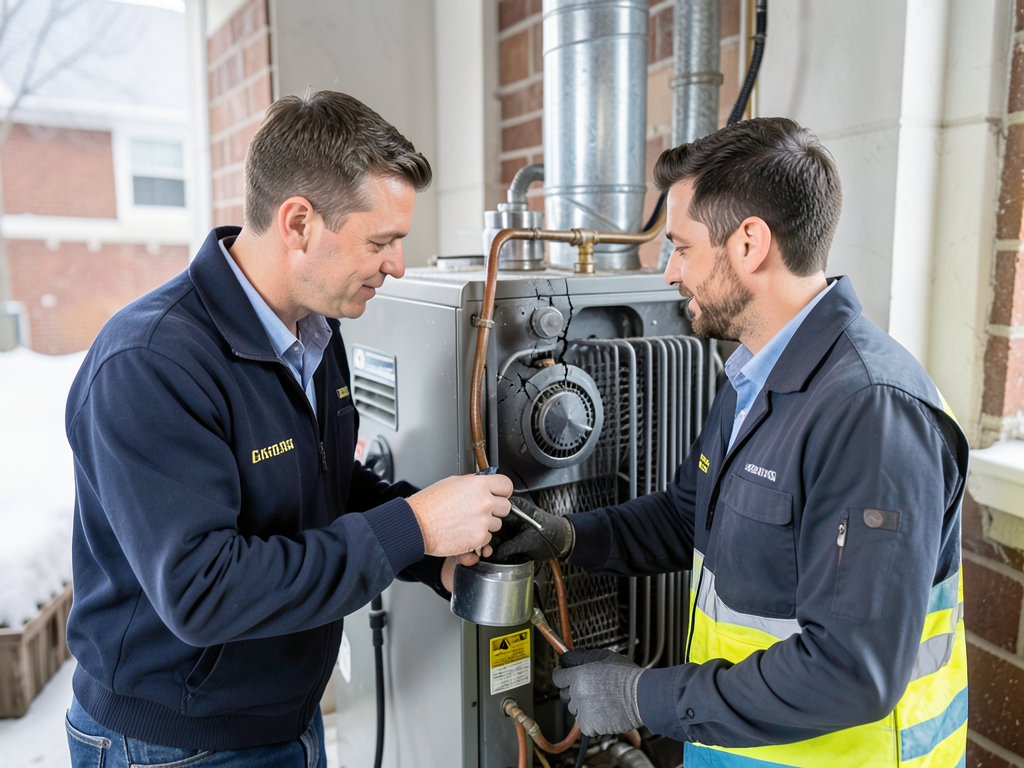
The Midwest sits at the intersection of several major weather patterns. This creates what meteorologists call a continental climate with no moderating ocean influence. For HVAC systems this means dealing with both the humidity of the Gulf Coast and arctic blasts from Canada.
Our location in the transition zone between climate zones 4 and 5 creates unique challenges. Systems here must handle both extreme heating and cooling loads. This means they constantly switch between modes. This short-cycling is one of the biggest killers of HVAC longevity.
Consider this example. A heat pump in Phoenix might run for 8-10 months straight in cooling mode. In Kansas City that same unit might switch between heating and cooling 10-15 times per season. Each switch requires the compressor to start from a dead stop. This creates massive electrical and mechanical stress.. Read more about How Shifting Kansas City Clay Soil Can Actually Damage Your Underground Ductwork.
Humidity: The Silent HVAC Killer
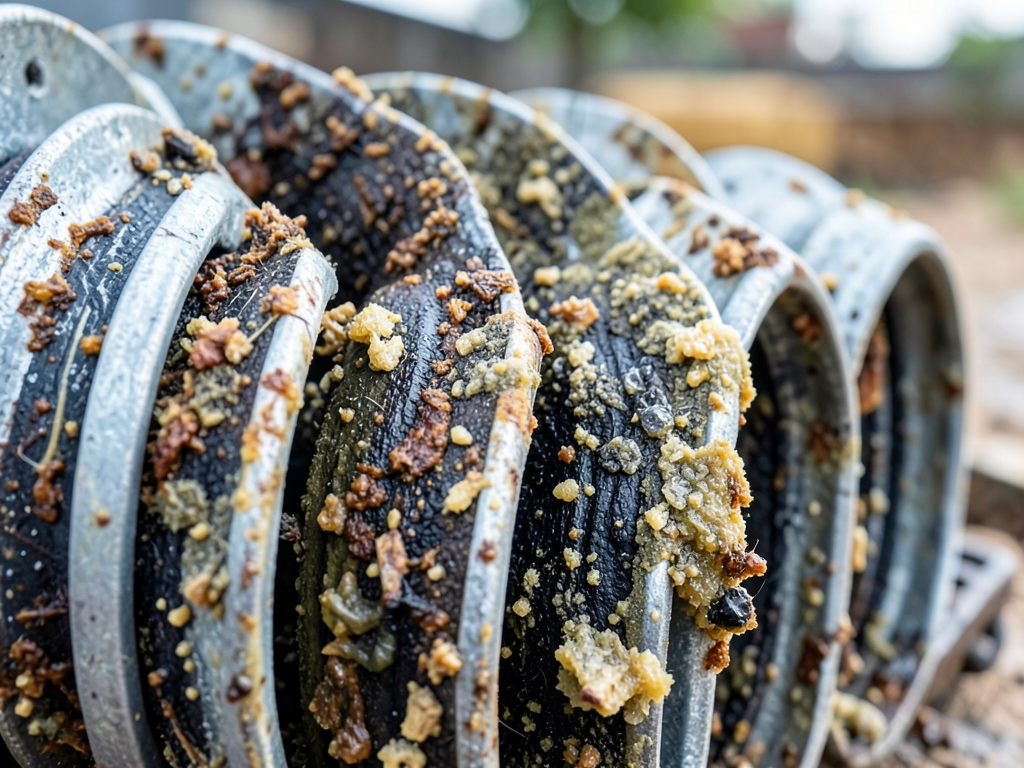
Kansas City summer humidity isn’t just uncomfortable. It’s corrosive. Our average relative humidity of 65-75% in July creates the perfect environment for rust and corrosion on outdoor condenser units.. Read more about Protecting Your Outdoor AC Unit from Flash Floods and Heavy Rain in Raytown.
The evaporator coils inside your system are particularly vulnerable. When warm humid air passes over these cold coils condensation forms. In our climate this moisture often contains dissolved minerals and pollutants that create a slightly acidic solution. Over time this eats away at copper tubing and aluminum fins.
According to the 2021 International Mechanical Code Section 1101.2 HVAC equipment must be installed with proper drainage and corrosion protection. However even code-compliant installations cannot fully protect against our extreme humidity levels. 2021 International Mechanical Code Section 1101.2.
Hard Water’s Hidden Impact
Liberty and much of the Northland sits on limestone bedrock. This means our water supply contains high levels of calcium and magnesium. When this hard water evaporates from your system’s condensate drain it leaves behind mineral deposits. These deposits can clog drain lines and reduce efficiency by up to 15%.
The EPA’s WaterSense program recommends annual cleaning of condensate drains in areas with water hardness above 7 grains per gallon. In Liberty we typically see readings of 10-12 grains per gallon. This maintenance is critical.
Winter’s Brutal Toll on Kansas City HVAC Systems
When temperatures plummet below freezing your HVAC system faces its toughest test. The most vulnerable component is the heat exchanger in your furnace. These metal chambers expand and contract with temperature changes. Our rapid freeze-thaw cycles create stress that leads to cracks. Same day furnace repair services for families in Lee’s Summit.
The National Fire Protection Association Standard 54 requires heat exchangers to be designed for thermal cycling. However even the best engineering cannot prevent all failures in our climate. A cracked heat exchanger isn’t just inefficient. It can leak deadly carbon monoxide into your home.
Ice Damage: The Hidden Threat
During severe winter storms ice can build up on your outdoor condenser unit. When this ice melts and refreezes it can bend the delicate aluminum fins that dissipate heat. Even a slight bend can reduce efficiency by 5-10% and force your system to work harder.
The International Residential Code Section R403.4 requires proper foundation support for outdoor units. However many older installations in Liberty’s established neighborhoods don’t meet current standards. A shifting concrete pad can cause refrigerant line stress that leads to leaks.
Spring and Fall: The Season of HVAC Chaos
Kansas City shoulder seasons are deceptively dangerous for HVAC systems. During March and October we often see temperature swings of 40-50 degrees in a single day. Your system might run in heating mode at 7 AM and cooling mode by 2 PM.
This constant switching prevents the system from reaching optimal operating temperature. Motors and compressors are designed to run at specific temperatures for maximum efficiency and longevity. When they constantly start and stop they never achieve this optimal state.
The American Society of Heating Refrigerating and Air-Conditioning Engineers ASHRAE Standard 55 defines thermal comfort zones. However our local conditions often push systems outside these ideal operating parameters. ASHRAE Standard 55.
Warning Signs Your System Is Failing Early
Most homeowners don’t realize their HVAC system is struggling until it completely fails. However there are several early warning signs that indicate your system is experiencing premature wear due to our climate.
- Unusual noises during startup or shutdown
- Longer run times to achieve desired temperatures
- Higher than normal utility bills
- Uneven heating or cooling throughout your home
- Frequent cycling on and off
These symptoms often indicate that components are working harder than they should due to the stress of our temperature extremes. Catching these issues early can extend your system’s life by 2-3 years.
Protecting Your Investment: Kansas City-Specific Maintenance
Standard HVAC maintenance schedules don’t account for our unique climate challenges. Here’s what you need to do differently in the Kansas City area.
- Bi-Annual Professional Inspections
Schedule maintenance in both spring and fall to prepare for our extreme seasonal changes. A technician should check for corrosion refrigerant levels and electrical connections that may have loosened due to thermal cycling.
- Humidity Control Upgrades
Consider installing a whole-house dehumidifier or upgrading to a variable-speed system that can better manage our high summer humidity levels.
- Smart Thermostat Installation
Modern smart thermostats can learn your home’s patterns and make gradual adjustments. This reduces the stress of sudden temperature changes on your system. Smart Thermostat Benefits.
- Air Quality Improvements
High-efficiency air filters and UV light systems can reduce the particulate matter that contributes to coil corrosion and reduced efficiency.
Comparing HVAC Longevity: Kansas City vs. Milder Climates
| Component | National Average Lifespan | Kansas City Average | Reduction |
|---|---|---|---|
| Furnace (Gas) | 15-20 years | 12-16 years | 20-25% |
| Air Conditioner | 12-15 years | 10-13 years | 15-20% |
| Heat Pump | 10-15 years | 8-12 years | 15-20% |
| Thermostat | 10-15 years | 7-10 years | 20-30% |
When to Repair vs. Replace: Making the Right Call
The decision to repair or replace your HVAC system depends on several factors unique to our climate. Here’s a simple guideline. Who to call for 24 hour emergency AC repair in Shawnee when the heat index spikes.
If your system is over 10 years old and needs a major repair costing more than 30% of replacement cost replacement is usually the better investment. Our extreme conditions mean older systems are already operating at reduced efficiency.
However if your system is under 8 years old and well-maintained repairs often make sense. The key is having a technician who understands our local conditions and can accurately diagnose climate-related wear patterns.
Future-Proofing: HVAC Technology for Kansas City’s Climate
New HVAC technologies are specifically designed to handle extreme temperature swings. Variable-speed compressors can adjust their output in small increments rather than simple on/off operation. This reduces the stress of constant cycling.
Two-stage furnaces provide a lower heat output for mild days and a higher output for extreme cold. This matches our variable weather patterns more effectively. These systems can extend equipment life by 2-3 years in our climate.. Read more about Why an oversized furnace is actually making your Northland home less comfortable.
The Department of Energy’s SEER2 rating system implemented in 2023 provides more accurate efficiency measurements for real-world conditions including our temperature extremes.
Local Building Codes and HVAC Installation Standards
Clay County and the City of Liberty have adopted the 2021 International Mechanical Code with local amendments. These codes address many of the climate-specific challenges we face including:
- Required minimum foundation depth for outdoor units (12 inches in our frost zone)
- Specific condensate drain requirements for high-humidity areas
- Electrical grounding requirements to prevent lightning damage
Working with a contractor familiar with these local requirements ensures your system is installed to withstand our unique conditions.
Energy Efficiency in Extreme Conditions
Our temperature extremes make energy efficiency more challenging but also more important. A system that’s 10% more efficient can save $200-300 per year in our climate. Here heating and cooling often account for 50% of home energy use.
The ENERGY STAR program certifies equipment that meets strict efficiency guidelines. However even the most efficient system will struggle if it’s not properly sized for our climate. Oversized systems short-cycle more frequently while undersized systems run constantly during extreme weather.
Don’t Let Kansas City’s Weather Win: Take Action Today
Your HVAC system is one of the most expensive components in your home. Kansas City weather is working overtime to destroy it. The good news is that with proper maintenance and the right technology you can fight back against our extreme climate.
Most HVAC failures during extreme weather happen because minor issues were ignored until they became catastrophic. A simple $100 maintenance visit could save you $3000-5000 in premature replacement costs.
Ready to protect your investment? Call (816) 473-9177 today to schedule your comprehensive HVAC inspection. Our technicians understand the unique challenges of Kansas City’s climate and can recommend solutions that actually work in our conditions.. Read more about Passing your HVAC home inspection when selling your Mission property.
Don’t wait for the next temperature swing to take your system down. Pick up the phone and call (816) 473-9177 before the next storm hits. Your comfort and your wallet will thank you.
Frequently Asked Questions
How long should an HVAC system last in Kansas City?
The average HVAC system in Kansas City lasts 12-15 years compared to 15-20 years in milder climates. This reduction is due to our extreme temperature swings high humidity and rapid seasonal changes that create additional stress on system components.
What’s the best HVAC system for Kansas City’s climate?
Variable-speed heat pumps with dual-stage furnaces provide the best performance in our climate. These systems can adjust their output to match our fluctuating weather patterns. This reduces the stress of constant on/off cycling that kills conventional systems.. Read more about How to Keep Your Furnace Intake Pipes Clear During a Kansas City Ice Storm.
How often should I service my HVAC in Kansas City?
Bi-annual service is recommended in our area. Schedule once in spring before cooling season and once in fall before heating season. Our extreme seasonal changes mean systems need preparation for both the humid summers and sub-zero winters.
Can I extend my HVAC system’s life in this climate?
Yes. Regular maintenance proper humidity control and timely repairs can add 2-4 years to your system’s life. Installing a smart thermostat and ensuring proper insulation also reduces the workload on your HVAC equipment.
What’s the most common HVAC failure in Kansas City?
Heat exchanger cracks in furnaces are the most common premature failure. These cracks are caused by our rapid temperature changes creating thermal stress. These cracks can be dangerous as they may leak carbon monoxide into your home.
You may also find this helpful. Understanding Your Rights as a KCK Tenant When the AC Stops Working.
You may also find this helpful. Trane vs Goodman — Choosing between long term reliability and upfront savings.
You may also find this helpful. Protecting your Smithville Lake property from furnace failure during a winter freeze.
You may also find this helpful. Protecting your piano and acoustic guitars from Kansas City humidity swings.
{
“@context”: “https://schema.org”,
“@type”: “BlogPosting”,
“headline”: “How the Extreme Kansas City Temperature Swings Shorten Your HVAC Life Expectancy”,
“description”: “Kansas City’s wild temperature swings can cut HVAC lifespan by 2-4 years. Learn why our climate destroys systems and how to protect your investment.”,
“wordCount”: 1909,
“datePublished”: “2026-05-16T10:44:00.000Z”,
“dateModified”: “2026-05-16T10:44:00.000Z”,
“inLanguage”: “en-US”,
“mainEntityOfPage”: {
“@type”: “WebPage”,
“@id”: “https://unitedhvackansascity.com”
},
“publisher”: {
“@type”: “LocalBusiness”,
“name”: “United HVAC Kansas City”,
“url”: “https://unitedhvackansascity.com”
},
“author”: {
“@type”: “Organization”,
“name”: “United HVAC Kansas City”,
“url”: “https://unitedhvackansascity.com”
},
“image”: {
“@type”: “ImageObject”,
“url”: “https://unitedhvackansascity.com/wp-content/uploads/2026/03/how-the-extreme-kansas-city-temperature-swings-sho-1.png”
}
}
{
“@context”: “https://schema.org”,
“@type”: “HVACBusiness”,
“name”: “United HVAC Kansas City”,
“url”: “https://unitedhvackansascity.com”,
“address”: {
“@type”: “PostalAddress”,
“addressLocality”: “Kansas City”
},
“areaServed”: {
“@type”: “City”,
“name”: “Kansas City”
}
}
{
“@context”: “https://schema.org”,
“@type”: “FAQPage”,
“mainEntity”: [
{
“@type”: “Question”,
“name”: “How long should an HVAC system last in Kansas City?”,
“acceptedAnswer”: {
“@type”: “Answer”,
“text”: “The average HVAC system in Kansas City lasts 12-15 years compared to 15-20 years in milder climates. This reduction is due to our extreme temperature swings high humidity and rapid seasonal changes that create additional stress on system components.”
}
},
{
“@type”: “Question”,
“name”: “What’s the best HVAC system for Kansas City’s climate?”,
“acceptedAnswer”: {
“@type”: “Answer”,
“text”: “Variable-speed heat pumps with dual-stage furnaces provide the best performance in our climate. These systems can adjust their output to match our fluctuating weather patterns. This reduces the stress of constant on/off cycling that kills conventional systems.”
}
},
{
“@type”: “Question”,
“name”: “How often should I service my HVAC in Kansas City?”,
“acceptedAnswer”: {
“@type”: “Answer”,
“text”: “Bi-annual service is recommended in our area. Schedule once in spring before cooling season and once in fall before heating season. Our extreme seasonal changes mean systems need preparation for both the humid summers and sub-zero winters.”
}
},
{
“@type”: “Question”,
“name”: “Can I extend my HVAC system’s life in this climate?”,
“acceptedAnswer”: {
“@type”: “Answer”,
“text”: “Yes. Regular maintenance proper humidity control and timely repairs can add 2-4 years to your system’s life. Installing a smart thermostat and ensuring proper insulation also reduces the workload on your HVAC equipment.”
}
},
{
“@type”: “Question”,
“name”: “What’s the most common HVAC failure in Kansas City?”,
“acceptedAnswer”: {
“@type”: “Answer”,
“text”: “Heat exchanger cracks in furnaces are the most common premature failure. These cracks are caused by our rapid temperature changes creating thermal stress. These cracks can be dangerous as they may leak carbon monoxide into your home.”
}
}
]
}
{
“@context”: “https://schema.org”,
“@type”: “HowTo”,
“name”: “Kansas City HVAC Protection Steps”,
“step”: [
{
“@type”: “HowToStep”,
“position”: 1,
“name”: “Bi-Annual Professional Inspections”,
“text”: “Schedule maintenance in both spring and fall to prepare for our extreme seasonal changes. A technician should check for corrosion refrigerant levels and electrical connections that may have loosened due to thermal cycling.”
},
{
“@type”: “HowToStep”,
“position”: 2,
“name”: “Humidity Control Upgrades”,
“text”: “Consider installing a whole-house dehumidifier or upgrading to a variable-speed system that can better manage our high summer humidity levels.”
},
{
“@type”: “HowToStep”,
“position”: 3,
“name”: “Smart Thermostat Installation”,
“text”: “Modern smart thermostats can learn your home’s patterns and make gradual adjustments. This reduces the stress of sudden temperature changes on your system. Smart Thermostat Benefits.”
},
{
“@type”: “HowToStep”,
“position”: 4,
“name”: “Air Quality Improvements”,
“text”: “High-efficiency air filters and UV light systems can reduce the particulate matter that contributes to coil corrosion and reduced efficiency.”
}
],
“image”: “https://unitedhvackansascity.com/wp-content/uploads/2026/03/how-the-extreme-kansas-city-temperature-swings-sho-1.png”
}
{
“@context”: “https://schema.org”,
“@type”: “BreadcrumbList”,
“itemListElement”: [
{
“@type”: “ListItem”,
“position”: 1,
“name”: “Home”,
“item”: “https://unitedhvackansascity.com”
},
{
“@type”: “ListItem”,
“position”: 2,
“name”: “Blog”,
“item”: “https://unitedhvackansascity.com/blog”
},
{
“@type”: “ListItem”,
“position”: 3,
“name”: “How the Extreme Kansas City Temperature Swings Shorten Your HVAC Life Expectancy”
}
]
}
{
“@context”: “https://schema.org”,
“@type”: “Service”,
“serviceType”: “HVAC”,
“provider”: {
“@type”: “LocalBusiness”,
“name”: “United HVAC Kansas City”,
“url”: “https://unitedhvackansascity.com”
},
“areaServed”: {
“@type”: “City”,
“name”: “Kansas City”
},
“description”: “Kansas City’s wild temperature swings can cut HVAC lifespan by 2-4 years. Learn why our climate destroys systems and how to protect your investment.”
}