





North Kansas City sits in the heart of Missouri's temperature extremes. Summer humidity regularly pushes 80 percent while temperatures climb past 95 degrees. Winter brings sub-zero wind chills that test heating systems for weeks at a time. Your HVAC system works harder here than in most of the country.
The Missouri River valley creates moisture problems that affect ductwork and condensation management. Many North Kansas City homes were built in the 1940s and 50s with undersized ductwork that struggles to keep up with modern cooling demands. The clay soil common throughout Clay County shifts with seasonal moisture changes, stressing ductwork connections and causing air leaks that waste energy.
Local systems also face challenges from the industrial corridor along Highway 169. Air quality demands put extra strain on filters and ventilation systems. Buildings near the river deal with higher humidity loads that require careful equipment sizing and dehumidification planning. These conditions mean your HVAC system needs regular attention from technicians who understand North Kansas City's specific climate patterns and building characteristics.
United HVAC Kansas City has served homes and businesses throughout the greater Kansas City metro for years. We built our reputation by showing up when we say we will and fixing problems right the first time. Our technicians live in the communities we serve. They understand what it means when your air conditioner quits during a July heat wave or your furnace fails on a January morning.
We invest in ongoing training so our team stays current with new equipment and refrigerant regulations. Every truck carries diagnostic tools and common replacement parts. This means we can often complete repairs in a single visit instead of making you wait for a return trip. Our technicians explain what went wrong, what they fixed, and how to prevent future problems.
We price our work fairly. You get a clear estimate before we start repairs. No surprises on the bill. No pressure to buy services you don't need. We focus on solving your immediate problem and helping you make smart decisions about your system's future.
Many HVAC companies serve North Kansas City, but few have technicians who genuinely know the area's building stock and climate challenges. We've worked on everything from old bungalows near Armour Road to modern commercial buildings in the industrial district. That experience matters when diagnosing problems quickly and recommending solutions that actually work in your specific building.

When your heating or cooling fails at night or on weekends, we answer. Our emergency service covers all of North Kansas City with technicians who dispatch quickly and arrive prepared to fix your system. We understand equipment failure doesn't wait for business hours.

Our team knows North Kansas City's building types and climate demands. We've diagnosed problems in hundreds of local homes and businesses. That experience helps us identify issues faster and recommend solutions that work long-term in Missouri's extreme weather conditions.
We explain what's wrong in plain language and give you options. Sometimes a repair makes sense. Sometimes replacement is smarter. We help you understand the tradeoffs so you can make the right decision for your situation and budget.
We specialize in serving North Kansas City and surrounding Clay County communities. This focused service area means faster response times and technicians who understand your neighborhood's specific HVAC challenges, from older home ductwork to commercial building requirements.
United HVAC Kansas City handles every type of heating and cooling need. Emergency breakdowns demand immediate attention. Routine maintenance prevents those emergencies. System replacements require careful planning and expert installation. We organize our services around what you need right now.
Some customers call us in crisis mode with a failed system. Others want to schedule seasonal maintenance to avoid breakdowns. Many need help deciding whether to repair an aging system or invest in replacement. Whatever brings you to us, we respond with experienced technicians who solve problems efficiently.
Our service categories reflect how HVAC work actually happens. Emergency repairs get you comfortable fast. Preventive maintenance keeps systems running reliably. Installation and replacement services deliver long-term solutions when repair no longer makes sense. Each service type requires different expertise and approach. Our technicians handle all three seamlessly, so you work with one trusted company for every HVAC need.
When your air conditioner quits cooling or your furnace stops heating, you need help now. We dispatch technicians quickly to diagnose the problem and restore comfort. Our trucks carry common parts for most residential and light commercial systems. We handle refrigerant leaks, compressor failures, blower motor problems, control board issues, and thermostat malfunctions. Emergency service is available 24/7 because HVAC failures don't respect your schedule.
Regular maintenance catches small problems before they become expensive failures. We clean coils, check refrigerant levels, test electrical connections, inspect ductwork, replace filters, and verify proper airflow. Seasonal tune-ups keep your system running efficiently and extend equipment life. Most breakdowns happen because something wore out gradually without anyone noticing. Maintenance spots those wear patterns early when fixes are simple and cheap.
Old systems eventually reach the point where repair costs outweigh replacement benefits. We help you evaluate that decision honestly. Our installation team properly sizes new equipment for your building, installs it according to manufacturer specifications, and tests everything thoroughly before we leave. We handle permits, load calculations, ductwork modifications, and thermostat upgrades. The goal is a system that delivers reliable comfort for 15 to 20 years.
Missouri's extreme seasonal swings create predictable HVAC challenges. Systems that cool beautifully in summer often develop heating problems in winter. Equipment that performed fine for years suddenly struggles when a heat wave pushes outdoor temperatures above design conditions for days at a time.
North Kansas City's mix of old and new buildings means HVAC problems vary widely by neighborhood. Homes built before modern insulation standards lose conditioned air fast. Older ductwork develops leaks at joints. Original equipment often runs undersized by today's comfort expectations. Commercial buildings face different challenges with rooftop units exposed to weather and harder to access for maintenance.
The clay soil throughout Clay County shifts seasonally, stressing duct connections and causing air leaks. High humidity in summer makes cooling systems work harder and can lead to mold growth in poorly maintained equipment. These local conditions create patterns we see repeatedly in service calls across North Kansas City.
When your air conditioner or furnace turns on and off rapidly without completing a full cycle, something is wrong. Short cycling wastes energy, stresses components, and leaves your home uncomfortable. Common causes include refrigerant leaks, oversized equipment, failing thermostats, or clogged filters restricting airflow.
Some rooms stay too hot while others freeze. This points to ductwork problems, undersized equipment, or poor system balancing. North Kansas City's older homes often have ductwork added room by room over decades, creating airflow imbalances. Finding and fixing the cause requires experience with local building types.
If your utility bills jumped without changes to your usage, your HVAC system is probably working inefficiently. Refrigerant leaks, dirty coils, duct leaks, failing compressors, or worn blower motors all force systems to run longer to achieve the same results. This wastes money every month until you fix the underlying problem.
When nothing happens after you adjust the thermostat, the problem could be electrical, mechanical, or control-related. Tripped breakers, blown fuses, failed transformers, dead compressors, and broken contactors all cause complete shutdowns. Missouri's temperature extremes stress components. Systems that worked fine yesterday can fail suddenly when pushed hard.
When you call United HVAC Kansas City, you talk to someone who listens to your problem and asks useful questions. We schedule service calls promptly. Emergency situations get immediate attention. Routine work gets scheduled at your convenience. Our technicians call before arriving so you know when to expect them.
The technician who shows up drives a clearly marked truck and wears company identification. They arrive with the tools and diagnostic equipment needed to figure out what's wrong. Most importantly, they take time to explain what they find in terms you can understand.
We believe you should know what's happening with your system. Our technicians show you the problem when possible, explain why it happened, and outline your options. You make the decision. We provide the information and expertise to make that decision confidently. This straightforward approach builds trust and helps you avoid future problems through better understanding of your HVAC system.
We explain what we find, what it means, and what it costs before we start work. No technical jargon designed to confuse you. No pressure to buy services you don't need. Our technicians answer your questions completely and help you understand both the immediate repair and the bigger picture of your system's condition and expected lifespan.
Our technicians work efficiently because they've diagnosed and repaired thousands of HVAC systems. They carry common parts and order specialty components quickly when needed. We respect your time and your property. Work areas get cleaned before we leave. You get a system that works and peace of mind that it was fixed properly.
After major repairs or installations, we follow up to verify everything performs as expected. We keep service records so future technicians understand your system's history. When you call back with questions, we remember your situation and provide continuity of care. This ongoing relationship helps us serve you better over the years.
HVAC service shouldn't be complicated. We keep our process simple and focused on solving your problem efficiently. Three clear steps take you from initial call to restored comfort.
When our technician arrives, they start by listening to your description of the problem. What symptoms have you noticed? When did they start? This information guides the diagnostic process. The technician then inspects your system thoroughly, tests components, checks refrigerant levels, and measures airflow. Once they identify the problem, they explain what they found and present your repair options with honest pricing.
After you approve the repair plan, our technician gets to work. They use quality parts and follow proper procedures. For refrigerant work, we comply with EPA regulations. For electrical repairs, we follow NEC standards. The work gets done right, not just fast. Throughout the repair, the technician keeps you informed about progress and any additional issues discovered during the fix.
Before we leave, the technician tests your system thoroughly to verify proper operation. They check temperatures, airflow, electrical draw, and safety controls. You see the system working correctly. The technician reviews what was repaired, provides maintenance recommendations, and answers final questions. You get documentation of all work performed and parts installed.
HVAC work requires more than just swapping parts. Proper refrigerant handling follows EPA Section 608 certification requirements. We use calibrated scales for accurate charging, recover old refrigerant instead of venting it, and verify proper subcooling and superheat readings. These measurements tell us whether a system operates within manufacturer specifications.
Electrical work must comply with National Electrical Code standards. We verify proper wire sizing, ground connections, and disconnect ratings. Undersized wiring causes voltage drop that damages compressors and motors. Many service calls result from electrical problems caused by improper previous work.
Ductwork installation and modification require attention to air velocity, static pressure, and proper sealing methods. North Kansas City's building codes require permits for certain HVAC work. We pull required permits and schedule inspections when necessary. This protects you from liability and ensures work meets code.
Load calculations determine proper equipment sizing. Many older homes have oversized equipment installed by contractors who guessed instead of calculating. Oversized systems short cycle, waste energy, and fail to dehumidify properly. We use Manual J calculations to size replacement equipment correctly for your building's actual heating and cooling loads.
These technical details matter because they affect system performance, efficiency, and longevity. Shortcuts might save money initially but cost more over time through higher energy bills and premature equipment failure. We do the work properly because that's what delivers reliable long-term comfort.
All technicians hold EPA Section 608 certification for refrigerant handling. We use proper recovery equipment, never vent refrigerants, and charge systems by weight and temperature measurements. With R-22 phaseout complete and R-410A regulations tightening, proper refrigerant practices protect your equipment investment and keep you legal.
Repair costs depend on problem complexity, parts required, and labor time. Refrigerant leaks require finding the leak, repairing it, pressure testing, evacuating the system, and recharging. This takes hours. Simple fixes like thermostat replacement take minutes. We price fairly based on actual work required.
Most repairs complete in a single visit if we have the parts. Complex problems requiring specialty components might need a return trip. System replacements typically take one to two days depending on equipment changes and ductwork modifications. We give honest timeline estimates upfront.
We carry proper liability insurance and workers compensation coverage. Our technicians hold required certifications. We pull permits when code requires them, particularly for equipment replacements and major ductwork changes. This protects you from liability if something goes wrong.
This video explains common HVAC problems in North Kansas City and how professional repair services work. Topics include system diagnostics, refrigerant handling, ductwork issues, equipment sizing, and service expectations. Viewers learn what causes heating and cooling failures, how climate affects HVAC performance, and what to look for when choosing an HVAC contractor. The video covers emergency repair services, preventive maintenance benefits, and system replacement considerations for North Kansas City homes and businesses.
United HVAC Kansas City serves all of North Kansas City, from the residential neighborhoods near Chouteau Trafficway to the commercial district along Highway 169. We respond to service calls throughout the Northland area, including homes near the Missouri River waterfront and businesses in the industrial corridor that runs parallel to Burlington Street.
The original North Kansas City neighborhoods near Armour Road feature homes built in the 1940s and 50s. These properties often have undersized ductwork and aging equipment that struggles with modern comfort demands. We've worked on hundreds of these homes and understand the challenges of upgrading HVAC systems in buildings with limited attic access and tight crawl spaces.
Areas around Macken Park and along 18th Avenue present different challenges. These mid-century homes typically have slab foundations, which complicates ductwork routing and makes certain repairs more involved. The commercial properties near the intersection of Swift Avenue and Highway 169 require different expertise. These buildings often use rooftop package units exposed to weather and harder to access for routine maintenance.
We also serve the newer developments east toward Liberty and the established neighborhoods extending south toward downtown Kansas City. The diverse building stock throughout Clay County means HVAC systems face different challenges depending on building age, construction type, and location. Properties near the Missouri River bottom deal with higher humidity. Buildings on higher ground north toward Gladstone face stronger wind exposure.
This geographic familiarity helps us respond faster and diagnose problems more accurately. Our technicians know where buildings are located, typical construction methods for different eras, and common HVAC configurations throughout the area. That local knowledge translates to better service for you.
The $5000 rule helps you decide between repair or replacement. If your repair cost multiplied by your system's age exceeds $5000, replacement makes more financial sense. For example, a $400 repair on a 15-year-old unit equals $6000, signaling it's time to replace. North Kansas City homeowners face humid summers and cold winters, which stress aging systems. An old unit struggling with humidity control or efficiency issues will cost more long-term. This rule isn't absolute, but it provides a practical benchmark for major repairs.
HVAC system costs in Kansas City range from basic to premium installations, depending on size, efficiency rating, and brand. Single-stage systems cost less than variable-speed models with advanced humidity control. North Kansas City homes face high summer humidity and winter temperature swings, making proper sizing critical. A system too small struggles during peak demand. A system too large cycles constantly and wastes energy. Ductwork condition, insulation quality, and thermostat upgrades also affect final project costs. Request multiple quotes from licensed contractors.
HVAC installers in North Kansas City typically charge per project rather than hourly rates. Hourly service calls for repairs usually fall in a specific range, but installation pricing depends on job complexity, equipment type, and ductwork modifications. A straightforward filter change costs less than diagnosing refrigerant leaks or rewiring thermostat controls. Emergency calls during evenings or weekends carry premium rates. Always ask for flat-rate estimates before work begins to avoid surprise charges. Licensed contractors provide detailed breakdowns of labor and materials.
The $5000 rule helps you decide between repair or replacement. If your repair cost multiplied by your system's age exceeds $5000, replacement makes more financial sense. For example, a $400 repair on a 15-year-old unit equals $6000, signaling it's time to replace. North Kansas City homeowners face humid summers and cold winters, which stress aging systems. An old unit struggling with humidity control or efficiency issues will cost more long-term. This rule isn't absolute, but it provides a practical benchmark for major repairs.
HVAC system costs in Kansas City range from basic to premium installations, depending on size, efficiency rating, and brand. Single-stage systems cost less than variable-speed models with advanced humidity control. North Kansas City homes face high summer humidity and winter temperature swings, making proper sizing critical. A system too small struggles during peak demand. A system too large cycles constantly and wastes energy. Ductwork condition, insulation quality, and thermostat upgrades also affect final project costs. Request multiple quotes from licensed contractors.
HVAC installers in North Kansas City typically charge per project rather than hourly rates. Hourly service calls for repairs usually fall in a specific range, but installation pricing depends on job complexity, equipment type, and ductwork modifications. A straightforward filter change costs less than diagnosing refrigerant leaks or rewiring thermostat controls. Emergency calls during evenings or weekends carry premium rates. Always ask for flat-rate estimates before work begins to avoid surprise charges. Licensed contractors provide detailed breakdowns of labor and materials.
The most common HVAC problems include refrigerant leaks, dirty filters, thermostat malfunctions, and drainage clogs. North Kansas City's humidity causes condensate lines to back up, leading to water damage and system shutdowns. Dirty filters restrict airflow, forcing your system to work harder and waste energy. Electrical failures, capacitor burnout, and blower motor issues also occur frequently. Frozen evaporator coils happen when airflow drops or refrigerant runs low. Regular maintenance catches these issues early before they become expensive repairs or full system failures.
The average cost of a new HVAC system depends on home size, equipment efficiency, and installation complexity. Smaller homes require less tonnage, lowering equipment costs. Larger homes with multiple zones need more advanced systems. North Kansas City's climate demands systems that handle both humid cooling seasons and cold winters efficiently. High-efficiency units cost more upfront but reduce monthly utility bills. Ductwork repairs, electrical upgrades, and permit fees add to total project costs. Get three written estimates before committing to any contractor.
The 3-minute rule prevents compressor damage by requiring a minimum wait time between system cycles. When your AC shuts off, refrigerant pressure needs time to equalize throughout the system. Restarting too quickly forces the compressor to work against high pressure, causing premature wear or failure. Modern thermostats include built-in delay timers to protect your equipment. Never rapidly toggle your thermostat on and off. North Kansas City's stop-and-start summer storms can cause power fluctuations, making this protection feature critical for system longevity.
A new HVAC system for a 2000-square-foot home in 2025 varies based on efficiency rating, brand selection, and installation requirements. North Kansas City homes typically need 3 to 4-ton systems to handle summer humidity and winter heating loads properly. Single-stage systems cost less than two-stage or variable-speed models. Ductwork condition affects final pricing. Homes with outdated ducts require sealing or replacement. High-efficiency systems with SEER2 ratings above 16 reduce monthly utility bills but increase upfront investment.
The average HVAC system lasts 15 to 20 years with proper maintenance. North Kansas City's climate stresses equipment through humid summers and freezing winters, potentially shortening lifespan without regular care. Furnaces often outlast air conditioners by several years. Systems running constantly during peak seasons wear faster than those in milder climates. Annual maintenance, filter changes every 90 days, and prompt repairs extend equipment life. Neglected systems fail earlier and cost more to operate. Plan for replacement when your system reaches 12 to 15 years old.
HVAC replacement costs reflect complex equipment, skilled labor, and strict safety regulations. Systems contain precision-engineered compressors, heat exchangers, and refrigerant handling requiring EPA certification. North Kansas City installations must meet local building codes and permit requirements. Proper sizing calculations, ductwork modifications, and electrical upgrades add labor hours. Quality equipment costs more but delivers better efficiency and reliability. Refrigerant costs have increased due to environmental regulations. Shortcuts lead to callbacks, comfort problems, and premature failures. Professional installation protects your investment and ensures safe operation.
HVAC systems for a 1200-square-foot house typically require 2 to 2.5-ton units, depending on insulation quality, window count, and ceiling height. North Kansas City homes with poor insulation or large south-facing windows need more cooling capacity. System costs vary based on efficiency ratings and features like variable-speed blowers or smart thermostats. Existing ductwork condition affects installation complexity. Homes without ducts require ductless mini-split systems, which cost differently than traditional split systems. Request load calculations from licensed contractors to ensure proper sizing.
The most common HVAC problems include refrigerant leaks, dirty filters, thermostat malfunctions, and drainage clogs. North Kansas City's humidity causes condensate lines to back up, leading to water damage and system shutdowns. Dirty filters restrict airflow, forcing your system to work harder and waste energy. Electrical failures, capacitor burnout, and blower motor issues also occur frequently. Frozen evaporator coils happen when airflow drops or refrigerant runs low. Regular maintenance catches these issues early before they become expensive repairs or full system failures.
The average cost of a new HVAC system depends on home size, equipment efficiency, and installation complexity. Smaller homes require less tonnage, lowering equipment costs. Larger homes with multiple zones need more advanced systems. North Kansas City's climate demands systems that handle both humid cooling seasons and cold winters efficiently. High-efficiency units cost more upfront but reduce monthly utility bills. Ductwork repairs, electrical upgrades, and permit fees add to total project costs. Get three written estimates before committing to any contractor.
The 3-minute rule prevents compressor damage by requiring a minimum wait time between system cycles. When your AC shuts off, refrigerant pressure needs time to equalize throughout the system. Restarting too quickly forces the compressor to work against high pressure, causing premature wear or failure. Modern thermostats include built-in delay timers to protect your equipment. Never rapidly toggle your thermostat on and off. North Kansas City's stop-and-start summer storms can cause power fluctuations, making this protection feature critical for system longevity.
A new HVAC system for a 2000-square-foot home in 2025 varies based on efficiency rating, brand selection, and installation requirements. North Kansas City homes typically need 3 to 4-ton systems to handle summer humidity and winter heating loads properly. Single-stage systems cost less than two-stage or variable-speed models. Ductwork condition affects final pricing. Homes with outdated ducts require sealing or replacement. High-efficiency systems with SEER2 ratings above 16 reduce monthly utility bills but increase upfront investment.
The average HVAC system lasts 15 to 20 years with proper maintenance. North Kansas City's climate stresses equipment through humid summers and freezing winters, potentially shortening lifespan without regular care. Furnaces often outlast air conditioners by several years. Systems running constantly during peak seasons wear faster than those in milder climates. Annual maintenance, filter changes every 90 days, and prompt repairs extend equipment life. Neglected systems fail earlier and cost more to operate. Plan for replacement when your system reaches 12 to 15 years old.
HVAC replacement costs reflect complex equipment, skilled labor, and strict safety regulations. Systems contain precision-engineered compressors, heat exchangers, and refrigerant handling requiring EPA certification. North Kansas City installations must meet local building codes and permit requirements. Proper sizing calculations, ductwork modifications, and electrical upgrades add labor hours. Quality equipment costs more but delivers better efficiency and reliability. Refrigerant costs have increased due to environmental regulations. Shortcuts lead to callbacks, comfort problems, and premature failures. Professional installation protects your investment and ensures safe operation.
HVAC systems for a 1200-square-foot house typically require 2 to 2.5-ton units, depending on insulation quality, window count, and ceiling height. North Kansas City homes with poor insulation or large south-facing windows need more cooling capacity. System costs vary based on efficiency ratings and features like variable-speed blowers or smart thermostats. Existing ductwork condition affects installation complexity. Homes without ducts require ductless mini-split systems, which cost differently than traditional split systems. Request load calculations from licensed contractors to ensure proper sizing.
View our service area and business location on the map below. We are proud to serve the entire Kansas City metro area, providing expert heating and cooling services to both residential and commercial clients. If you need a reliable HVAC partner, we are conveniently located to respond quickly to your needs, ensuring your indoor comfort is always our top priority.
Address:
North Kansas City, MO, 64116
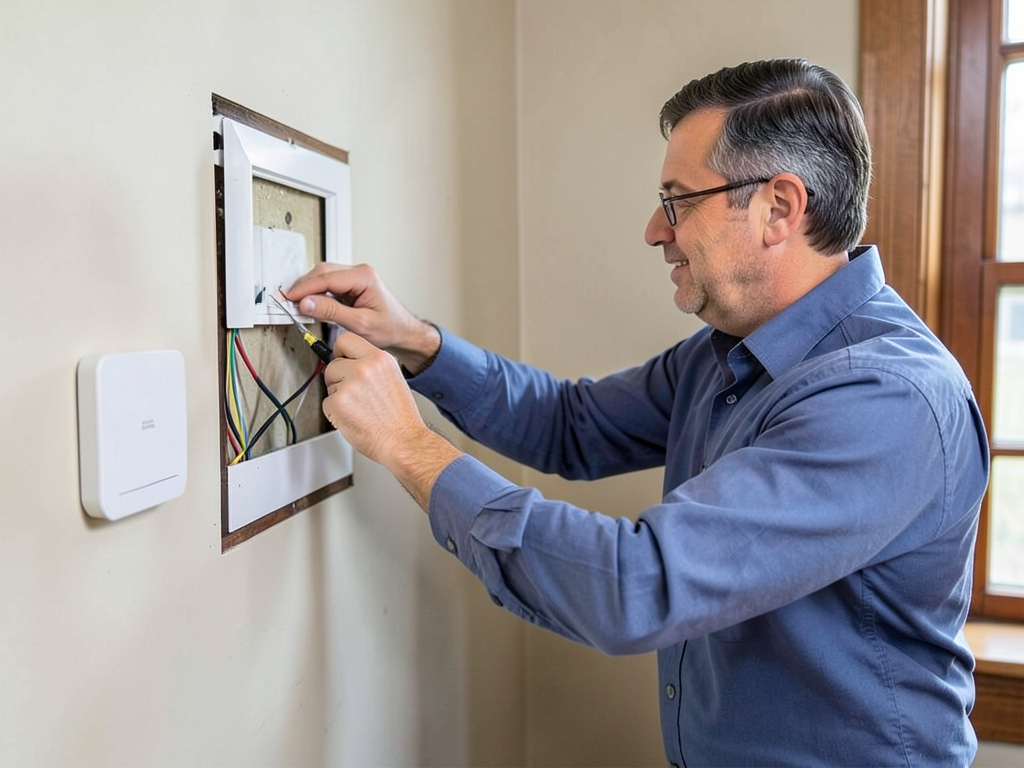
Can You Use a Nest Thermostat with an Older Two Wire System in Historic Northeast? Yes you can install a Nest thermostat in your Historic Northeast Kansas City home with older two-wire wiring but you…

Essential HVAC Safety Tips for Families with Toddlers and Crawling Babies in Lenexa\n\nDoes your crawling…
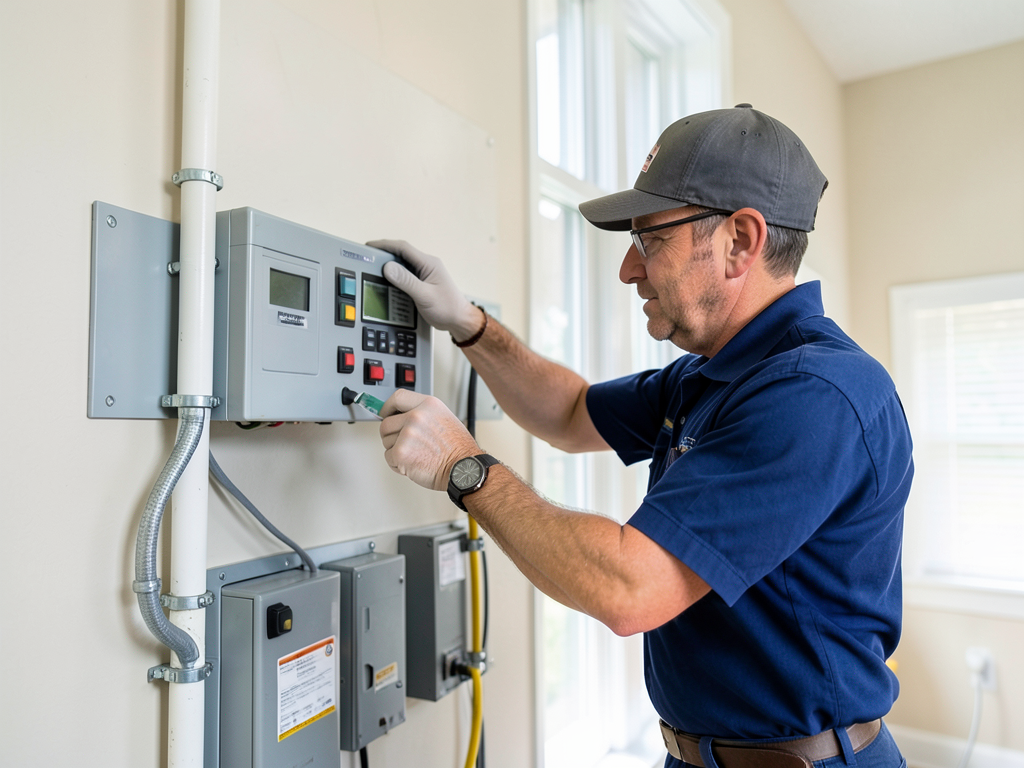
Your Olathe two-story home was built for comfort, but your master bedroom still feels like…
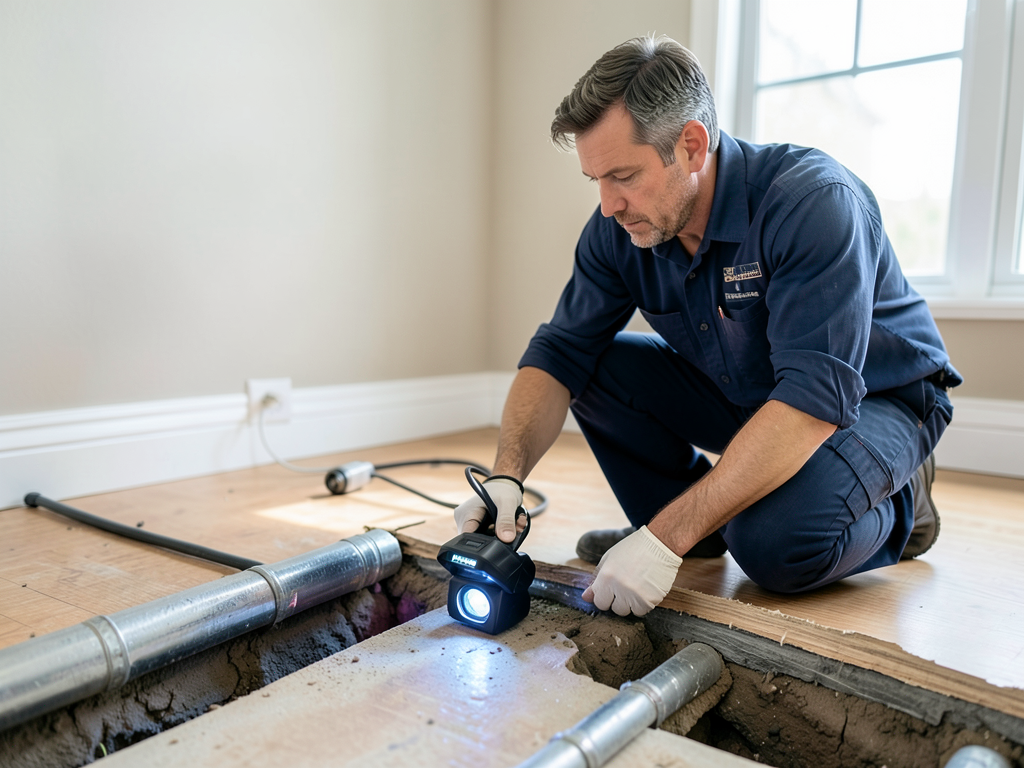
How Shifting Kansas City Clay Soil Can Actually Damage Your Underground Ductwork Kansas City’s expansive…
Don't spend another hour uncomfortable. Call United HVAC Kansas City now at (816) 473-9177. Our experienced technicians respond quickly to restore your comfort with honest service and fair pricing.