




Menu

Winterizing Your HVAC System in Kansas City – Protect Your Investment Before the First Hard Freeze

Get your heating system ready for Kansas City's unpredictable winter swings with expert winterization that prevents costly mid-season breakdowns and keeps your home comfortable through temperature drops to single digits.

Slider Image 1
Slider Image 2
Slider Image 3
Slider Image 4
Slider Image 5
Slider Image 7
Slider Image 8
Slider Image 9
Slider Image 10
Slider Image 11

Why Kansas City's Freeze-Thaw Cycles Make HVAC Winter Preparation Critical

Kansas City winters are not gentle. You face dramatic temperature swings that drop from 50 degrees to 15 degrees in less than 24 hours. These freeze-thaw cycles stress every component in your heating system. When your furnace sits idle through spring and summer, dust accumulates on burners, heat exchangers develop micro-cracks from expansion and contraction, and ignition systems corrode from humidity.

The first cold snap in November exposes these problems. You flip the thermostat to heat, and nothing happens. Or worse, you smell gas or burning dust. Preparing hvac for winter prevents these failures.

Kansas City's clay soil also creates problems below ground. When temperatures drop, soil contracts and shifts. This movement can stress gas lines feeding your furnace or crack ductwork in crawlspaces. Hvac winter maintenance catches these issues before they become emergencies.

Humidity is another factor. Kansas City averages 70% humidity in fall. This moisture condenses inside your system during temperature drops, leading to rust on blower motors and electrical connections. Without proper heating system winterization, you risk component failure when you need heat most.

The window for winter hvac preparation is narrow. Once temperatures consistently drop below freezing, outdoor work becomes difficult. Technicians cannot properly test outdoor HVAC components or seal ductwork in unheated spaces. Getting heating system ready for winter means scheduling service in October or early November, before the rush hits and before the weather turns.

Why Kansas City's Freeze-Thaw Cycles Make HVAC Winter Preparation Critical
How Professional Winterization Extends Equipment Life and Prevents Failures

How Professional Winterization Extends Equipment Life and Prevents Failures

Winterizing your HVAC system goes far beyond changing a filter. United HVAC Kansas City follows a diagnostic protocol that addresses the specific failure points Kansas City winters create.

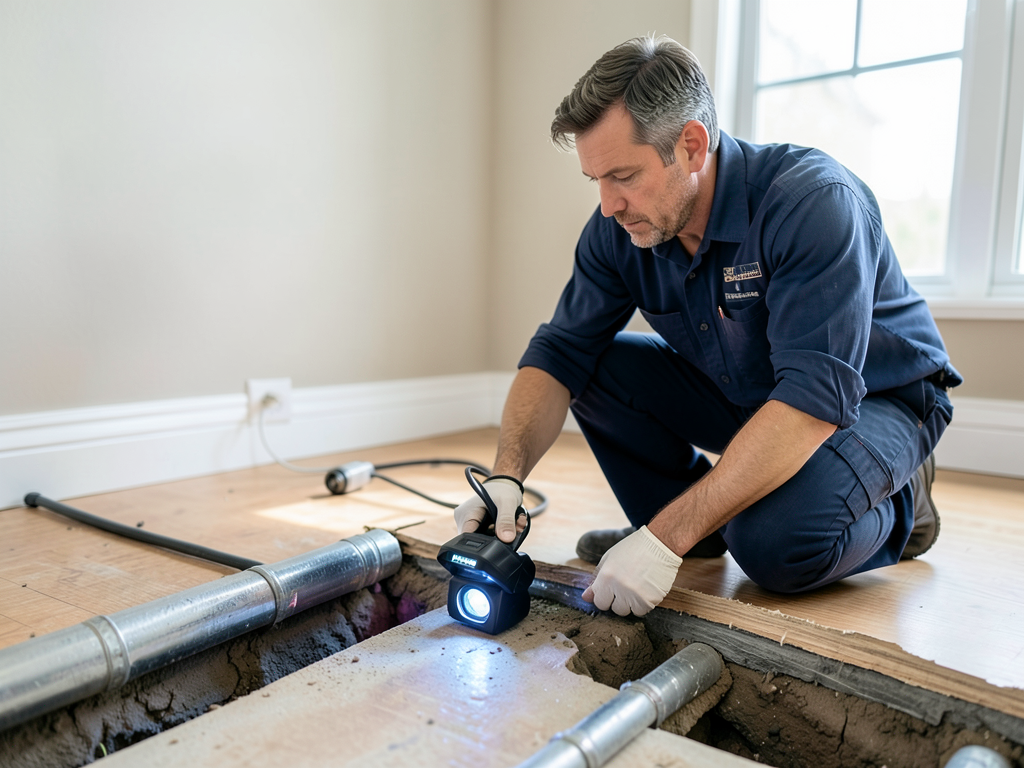
We start with combustion analysis on gas furnaces. This test measures the air-to-fuel ratio and identifies incomplete combustion before it creates carbon monoxide. We inspect heat exchangers with a borescope camera, looking for cracks that develop from repeated heating and cooling cycles. A cracked heat exchanger allows combustion gases into your ductwork, which is dangerous and requires immediate replacement.

Ignition systems fail frequently after summer dormancy. We test hot surface igniters, pilot assemblies, and flame sensors. These components degrade from thermal stress. A weak igniter may work for a few weeks, then fail during a January cold snap when replacement parts are backordered.

Blower motors and capacitors are next. Capacitors store the electrical charge needed to start your blower motor. Kansas City's humidity causes capacitors to fail at higher rates than dry climates. We measure capacitance with a multimeter and replace any capacitor testing below specification. A failed capacitor mid-winter means no airflow and a cold house.

Ductwork inspection is critical. We check for disconnected ducts in attics and crawlspaces, seal air leaks with mastic, and verify damper operation. Leaky ducts waste up to 30% of your heated air, forcing your furnace to run longer and increasing wear.

Thermostat calibration ensures accurate temperature control. Old thermostats drift out of calibration, causing temperature swings and short cycling that damages your compressor and heat exchanger. We verify accuracy and recommend upgrades to programmable or smart thermostats when needed.

What Happens During Your Winterization Appointment

Winterizing Your HVAC System in Kansas City – Protect Your Investment Before the First Hard Freeze
01

System Diagnostic and Safety Check

Our technician arrives with diagnostic tools to test every safety control and operational component. We measure gas pressure, test limit switches, verify proper venting, and inspect electrical connections. This phase identifies problems before they cause system failure. You get a detailed report of findings with recommendations prioritized by urgency and safety risk.
02

Component Cleaning and Calibration

We clean burners, flame sensors, and blower assemblies. Dust and debris reduce efficiency and create hot spots that crack heat exchangers. We lubricate motors, tighten electrical connections, and calibrate gas valves for optimal combustion. This hands-on work restores your system to factory specifications. We test system operation through multiple heating cycles to verify performance under load.
03

Final Testing and Documentation

After cleaning and calibration, we run your system through a full heating cycle while monitoring temperature rise, airflow, and combustion efficiency. We document baseline performance metrics in your service file. This creates a maintenance history that helps diagnose future issues quickly. You receive a written report with photos of any concerns and a maintenance schedule for the heating season.

Why Kansas City Homeowners Trust United HVAC for Winter Preparation

United HVAC Kansas City understands the specific challenges your heating system faces in this region. We work on furnaces and heat pumps in homes from Brookside to Northland neighborhoods. Each area has different housing stock and different HVAC configurations.

Historic homes in neighborhoods near the Plaza often have older gravity furnaces or converted boiler systems. These require specialized knowledge of older equipment and creative solutions for adding modern controls. Newer subdivisions in Lee's Summit and Olathe have builder-grade equipment that needs attention to ductwork sizing and airflow balancing.

We know Kansas City's building codes and permit requirements. Any work involving gas lines or electrical upgrades requires proper permitting through the city. We handle the paperwork and inspections. Unlicensed contractors skip this step, leaving you liable if problems occur.

Our technicians train on equipment from all major manufacturers. We stock common repair parts for Carrier, Trane, Lennox, Goodman, and Rheem systems. This means we complete most repairs during the initial service call instead of scheduling a second trip after ordering parts.

Winter hvac preparation also means preparing for emergencies. We offer priority service to customers who complete annual maintenance. When a storm knocks out power and you lose heat, you move to the front of the dispatch queue. We answer phones 24/7 during winter months because heating failures do not wait for business hours.

Kansas City's weather is unpredictable. You need a heating system you can trust when temperatures drop suddenly. Professional winterization gives you that confidence. You know your system was inspected, cleaned, and tested by technicians who understand local conditions and local equipment.

What You Get with Professional HVAC Winterization

Same-Week Scheduling Through November

We schedule winterization appointments within five business days during October and November. December fills quickly as temperatures drop and emergency calls increase. Early scheduling gives you flexibility for time slots that work with your schedule. Most winterization appointments take 90 to 120 minutes, depending on system complexity and findings. We provide a two-hour arrival window and call 30 minutes before arrival. If we find problems requiring immediate repair, we discuss options and pricing before proceeding with work.

Comprehensive Multi-Point Inspection

Your winterization includes a 32-point inspection covering safety controls, operational components, airflow, and combustion efficiency. We use digital manometers to measure gas pressure, multimeters to test electrical components, and combustion analyzers to verify proper air-fuel ratios. You receive a written inspection report with pass-fail results for each system. We photograph any concerns and explain findings in plain language. This documentation helps you make informed decisions about repairs and provides a baseline for future service calls.

Efficiency Optimization and Performance Testing

After inspection and cleaning, we optimize your system for peak efficiency. This includes adjusting blower speed for proper airflow, calibrating gas valves for complete combustion, and sealing accessible duct leaks. We measure temperature rise across your heat exchanger to verify it falls within manufacturer specifications. Proper temperature rise prevents overheating and extends equipment life. We test your thermostat's accuracy and cycle timing. The result is a heating system that runs efficiently, maintains consistent temperatures, and costs less to operate through winter.

Priority Service and Maintenance Records

Customers who complete annual winterization receive priority scheduling for emergency service calls. Your system details and service history are stored in our dispatch system, which helps our technicians diagnose problems faster if issues arise. We track maintenance dates and send reminders for next year's service. Regular maintenance also preserves manufacturer warranties on newer equipment. Many warranties require annual professional service to remain valid. We provide documentation for warranty claims if equipment failures occur.

Frequently Asked Questions

You Have Questions,
We Have Answers

How do you winterize your HVAC system? +

Start by replacing your furnace filter and inspecting your thermostat batteries. Check your furnace heat exchanger for cracks or rust, especially in Kansas City's humid climate where corrosion happens faster. Clean the flame sensor and test the ignition system. Inspect all ductwork for leaks that waste heated air. Clear debris from outdoor units and ensure drainage lines are clear before temperatures drop. Schedule a professional inspection to test gas pressure, check carbon monoxide levels, and verify safe operation. Kansas City's freeze-thaw cycles can damage poorly maintained systems, so preparation prevents mid-winter breakdowns.

What is the $5000 rule for HVAC? +

The $5000 rule helps you decide between repair and replacement. If your system's age multiplied by the repair cost exceeds $5000, replacement makes more financial sense. For example, a 12-year-old furnace needing a $450 repair equals $5400, suggesting replacement. Kansas City's temperature extremes stress HVAC systems harder than mild climates, shortening lifespans. Factor in energy efficiency gains with newer systems, which can cut utility bills by 20 to 40 percent. This rule provides a practical framework, but also consider refrigerant type, past repair history, and whether major components like compressors or heat exchangers are failing.

Should you cover your HVAC during an ice storm? +

Do not cover your outdoor HVAC unit during an ice storm. Modern units are engineered to handle freezing precipitation and extreme weather. Covering traps moisture inside, promoting rust and mold growth. It also creates a shelter for rodents that chew wiring and insulation. Kansas City ice storms can be severe, but your unit needs ventilation even in winter. If you run a heat pump, covering blocks airflow and causes system failure. Simply clear ice buildup from the base after storms pass and keep the area around the unit free from snow drifts that block airflow.

How to prepare your HVAC system for winter? +

Replace your furnace filter first. Inspect the heat exchanger for cracks, which can leak carbon monoxide. Test your thermostat and replace batteries if needed. Clear all vents and registers inside your home. Outside, remove leaves and debris from your condensing unit. Check ductwork in your attic or crawlspace for gaps or disconnected sections. Kansas City's high humidity can cause mold in ducts, so look for discoloration or musty smells. Schedule a professional tune-up to test gas pressure, check electrical connections, and verify safe operation before the first freeze hits the metro area.

What is the 3 minute rule for AC? +

The 3-minute rule prevents compressor damage when restarting your air conditioner. After your AC shuts off, wait at least 3 minutes before turning it back on. This delay allows refrigerant pressure to equalize throughout the system. Starting too quickly forces the compressor to work against high pressure, which can burn out the motor. This applies when adjusting your thermostat or after a power outage. Kansas City's summer storms cause frequent power interruptions, making this rule especially important. Modern thermostats often include built-in delays, but manual restarts require your patience to protect the compressor.

Should you cover up your central air unit in the winter? +

No, do not cover your central air unit in winter. Manufacturers design outdoor units to withstand Kansas City winters without protection. Covers trap moisture inside, causing rust and corrosion. They also attract mice and other pests that nest inside and damage wiring. The unit needs ventilation year-round to prevent condensation buildup. If you insist on protection, use only a cover designed for HVAC units that covers the top while leaving sides open for airflow. Better yet, simply remove debris after storms and ensure the unit sits level on its pad to prevent water pooling underneath.

What is the 2 foot rule for HVAC? +

The 2-foot rule requires at least 2 feet of clearance around your outdoor HVAC unit for proper airflow. This space prevents recirculation of hot exhaust air, which reduces efficiency and overworks the compressor. Kansas City properties often have landscaping or storage items too close to units, blocking airflow. Keep shrubs trimmed, move firewood piles, and avoid stacking items against the unit. Inadequate clearance can reduce efficiency by 10 to 15 percent and shorten equipment life. For best performance, maintain 2 feet on all sides and 5 feet above the unit to prevent airflow restriction.

How much is the federal tax credit for HVAC? +

The federal Energy Efficient Home Improvement Credit offers up to $2000 annually for qualifying HVAC equipment installed through 2032. Heat pumps, central air conditioners, and furnaces meeting specific efficiency ratings qualify. Equipment must meet ENERGY STAR Most Efficient criteria or equivalent SEER2, EER2, or HSPF2 ratings. You claim the credit on your tax return for the year you install the equipment. Kansas City homeowners can combine this with local utility rebates for additional savings. Consult a tax professional to verify eligibility, as requirements change and not all equipment qualifies for the full credit amount.

What is the average lifespan of an HVAC system? +

HVAC systems typically last 15 to 20 years with proper maintenance. Furnaces often reach 18 to 22 years, while air conditioners last 12 to 17 years. Kansas City's climate extremes reduce these lifespans because systems work harder during hot, humid summers and cold winters. Heat pumps, which run year-round, last 10 to 15 years. Lifespan depends on installation quality, maintenance frequency, and usage patterns. Systems that skip annual tune-ups or run with dirty filters fail earlier. Premium equipment with two-stage compressors and variable-speed blowers often outlasts basic single-stage models by several years.

At what temperature will an AC unit freeze? +

Air conditioners freeze when refrigerant temperatures drop below 32 degrees, typically caused by running the system when outdoor temperatures fall below 60 degrees. Low airflow from dirty filters, blocked vents, or failing blower motors also cause freezing by preventing heat absorption. Refrigerant leaks reduce pressure and temperature, causing ice buildup on coils. In Kansas City's spring and fall, avoid running your AC during cool nights. If you see ice on refrigerant lines or the indoor coil, turn off the system immediately and call a technician. Continuing to run a frozen unit damages the compressor permanently.

How Kansas City's Temperature Swings and Humidity Impact Heating System Reliability

Kansas City sees 40-degree temperature swings in a single day during shoulder seasons. These rapid changes force your HVAC system to cycle on and off repeatedly, which is harder on components than steady operation. Heat exchangers expand and contract with each cycle, developing stress cracks over time. Blower motors start and stop dozens of times per day, wearing bearings and capacitors. High humidity during fall months compounds the problem by accelerating corrosion on electrical connections and control boards. Winterizing your heating system addresses these local conditions by testing components most vulnerable to thermal stress and moisture damage.

United HVAC Kansas City has serviced heating systems across the metro for years. We understand the specific equipment common in Kansas City homes, from older atmospheric furnaces in historic neighborhoods to modern high-efficiency systems in new construction. Our technicians know which brands hold up best in this climate and which components fail most frequently. This local knowledge means faster diagnosis and better recommendations. When you choose a local provider for hvac winter maintenance, you get technicians who have worked on hundreds of systems in your area facing the same weather conditions your equipment faces.

HVAC Services in The Kansas City Area

View our service area and business location on the map below. We are proud to serve the entire Kansas City metro area, providing expert heating and cooling services to both residential and commercial clients. If you need a reliable HVAC partner, we are conveniently located to respond quickly to your needs, ensuring your indoor comfort is always our top priority.

Address:
United HVAC Kansas City, 1425 Agnes Ave, Kansas City, MO, 64127

Additional Services We Offer

Our news updates

Latest Articles & News from The Blogs

Comparing Mitsubishi and Daikin ductless systems for local homes When Kansas City homeowners face the decision between Mitsubishi and Daikin…

Comparing Mitsubishi and Daikin ductless systems for local homes

Comparing Mitsubishi and Daikin ductless systems for local homes When Kansas City homeowners face the decision between Mitsubishi and Daikin…

Protecting your piano and acoustic guitars from Kansas City humidity swings

Protecting Your Piano and Acoustic Guitars from Kansas City Humidity Swings\n\nYour musical instruments are more than just objects. They are…

Specialized Climate Control Tips for Indoor Gardeners and Hobbyists in the West Bottoms

Specialized Climate Control Tips for Indoor Gardeners and Hobbyists in the West Bottoms The West Bottoms industrial district faces unique…

Contact Us

Do not wait until your furnace fails on the coldest night of the year. Call United HVAC Kansas City at (816) 473-9177 to schedule your heating system winterization. We offer same-week appointments through November and priority emergency service for maintenance customers all winter long.