





Belton sits in the heart of Missouri's unpredictable weather zone where HVAC systems face brutal seasonal swings. Summer temperatures regularly push past 95 degrees with humidity levels that make air conditioners run nonstop for weeks. Winter brings sudden freezes that drop below zero, forcing furnaces to cycle continuously just to maintain comfort. This constant demand creates wear on compressors, blower motors, and heat exchangers.
The region's clay-heavy soil shifts with moisture changes, affecting ductwork integrity in crawl spaces and causing air leaks that waste energy. Belton homes near Raymore Road and those backing up to the wooded areas around Belton Lake deal with additional challenges from dust, pollen, and outdoor debris that clogs filters and coils faster than normal. Split systems common in neighborhoods near Downtown Belton and around the Belton Community Center work overtime against these conditions, leading to refrigerant leaks, electrical failures, and premature component breakdowns. Regular maintenance matters here more than in milder climates because your system never gets a break from extreme demands.
United HVAC Kansas City has built its reputation in Belton by showing up when other companies go to voicemail. We understand that a broken air conditioner at 9 PM on Saturday matters just as much as one that quits at 9 AM on Monday. Our dispatch system prioritizes emergency calls from Belton residents, and our technicians carry diagnostic equipment and parts inventory that eliminates the dreaded second trip.
Every technician on our team holds EPA certification for refrigerant handling and completes ongoing training on residential and light commercial systems. We service all major brands including Carrier, Trane, Lennox, Rheem, and Goodman. When we diagnose your system, you get a clear explanation of what failed, why it happened, and what it costs to fix. No pressure tactics, no bait-and-switch pricing, no mystery fees added at the end.
Our service area focuses specifically on Cass County communities, which means we know Belton's housing stock. We have worked on split systems in the older homes near Mill Street, handled zoning issues in the newer builds off Highway 58, and replaced aging furnaces in properties throughout the Belton School District area. This focused service area allows us to maintain fast response times and build lasting relationships with the families we serve.
We stand behind our repairs with solid warranties on both parts and labor. When we replace a component, you get manufacturer warranty coverage plus our workmanship guarantee. If something goes wrong with our repair, we come back and make it right at no additional charge.

We dispatch technicians to Belton emergencies within hours, not days. Our trucks carry the most common repair parts, which means we fix most breakdowns on the first visit. When your family is sweating through a Missouri heat wave or shivering through a cold snap, waiting until next Tuesday is not acceptable.

You know the total cost before any work begins. We diagnose the problem, explain what needs to happen, and give you a firm price in writing. No hidden fees, no surprises when we hand you the invoice. If you decline the repair, you only pay the diagnostic fee.
Every technician on our team holds proper EPA certification for refrigerant handling and completes manufacturer training on current HVAC systems. We follow code requirements, use proper installation techniques, and test our work thoroughly before leaving your property. Your system gets repaired correctly the first time.
We focus our service area on Cass County communities, which allows us to respond faster and understand local housing characteristics. From older homes near Downtown Belton to newer construction off Highway 58, we know the systems common to this area and keep relevant parts stocked on our trucks.
United HVAC Kansas City handles every aspect of residential and light commercial heating and cooling across Belton. Our service range covers emergency breakdowns that need immediate attention, planned equipment replacements for aging systems, and preventive maintenance that stops problems before they start. We work on central air systems, heat pumps, gas furnaces, electric heating, and ductless mini-split installations.
Most service calls fall into three categories based on urgency and scope. Emergency repairs address active failures where your system has stopped working or is creating dangerous conditions. Scheduled installations involve replacing equipment that has reached end of life or upgrading to more efficient technology. Maintenance programs keep systems running efficiently and catch small issues before they turn into expensive failures. Each service type requires different expertise, equipment, and response timing. Our dispatch system prioritizes calls appropriately so emergency situations get handled first while scheduled work proceeds efficiently.
When your air conditioner quits cooling or your furnace stops heating, we respond fast. Our emergency service covers compressor failures, refrigerant leaks, blower motor breakdowns, ignition problems, electrical failures, and thermostat issues. We diagnose the problem quickly, explain what failed and why, and provide a firm price before starting repairs. Most emergency calls get resolved the same day because our trucks carry common repair parts and our technicians have the training to handle complex diagnostics on site.
Aging systems eventually cost more to repair than replace. We handle complete air conditioner installations, furnace replacements, heat pump upgrades, and ductless mini-split systems for Belton homes and businesses. Our installation process includes proper load calculations to size equipment correctly, ductwork modifications when needed, and thorough testing to verify performance. We pull required permits, schedule inspections, and ensure your new system meets current efficiency standards and local codes.
Regular maintenance prevents most emergency breakdowns and extends equipment life. Our maintenance visits include cleaning coils, checking refrigerant levels, testing electrical connections, inspecting heat exchangers, replacing filters, and verifying airflow. We catch small problems like worn contactors or dirty flame sensors before they cause complete system failure. Maintenance customers get priority scheduling for emergency calls and discounted repair rates when unexpected problems occur.
Belton's climate extremes and housing characteristics create specific HVAC challenges that show up repeatedly across the area. The combination of high summer humidity, winter temperature swings, and variable soil conditions stresses equipment and ductwork. Homes near Belton Lake and along Peculiar Drive deal with higher moisture levels that promote mold growth in ductwork and accelerate coil corrosion. Properties with crawl spaces experience duct leakage from soil settlement, while homes with inadequate attic insulation force systems to run longer than designed.
Understanding these common issues helps homeowners recognize problems early. A system that struggles to maintain temperature, makes unusual noises, or creates hot and cold spots throughout the house is telling you something needs attention. Energy bills that climb without explanation often indicate efficiency loss from dirty coils, refrigerant leaks, or ductwork problems. Catching these issues early costs far less than waiting until complete system failure.
Missouri humidity accelerates coil corrosion, especially on outdoor units. Small refrigerant leaks reduce cooling capacity and force compressors to work harder. You notice the house stays warmer, cycles run longer, and energy bills increase. We locate leaks, repair them properly, and recharge systems to manufacturer specifications.
Crawl space ductwork develops leaks as clay soil shifts with moisture changes. Air escapes before reaching living spaces, forcing your system to run longer. Rooms furthest from the air handler stay uncomfortable while energy costs climb. We seal ductwork properly and verify airflow reaches all registers.
Gas furnaces common in Belton homes develop ignition problems from flame sensor buildup and faulty igniters. Your furnace tries to start but shuts down before heating begins. These failures happen most often during the first cold snap when the system has sat idle for months. We replace failed components and clean sensors.
Many Belton homes have oversized air conditioners installed by contractors who skip proper load calculations. Oversized systems cool quickly but cycle off before removing humidity, leaving homes feeling clammy. The constant short cycling wears out compressors and contactors prematurely. Proper sizing during replacement solves this problem permanently.
From your first phone call to final invoice, our process stays straightforward and transparent. When you contact us with an HVAC problem, our dispatcher gathers information about your situation and schedules a service window that fits your availability. For emergencies, we prioritize same-day response and keep you updated on technician arrival time.
Our technicians arrive in clearly marked vehicles with fully stocked parts inventory. They protect your floors with shoe covers, introduce themselves, and listen carefully to your description of the problem. Diagnosis happens systematically using proper testing equipment, not guesswork. You get a clear explanation of what failed, why it happened, and what it costs to fix before any repair work begins. This approach eliminates surprises and gives you control over the process.
We keep you informed at every step. You receive a call when the technician is on the way with an estimated arrival window. During diagnosis, the technician explains what they are testing and why. Before any repair begins, you get a written estimate with total cost broken down clearly. No work proceeds without your approval. After repairs, we verify the system operates correctly and explain what was done.
Our technicians diagnose problems thoroughly and present repair options honestly. If your system can be repaired affordably, we recommend repair. If repair costs approach replacement value or if multiple components are failing, we explain that too. You receive straightforward information about system condition, expected remaining life, and whether investing in repairs makes sense for your situation.
Every repair includes warranty coverage on parts and labor. Manufacturer warranties apply to components we install, and our workmanship guarantee covers the installation itself. If something goes wrong with our repair work, we return and make it right at no additional charge. Your satisfaction matters because we build our business on repeat customers and referrals from Belton homeowners.
We have refined our service approach to deliver fast, accurate repairs with minimal disruption to your day. This systematic process ensures nothing gets overlooked and you stay informed throughout the service call.
The technician inspects your system thoroughly, checking electrical connections, measuring refrigerant pressures, testing airflow, and examining components for wear. Diagnostic equipment identifies failures that visual inspection might miss. This systematic approach finds the root cause instead of treating symptoms. You receive a clear explanation of what failed, what caused the failure, and what needs to happen to restore normal operation.
Once you approve the written estimate, repair work proceeds efficiently. Our technicians carry common parts on their trucks, which eliminates delays waiting for parts delivery. They follow proper installation procedures, make necessary adjustments, and clean up thoroughly when work is complete. Systems get tested under actual operating conditions to verify the repair solved the problem completely.
Before leaving your property, the technician runs your system through complete cycles to confirm it operates correctly. Temperature differentials get measured, airflow gets verified, and safety controls get tested. You receive an explanation of what was done and recommendations for preventing future problems. The system gets returned to you in proper working condition with warranty documentation provided.
Professional HVAC service in Belton requires adherence to multiple regulatory frameworks that protect homeowners and ensure system safety. The International Mechanical Code adopted by Missouri governs equipment installation, ductwork sizing, combustion air requirements, and venting specifications for fuel-burning appliances. Gas furnace installations must comply with the International Fuel Gas Code, which specifies proper pipe sizing, pressure testing, and leak detection procedures.
EPA Section 608 certification is mandatory for technicians who handle refrigerants. This federal requirement establishes proper recovery procedures, leak repair thresholds, and disposal protocols for refrigerants. Systems manufactured after 2010 often use R-410A refrigerant, which operates at higher pressures than older R-22 systems. Proper charging requires precise measurement because overcharging damages compressors while undercharging reduces efficiency and cooling capacity. Refrigerant must be recovered using certified equipment, never vented to atmosphere.
Load calculations determine proper equipment sizing using Manual J methodology developed by the Air Conditioning Contractors of America. These calculations account for home square footage, insulation levels, window area and orientation, occupancy, and local climate data. Proper sizing prevents the short cycling and humidity problems that plague systems chosen by rules of thumb. Ductwork design follows Manual D procedures to ensure adequate airflow reaches all spaces without creating noise or pressure imbalances.
Electrical work on HVAC systems must meet National Electrical Code requirements. Disconnect switches must be installed within sight of equipment. Proper wire sizing prevents voltage drop that damages motors. Ground fault protection is required for condensate pumps and outdoor equipment. Air handler installations in attics require emergency shutoff switches at access points. These safety requirements exist because improper electrical work causes fires and equipment damage.
Complete system replacements and fuel gas modifications require building permits in Belton. Permits trigger inspections that verify code compliance for combustion air, venting, electrical connections, and refrigerant line installation. Operating without required permits creates liability issues and complicates home sales. Reputable contractors pull permits and schedule inspections as standard practice.
Repair costs depend on component pricing, labor time required, and system accessibility. Compressor replacement costs more than replacing a capacitor because the work involves refrigerant recovery, system evacuation, and precision brazing. Systems installed in difficult locations like cramped attics require more labor time. Parts availability affects timing when components must be special ordered.
Air conditioners typically last 12 to 15 years in Belton's climate with proper maintenance. Gas furnaces often reach 15 to 20 years. Systems that receive regular maintenance outlast neglected equipment by several years. Age matters when making repair decisions because multiple component failures on old systems indicate approaching end of life.
Federal efficiency standards mandate minimum SEER ratings for air conditioners and AFUE ratings for furnaces. Missouri has no additional requirements, but higher efficiency systems reduce operating costs. SEER ratings above 16 and AFUE ratings above 95 percent deliver meaningful energy savings in homes where HVAC represents a large portion of utility bills.
This video explains HVAC repair services available to Belton, Missouri homeowners. Topics covered include emergency air conditioning and heating repairs, system replacement considerations, preventive maintenance benefits, and common HVAC problems specific to Belton's climate. The video discusses refrigerant leak issues, duct leakage from soil settlement, furnace ignition failures, and oversized equipment problems. Viewers learn about proper diagnostic procedures, code compliance requirements, and what to expect when calling for service.
United HVAC Kansas City provides comprehensive heating and cooling services throughout Belton and neighboring areas of Cass County. Our service area extends from the historic homes near Downtown Belton along Main Street and Mill Street to the established neighborhoods around the Belton Community Center and Belton High School. We serve properties throughout the residential areas along Peculiar Drive, the developments off Highway 58 toward Raymore, and homes near Belton Lake where moisture conditions create specific HVAC challenges.
The older housing stock near Downtown Belton often features split systems installed in tight crawl spaces where ductwork has deteriorated over decades. These homes benefit from our ductwork sealing services and system upgrades that improve comfort while reducing energy costs. Families living in the neighborhoods around Y Highway and Markey Road call us frequently for emergency repairs during extreme weather because we respond quickly and carry the parts needed to fix most problems immediately.
Properties in the newer construction areas off 163rd Street and near the Belton School District facilities typically have more modern HVAC equipment, but they still need regular maintenance and occasional repairs. We handle service calls for homes backing up to the wooded areas around Belton Lake where outdoor units deal with heavy pollen loads and debris. Our technicians understand the split system configurations common in these neighborhoods and keep relevant components stocked on service vehicles.
We also serve the light commercial properties along Peculiar Drive and the business district near Belton City Hall. Small office buildings, retail spaces, and professional offices throughout Belton depend on us for rooftop unit maintenance, emergency repairs, and equipment replacements. Our focused service area allows us to maintain response times under two hours for most emergency calls and deliver the reliable service that builds lasting relationships with customers across Cass County communities.
The $5000 rule is a guideline for deciding between repair and replacement. If your system is over 10 years old and the repair cost multiplied by the age exceeds $5000, replacement makes more financial sense. For example, a $400 repair on a 13-year-old unit equals $5200, suggesting replacement. In Belton, where humidity and summer heat stress systems year-round, older units lose efficiency fast. This rule helps you avoid throwing money at a dying system when investing in new equipment provides better long-term value and lower energy bills.
The average HVAC job varies widely based on scope. A simple repair like replacing a capacitor or cleaning coils runs a few hundred dollars. A full system replacement for a standard home typically ranges from several thousand to over ten thousand, depending on tonnage, efficiency rating, and ductwork needs. In Belton, factors like existing duct condition, insulation quality, and whether you need a heat pump or separate furnace affect pricing. Always get a detailed breakdown that includes labor, equipment, permits, and any necessary modifications to your existing infrastructure.
A 2000 square foot home in Belton typically needs a 3 to 4-ton HVAC system. Total investment varies based on efficiency level, brand, and installation complexity. Mid-efficiency systems cost less upfront but run higher monthly bills. High-efficiency units with variable speed technology cost more initially but handle Belton's humid summers and cold winters more effectively while cutting energy consumption. Ductwork modifications, thermostat upgrades, and zoning options add to the base price. Always factor in long-term operating costs, not just installation price, when making your decision.
The $5000 rule is a guideline for deciding between repair and replacement. If your system is over 10 years old and the repair cost multiplied by the age exceeds $5000, replacement makes more financial sense. For example, a $400 repair on a 13-year-old unit equals $5200, suggesting replacement. In Belton, where humidity and summer heat stress systems year-round, older units lose efficiency fast. This rule helps you avoid throwing money at a dying system when investing in new equipment provides better long-term value and lower energy bills.
The average HVAC job varies widely based on scope. A simple repair like replacing a capacitor or cleaning coils runs a few hundred dollars. A full system replacement for a standard home typically ranges from several thousand to over ten thousand, depending on tonnage, efficiency rating, and ductwork needs. In Belton, factors like existing duct condition, insulation quality, and whether you need a heat pump or separate furnace affect pricing. Always get a detailed breakdown that includes labor, equipment, permits, and any necessary modifications to your existing infrastructure.
A 2000 square foot home in Belton typically needs a 3 to 4-ton HVAC system. Total investment varies based on efficiency level, brand, and installation complexity. Mid-efficiency systems cost less upfront but run higher monthly bills. High-efficiency units with variable speed technology cost more initially but handle Belton's humid summers and cold winters more effectively while cutting energy consumption. Ductwork modifications, thermostat upgrades, and zoning options add to the base price. Always factor in long-term operating costs, not just installation price, when making your decision.
This question references Texas pricing, but if you are in Belton, Missouri, costs differ due to regional labor rates, equipment availability, and climate requirements. Missouri homes need systems that handle both freezing winters and humid summers, often requiring heat pumps or dual-fuel setups. Texas focuses more on cooling capacity. Belton homeowners should get local estimates that account for proper heating capacity, humidity control, and installation standards specific to our area. Regional pricing and requirements vary too much to rely on out-of-state cost comparisons for accurate budgeting.
A 4000 square foot home requires a larger system, often 5 tons or more, depending on layout, insulation, and ceiling height. Homes this size in Belton may benefit from zoned systems that allow independent temperature control for different areas. Dual-unit setups are common for balanced comfort and efficiency. Installation complexity increases with home size because ductwork must distribute air evenly across more space. Expect higher costs for equipment, labor, and potential electrical upgrades. Proper load calculation is critical to avoid undersizing, which causes comfort problems, or oversizing, which wastes energy.
The 2-foot rule refers to clearance requirements around outdoor condenser units. You need at least 2 feet of unobstructed space on all sides for proper airflow and maintenance access. In Belton, where summer humidity and vegetation growth are aggressive, blocked airflow reduces efficiency and shortens equipment life. Shrubs, fences, storage items, and debris restrict ventilation, causing the compressor to work harder and overheat. Keep the area clean and trimmed. This simple maintenance step prevents costly breakdowns and keeps your system running efficiently during peak cooling season.
Federal tax credits for high-efficiency HVAC equipment may be available in 2025 under the Inflation Reduction Act. Systems meeting specific SEER2 and HSPF2 efficiency thresholds qualify for credits up to certain limits. Heat pumps and central air conditioners with Energy Star certification often qualify. You should consult a tax professional to confirm eligibility based on your specific equipment and installation date. Keep all receipts and manufacturer certification statements. These incentives can offset upfront costs for Belton homeowners upgrading to more efficient systems that lower utility bills and reduce environmental impact.
The average HVAC system lasts 15 to 20 years with proper maintenance. In Belton, where systems work hard through humid summers and cold winters, lifespan depends heavily on regular filter changes, annual tune-ups, and keeping outdoor units clean. Neglected systems fail much sooner. Heat pumps that run year-round for both heating and cooling may wear out faster than traditional furnace and air conditioner combinations. If your system is over 15 years old and requiring frequent repairs, replacement becomes more cost-effective than continuous fixes on aging equipment.
A 1200 square foot home typically needs a 2 to 2.5-ton system. Pricing depends on efficiency rating, brand selection, and whether existing ductwork is adequate. Smaller homes in Belton still require proper sizing and humidity control despite lower tonnage needs. Oversized equipment cycles on and off too frequently, failing to dehumidify properly and wasting energy. Installation costs are lower than larger homes, but quality matters just as much. Consider efficiency upgrades because even small systems run thousands of hours yearly. Proper installation ensures comfort and prevents premature failure regardless of home size.
The 3-minute rule protects your compressor from damage. After your air conditioner shuts off, wait at least 3 minutes before restarting it. This delay allows refrigerant pressure to equalize throughout the system. Restarting too quickly forces the compressor to start under high pressure, causing mechanical stress and potential failure. Modern thermostats and control boards often include this delay automatically. In Belton's heat, you might be tempted to fiddle with the thermostat, but let the system cycle naturally. Frequent short cycling damages equipment and spikes your electric bill without improving comfort.
This question references Texas pricing, but if you are in Belton, Missouri, costs differ due to regional labor rates, equipment availability, and climate requirements. Missouri homes need systems that handle both freezing winters and humid summers, often requiring heat pumps or dual-fuel setups. Texas focuses more on cooling capacity. Belton homeowners should get local estimates that account for proper heating capacity, humidity control, and installation standards specific to our area. Regional pricing and requirements vary too much to rely on out-of-state cost comparisons for accurate budgeting.
A 4000 square foot home requires a larger system, often 5 tons or more, depending on layout, insulation, and ceiling height. Homes this size in Belton may benefit from zoned systems that allow independent temperature control for different areas. Dual-unit setups are common for balanced comfort and efficiency. Installation complexity increases with home size because ductwork must distribute air evenly across more space. Expect higher costs for equipment, labor, and potential electrical upgrades. Proper load calculation is critical to avoid undersizing, which causes comfort problems, or oversizing, which wastes energy.
The 2-foot rule refers to clearance requirements around outdoor condenser units. You need at least 2 feet of unobstructed space on all sides for proper airflow and maintenance access. In Belton, where summer humidity and vegetation growth are aggressive, blocked airflow reduces efficiency and shortens equipment life. Shrubs, fences, storage items, and debris restrict ventilation, causing the compressor to work harder and overheat. Keep the area clean and trimmed. This simple maintenance step prevents costly breakdowns and keeps your system running efficiently during peak cooling season.
Federal tax credits for high-efficiency HVAC equipment may be available in 2025 under the Inflation Reduction Act. Systems meeting specific SEER2 and HSPF2 efficiency thresholds qualify for credits up to certain limits. Heat pumps and central air conditioners with Energy Star certification often qualify. You should consult a tax professional to confirm eligibility based on your specific equipment and installation date. Keep all receipts and manufacturer certification statements. These incentives can offset upfront costs for Belton homeowners upgrading to more efficient systems that lower utility bills and reduce environmental impact.
The average HVAC system lasts 15 to 20 years with proper maintenance. In Belton, where systems work hard through humid summers and cold winters, lifespan depends heavily on regular filter changes, annual tune-ups, and keeping outdoor units clean. Neglected systems fail much sooner. Heat pumps that run year-round for both heating and cooling may wear out faster than traditional furnace and air conditioner combinations. If your system is over 15 years old and requiring frequent repairs, replacement becomes more cost-effective than continuous fixes on aging equipment.
A 1200 square foot home typically needs a 2 to 2.5-ton system. Pricing depends on efficiency rating, brand selection, and whether existing ductwork is adequate. Smaller homes in Belton still require proper sizing and humidity control despite lower tonnage needs. Oversized equipment cycles on and off too frequently, failing to dehumidify properly and wasting energy. Installation costs are lower than larger homes, but quality matters just as much. Consider efficiency upgrades because even small systems run thousands of hours yearly. Proper installation ensures comfort and prevents premature failure regardless of home size.
The 3-minute rule protects your compressor from damage. After your air conditioner shuts off, wait at least 3 minutes before restarting it. This delay allows refrigerant pressure to equalize throughout the system. Restarting too quickly forces the compressor to start under high pressure, causing mechanical stress and potential failure. Modern thermostats and control boards often include this delay automatically. In Belton's heat, you might be tempted to fiddle with the thermostat, but let the system cycle naturally. Frequent short cycling damages equipment and spikes your electric bill without improving comfort.
View our service area and business location on the map below. We are proud to serve the entire Kansas City metro area, providing expert heating and cooling services to both residential and commercial clients. If you need a reliable HVAC partner, we are conveniently located to respond quickly to your needs, ensuring your indoor comfort is always our top priority.
Address:
Belton, MO, 64012
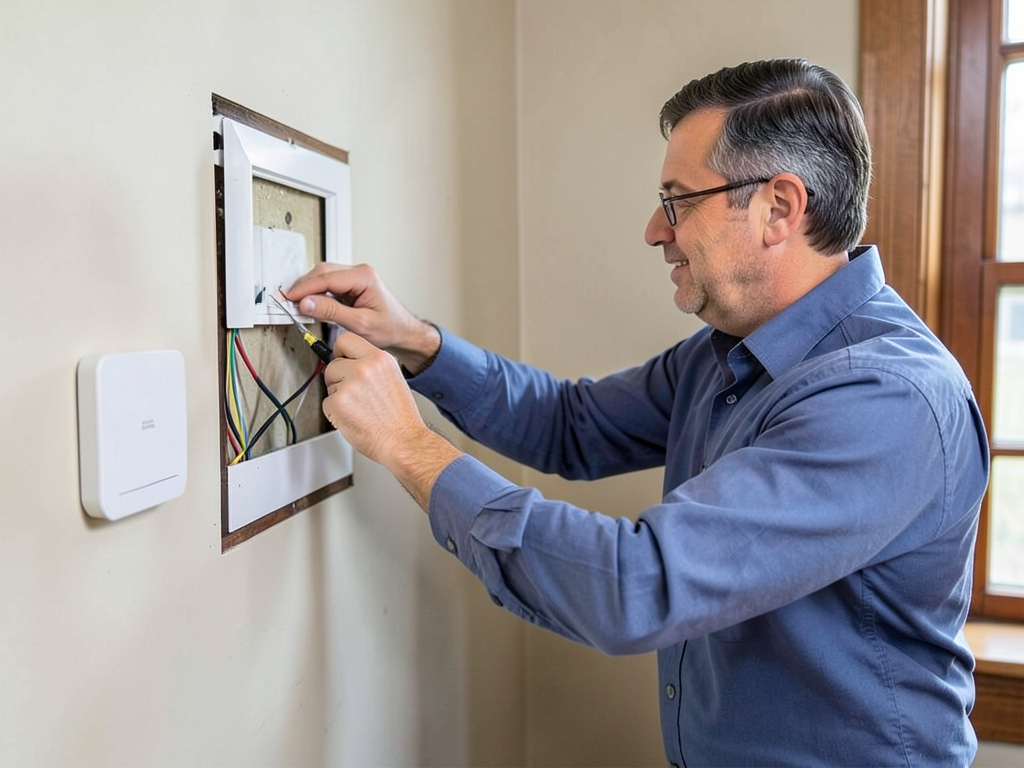
Can You Use a Nest Thermostat with an Older Two Wire System in Historic Northeast? Yes you can install a Nest thermostat in your Historic Northeast Kansas City home with older two-wire wiring but you…

Essential HVAC Safety Tips for Families with Toddlers and Crawling Babies in Lenexa\n\nDoes your crawling…
Your Olathe two-story home was built for comfort, but your master bedroom still feels like…
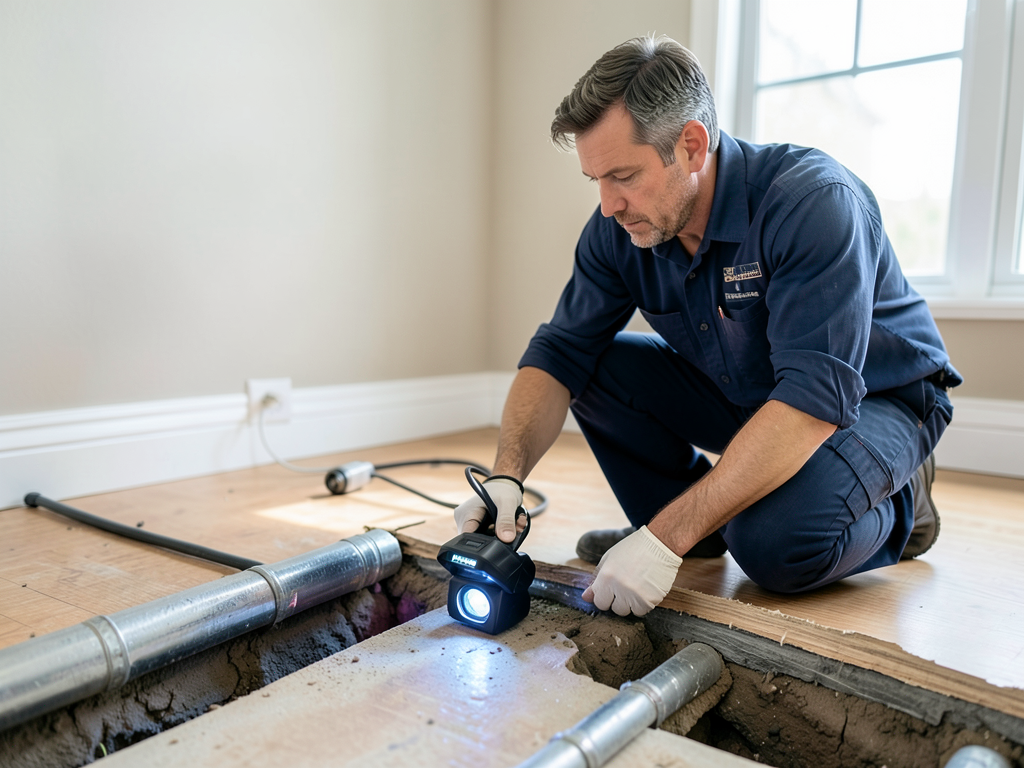
How Shifting Kansas City Clay Soil Can Actually Damage Your Underground Ductwork Kansas City’s expansive…
Your comfort cannot wait when the air conditioner quits or the furnace fails. United HVAC Kansas City responds to Belton emergencies with same-day service, upfront pricing, and repairs that last. Call (816) 473-9177 now to schedule service or request emergency dispatch.