
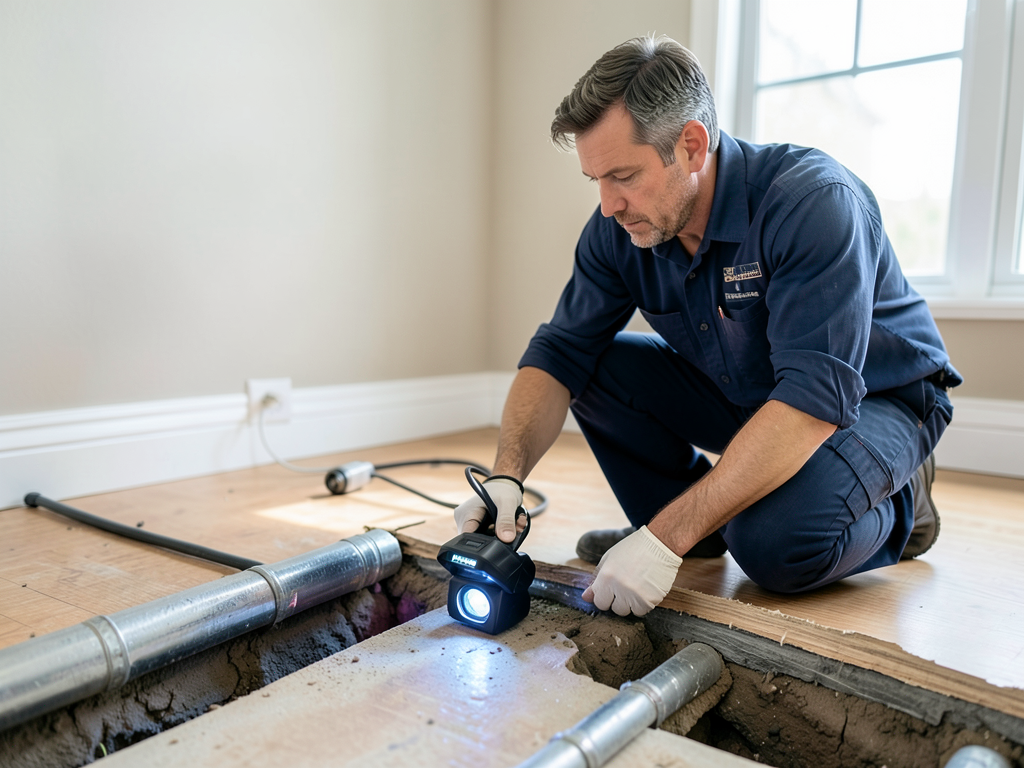
How Shifting Kansas City Clay Soil Can Actually Damage Your Underground Ductwork
Kansas City’s expansive clay soil shifts dramatically with moisture changes causing underground ductwork to crack collapse and leak. This geological problem affects thousands of homes in the Northland and surrounding areas where slab-on-grade construction is common. The clay’s high plasticity index means it expands up to 15% when wet and contracts just as severely during dry periods creating constant pressure on buried HVAC systems.
The Science of KC Clay Why Your Foundation and Ducts are at Risk
Kansas City sits on a geological formation dominated by smectite clay minerals. These particles absorb water and swell like tiny sponges creating hydrostatic pressure that can exceed 1500 pounds per square foot. When the clay dries it shrinks creating voids beneath your foundation. This constant expansion and contraction cycle damages underground ductwork through several mechanisms. Storm Damage HVAC Repair.
The freeze-thaw cycle common in Kansas City winters compounds the problem. Water trapped in clay soil expands when frozen pushing upward on duct systems. The National Weather Service reports Kansas City experiences an average of 20 freeze-thaw cycles per winter season. Each cycle stresses buried ducts potentially causing microfractures that grow larger over time.
According to the Missouri Department of Natural Resources clay soil in the Kansas City region has a plasticity index ranging from 25 to 45. This high plasticity means the soil behaves like a slow-motion liquid beneath your home moving and shifting for decades. Underground ductwork installed in these conditions faces constant mechanical stress. EPA Indoor Air Quality.
5 Signs Your Ductwork Has Been Compromised by Soil Shifting
Underground duct damage often goes unnoticed until serious problems develop. Here are five warning signs that indicate your buried ducts may be failing due to soil movement.
- Excessive dust throughout your home – Cracked underground ducts pull in soil particles creating persistent dust even after cleaning
- Musty or moldy odors from vents – Moisture infiltration through duct cracks creates ideal conditions for mold growth
- Unexplained high energy bills – Leaks in underground ducts force your HVAC system to work harder maintaining temperature
- Hot or cold spots on floors – Damaged ducts create uneven heating and cooling patterns beneath your feet
- Visible efflorescence on basement walls – White mineral deposits indicate moisture problems that often accompany duct damage
These symptoms typically worsen during seasonal transitions when soil moisture levels change most dramatically. Homes in Liberty’s older neighborhoods built before modern soil stabilization techniques often show these signs first. HVAC Liberty.
The Dangers of Ignored Duct Damage
Damaged underground ductwork creates serious indoor air quality hazards. The EPA reports that indoor air can be 2 to 5 times more polluted than outdoor air when duct systems are compromised. In Kansas City’s humid climate this problem intensifies.
Moisture entering through duct cracks promotes mold growth releasing spores throughout your home. Common molds found in damaged duct systems include Stachybotrys (black mold) and Aspergillus which can trigger asthma attacks and allergic reactions. The CDC warns that prolonged exposure to these spores poses health risks especially for children and elderly residents.
Beyond health concerns damaged ducts waste tremendous energy. The Department of Energy estimates that leaky ducts can reduce HVAC efficiency by 20% to 40%. In Kansas City where summer cooling demands are high this translates to hundreds of dollars in wasted utility costs annually.
Structural damage represents another hidden danger. As soil continues shifting around compromised ducts it can create voids beneath your slab foundation. These voids may cause sections of your floor to settle creating trip hazards and potentially damaging walls and plumbing systems.
Repair vs Replacement What are the Options
Homeowners facing underground duct damage have several repair strategies each with distinct advantages and limitations. The choice depends on damage extent soil conditions and your budget. Same day furnace repair services for families in Lee’s Summit.
| Repair Method | Best For | Expected Lifespan | Cost Range |
|---|---|---|---|
| Aeroseal Internal Sealing | Minor to moderate leaks | 10-15 years | $1500-$3500 |
| Duct Lining | Cracked but structurally sound ducts | 15-20 years | $2000-$5000 |
| Complete Rerouting | Severe damage or mold contamination | 30+ years | $8000-$15000 |
Aeroseal technology injects aerosolized sealant particles into your duct system. These particles find and seal leaks from the inside creating an airtight barrier. This method works well for minor damage but cannot address structural failures or severe mold contamination.
Duct lining involves inserting a flexible liner through existing ducts then inflating it to create a new smooth interior surface. This approach reinforces damaged sections while improving airflow. However it requires access points and may not work in severely collapsed areas.
Complete rerouting moves ductwork from underground to attic or ceiling spaces eliminating soil pressure entirely. This permanent solution prevents future clay soil damage but requires significant construction including drywall repair and potentially upgrading your HVAC system for the new duct layout. Who to call for 24 hour emergency AC repair in Shawnee when the heat index spikes.
Kansas City Case Study A Real-World Example
A 1970s ranch home in the Shoal Creek Valley area experienced chronic indoor air quality issues. The homeowners noticed musty odors and saw their energy bills spike each summer. A diagnostic inspection revealed extensive underground duct damage caused by clay soil movement.
Technicians used thermal imaging to identify temperature variations in the floor indicating duct leaks. Smoke testing confirmed multiple breach points where soil particles were entering the duct system. Laboratory analysis of collected dust showed elevated mold spore counts including Penicillium species.
The solution involved complete duct rerouting to the attic space. The project included installing new high-efficiency ducts with antimicrobial lining and sealing all penetrations through the original slab. Post-repair testing showed a 35% improvement in HVAC efficiency and complete elimination of the musty odors.
This case demonstrates how Kansas City’s unique soil conditions create problems that generic HVAC solutions cannot address. Local experience with clay soil behavior proved essential for developing an effective repair strategy. Local HVAC experts for boiler maintenance and repair near the Country Club Plaza.
Preventing Future Damage
While you cannot change Kansas City’s clay soil composition you can minimize its impact on your HVAC system. Several preventative measures help protect underground ductwork.
Proper drainage around your foundation prevents excessive soil moisture. Grade your yard so water flows away from your home maintaining a 6-inch drop over 10 feet. Clean gutters regularly and extend downspouts at least 5 feet from your foundation.
Soil stabilization treatments can reduce clay expansion. Products containing lime or calcium chloride decrease soil plasticity when applied correctly. However these treatments require professional application and may need reapplication every 5 to 7 years.
Regular HVAC maintenance catches problems early. Annual duct inspections using cameras and pressure testing identify developing issues before they cause major damage. Many Kansas City homeowners schedule these inspections during spring when soil moisture levels begin rising.
Consider upgrading to flexible duct systems when replacement becomes necessary. These systems better accommodate minor soil movement without cracking. However they still require protection from severe soil pressure and moisture infiltration.
Local Building Codes and Standards
Kansas City’s mechanical code addresses underground duct installation but does not fully account for expansive clay soil challenges. The International Mechanical Code adopted by Kansas City requires duct systems to be accessible for inspection and cleaning. However it does not mandate specific protections for clay soil conditions.
The EPA’s Section 608 regulations govern refrigerant handling during duct replacement work. Technicians must be certified to handle refrigerants and follow specific procedures preventing atmospheric release. This certification ensures proper environmental protection during HVAC repairs.
Building Performance Institute (BPI) standards provide guidelines for diagnosing and repairing duct problems in existing homes. BPI-certified technicians use specialized equipment measuring duct leakage pressure and airflow. These diagnostics help determine whether repair or replacement offers better long-term value.
Local contractors familiar with Kansas City’s soil conditions often exceed code requirements when addressing underground duct issues. They may recommend additional vapor barriers or drainage improvements not specifically required by code but essential for durability in clay soil environments.
Choosing the Right Contractor
Underground duct repair requires specialized knowledge of both HVAC systems and local soil conditions. Not all contractors possess this dual expertise. Look for these qualifications when selecting a repair professional.
NATE certification indicates HVAC technical competence. However for clay soil issues also verify experience with local soil conditions. Ask potential contractors about similar projects in your neighborhood and request references from those specific jobs.
Proper diagnostic equipment separates qualified contractors from generalists. Thermal imaging cameras moisture meters and duct inspection cameras help accurately assess underground damage. Contractors relying solely on visual inspection may miss hidden problems requiring more extensive repairs later.
Permitting knowledge ensures your repair meets local requirements. Underground work often requires permits and inspections. Experienced contractors handle this process efficiently preventing delays and ensuring code compliance.
Warranty terms reveal contractor confidence in their work. Reputable companies offer warranties covering both materials and labor for underground repairs. Be wary of contractors unwilling to guarantee their work against future soil movement.
Cost Factors to Consider
Underground duct repair costs vary significantly based on several factors. Understanding these variables helps you budget appropriately and avoid surprise expenses.
Accessibility drives much of the cost. Ducts beneath concrete slabs require demolition and replacement of flooring materials. Projects involving finished basements or hardwood floors cost substantially more than those with unfinished spaces.
Damage extent determines repair method. Minor leaks may only need sealing while collapsed sections require complete replacement. Contractors cannot always assess full damage until excavation begins creating potential cost variations.
System age affects compatibility. Older duct systems may use materials or dimensions no longer standard. Matching existing components or upgrading the entire system adds complexity and cost to repairs.
Permit and inspection fees vary by municipality. Kansas City proper has different requirements than surrounding communities like Liberty or Gladstone. These administrative costs typically range from $200 to $500 but can increase for complex projects.
Emergency Situations
Some duct damage creates immediate health or safety hazards requiring urgent attention. Recognizing these emergencies helps you respond appropriately.
Complete system failure during extreme weather poses serious risks. Winter duct collapse can freeze pipes leading to flooding and extensive water damage. Summer failures may create dangerous indoor temperatures for vulnerable residents.
Mold contamination spreading rapidly through your home requires immediate remediation. Certain mold species release mycotoxins causing neurological symptoms headaches and respiratory distress. Professional testing can identify dangerous mold types requiring emergency removal.
Carbon monoxide infiltration through duct cracks creates life-threatening situations. This odorless colorless gas can accumulate to lethal levels before residents notice symptoms. Install carbon monoxide detectors near sleeping areas as early warning systems.
Emergency repair services typically charge premium rates for nights weekends and holidays. However waiting for regular business hours during a true emergency may cost more in damage or health consequences than the additional service fee.
Frequently Asked Questions
How long do underground ducts typically last in Kansas City?
Underground ducts in Kansas City’s clay soil typically last 15 to 25 years before requiring major repairs. However factors like drainage quality soil composition and installation methods can significantly shorten or extend this lifespan.
Can I seal small duct leaks myself?
Surface-level duct sealing using mastic tape works for accessible ducts. However underground leaks require professional equipment to locate and repair properly. DIY attempts often miss hidden damage creating bigger problems later.
Will my homeowners insurance cover duct repairs?
Standard policies typically exclude damage from normal soil movement and settling. However they may cover damage from specific events like plumbing leaks or natural disasters. Review your policy and consult your insurance agent about coverage options.
How can I tell if my ducts are underground?
Homes built on slabs with no basement usually have underground ducts. Look for floor registers rather than ceiling or wall vents. If unsure a qualified HVAC technician can inspect your system layout using blueprints or diagnostic tools.
Is rerouting ducts to the attic worth the cost?
For homes with severe clay soil damage rerouting often provides the best long-term value. While initial costs exceed repairs rerouting eliminates future soil-related problems and typically improves HVAC efficiency by 15% to 25%.
Call for Professional Inspection
Underground duct damage rarely improves on its own. The constant pressure from Kansas City’s expansive clay soil continues causing deterioration until significant problems develop. Professional inspection can identify issues early when repair options remain cost-effective.
United HVAC offers comprehensive duct diagnostics using advanced thermal imaging and pressure testing equipment. Our technicians understand Kansas City’s unique soil conditions and their impact on underground HVAC systems. We provide honest assessments and multiple repair options tailored to your specific situation.
Don’t wait for complete system failure or serious health issues to develop. Call (816) 473-9177 today to schedule your professional duct inspection. Early detection can save thousands in repair costs and protect your family’s health.
Pick up the phone and call (816) 473-9177 before the next seasonal soil shift causes expensive damage to your underground ductwork. Our team stands ready to help Northland homeowners solve these challenging clay soil problems. For more information, visit CDC Mold Information.
You may also find this helpful. What to do When Your AC Condensate Pump Fails and Floods Your Finished Basement.
{
“@context”: “https://schema.org”,
“@type”: “BlogPosting”,
“headline”: “How Shifting Kansas City Clay Soil Can Actually Damage Your Underground Ductwork”,
“description”: “Learn how Kansas City’s expansive clay soil damages underground ductwork and causes indoor air quality problems. Discover warning signs, repair options, and local solutions.”,
“wordCount”: 2180,
“datePublished”: “2026-06-07T08:21:00.000Z”,
“dateModified”: “2026-06-07T08:21:00.000Z”,
“inLanguage”: “en-US”,
“mainEntityOfPage”: {
“@type”: “WebPage”,
“@id”: “https://unitedhvackansascity.com”
},
“publisher”: {
“@type”: “LocalBusiness”,
“name”: “United HVAC Kansas City”,
“url”: “https://unitedhvackansascity.com”
},
“author”: {
“@type”: “Organization”,
“name”: “United HVAC Kansas City”,
“url”: “https://unitedhvackansascity.com”
},
“image”: {
“@type”: “ImageObject”,
“url”: “https://unitedhvackansascity.com/wp-content/uploads/2026/03/how-shifting-kansas-city-clay-soil-can-actually-da-1.png”
}
}
{
“@context”: “https://schema.org”,
“@type”: “HVACBusiness”,
“name”: “United HVAC Kansas City”,
“url”: “https://unitedhvackansascity.com”,
“address”: {
“@type”: “PostalAddress”,
“addressLocality”: “Kansas City”
},
“areaServed”: {
“@type”: “City”,
“name”: “Kansas City”
}
}
{
“@context”: “https://schema.org”,
“@type”: “FAQPage”,
“mainEntity”: [
{
“@type”: “Question”,
“name”: “How long do underground ducts typically last in Kansas City?”,
“acceptedAnswer”: {
“@type”: “Answer”,
“text”: “Underground ducts in Kansas City’s clay soil typically last 15 to 25 years before requiring major repairs. However factors like drainage quality soil composition and installation methods can significantly shorten or extend this lifespan.”
}
},
{
“@type”: “Question”,
“name”: “Can I seal small duct leaks myself?”,
“acceptedAnswer”: {
“@type”: “Answer”,
“text”: “Surface-level duct sealing using mastic tape works for accessible ducts. However underground leaks require professional equipment to locate and repair properly. DIY attempts often miss hidden damage creating bigger problems later.”
}
},
{
“@type”: “Question”,
“name”: “Will my homeowners insurance cover duct repairs?”,
“acceptedAnswer”: {
“@type”: “Answer”,
“text”: “Standard policies typically exclude damage from normal soil movement and settling. However they may cover damage from specific events like plumbing leaks or natural disasters. Review your policy and consult your insurance agent about coverage options.”
}
},
{
“@type”: “Question”,
“name”: “How can I tell if my ducts are underground?”,
“acceptedAnswer”: {
“@type”: “Answer”,
“text”: “Homes built on slabs with no basement usually have underground ducts. Look for floor registers rather than ceiling or wall vents. If unsure a qualified HVAC technician can inspect your system layout using blueprints or diagnostic tools.”
}
},
{
“@type”: “Question”,
“name”: “Is rerouting ducts to the attic worth the cost?”,
“acceptedAnswer”: {
“@type”: “Answer”,
“text”: “For homes with severe clay soil damage rerouting often provides the best long-term value. While initial costs exceed repairs rerouting eliminates future soil-related problems and typically improves HVAC efficiency by 15% to 25%.”
}
}
]
}
{
“@context”: “https://schema.org”,
“@type”: “BreadcrumbList”,
“itemListElement”: [
{
“@type”: “ListItem”,
“position”: 1,
“name”: “Home”,
“item”: “https://unitedhvackansascity.com”
},
{
“@type”: “ListItem”,
“position”: 2,
“name”: “Blog”,
“item”: “https://unitedhvackansascity.com/blog”
},
{
“@type”: “ListItem”,
“position”: 3,
“name”: “How Shifting Kansas City Clay Soil Can Actually Damage Your Underground Ductwork”
}
]
}
{
“@context”: “https://schema.org”,
“@type”: “Service”,
“serviceType”: “HVAC”,
“provider”: {
“@type”: “LocalBusiness”,
“name”: “United HVAC Kansas City”,
“url”: “https://unitedhvackansascity.com”
},
“areaServed”: {
“@type”: “City”,
“name”: “Kansas City”
},
“description”: “Learn how Kansas City’s expansive clay soil damages underground ductwork and causes indoor air quality problems. Discover warning signs, repair options, and local solutions.”
}