




Menu

Weak Airflow from Vents in Kansas City – Expert Diagnosis and Permanent Repair

When your AC blows weakly or registers deliver little air, you need technicians who understand ductwork pressure loss, refrigerant charge imbalances, and blower motor failure. United HVAC Kansas City diagnoses the root cause and fixes weak airflow from vents correctly the first time.

Slider Image 1
Slider Image 2
Slider Image 3
Slider Image 4
Slider Image 5
Slider Image 7
Slider Image 8
Slider Image 9
Slider Image 10
Slider Image 11

Why Kansas City Homes Suffer from Poor Airflow More Than You Think

You walk into your living room expecting cool relief, but the air trickling from your vents feels pathetic. You check the thermostat. It is set to 68. The unit is running. But the air pressure from your registers is barely enough to flutter a tissue.

This is not normal, and you are not imagining it.

Weak airflow from vents is one of the most common HVAC complaints in Kansas City, and the causes run deeper than a dirty filter. The problem often starts with ductwork design flaws in older homes built before modern load calculations became standard. Many Kansas City neighborhoods feature post-war housing stock with undersized return plenums, crushed flex ducts in crawl spaces, or supply runs that were never sealed properly. Add the clay soil shifts common to the metro area, and you get cracked duct joints that bleed conditioned air into your attic or crawl space before it ever reaches your bedroom.

Kansas City's humid summers make poor airflow from AC more than an annoyance. When your system cannot move enough air across the evaporator coil, the coil freezes. Refrigerant migrates back to the compressor in liquid form instead of vapor, which destroys the compressor over time. Low air pressure from vents also means your system runs longer cycles to meet setpoint, which spikes your utility bill and accelerates wear on blower motors and capacitors.

Reduced airflow from registers can stem from a failing blower motor, a clogged evaporator coil, a refrigerant undercharge that throttles airflow, or ductwork leakage exceeding 30 percent. Each cause demands a different fix. Throwing a new filter at the problem will not solve it if your blower wheel is caked in debris or your ductwork is hemorrhaging air into the basement.

You need a diagnostic approach, not a band-aid.

Why Kansas City Homes Suffer from Poor Airflow More Than You Think
How United HVAC Kansas City Restores Proper Airflow to Your System

How United HVAC Kansas City Restores Proper Airflow to Your System

We do not guess. We measure.

When you call us for AC blowing weakly, our first step is static pressure testing. We measure the pressure drop across your blower, across your filter rack, and at multiple points in your duct system. This tells us whether your airflow problem is upstream or downstream of the blower. If static pressure is high, we know there is a restriction. If it is normal but airflow is still weak, we check blower speed, capacitor performance, and control board signals.

Next, we inspect your ductwork. We look for crushed flex duct in tight crawl spaces, disconnected boots at the register, and leaking joints at the plenum. We check your return air pathways because undersized returns choke the system and create negative pressure that collapses flex ducts. In Kansas City's older homes, we often find return grilles that were never connected to actual ductwork, just open holes pulling unconditioned air from the attic or garage.

We also perform a visual and thermal inspection of your evaporator coil. A coil clogged with biological growth or dust acts like a filter, strangling airflow even if your blower is spinning at full speed. If your coil is clean but frosted over, we check refrigerant charge, airflow across the coil, and expansion valve operation. Low refrigerant charge reduces suction pressure, which causes the coil to freeze and block airflow entirely.

Blower motor issues are common in systems over ten years old. Bearings wear out. Capacitors lose microfarad capacity. Control boards send weak voltage signals. We test each component under load, not just at rest, because a motor that spins on the bench might still fail to deliver rated CFM under system resistance.

We fix the actual problem, not the symptom.

What Happens When You Call Us About Little Air Coming Out of Vents

Weak Airflow from Vents in Kansas City – Expert Diagnosis and Permanent Repair
01

Pressure and Flow Testing

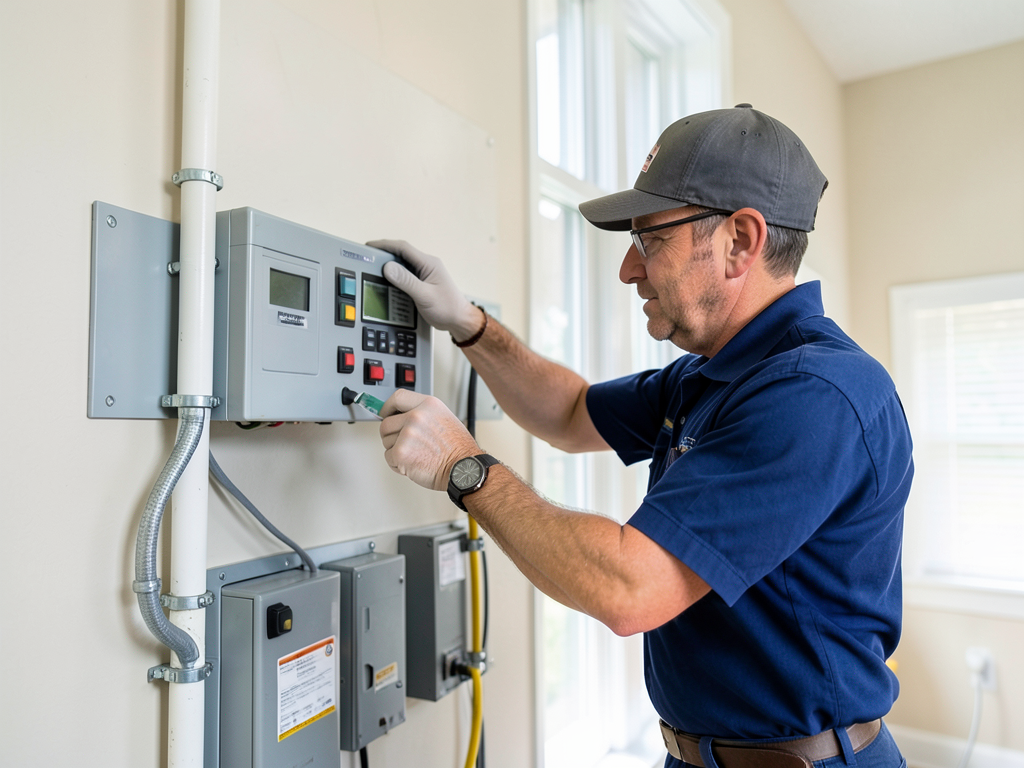
We arrive with a digital manometer and anemometer to measure static pressure at the filter, supply plenum, and return plenum. We also measure airflow velocity at each register to calculate total system CFM. This data tells us whether your system is moving 400 CFM per ton as it should, or if you are running at 250 CFM per ton because of a restriction or blower failure. We compare readings to manufacturer specifications and ACCA Manual D standards.
02

Component and Duct Inspection

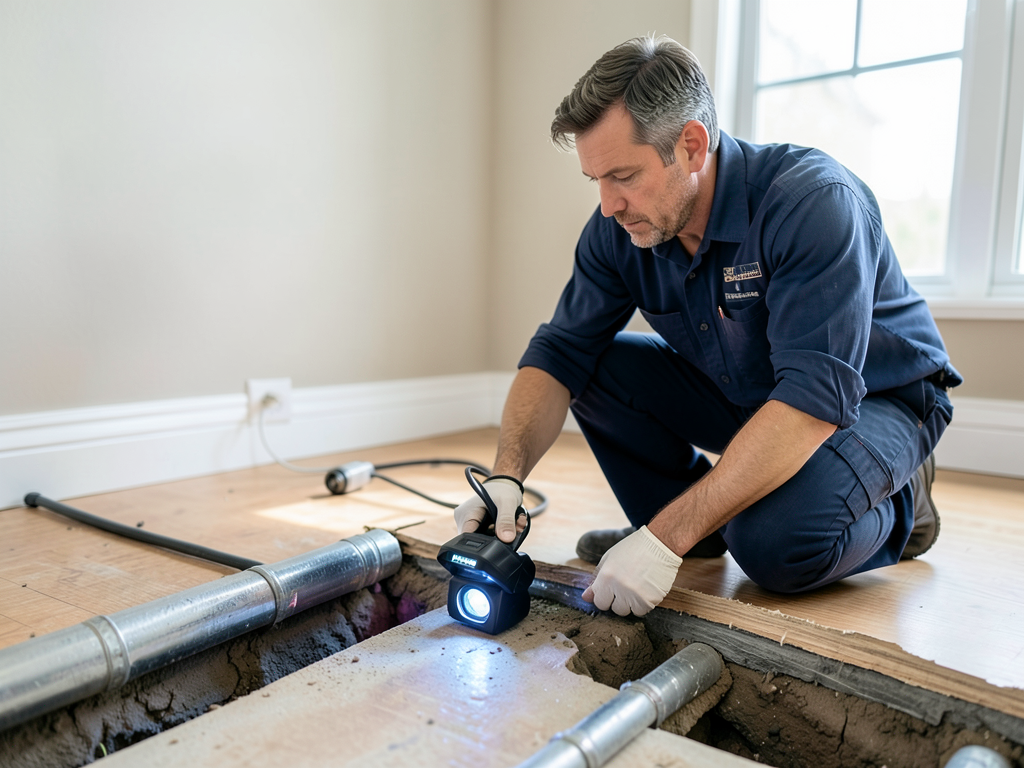
We open the blower compartment and inspect the blower wheel for debris buildup, check capacitor microfarad readings, and verify control board outputs. We crawl your attic or basement to inspect ductwork for kinks, disconnections, and leakage. We use thermal imaging to find hidden leaks bleeding air into unconditioned spaces. If your evaporator coil is accessible, we pull it and inspect for biological fouling or fin damage that restricts airflow.
03

Repair and Airflow Verification

Once we identify the cause, we execute the repair, whether that means replacing a failed capacitor, sealing duct leaks with mastic and foil tape, cleaning a fouled evaporator coil, or replacing an undersized return plenum. After the repair, we retest static pressure and airflow at every register to verify the system is delivering design CFM. You feel the difference immediately. Registers blow hard. Rooms cool evenly. Your utility bill drops.

Why Kansas City Homeowners Trust United HVAC for Airflow Problems

You can find a hundred HVAC companies in Kansas City. Most will show up, glance at your filter, and tell you to replace it. They will not measure static pressure. They will not calculate CFM. They will not crawl into your attic to find the crushed duct boot that is choking your master bedroom.

We do.

United HVAC Kansas City built our reputation on diagnostic precision, not parts replacement. We understand that weak airflow is a symptom, not a diagnosis. The root cause could be a 40-dollar capacitor or a 4,000-dollar duct redesign. We will not upsell you on a new system if your blower motor just needs a capacitor. We will also not patch a symptom if your ductwork is fundamentally undersized for your home's load.

We know Kansas City's housing stock. We have worked in Brookside bungalows with gravity furnace conversions, mid-century ranch homes in Prairie Village with original ductwork, and new construction in Overland Park with flex duct disasters. We know the common failures in each era of construction, and we know how to fix them without ripping out drywall unnecessarily.

We also understand the local climate load. Kansas City's summer humidity creates latent cooling loads that demand proper airflow to control indoor moisture. If your system moves too little air, your evaporator coil cannot remove enough moisture from the air, and your indoor humidity climbs above 60 percent. That leads to mold growth, musty odors, and warped hardwood floors.

Our technicians are trained in ACCA Manual J load calculations, Manual D duct design, and Manual S equipment selection. We do not just fix your immediate problem. We evaluate whether your system is properly sized and configured for your home. If it is not, we explain why and what it will take to fix it correctly.

You deserve answers, not guesses.

What You Can Expect When United HVAC Solves Your Airflow Issue

Fast Diagnostic Appointments

We schedule diagnostic appointments within 24 to 48 hours of your call. Our technicians arrive with the tools to measure airflow, static pressure, and system performance on the first visit. We do not make multiple trips to figure out what is wrong. Most airflow diagnostics take 60 to 90 minutes, depending on ductwork accessibility. If the fix is simple, like a clogged filter or failed capacitor, we handle it on the spot. If the issue requires duct modification or coil replacement, we give you a written estimate before we proceed.

Thorough System Evaluation

We do not just fix the complaint. We evaluate your entire air delivery system. That means inspecting your ductwork layout, checking for leaks, verifying blower speed settings, testing refrigerant charge, and measuring airflow at every register. We also inspect your filter rack, return air pathways, and evaporator coil. You receive a written report that explains what we found, what caused the problem, and what needs to happen to prevent it from recurring. If your ductwork is leaking 30 percent of your conditioned air into the attic, we show you the evidence and explain your options.

Verified Performance Results

After we complete the repair, we retest your system to verify performance. We measure static pressure, airflow CFM, and temperature drop across the evaporator coil. We check that each register is delivering the correct volume of air based on room load. You see the numbers before and after the repair. You feel the difference in your home immediately. Rooms that used to stay warm because of weak airflow now cool down quickly. Your system runs shorter cycles because it can move enough air to satisfy the thermostat. Your energy bills drop because the system is not fighting itself.

Ongoing Maintenance Plans

Airflow problems often recur if maintenance is neglected. Filters clog. Coils collect dust. Blower wheels accumulate debris. We offer maintenance plans that include biannual inspections, filter changes, coil cleaning, and airflow verification. Members receive priority scheduling and discounted service rates. We also track your system's performance over time, so we can catch developing issues before they cause another airflow failure. Preventive maintenance costs less than emergency repairs, and it extends the life of your equipment by years.

Frequently Asked Questions

You Have Questions,
We Have Answers

Why do I barely feel air coming out of my vents? +

Weak airflow usually means your air filter is clogged with Kansas City's dust and pollen. Check and replace your filter every 30 to 60 days, especially during high pollen months. Other causes include closed dampers in your ductwork, blocked return vents, or a failing blower motor. In older Kansas City homes with galvanized ductwork, internal rust and deterioration can restrict airflow significantly. Your blower capacitor may also be weak, reducing motor speed. If changing the filter does not help, you need a technician to inspect your duct system and blower assembly for blockages or mechanical failure.

What could cause weak airflow from AC vents? +

Clogged air filters are the most common culprit, trapping Kansas City's seasonal allergens and reducing system efficiency. Closed or blocked supply registers and return grilles cut airflow immediately. Ductwork issues like disconnected sections, crushed flex duct in crawlspaces, or severe leaks waste conditioned air before it reaches your rooms. A failing blower motor or bad capacitor cannot push air effectively. Refrigerant leaks cause your evaporator coil to freeze, blocking airflow completely. In Kansas City's older neighborhoods, undersized or deteriorated duct systems often fail to deliver adequate air to second floors or additions. A full system inspection identifies the root cause quickly.

How do I increase the airflow in my vents? +

Start by replacing your air filter and ensuring all supply vents are open and unblocked by furniture or curtains. Check your return grilles for obstructions. Set your thermostat fan to ON temporarily to test blower performance. Inspect accessible ductwork in your basement or crawlspace for disconnections or damage. Clean debris from your outdoor condenser unit to improve overall system efficiency. If airflow remains weak, you may need duct sealing, blower motor repair, or ductwork redesign. Kansas City homes with finished basements often need additional return air pathways to balance airflow. A professional duct evaluation and system tune-up restores proper air delivery.

Why is my AC not blowing hard through the vents? +

Your blower motor may be failing or running at reduced speed due to a bad capacitor. Dirty evaporator coils restrict airflow and freeze up, especially during Kansas City's humid summer months. Clogged filters force your system to work harder with less result. Ductwork leaks lose 20 to 30 percent of conditioned air before it reaches your vents. Your blower wheel may be coated in grime, reducing efficiency. Undersized ductwork in older Kansas City homes cannot handle modern high-efficiency system airflow requirements. A technician can test static pressure, inspect your blower assembly, and measure actual airflow at your registers to diagnose the exact problem.

How Kansas City's Humidity and Clay Soil Make Weak Airflow a Bigger Problem

Kansas City sits in a humid continental climate zone, which means summer dew points regularly exceed 65 degrees. That creates a massive latent cooling load. Your AC must remove moisture from the air, not just lower the temperature. When reduced airflow from registers chokes your evaporator coil, the coil cannot process enough air to dehumidify your home. Indoor humidity climbs above 60 percent, which feels clammy even at 72 degrees. High humidity also promotes mold growth on coils, ductwork, and drywall. The clay soil common to the Kansas City metro shifts seasonally, which cracks foundation-mounted ductwork and opens leaks that bleed conditioned air into crawl spaces. These leaks reduce system airflow and waste energy.

United HVAC Kansas City has worked in every neighborhood from Waldo to Westport, and we understand the specific ductwork challenges that come with the area's older housing stock and soil conditions. We know which homes have undersized return plenums, which subdivisions used cheap flex duct installations, and which HVAC contractors in the 1980s cut corners on duct sealing. That local knowledge means we diagnose your airflow problem faster and fix it correctly the first time. Choosing a local company that knows Kansas City's construction history and climate demands is the difference between a temporary patch and a permanent solution.

HVAC Services in The Kansas City Area

View our service area and business location on the map below. We are proud to serve the entire Kansas City metro area, providing expert heating and cooling services to both residential and commercial clients. If you need a reliable HVAC partner, we are conveniently located to respond quickly to your needs, ensuring your indoor comfort is always our top priority.

Address:
United HVAC Kansas City, 1425 Agnes Ave, Kansas City, MO, 64127

Additional Services We Offer

Our news updates

Latest Articles & News from The Blogs

Comparing Mitsubishi and Daikin ductless systems for local homes When Kansas City homeowners face the decision between Mitsubishi and Daikin…

Comparing Mitsubishi and Daikin ductless systems for local homes

Comparing Mitsubishi and Daikin ductless systems for local homes When Kansas City homeowners face the decision between Mitsubishi and Daikin…

Protecting your piano and acoustic guitars from Kansas City humidity swings

Protecting Your Piano and Acoustic Guitars from Kansas City Humidity Swings\n\nYour musical instruments are more than just objects. They are…

Specialized Climate Control Tips for Indoor Gardeners and Hobbyists in the West Bottoms

Specialized Climate Control Tips for Indoor Gardeners and Hobbyists in the West Bottoms The West Bottoms industrial district faces unique…

Contact Us

If your vents blow weakly, your rooms stay warm, or your utility bills keep climbing, you need a diagnostic approach, not a parts swap. Call United HVAC Kansas City at (816) 473-9177 to schedule a thorough airflow evaluation. We measure, diagnose, and fix the root cause.