




Menu

Weird Smells from Vents in Kansas City – Expert Diagnosis and Permanent Odor Elimination

United HVAC Kansas City identifies the exact source of strange odors from air ducts, bad smells coming from vents, and foul air conditioner odors to eliminate the problem at the root, not just mask it with air fresheners.

Slider Image 1
Slider Image 2
Slider Image 3
Slider Image 4
Slider Image 5
Slider Image 7
Slider Image 8
Slider Image 9
Slider Image 10
Slider Image 11

Why Your Kansas City Home Has Strange Odors from Air Ducts

That bad smell coming from vents is not normal, and you are right to be concerned. Odd smells from your HVAC system signal real problems that range from annoying to dangerous.

Kansas City's humid summers create the perfect breeding ground for mold and mildew inside your ductwork and evaporator coils. When temperatures swing from 95 degrees in July to sub-zero winter nights, condensation forms repeatedly inside your system. That moisture feeds biological growth you cannot see but definitely smell.

The region's clay soil also matters. Foundation settling from our expansive clay creates gaps where rodents enter crawl spaces and attics. Dead animals in ductwork produce unmistakable foul air conditioner odors that worsen each time your system runs.

Funny smells from heating systems often trace to gas furnace issues. A rotten egg smell means a gas leak requiring immediate attention. A burning dust smell at first use each fall is normal, but persistent burning odors signal overheating components or electrical problems.

Musty smells indicate mold growth on evaporator coils or inside supply ducts. Sewer-like odors point to dried drain pans or clogged condensate lines. Chemical smells suggest refrigerant leaks.

Each odor type has a specific cause and requires a different fix. Spraying air freshener into your return vents only covers up the warning signal your system is sending. You need to identify what is actually producing the strange odors from air ducts, then eliminate it permanently.

The longer you ignore these smells, the worse the underlying problem becomes. Mold spreads. Electrical components fail. Refrigerant leaks expand. What starts as a minor issue escalates into expensive repairs.

Why Your Kansas City Home Has Strange Odors from Air Ducts
How United HVAC Kansas City Eliminates Odor Sources

How United HVAC Kansas City Eliminates Odor Sources

We do not guess. We systematically trace odd smells from HVAC systems to their actual source using diagnostic procedures that most companies skip.

First, we inspect your evaporator coil and condensate drain system. The evaporator coil sits in a dark, damp environment where mold thrives. We check for standing water in the drain pan, verify the condensate line drains properly, and examine the coil fins for biological growth. A clogged drain line allows water to pool and stagnate, creating that musty smell you notice when the air conditioner kicks on.

Next, we evaluate your ductwork integrity. We enter your crawl space or attic to inspect accessible duct runs for gaps, disconnections, or pest intrusion. Fiberglass duct board absorbs odors more readily than sheet metal. We check return air plenums where dead animals often end up after entering through foundation gaps.

We test your gas heat exchanger if you smell exhaust fumes or chemical odors from your heating system. A cracked heat exchanger allows combustion gases into your air stream, which is both a health hazard and a carbon monoxide risk. We perform combustion analysis to verify proper flame characteristics and check for any exhaust gas spillage.

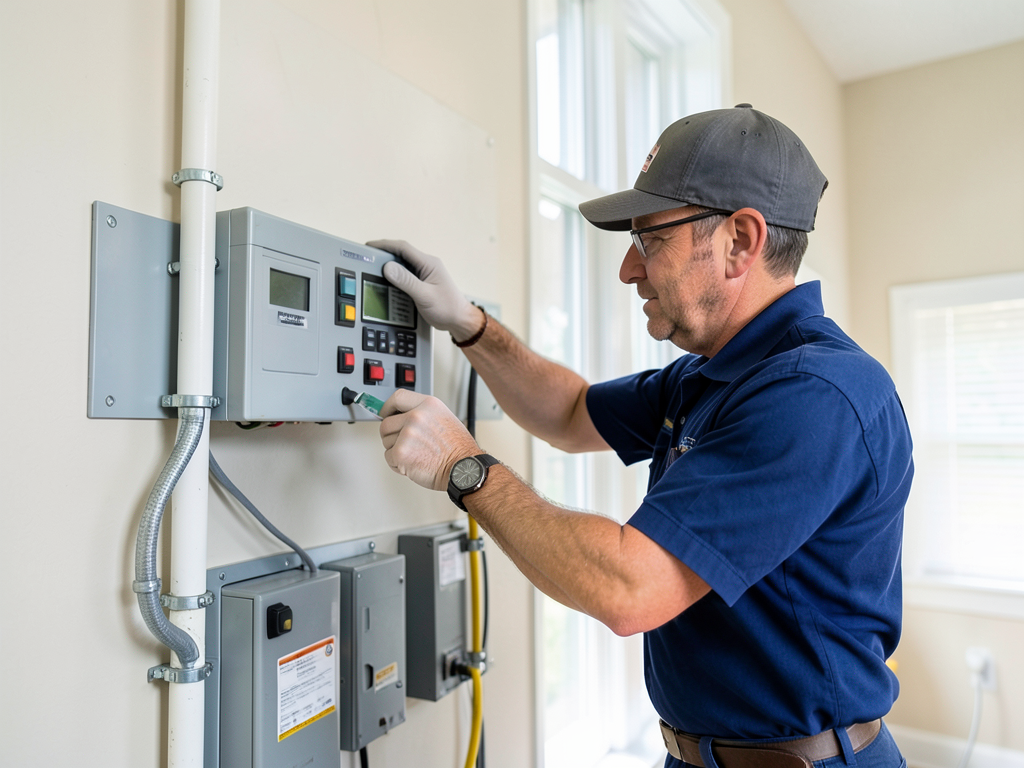
For electrical burning smells, we inspect blower motor bearings, capacitors, and wiring connections. Overheating motors produce distinct acrid odors. Loose wire connections create resistance heating that smells like burning plastic.

Once we identify the source, we fix it correctly. Mold remediation includes cleaning coils with antimicrobial treatment, clearing drain lines, and improving drainage. Duct repairs seal gaps and remove contaminated sections. Component replacements address failing motors or capacitors. Each solution targets the root cause, not the symptom.

What Happens During Your Odor Investigation

Weird Smells from Vents in Kansas City – Expert Diagnosis and Permanent Odor Elimination
01

Initial Odor Assessment

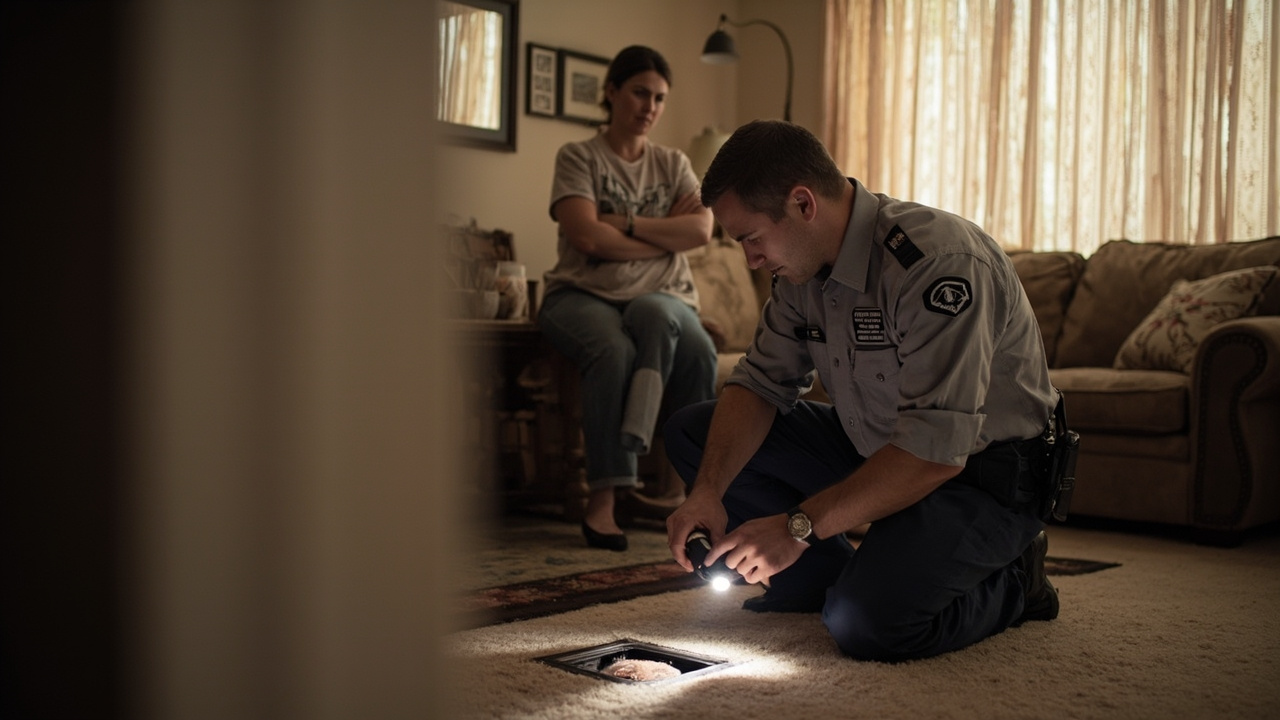
We ask specific questions about when you notice the smell, which vents produce it strongest, and what type of odor you detect. Musty versus chemical versus burning smells point to completely different system areas. We run your system through heating and cooling modes while positioned at supply registers to smell what you smell. This immediate assessment narrows the diagnostic field before we open any panels.
02

System Component Inspection

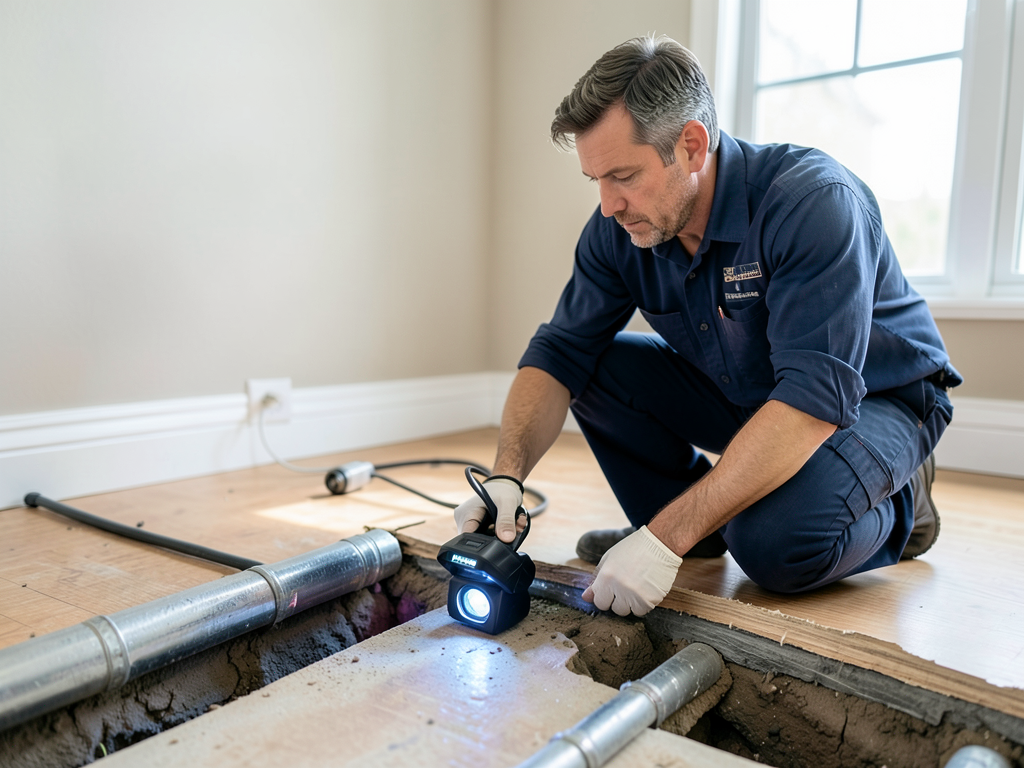
We remove access panels to visually inspect the evaporator coil, blower assembly, and heat exchanger. We enter your attic or crawl space to examine ductwork where odors often originate. Thermal imaging cameras detect hot spots indicating electrical issues. Moisture meters identify hidden water problems feeding mold growth. We document exactly what we find with photos so you see the problem firsthand.
03

Source Elimination and Verification

After we complete repairs or cleaning, we run your system for a full cycle while monitoring airflow from each register. You should smell clean, neutral air with no trace of previous odors. We verify proper drainage, confirm all components operate within normal temperature ranges, and check that biological growth has been eliminated. The smell should be completely gone, not temporarily masked.

Why Kansas City Homeowners Trust United HVAC for Odor Problems

Most HVAC companies tell you to change your filter and call it fixed. That approach fails because filters do not eliminate odor sources inside your system.

United HVAC Kansas City understands the specific challenges our climate creates. We know how Kansas City's humidity levels promote microbial growth inside cooling coils. We recognize how our temperature swings stress duct connections and create the gaps where contamination enters. We have crawled through hundreds of local crawl spaces dealing with the foundation settlement our clay soil causes.

We also know local building practices. Older homes in neighborhoods like Brookside and Waldo often have original ductwork from the 1950s with asbestos-wrapped connections or deteriorating duct board that absorbs odors. Newer construction in developments around Lee's Summit and Blue Springs sometimes has undersized return ducts that create negative pressure, pulling odors from crawl spaces into living areas.

Our technicians carry the diagnostic tools needed to actually find problems. Borescopes let us see inside ductwork without destructive access cuts. Combustion analyzers verify your furnace operates safely when you smell exhaust odors. We do not show up with just a screwdriver and a guess.

We also understand when odor problems indicate serious safety issues versus minor maintenance needs. A musty smell from mold growth is a comfort and health issue. A rotten egg smell from a gas leak is an emergency requiring immediate action. We prioritize appropriately and communicate clearly about what you actually need.

You will get a straightforward explanation of what is causing the foul air conditioner odors or funny smell from your heating system. You will get options for fixing it properly. You will not get upselling to equipment you do not need or dismissive advice to "just live with it."

What to Expect When We Diagnose Your Vent Odors

Response Time and Availability

We schedule diagnostic appointments within 24 to 48 hours for odor complaints. If you smell gas, rotten eggs, or strong chemical fumes, call us immediately at (816) 473-9177 for emergency response. We understand that living with bad smells from vents affects your comfort and sometimes your health. Our technicians arrive in fully stocked service vehicles prepared to diagnose and often fix the problem in a single visit. Most odor investigations take 60 to 90 minutes depending on system accessibility and the complexity of your ductwork layout.

The Diagnostic Process

Your technician will ask detailed questions about the odor characteristics and when it occurs. We inspect your indoor unit, check condensate drainage, examine accessible ductwork, and test system operation. We use cameras to look inside ducts and coils without tearing apart your system. If we suspect a cracked heat exchanger or refrigerant leak, we perform specific safety tests. You receive a clear explanation of our findings with photo documentation of any problems we discover. We present repair options with transparent pricing before starting any work.

The Repair Outcome

When we eliminate the odor source, the smell should be completely gone, not reduced or temporarily masked. Coil cleaning removes biological growth that causes musty odors. Duct repairs eliminate pest intrusion points. Component replacement stops electrical burning smells. Drain line service prevents sewer odors from stagnant water. You should notice the difference immediately when your system runs. If any trace of the original odor remains after repairs, we return to investigate further until the problem is fully resolved.

Ongoing Prevention

After fixing the immediate problem, we recommend maintenance steps to prevent odors from returning. This might include installing a condensate drain safety switch to alert you if the drain clogs again, applying antimicrobial coatings to evaporator coils, sealing duct connections to prevent pest entry, or adjusting your maintenance schedule. Some odor problems trace to inadequate filter changes or closed vents creating negative pressure. We provide specific guidance based on what we found in your system.

Frequently Asked Questions

You Have Questions,
We Have Answers

Why is there a bad smell coming from my vents? +

Bad smells from vents point to specific problems in your HVAC system. Musty odors signal mold or mildew growth in ductwork, common in Kansas City's humid summers. A burning smell means dust on heat exchangers or failing electrical components. Rotten egg odors indicate a gas leak, which requires immediate evacuation and a 911 call. Dead animal smells happen when rodents die in ducts. Chemical odors suggest refrigerant leaks or overheating plastic components. Turn off your system and call a licensed HVAC technician. Kansas City's climate swings create moisture problems in ductwork that feed bacterial growth and mold.

What does an electrical fire smell like before it starts? +

An electrical fire smells like burning plastic or hot metal before flames appear. You might notice a sharp, acrid odor similar to burning wire insulation. Some describe it as a chemical smell mixed with burning rubber. In HVAC systems, this happens when wiring overheats, circuit boards fail, or motors seize. Kansas City homes with older electrical panels face higher risk during peak cooling months when systems run constantly. If you smell burning plastic from vents, shut off your HVAC system at the breaker immediately. Do not restart the system. Call an HVAC technician to inspect wiring and electrical components before fire damage occurs.

What does mold in air vents smell like? +

Mold in air vents smells musty, earthy, or like damp socks left in a gym bag. Some people describe it as a stale, dirty smell that gets stronger when the system runs. Kansas City's high humidity, especially from May through September, creates perfect conditions for mold growth in ductwork and evaporator coils. Condensation accumulates in poorly insulated ducts, feeding mold colonies. If you smell mustiness from vents, check for visible mold around registers. A technician can inspect ductwork with a camera and test air quality. Duct cleaning and UV light installation prevent recurrence in humid climates.

Why is there a weird chemical smell coming from my AC? +

A chemical smell from your AC often means a refrigerant leak. Refrigerant smells sweet or like chloroform, depending on the type your system uses. Older R-22 systems and newer 410A systems have distinct odors. Another cause is off-gassing from new ductwork, insulation, or air filters, which fades after a few days. Overheating electrical components produce acrid chemical smells that worsen as plastic insulation melts. Kansas City's temperature swings stress refrigerant lines, causing leaks at connections. Turn off your AC if the smell persists. Refrigerant is toxic and requires immediate professional repair. Never run a system with a suspected leak.

How Kansas City's Humidity Creates Hidden Mold in Your HVAC System

Kansas City averages 75 to 85 percent relative humidity during summer months, with dew points regularly reaching the mid-70s. Your air conditioner removes this moisture as it cools, generating gallons of condensate daily that must drain properly. When drain lines clog or drain pans crack, water sits stagnant inside your system. Dark evaporator coil cabinets provide perfect conditions for mold and bacterial growth. The musty smell you notice is actually airborne mold spores and bacterial metabolites circulating through your ductwork into your living space. This is not just unpleasant but potentially harmful to respiratory health.

United HVAC Kansas City has diagnosed and eliminated mold-related odors in hundreds of local homes from Overland Park to Gladstone. We understand which coil cabinet designs trap moisture, which duct configurations create condensation issues, and how Kansas City's construction methods affect indoor air quality. Our technicians recognize the difference between surface dust on a coil and actual biological growth requiring remediation. When you choose a local company with specific experience in Kansas City's climate challenges, you get accurate diagnosis instead of generic guesswork.

HVAC Services in The Kansas City Area

View our service area and business location on the map below. We are proud to serve the entire Kansas City metro area, providing expert heating and cooling services to both residential and commercial clients. If you need a reliable HVAC partner, we are conveniently located to respond quickly to your needs, ensuring your indoor comfort is always our top priority.

Address:
United HVAC Kansas City, 1425 Agnes Ave, Kansas City, MO, 64127

Additional Services We Offer

Our news updates

Latest Articles & News from The Blogs

Comparing Mitsubishi and Daikin ductless systems for local homes When Kansas City homeowners face the decision between Mitsubishi and Daikin…

Comparing Mitsubishi and Daikin ductless systems for local homes

Comparing Mitsubishi and Daikin ductless systems for local homes When Kansas City homeowners face the decision between Mitsubishi and Daikin…

Protecting your piano and acoustic guitars from Kansas City humidity swings

Protecting Your Piano and Acoustic Guitars from Kansas City Humidity Swings\n\nYour musical instruments are more than just objects. They are…

Specialized Climate Control Tips for Indoor Gardeners and Hobbyists in the West Bottoms

Specialized Climate Control Tips for Indoor Gardeners and Hobbyists in the West Bottoms The West Bottoms industrial district faces unique…

Contact Us

Stop breathing air that smells wrong. Call United HVAC Kansas City at (816) 473-9177 for expert odor diagnosis and permanent elimination. We identify the real source and fix it right the first time.