
Your Olathe two-story home was built for comfort, but your master bedroom still feels like a sauna while the downstairs stays cool. That’s not your imagination—it’s basic physics. Heat rises, and in a two-story home, your upstairs bedrooms are the first to suffer. Add in Kansas City’s brutal humidity, and you’ve got a perfect storm for hot, sticky nights that leave you tossing and turning. Storm Damage HVAC Repair.
The good news is this problem is fixable. From simple register adjustments to high-tech zoning systems, there are proven ways to balance the temperature upstairs without freezing the downstairs. Let’s break down why this happens and what you can do about it.. Read more about The Best Ways to Keep Your River Market Loft Cool Without Massive Windows.
Why Heat Always Rises to the Second Floor
Hot air is lighter than cool air, so it naturally moves upward through your home. In a two-story house, your HVAC system has to push cooled air upstairs against this rising heat. That’s already a challenge, but in Olathe’s climate, it gets worse.
During summer, your attic can reach 140°F or higher. If your attic insulation is thin or improperly installed, that heat radiates down through your ceiling into the master bedroom. Poor attic ventilation traps this heat, making your AC work overtime just to keep up.
Many Olathe homes built in the 1990s and early 2000s were designed with a single thermostat on the first floor. That means your system cools the main level to the set temperature, but the upstairs rooms rarely get enough airflow to match. The result is a classic hot upstairs, cold downstairs problem. Smart Thermostat Benefits.
Common Culprits in Olathe Two-Story Homes
Beyond basic physics, several design and maintenance issues make your master bedroom harder to cool:
- Poor duct design – Many Olathe two-stories have undersized or kinked supply ducts that can’t deliver enough cool air upstairs.
- Leaky ductwork – Studies show typical homes lose 20-30% of conditioned air through duct leaks, and that loss is worse in unconditioned attics.
- Wrong filter size – A clogged or restrictive air filter reduces airflow, starving upstairs rooms of cooling.
- Closed or blocked return vents – Your system needs to pull warm air back to the AC. Blocked returns upstairs make this impossible.
- Sun exposure – Master bedrooms with west-facing windows absorb afternoon heat, especially in Olathe’s long summer days.
Understanding these issues is the first step toward a cooler, more comfortable upstairs.
Quick Fixes You Can Try Today
Before calling a technician, try these simple adjustments that often make a noticeable difference:
- Adjust supply registers – Open the vents in your master bedroom fully and partially close some downstairs vents to redirect airflow upstairs.
- Reverse ceiling fan direction – Set fans to spin counterclockwise to push cool air downward.
- Block afternoon sun – Use blackout curtains or reflective window film on west-facing windows.
- Replace your air filter – A clean filter improves airflow and system efficiency.
- Keep interior doors open – This allows air to circulate freely between rooms and back to the return vents.
These steps cost little but can improve comfort immediately.
When It’s Time for Professional Help
If your master bedroom still feels like a sauna after basic fixes, your system may need professional evaluation. Common HVAC solutions include:
- Zoning systems – Install motorized dampers and a second thermostat to control upstairs and downstairs temperatures independently.
- Duct sealing and resizing – Professional sealing with mastic or Aeroseal can recover lost cooling. Resizing ducts ensures proper airflow upstairs.
- Attic insulation upgrade – Adding R-38 to R-60 insulation in your attic reduces heat gain through the ceiling.
- Attic ventilation improvement – Ridge vents, soffit vents, or powered attic fans can lower attic temperatures by 20°F or more.
- Ductless mini-splits – A small wall-mounted unit in your master bedroom provides targeted cooling without affecting the rest of the house.
These solutions require a trained technician to evaluate your home’s layout and recommend the right fix.
How Kansas City Humidity Makes It Worse
Olathe sits in the transition zone between northern and southern climates, which means we get both heat and extreme humidity. When the air is saturated with moisture, your body can’t cool itself through sweat evaporation. That’s why a 78°F room at 70% humidity feels worse than an 82°F room at 40% humidity.
Standard AC units are designed to cool air, not remove humidity. In Olathe’s muggy summers, your system may cool the air but leave it damp. This is where a whole-home dehumidifier or a variable-speed AC can make a huge difference. These systems run longer at lower speeds, pulling more moisture from the air without overcooling the space.
The EPA recommends indoor humidity between 30-50% for comfort and mold prevention. If your master bedroom feels clammy even when the AC is running, you likely have a humidity problem that needs addressing. EPA information on urban heat islands.
Cost vs. Comfort: What to Expect
Professional solutions vary in cost and complexity. Here’s a general comparison of common fixes:
| Solution | Typical Cost Range | Expected Improvement |
|---|---|---|
| Register adjustments | $0 | Minor |
| Air filter replacement | $10-$30 | Minor |
| Duct sealing | $500-$1,500 | Moderate |
| Attic insulation upgrade | $1,500-$3,500 | Moderate to major |
| Zoning system | $2,500-$5,000 | Major |
| Ductless mini-split | $2,000-$5,000 | Major |
Investing in the right solution pays off in comfort, lower energy bills, and longer system life. ENERGY STAR attic insulation guidelines.
Local Building Codes and Best Practices
Olathe and Johnson County follow the International Residential Code (IRC) for new construction, which requires minimum R-38 attic insulation in our climate zone. If your home is older, it may have only R-19 or less, which is inadequate for modern cooling needs.
The EPA’s ENERGY STAR program recommends sealing and insulating ducts in unconditioned spaces to improve efficiency. Many Olathe homes have ductwork running through hot attics, making sealing a smart upgrade.
When installing a zoning system, technicians must follow Manual D duct design standards to ensure proper airflow and prevent system strain. Cutting corners here can lead to frozen coils or compressor damage.
Real-World Example: A Recent Olathe Case
We recently helped a family in the Cedar Creek subdivision whose master bedroom stayed 8°F hotter than the rest of the house. Their 1999 two-story had original ductwork and R-19 attic insulation. After sealing the ducts and adding R-49 insulation, their upstairs temperature dropped by 5°F immediately. They also installed a zoning system, which let them set the master bedroom 2°F cooler at night without freezing the downstairs.
The total investment was about $4,200, but they saw a 15% drop in summer electric bills and finally got comfortable sleep.
Why DIY Zoning Often Fails
Some homeowners try to create their own zoning by closing too many downstairs vents. This can actually damage your HVAC system. When too many vents are closed, it increases pressure in the ducts, which can cause:
- Compressor overheating
- Evaporator coil freezing
- Increased energy use
- Premature system failure
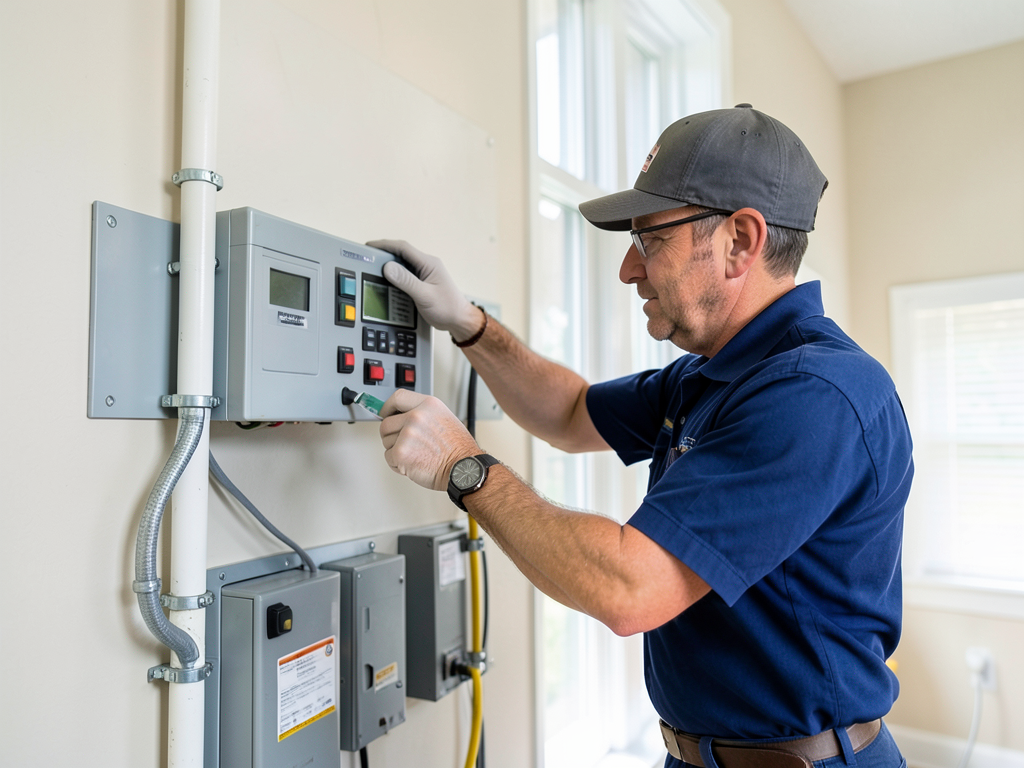
Professional zoning uses automated dampers and a control panel to balance pressure and airflow safely. It’s an investment, but it protects your system while delivering the comfort you want.
Smart Thermostats and Modern Controls
Today’s smart thermostats can help manage upstairs comfort. Models like the Ecobee or Honeywell Home use remote sensors to measure temperature in different rooms. You can set the thermostat to average readings from upstairs and downstairs, or prioritize one area during certain times of day.
Some systems even learn your schedule and adjust automatically. For example, they might cool the upstairs more in the hour before bedtime, then ease off when you’re asleep. While not a substitute for proper duct design, these tools can fine-tune comfort and save energy.
Maintenance Tips to Keep Your System Balanced
Even after solving your master bedroom problem, regular maintenance keeps your system running efficiently:
- Change filters every 1-3 months – More often if you have pets or allergies.
- Schedule annual tune-ups – A technician can catch small issues before they become big problems.
- Keep vents and returns clear – Don’t block them with furniture or rugs.
- Check attic insulation annually – Insulation can settle or shift over time.
- Monitor humidity levels – If your home feels damp, consider a dehumidifier evaluation.
Consistent care prevents the hot upstairs problem from returning.
Why Olathe Homes Are Especially Vulnerable
Olathe’s mix of older and newer construction creates unique cooling challenges. Many mid-century ranches have been converted to two-stories with finished basements, creating complex duct runs that weren’t in the original design. These additions often lack proper return air pathways, making it hard to balance temperatures.
Newer Olathe developments like Cedar Creek and Falcon Ridge feature open floor plans that look great but can create airflow dead zones. Without careful duct design, these layouts struggle to deliver even cooling.
Local soil conditions also play a role. Olathe’s clay soil expands and contracts with moisture changes, which can shift foundations and stress duct runs in basements or crawlspaces. This movement can create leaks or disconnections that reduce efficiency. Local HVAC experts for boiler maintenance and repair near the Country Club Plaza.
The Bottom Line: You Don’t Have to Suffer
A hot master bedroom isn’t just annoying—it’s a sign your home isn’t working as efficiently as it could. Whether the fix is as simple as adjusting registers or as involved as installing a zoning system, there’s a solution that fits your home and budget.
Living in Olathe means dealing with humid summers and temperature swings. But with the right approach, you can enjoy cool, comfortable sleep upstairs without turning the downstairs into an icebox.
Frequently Asked Questions
Why is my master bedroom always hotter than the rest of the house?
Heat rises, and your master bedroom is likely on the second floor where hot air collects. Poor attic insulation, undersized ducts, and sun exposure through windows all contribute to the problem.
Can closing vents downstairs help cool upstairs?
Partially, but closing too many vents can damage your HVAC system by increasing duct pressure. It’s better to adjust registers gradually or install a professional zoning system.
How much does it cost to install a zoning system?
Zoning systems typically cost $2,500 to $5,000 installed, depending on your home’s size and existing ductwork. The investment often pays for itself through improved comfort and energy savings.
Will a bigger AC unit solve my upstairs problem?
Not necessarily. An oversized unit cools too quickly without removing humidity, which can make your home feel clammy. Proper duct design and zoning are usually more effective than upsizing.
How can I tell if my attic insulation is adequate?
If your home is over 15 years old and hasn’t had insulation upgrades, it likely falls short of current recommendations. A professional energy audit can measure your insulation levels and identify improvement opportunities.
Take the Next Step Toward Comfort
If your master bedroom still feels like a sauna while the rest of your house stays cool, it’s time to stop guessing and start fixing. Our team at United HVAC has helped hundreds of Olathe homeowners solve their hot upstairs problems with solutions that fit their homes and budgets.
We’ll evaluate your system, identify the root cause, and recommend the most cost-effective fix—whether that’s simple adjustments or a complete zoning installation. No pressure, no upselling, just honest advice from local experts who understand Olathe’s unique climate challenges.
Call (816) 473-9177 today to schedule your home comfort evaluation. We’ll help you sleep cooler tonight.
Pick up the phone and call (816) 473-9177 before the next heat wave hits. Your master bedroom shouldn’t be the hardest room to cool—let us show you why.
{
“@context”: “https://schema.org”,
“@type”: “BlogPosting”,
“headline”: “Why Your Master Bedroom Is Always the Hardest Room to Cool in Your Olathe Two Story”,
“description”: “Discover why your Olathe two-story master bedroom stays hot and how to fix it with zoning, duct design, and humidity control solutions specific to Kansas City summers.”,
“wordCount”: 1915,
“datePublished”: “2026-06-08T09:24:00.000Z”,
“dateModified”: “2026-06-08T09:24:00.000Z”,
“inLanguage”: “en-US”,
“mainEntityOfPage”: {
“@type”: “WebPage”,
“@id”: “https://unitedhvackansascity.com”
},
“publisher”: {
“@type”: “LocalBusiness”,
“name”: “United HVAC Kansas City”,
“url”: “https://unitedhvackansascity.com”
},
“author”: {
“@type”: “Organization”,
“name”: “United HVAC Kansas City”,
“url”: “https://unitedhvackansascity.com”
},
“image”: {
“@type”: “ImageObject”,
“url”: “https://unitedhvackansascity.com/wp-content/uploads/2026/03/why-your-master-bedroom-is-always-the-hardest-room-1.png”
}
}
{
“@context”: “https://schema.org”,
“@type”: “HVACBusiness”,
“name”: “United HVAC Kansas City”,
“url”: “https://unitedhvackansascity.com”,
“address”: {
“@type”: “PostalAddress”,
“addressLocality”: “Kansas City”
},
“areaServed”: {
“@type”: “City”,
“name”: “Kansas City”
}
}
{
“@context”: “https://schema.org”,
“@type”: “FAQPage”,
“mainEntity”: [
{
“@type”: “Question”,
“name”: “Why is my master bedroom always hotter than the rest of the house?”,
“acceptedAnswer”: {
“@type”: “Answer”,
“text”: “Heat rises, and your master bedroom is likely on the second floor where hot air collects. Poor attic insulation, undersized ducts, and sun exposure through windows all contribute to the problem.”
}
},
{
“@type”: “Question”,
“name”: “Can closing vents downstairs help cool upstairs?”,
“acceptedAnswer”: {
“@type”: “Answer”,
“text”: “Partially, but closing too many vents can damage your HVAC system by increasing duct pressure. It’s better to adjust registers gradually or install a professional zoning system.”
}
},
{
“@type”: “Question”,
“name”: “How much does it cost to install a zoning system?”,
“acceptedAnswer”: {
“@type”: “Answer”,
“text”: “Zoning systems typically cost $2,500 to $5,000 installed, depending on your home’s size and existing ductwork. The investment often pays for itself through improved comfort and energy savings.”
}
},
{
“@type”: “Question”,
“name”: “Will a bigger AC unit solve my upstairs problem?”,
“acceptedAnswer”: {
“@type”: “Answer”,
“text”: “Not necessarily. An oversized unit cools too quickly without removing humidity, which can make your home feel clammy. Proper duct design and zoning are usually more effective than upsizing.”
}
},
{
“@type”: “Question”,
“name”: “How can I tell if my attic insulation is adequate?”,
“acceptedAnswer”: {
“@type”: “Answer”,
“text”: “If your home is over 15 years old and hasn’t had insulation upgrades, it likely falls short of current recommendations. A professional energy audit can measure your insulation levels and identify improvement opportunities.”
}
}
]
}
{
“@context”: “https://schema.org”,
“@type”: “BreadcrumbList”,
“itemListElement”: [
{
“@type”: “ListItem”,
“position”: 1,
“name”: “Home”,
“item”: “https://unitedhvackansascity.com”
},
{
“@type”: “ListItem”,
“position”: 2,
“name”: “Blog”,
“item”: “https://unitedhvackansascity.com/blog”
},
{
“@type”: “ListItem”,
“position”: 3,
“name”: “Why Your Master Bedroom Is Always the Hardest Room to Cool in Your Olathe Two Story”
}
]
}
{
“@context”: “https://schema.org”,
“@type”: “Service”,
“serviceType”: “HVAC”,
“provider”: {
“@type”: “LocalBusiness”,
“name”: “United HVAC Kansas City”,
“url”: “https://unitedhvackansascity.com”
},
“areaServed”: {
“@type”: “City”,
“name”: “Kansas City”
},
“description”: “Discover why your Olathe two-story master bedroom stays hot and how to fix it with zoning, duct design, and humidity control solutions specific to Kansas City summers.”
}