
The Best Ways to Keep Your River Market Loft Cool Without Massive Windows
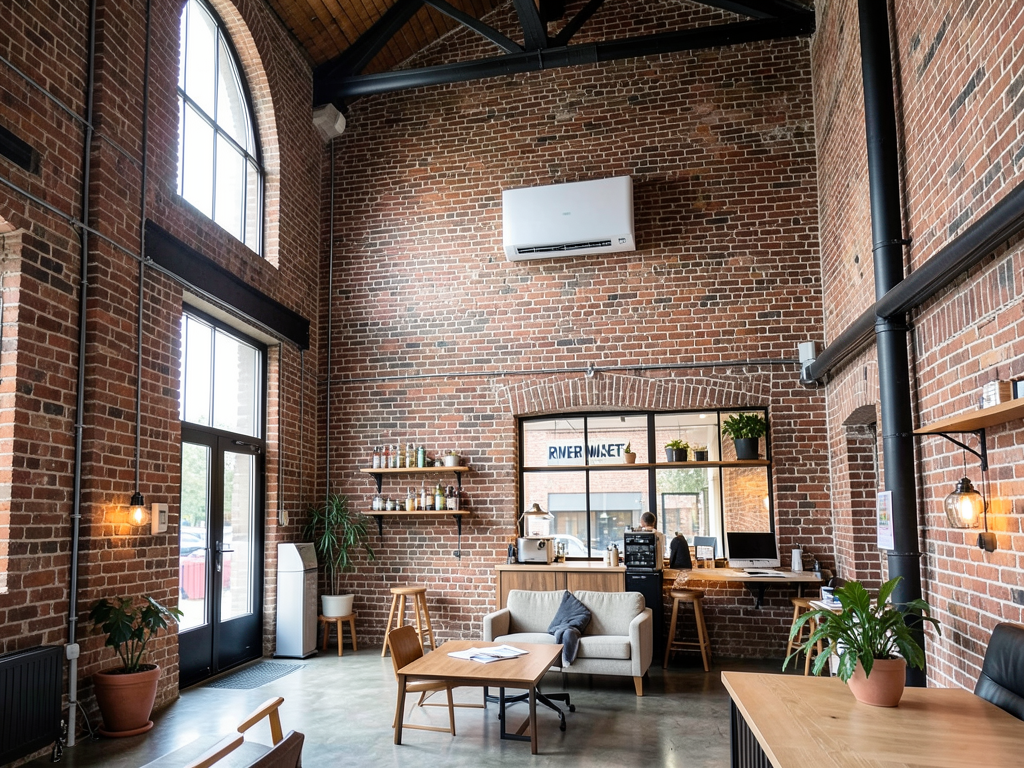
Your River Market loft bakes in the summer sun because brick walls absorb heat like a sponge. High ceilings create a stack effect that traps hot air above your living space. Without large windows for cross-ventilation you need targeted cooling strategies that work with your building’s unique architecture.
Historic River Market buildings from the early 1900s feature thick masonry walls that store heat during the day and release it at night. This thermal mass effect means your loft stays warm long after the sun sets. Combined with Kansas City’s 90% summer humidity temperatures inside can feel 10-15 degrees hotter than outside. Why historic Brookside homes need specialized high velocity AC systems.
Why Loft Apartments in Kansas City Trap So Much Heat
The impact of high ceilings and the stack effect creates a natural convection current. Hot air rises and collects near the ceiling where your thermostat rarely measures it. This leaves the living area several degrees warmer than the temperature setting.. Read more about Can You Use a Nest Thermostat with an Older Two Wire System in Historic Northeast?.
Thermal mass makes historic brick stay hot at night. River Market’s early 20th century warehouses used solid brick construction with minimal insulation. These walls absorb solar radiation throughout the day and release stored heat slowly creating a delayed heating effect that continues after sunset.
The top floor penalty involves solar gain and roof heat transfer. If your loft sits on the top floor your ceiling becomes a heat trap. Dark roofing materials absorb UV radiation and transfer heat downward through the ceiling assembly creating a hot zone directly above your living space.
Immediate DIY Solutions for Loft Living
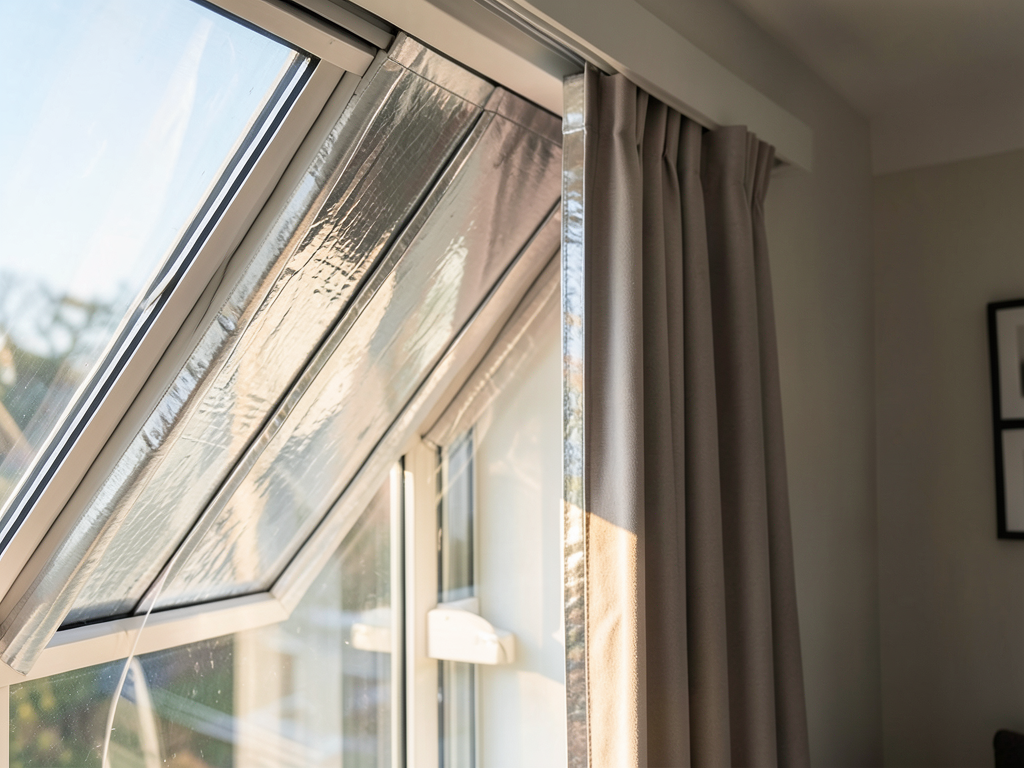
Strategic window treatments make a significant difference. Thermal curtains with reflective backing can reduce solar heat gain by up to 33%. Install them on south and west-facing windows where afternoon sun hits hardest.
The cross-breeze method works even without traditional windows. Position box fans in doorways to create air movement. Place one fan blowing inward on the coolest side of your loft and another blowing outward on the opposite side to establish cross-ventilation.
Ceiling fan direction matters for summer cooling. Set your ceiling fan to spin counter-clockwise at high speed. This pushes air straight down creating a cooling breeze that makes the room feel 4-5 degrees cooler without changing the actual temperature.
HVAC Upgrades for High-Ceiling Spaces
Ductless mini-splits offer the gold standard for historic lofts. These systems mount high on walls where hot air collects naturally. A 12000 BTU unit typically handles 400-500 square feet in Kansas City’s climate but high ceilings may require upsizing by 20-30%.
Smart thermostats solve the stack effect problem. Install remote sensors at seating height rather than relying on the built-in thermostat that measures ceiling temperature. This balances temperature between living level and ceiling level.
High-velocity HVAC systems work well in historic buildings. These systems use small flexible ducts that fit within existing wall cavities. They deliver high-velocity air that mixes effectively reducing temperature stratification in tall spaces.
The Humidity Factor: Kansas City’s Hidden Heat
Seventy-five degrees feels like eighty-five in the River Market because of humidity. Our summer humidity levels average 65-75% which prevents sweat evaporation and makes temperatures feel much warmer. This is why proper dehumidification matters as much as cooling.
Whole-home dehumidifiers offer different solutions than portable units. Portable units work for spot cooling but struggle in open loft spaces. Whole-home systems integrate with your HVAC and maintain 45-50% relative humidity the ideal comfort range for River Market summers.
Evergy energy efficiency rebates can offset upgrade costs. The utility offers rebates up to $300 for high-efficiency HVAC equipment and $150 for smart thermostats. These programs change annually so check current offerings before purchasing. Energy Star ductless mini-split systems.
When to Call a Kansas City HVAC Professional
Refrigerant leak signs include hissing sounds ice buildup on lines and cooling that starts strong but fades. If your system blows room-temperature air after running for 20 minutes you likely have a refrigerant issue that requires EPA Section 608 certified technicians.
Undersized unit calculations matter more in lofts than standard apartments. A 10-foot ceiling requires 50% more cooling capacity than an 8-foot ceiling. For a 700 square foot loft with 12-foot ceilings you need approximately 14000 BTUs not the standard 9000.
Annual maintenance checklists for industrial-style units should include coil cleaning drain line clearing and capacitor testing. River Market’s older electrical systems often mean voltage fluctuations that stress HVAC components. Professional maintenance catches these issues before they cause system failure during peak summer heat.
Cost-Effective Cooling Strategies for River Market Residents
Heat-blocking window film installation costs $5-8 per square foot but reduces solar heat gain by up to 80%. This works well for historic windows you cannot replace. The film maintains your building’s character while dramatically improving energy efficiency.
Ceiling insulation upgrades prevent roof heat transfer. Adding R-19 insulation to your ceiling assembly can reduce summer heat gain by 25%. This is especially important for lofts with exposed ductwork where conditioned air travels through hot ceiling spaces.
Zoning systems allow different temperature settings for various areas. This prevents overcooling lower levels to achieve comfort upstairs. Smart zoning can reduce energy costs by 20-30% while improving comfort throughout your space.
River Market Architecture Considerations
Historic preservation guidelines affect what cooling upgrades you can install. The River Market Preservation Plan requires that exterior modifications maintain the building’s historic character. This means no obvious rooftop equipment or window unit installations visible from the street.
Load calculations must account for brick thermal mass. Standard HVAC sizing charts underestimate cooling needs for masonry buildings. A professional Manual J calculation considers your specific building materials orientation and local climate data for Kansas City. Local HVAC experts for boiler maintenance and repair near the Country Club Plaza.
Electrical capacity in early 1900s buildings often limits cooling options. Many River Market lofts have 60-100 amp service that cannot support central air conditioning. Mini-split systems draw less power and work within these constraints while providing effective cooling. How to find a reliable air conditioning repair technician in Overland Park.
Maintaining Your Loft’s Cooling System
Filter replacement schedules should be every 30-45 days during summer. River Market’s urban dust and pollen clog filters faster than suburban areas. Clean filters improve airflow and reduce system strain extending equipment life.
Condensate drain maintenance prevents water damage in historic buildings. The acidic condensate from cooling systems can corrode metal drain pans and cause leaks. Annual cleaning and inspection prevents costly water damage to your loft and neighboring units.
Smart thermostat programming accounts for thermal lag. Set your thermostat to cool earlier in the day before outdoor temperatures peak. This prevents the system from working overtime during the hottest afternoon hours when efficiency drops.
Energy Savings Without Sacrificing Comfort
Time-of-use rates from Evergy affect when you should run cooling systems. Peak rates occur 1-7 PM on weekdays during summer. Programming your system to pre-cool before peak hours and raise the temperature slightly during peak times reduces costs without sacrificing comfort. Evergy energy efficiency rebates.
Heat-generating appliance scheduling reduces cooling load. Run dishwashers clothes dryers and ovens during cooler evening hours. These appliances add 2-4 degrees of heat to your living space forcing your AC to work harder.
Landscaping for urban lofts can provide shade without violating historic guidelines. Container trees and tall potted plants near south-facing windows block summer sun while maintaining the building’s exterior appearance. This natural shading can reduce cooling costs by 10-15%.
Emergency Cooling When Systems Fail
Backup cooling options include portable evaporative coolers and battery-powered fans. These provide temporary relief while waiting for repairs. Keep emergency cooling supplies on hand during July and August when HVAC failures peak. Same day furnace repair services for families in Lee’s Summit.
Community cooling centers in Kansas City open during extreme heat events. The Kansas City Public Library and municipal buildings offer air-conditioned spaces when temperatures exceed 95 degrees. Know your nearest location before you need it.
DIY troubleshooting steps can save time and money. Check thermostat batteries replace dirty filters and ensure outdoor units have clear airflow. These simple steps resolve many cooling issues without professional intervention.
Future-Proofing Your Loft’s Cooling
Preparing for climate change means planning for hotter summers. Kansas City’s average summer temperature has increased 2 degrees since 2000. Your cooling system should have 20% excess capacity to handle future heat waves that are becoming more frequent.
Integration with smart home systems allows remote monitoring and control. Modern HVAC systems connect to smartphone apps that alert you to performance issues before they cause complete failure. This proactive approach prevents emergency repairs during extreme heat. Who to call for 24 hour emergency AC repair in Shawnee when the heat index spikes.
Resale value considerations matter in River Market. Energy-efficient cooling systems increase property values and attract buyers. High-efficiency equipment with smart controls is becoming a standard expectation rather than a luxury feature.
Call (816) 473-9177 today to schedule your loft cooling assessment. Our technicians understand the unique challenges of River Market architecture and can recommend solutions that preserve your building’s character while keeping you comfortable. Don’t wait until the next heat wave hits.
Frequently Asked Questions
Can I install a window air conditioner in my River Market loft?
Most River Market buildings prohibit window units due to historic preservation guidelines and building codes. Exterior modifications visible from public spaces typically require approval from the Historic Preservation Commission. Mini-split systems offer similar cooling without exterior changes.
How much does it cost to cool a loft in Kansas City?
Summer cooling costs for a 700 square foot loft range from $75-150 monthly depending on insulation window efficiency and thermostat settings. High ceilings and brick construction can increase costs by 20-30% compared to standard apartments. Energy-efficient upgrades typically pay for themselves within 3-5 years through utility savings.
What size air conditioner do I need for my loft?
A standard 9000 BTU unit cools about 350-400 square feet with 8-foot ceilings. For loft spaces with 10-12 foot ceilings add 25-35% to these calculations. A 700 square foot loft with 10-foot ceilings needs approximately 14000-16000 BTUs for adequate cooling.
Are mini-split systems noisy?
Modern mini-split indoor units operate at 19-30 decibels quieter than a whisper. The outdoor compressor produces 50-60 decibels similar to normal conversation. Most River Market residents find them significantly quieter than window units or central air systems with aging ductwork.
How long do loft cooling systems last?
Quality cooling systems typically last 12-15 years with proper maintenance. River Market’s older electrical systems and humidity levels can reduce lifespan to 10-12 years. Annual professional maintenance including coil cleaning and refrigerant level checks maximizes system longevity.
Can I cool my loft without central air?
Yes. Many effective alternatives exist including ductless mini-splits high-velocity systems and strategic use of fans and dehumidifiers. The best solution depends on your loft’s layout electrical capacity and historic preservation requirements. Professional assessment helps determine optimal options for your specific situation.
What’s the most energy-efficient cooling option?
Ductless mini-split heat pumps with SEER ratings of 18+ offer the best efficiency. These systems use inverter technology to adjust compressor speed rather than cycling on and off. When combined with smart thermostats and proper insulation they can reduce cooling costs by 30-40% compared to standard systems.
Ready to transform your River Market loft into a cool comfortable retreat? Call (816) 473-9177 now to speak with our HVAC specialists. We’ll assess your space discuss preservation-compliant options and provide clear pricing with no hidden fees. Your comfort is our priority.
{
“@context”: “https://schema.org”,
“@type”: “BlogPosting”,
“headline”: “The Best Ways to Keep Your River Market Loft Cool Without Massive Windows”,
“description”: “Expert cooling strategies for River Market lofts without large windows. Beat the heat with HVAC upgrades, smart thermostats, and energy-efficient solutions tailored to historic buildings.”,
“wordCount”: 1918,
“datePublished”: “2026-06-05T09:01:00.000Z”,
“dateModified”: “2026-06-05T09:01:00.000Z”,
“inLanguage”: “en-US”,
“mainEntityOfPage”: {
“@type”: “WebPage”,
“@id”: “https://unitedhvackansascity.com”
},
“publisher”: {
“@type”: “LocalBusiness”,
“name”: “United HVAC Kansas City”,
“url”: “https://unitedhvackansascity.com”
},
“author”: {
“@type”: “Organization”,
“name”: “United HVAC Kansas City”,
“url”: “https://unitedhvackansascity.com”
},
“image”: {
“@type”: “ImageObject”,
“url”: “https://unitedhvackansascity.com/wp-content/uploads/2026/03/the-best-ways-to-keep-your-river-market-loft-cool-1.png”
}
}
{
“@context”: “https://schema.org”,
“@type”: “HVACBusiness”,
“name”: “United HVAC Kansas City”,
“url”: “https://unitedhvackansascity.com”,
“address”: {
“@type”: “PostalAddress”,
“addressLocality”: “Kansas City”
},
“areaServed”: {
“@type”: “City”,
“name”: “Kansas City”
}
}
{
“@context”: “https://schema.org”,
“@type”: “FAQPage”,
“mainEntity”: [
{
“@type”: “Question”,
“name”: “Can I install a window air conditioner in my River Market loft?”,
“acceptedAnswer”: {
“@type”: “Answer”,
“text”: “Most River Market buildings prohibit window units due to historic preservation guidelines and building codes. Exterior modifications visible from public spaces typically require approval from the Historic Preservation Commission. Mini-split systems offer similar cooling without exterior changes.”
}
},
{
“@type”: “Question”,
“name”: “How much does it cost to cool a loft in Kansas City?”,
“acceptedAnswer”: {
“@type”: “Answer”,
“text”: “Summer cooling costs for a 700 square foot loft range from $75-150 monthly depending on insulation window efficiency and thermostat settings. High ceilings and brick construction can increase costs by 20-30% compared to standard apartments. Energy-efficient upgrades typically pay for themselves within 3-5 years through utility savings.”
}
},
{
“@type”: “Question”,
“name”: “What size air conditioner do I need for my loft?”,
“acceptedAnswer”: {
“@type”: “Answer”,
“text”: “A standard 9000 BTU unit cools about 350-400 square feet with 8-foot ceilings. For loft spaces with 10-12 foot ceilings add 25-35% to these calculations. A 700 square foot loft with 10-foot ceilings needs approximately 14000-16000 BTUs for adequate cooling.”
}
},
{
“@type”: “Question”,
“name”: “Are mini-split systems noisy?”,
“acceptedAnswer”: {
“@type”: “Answer”,
“text”: “Modern mini-split indoor units operate at 19-30 decibels quieter than a whisper. The outdoor compressor produces 50-60 decibels similar to normal conversation. Most River Market residents find them significantly quieter than window units or central air systems with aging ductwork.”
}
},
{
“@type”: “Question”,
“name”: “How long do loft cooling systems last?”,
“acceptedAnswer”: {
“@type”: “Answer”,
“text”: “Quality cooling systems typically last 12-15 years with proper maintenance. River Market’s older electrical systems and humidity levels can reduce lifespan to 10-12 years. Annual professional maintenance including coil cleaning and refrigerant level checks maximizes system longevity.”
}
},
{
“@type”: “Question”,
“name”: “Can I cool my loft without central air?”,
“acceptedAnswer”: {
“@type”: “Answer”,
“text”: “Yes. Many effective alternatives exist including ductless mini-splits high-velocity systems and strategic use of fans and dehumidifiers. The best solution depends on your loft’s layout electrical capacity and historic preservation requirements. Professional assessment helps determine optimal options for your specific situation.”
}
},
{
“@type”: “Question”,
“name”: “What’s the most energy-efficient cooling option?”,
“acceptedAnswer”: {
“@type”: “Answer”,
“text”: “Ductless mini-split heat pumps with SEER ratings of 18+ offer the best efficiency. These systems use inverter technology to adjust compressor speed rather than cycling on and off. When combined with smart thermostats and proper insulation they can reduce cooling costs by 30-40% compared to standard systems.”
}
}
]
}
{
“@context”: “https://schema.org”,
“@type”: “BreadcrumbList”,
“itemListElement”: [
{
“@type”: “ListItem”,
“position”: 1,
“name”: “Home”,
“item”: “https://unitedhvackansascity.com”
},
{
“@type”: “ListItem”,
“position”: 2,
“name”: “Blog”,
“item”: “https://unitedhvackansascity.com/blog”
},
{
“@type”: “ListItem”,
“position”: 3,
“name”: “The Best Ways to Keep Your River Market Loft Cool Without Massive Windows”
}
]
}
{
“@context”: “https://schema.org”,
“@type”: “Service”,
“serviceType”: “HVAC”,
“provider”: {
“@type”: “LocalBusiness”,
“name”: “United HVAC Kansas City”,
“url”: “https://unitedhvackansascity.com”
},
“areaServed”: {
“@type”: “City”,
“name”: “Kansas City”
},
“description”: “Expert cooling strategies for River Market lofts without large windows. Beat the heat with HVAC upgrades, smart thermostats, and energy-efficient solutions tailored to historic buildings.”
}