




Menu

Outdoor Unit Not Spinning in Kansas City – Expert Diagnosis Solves the Real Problem Fast

When your air conditioner outdoor fan stops running, you need technicians who diagnose the actual cause, not just the symptom. United HVAC Kansas City identifies whether it's a failed capacitor, locked motor, or burnt contactor and fixes outdoor unit fan problems the right way.

Slider Image 1
Slider Image 2
Slider Image 3
Slider Image 4
Slider Image 5
Slider Image 7
Slider Image 8
Slider Image 9
Slider Image 10
Slider Image 11

Why Your AC Condenser Fan Stops Working in Kansas City's Summer Heat

You walk outside and notice something wrong. Your outdoor unit hums, but the fan blade sits motionless. The compressor runs, but no air moves across the condenser coils. Within minutes, your system overheats and shuts down.

This is not a minor inconvenience during Kansas City summers when heat indexes push past 100 degrees. When your outside AC fan stops turning, the entire cooling process fails. Refrigerant cannot release heat. The compressor cycles off on high pressure. Your indoor temperature climbs while your electric bill spikes from short cycling.

Kansas City's temperature swings create specific problems for condenser fans. Spring storms bring voltage fluctuations that damage capacitors. July heat bakes fan motors until bearings seize. August humidity corrodes electrical connections inside contactors. The outdoor unit works year-round here, and that constant demand reveals weak points.

A condenser fan not spinning signals one of five problems. The dual run capacitor may have failed, leaving the motor without starting voltage. The fan motor itself could have locked bearings from dust and cottonwood debris common along the Missouri River basin. The contactor might have welded contacts from power surges during thunderstorm season. A faulty control board may not send the signal to start. Or the motor's internal thermal overload tripped because airflow restrictions caused overheating.

Each cause requires different expertise. You cannot fix an air conditioner outdoor fan not running by hitting the unit or waiting. The problem compounds. Compressor damage follows when heat cannot escape. Refrigerant pressures spike. The entire system fails because one component stopped.

This is diagnostic work, not guesswork.

Why Your AC Condenser Fan Stops Working in Kansas City's Summer Heat
How United HVAC Kansas City Diagnoses and Repairs Non-Spinning Condenser Fans

How United HVAC Kansas City Diagnoses and Repairs Non-Spinning Condenser Fans

We do not replace parts blindly. When your outdoor unit fan stopped, our technicians follow a methodical diagnostic sequence that identifies the exact failure point.

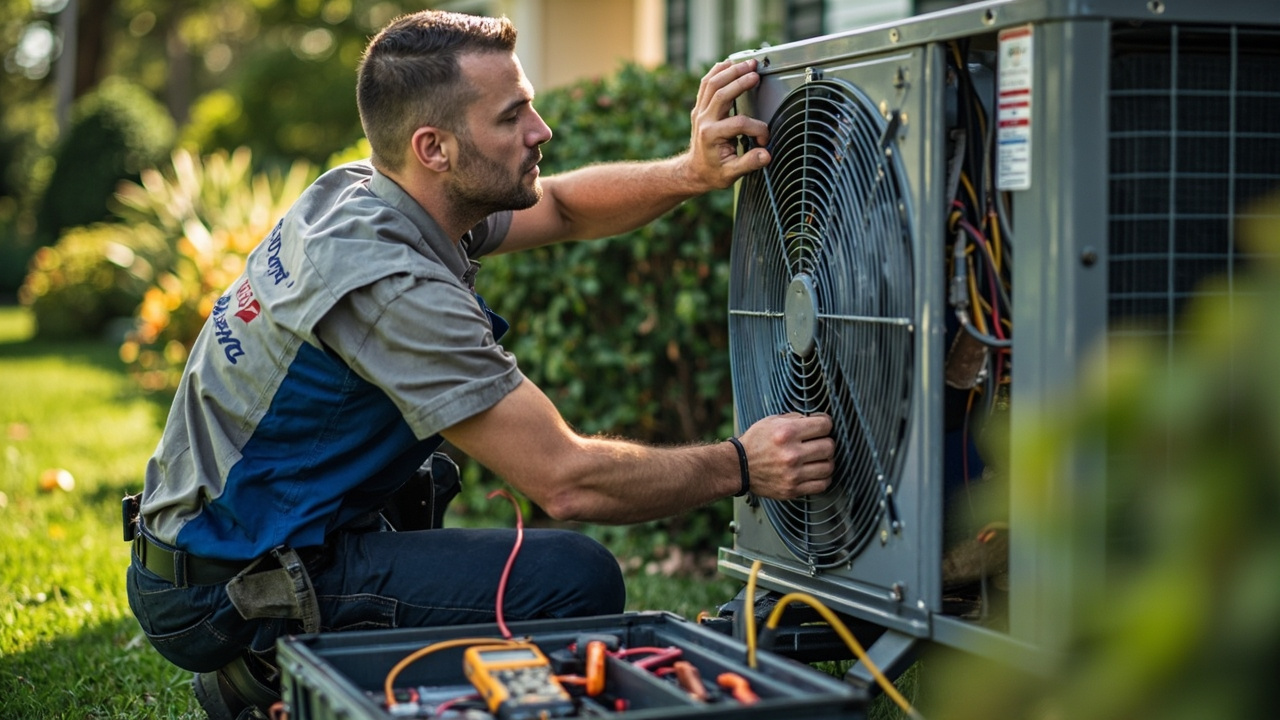
First, we test the dual run capacitor with a multimeter. Capacitors fail more than any other component in Kansas City's climate. We measure microfarads against nameplate specifications. A capacitor reading outside tolerance gets replaced immediately. We stock OEM-spec capacitors rated for the voltage and temperature extremes your unit faces.

Next, we check the contactor. We inspect contact surfaces for pitting, measure coil voltage, and verify the contactor pulls in when the thermostat calls for cooling. A failed contactor means no power reaches the fan motor or compressor. We replace contactors showing any sign of electrical arcing or mechanical wear.

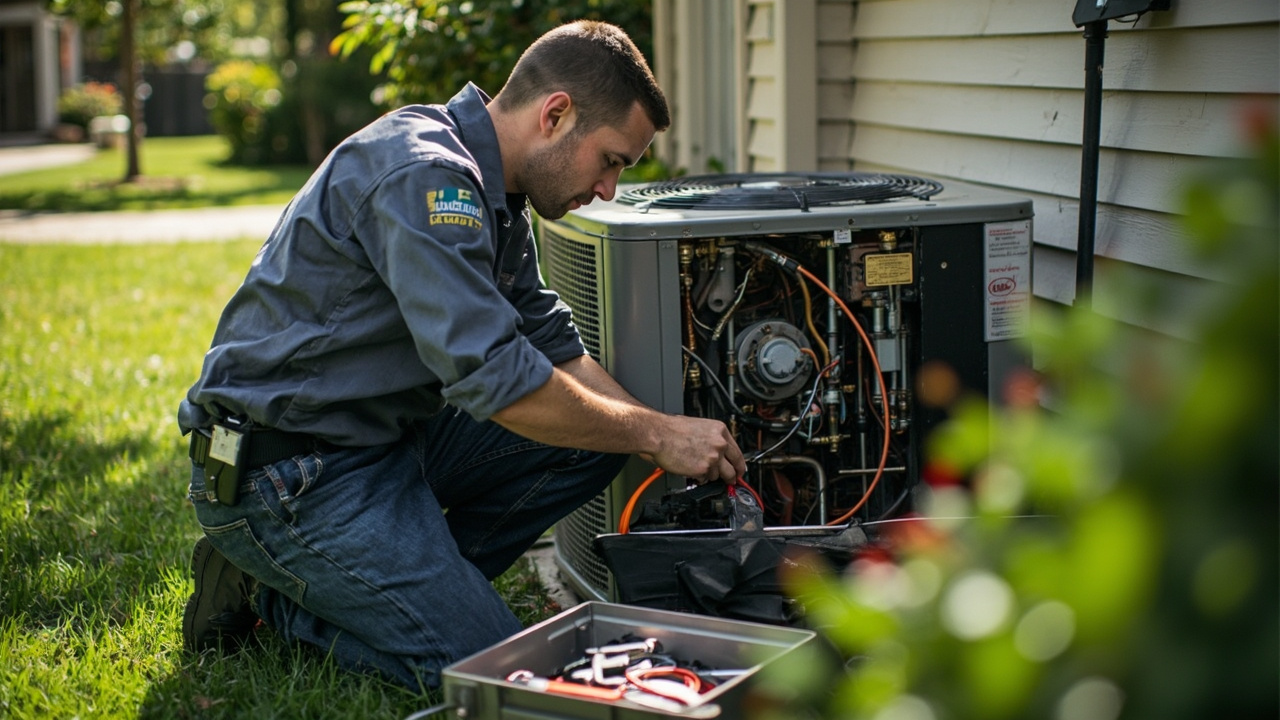
Then we test the fan motor directly. We disconnect it from the capacitor and apply power to check for mechanical seizure. We spin the blade by hand to feel for bearing resistance. We measure winding resistance and compare it to manufacturer specs. A motor with locked bearings or open windings gets replaced with an exact match for your condenser model.

We also verify control board outputs. The board must send 24 volts to the contactor coil when the thermostat calls. We trace the signal path from thermostat through transformer to contactor. Any interruption in that circuit prevents the AC condenser fan from working.

Finally, we inspect the entire electrical pathway. Loose wire connections, corroded terminals, and damaged wire insulation all cause intermittent failures. We clean connections, apply dielectric grease, and secure every terminal.

Our approach finds the root cause. We explain what failed, why it failed, and what prevents it from happening again. You get a repair that lasts, not a temporary fix.

What Happens When You Call About a Non-Spinning Outdoor Fan

Outdoor Unit Not Spinning in Kansas City – Expert Diagnosis Solves the Real Problem Fast
01

Immediate System Assessment

Our technician arrives and performs a visual inspection of your outdoor unit before touching any components. We check for obvious signs of electrical failure, listen to the compressor operation, and verify whether the indoor blower runs properly. This initial assessment tells us whether the problem is isolated to the condenser fan or part of a larger electrical issue. We document the outdoor temperature, runtime conditions, and any error codes displayed on your thermostat.
02

Component Testing and Diagnosis

We shut down power at the disconnect and open the outdoor unit's electrical panel. Using calibrated meters, we test the capacitor, contactor, and motor windings in sequence. We measure voltage at every connection point and verify the control signal from your thermostat reaches the contactor. This systematic approach identifies the failed component without replacing parts unnecessarily. We show you the test results and explain exactly what stopped your condenser fan from spinning.
03

Repair and System Verification

After replacing the failed component, we restore power and monitor startup. We verify the fan motor reaches full speed, measure amperage draw against nameplate ratings, and confirm proper airflow across the condenser coils. We let the system run through a complete cycle while checking refrigerant pressures and discharge temperatures. Before leaving, we clean debris from the condenser fins and check that all electrical connections remain tight. Your system runs correctly, and you understand what we fixed.

Why Kansas City Homeowners Trust United HVAC for Condenser Fan Repairs

Kansas City presents specific challenges that require local HVAC knowledge. Spring brings severe thunderstorms that surge through electrical panels and damage sensitive components like capacitors and contactors. Summer humidity accelerates corrosion on outdoor electrical connections. Fall cottonwood seeds clog condenser fins and restrict airflow, forcing fan motors to work harder until bearings fail. Winter freeze-thaw cycles crack wire insulation and loosen terminal connections.

We understand how these seasonal patterns affect your outdoor unit because we service hundreds of systems across the Kansas City metro each year. We know that homes in older neighborhoods like Brookside and Waldo often have undersized electrical panels that contribute to voltage issues. We recognize that properties near Brush Creek deal with higher humidity that corrodes outdoor unit components faster. We account for the fact that newer developments in southern Johnson County install builder-grade condensers that use cheaper capacitors prone to early failure.

Our technicians stock parts specifically for the brands and models common in Kansas City installations. We carry Carrier, Trane, Lennox, and Rheem components because those brands dominate local residential installs. We keep multiple capacitor ratings on every truck because waiting three days for a part during a heat wave is unacceptable.

We also understand Kansas City's building patterns. Many homes here have outdoor units installed in direct sun without shade structures, which shortens component life. We recognize that clay soil shifts and tilts condenser pads, creating vibration that wears fan motor bearings. We account for overhead tree coverage that drops debris into outdoor units throughout growing season.

When you call United HVAC Kansas City, you get technicians who have seen your exact problem dozens of times in your neighborhood. We do not diagnose by trial and error. We know what fails and why.

What to Expect When Your Condenser Fan Needs Repair

Response Time and Availability

We dispatch technicians the same day you call during Kansas City's cooling season. A non-spinning condenser fan is not a problem you wait on when outdoor temperatures reach the 90s. Our trucks run seven days a week from April through September because air conditioning failures do not respect weekends. You speak directly with our dispatch team, get a clear arrival window, and receive a call when the technician is 30 minutes out. We understand that a condenser fan not working means no cooling, and we treat every call with appropriate urgency.

Diagnostic Process and Pricing

Our diagnostic fee covers complete system testing, not just a visual inspection. We bring the meters and tools needed to test every electrical component in your outdoor unit. Before we perform any repair, we explain what failed, show you the test results, and provide a flat-rate price for the fix. You approve the work before we start. We do not discover additional problems midway through and increase the price. Our pricing includes the part, labor, and any electrical connections or cleaning needed to complete the repair correctly.

Quality of Completed Repair

We install OEM or equivalent parts rated for your system's specifications. Capacitors match the microfarad rating and voltage requirements on your condenser's nameplate. Motors match the horsepower, rotation speed, and shaft diameter of the original. Contactors match the amperage rating and pole configuration. We do not install universal parts that almost fit. After installation, we verify proper startup, measure operating amperage, and confirm the fan reaches full speed. We clean your condenser coils if debris restriction contributed to the failure. You get a system that cools correctly and runs efficiently.

Parts Coverage and Preventive Guidance

Replacement parts carry manufacturer defect coverage, and our labor is backed for one year. If the same component fails due to installation error or defective parts, we return and make it right at no charge. Beyond the repair itself, we provide specific maintenance guidance for Kansas City conditions. We show you how to spot early warning signs of capacitor failure, when to clean debris from your condenser, and which seasonal checks prevent future breakdowns. We also identify other components showing wear that may need attention during your next maintenance visit.

Frequently Asked Questions

You Have Questions,
We Have Answers

Why is my outside AC not spinning? +

Your outside AC unit stops spinning due to a failed capacitor, burned motor, tripped breaker, or frozen compressor. Kansas City's high humidity and frequent summer storms stress the capacitor, which stores the electrical charge needed to start the fan. Debris like cottonwood seeds can clog the unit and overheat the motor. A tripped breaker often signals an electrical overload. If the compressor is frozen, refrigerant may be leaking. Turn off your system immediately to prevent further damage. A diagnostic visit identifies the exact cause and prevents a total system failure during peak cooling season.

What is the problem if the fan is not spinning? +

A non-spinning fan means your condenser cannot release heat. This causes your compressor to overheat and shut down. Common culprits include a blown capacitor, which fails to send the startup voltage, a seized motor bearing, or a broken fan blade. In Kansas City's clay soil areas, ground settling can misalign the unit and strain the motor. Electrical issues like a faulty contactor or loose wiring also stop rotation. The compressor will still hum as it tries to run, but without airflow, your system cannot cool your home and risks permanent compressor damage.

Why is my AC unit humming but not spinning? +

A humming sound without spinning indicates the compressor is receiving power but the fan motor cannot start. The capacitor likely failed. Capacitors wear out faster in Kansas City due to high heat and humidity cycling. A seized motor bearing or jammed fan blade can also cause this symptom. The compressor hums because it tries to engage, but without the fan removing heat, it will overheat and trip the safety switch. Do not ignore this issue. Running a unit in this state can burn out the compressor, which costs far more than a capacitor replacement.

How to fix AC unit outside fan not working? +

Turn off your system first. Check your breaker panel for a tripped switch and reset it. Remove debris from around the unit. If the fan blade spins freely by hand but won't start, the capacitor or contactor likely failed. Do not attempt electrical repairs yourself. Kansas City's humidity accelerates capacitor degradation, and improper voltage testing can cause injury or void warranties. A technician will test the capacitor, inspect the motor windings, and check the contactor. Attempting DIY fixes on live voltage components is dangerous and can worsen the problem.

Should I turn off my AC if the fan isn't spinning? +

Yes. Turn off your AC immediately if the fan is not spinning. Running the system without airflow causes the compressor to overheat. The compressor is the most expensive component in your AC system. Without the fan dispersing heat, internal temperatures spike and can weld compressor parts together. Kansas City's summer heat compounds this risk. Continuing to run the unit can turn a simple capacitor repair into a full compressor replacement. Shut down the system at the thermostat and the breaker, then call a technician to diagnose the issue before further damage occurs.

What is the $5000 rule for AC? +

The $5000 rule is a guideline for AC repair decisions. Multiply the repair cost by your system's age. If the result exceeds $5000, replacement makes more financial sense. For example, a $600 repair on a 10-year-old unit equals $6000, suggesting replacement. In Kansas City, high humidity shortens AC lifespan to 12-15 years. If your unit is older and requires major repairs like a compressor, investing in a new system with better efficiency avoids repeated breakdowns. This rule helps you avoid throwing money at an aging system that will fail again soon.

How Kansas City's Electrical Grid Stress Damages Outdoor Unit Components

Kansas City's summer storm pattern creates specific electrical challenges for air conditioning systems. Severe thunderstorms between May and August produce voltage fluctuations and momentary power interruptions that stress outdoor unit components. Capacitors absorb these surges and fail prematurely. Contactors experience voltage spikes that weld contact points closed or burn them open. Fan motors receive inconsistent voltage that damages windings and control circuits. Properties served by older transformers in established neighborhoods like Valentine and Armour Hills see more frequent voltage irregularities than newer subdivisions with modern electrical infrastructure. This electrical stress compounds with high ambient temperatures to shorten component life across Kansas City's metro area.

United HVAC Kansas City technicians understand local electrical patterns because we track failure rates across different parts of the metro. We know which neighborhoods experience more capacitor failures due to transformer loading issues. We recognize that homes near commercial districts sharing electrical infrastructure see different failure patterns than residential-only areas. Our diagnostic approach accounts for these local factors. We do not just replace a failed capacitor. We inspect for signs of chronic electrical stress and recommend surge protection when voltage irregularities contribute to repeated failures. This local knowledge ensures your repair addresses both the symptom and the underlying cause specific to Kansas City's electrical conditions.

HVAC Services in The Kansas City Area

View our service area and business location on the map below. We are proud to serve the entire Kansas City metro area, providing expert heating and cooling services to both residential and commercial clients. If you need a reliable HVAC partner, we are conveniently located to respond quickly to your needs, ensuring your indoor comfort is always our top priority.

Address:
United HVAC Kansas City, 1425 Agnes Ave, Kansas City, MO, 64127

Additional Services We Offer

Our news updates

Latest Articles & News from The Blogs

Essential HVAC Safety Tips for Families with Toddlers and Crawling Babies in Lenexa\n\nDoes your crawling baby seem magnetically drawn to…

Essential HVAC Safety Tips for Families with Toddlers and Crawling Babies in Lenexa

Essential HVAC Safety Tips for Families with Toddlers and Crawling Babies in Lenexa\n\nDoes your crawling baby seem magnetically drawn to…

Why Your Master Bedroom Is Always the Hardest Room to Cool in Your Olathe Two Story

Your Olathe two-story home was built for comfort, but your master bedroom still feels like a sauna while the downstairs…

How Shifting Kansas City Clay Soil Can Actually Damage Your Underground Ductwork

How Shifting Kansas City Clay Soil Can Actually Damage Your Underground Ductwork Kansas City’s expansive clay soil shifts dramatically with…

Contact Us

Your air conditioner cannot cool when the outdoor fan sits motionless. Call United HVAC Kansas City at (816) 473-9177 right now. We diagnose the actual problem, explain what failed, and restore cooling the same day.