







Menu

HVAC Warranty Guide in Kansas City – Protect Your Investment and Maximize Coverage

Understanding HVAC system warranty coverage and heating and cooling warranty terms can save you thousands when equipment fails. Learn how to navigate manufacturer warranties and protect your Kansas City home.

Slider Image 1
Slider Image 2
Slider Image 3
Slider Image 4
Slider Image 5
Slider Image 7
Slider Image 8
Slider Image 9
Slider Image 10
Slider Image 11

Why Kansas City Homeowners Lose Money on HVAC Warranties

You paid good money for your heating and cooling system. The manufacturer promised years of warranty protection. Then your AC compressor fails in July or your furnace quits during a January freeze. You call for service and discover your HVAC equipment warranty policies don't cover what you thought they did.

This happens constantly in Kansas City. The problem starts with confusion. Manufacturers offer parts warranties, sometimes for ten years or more. But labor? That's almost never covered after the first year. You end up paying hundreds in service fees even when the failed part is free.

Kansas City's extreme temperature swings make this worse. We see over 100 degrees in summer and sub-zero winter nights. This thermal stress accelerates wear on compressors, heat exchangers, and blower motors. Your equipment works harder here than in moderate climates, which means more warranty claims and more confusion about HVAC manufacturer warranty details.

Most homeowners don't register their equipment within the required timeframe. They don't keep purchase receipts. They skip annual maintenance, which voids most HVAC unit warranty information clauses. When something breaks, they learn these details too late.

The warranty card that came with your system is not enough. You need to understand what's actually covered, what documentation you must maintain, and which maintenance tasks are mandatory to keep heating and cooling warranty terms valid. Otherwise, you're gambling with thousands of dollars every time your system cycles on.

Why Kansas City Homeowners Lose Money on HVAC Warranties
How to Decode Your HVAC System Warranty Coverage

How to Decode Your HVAC System Warranty Coverage

Every HVAC system comes with at least two separate warranties. The manufacturer covers equipment defects. The installing contractor covers labor and workmanship. These operate independently and have different terms, exclusions, and claim procedures.

Manufacturer warranties typically cover the compressor for 10 years and other parts for 5 years. But read the fine print. These extended timelines only apply if you register the equipment within 60 to 90 days of installation. Miss that window and your coverage drops to just one or two years. You must also prove annual maintenance by a licensed technician. No maintenance records means no coverage, even for manufacturing defects.

Labor coverage is separate. Most contractors provide one year of labor warranty. After that, you pay the service call fee, diagnostic time, and installation labor even when the failed part itself is free under manufacturer coverage. A compressor replacement might cost you $800 in labor while the $1,200 compressor is covered.

Extended warranties and service agreements fill this gap. These plans cover both parts and labor beyond the standard terms. They also include preventive maintenance visits, which are required to keep your manufacturer warranty valid. This creates a protection loop that most homeowners miss.

We decode HVAC equipment warranty policies for Kansas City residents daily. We track registration deadlines, document maintenance visits, and handle manufacturer claims on your behalf. When a covered component fails, we know which parts fall under which warranty terms and how to process claims correctly. This knowledge prevents the billing surprises that frustrate homeowners and protects your investment through the full equipment lifespan.

What Happens When You Need Warranty Service

HVAC Warranty Guide in Kansas City – Protect Your Investment and Maximize Coverage
01

System Diagnosis and Documentation

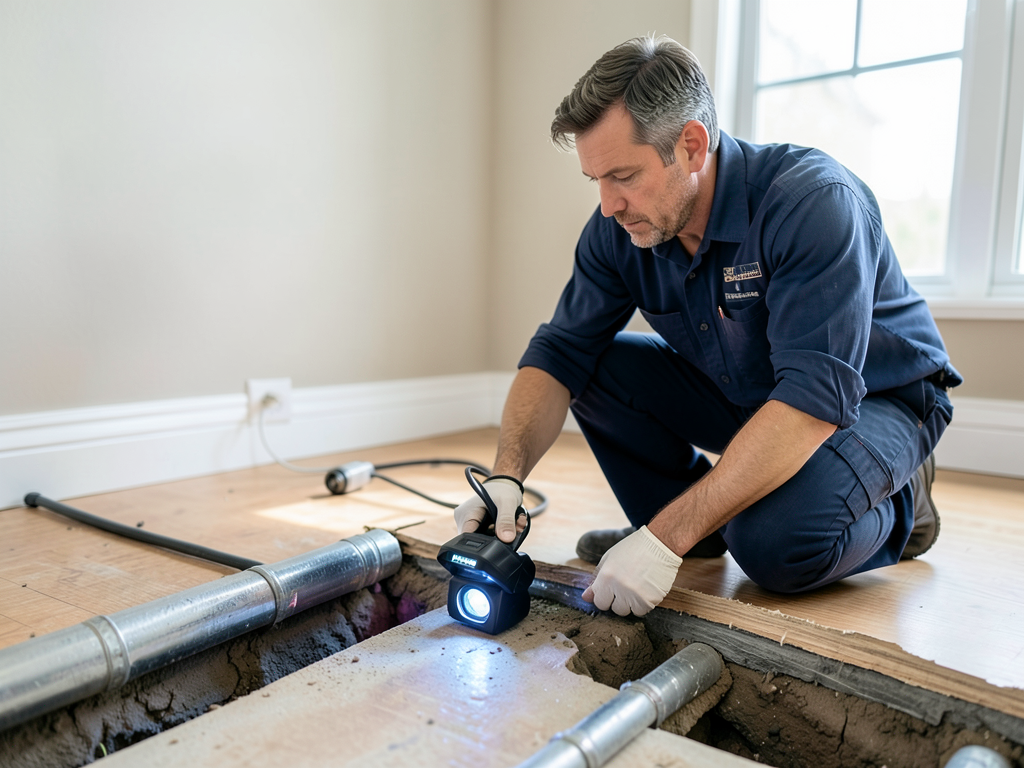
We start by diagnosing the failure and identifying the defective component. This requires testing refrigerant pressures, electrical continuity, and control board functions. We photograph the failed part and document model numbers, serial numbers, and installation dates. This evidence package is critical because manufacturers deny claims without proper documentation. We also review your maintenance history to confirm your warranty remains valid.
02

Warranty Claim Submission

We contact the manufacturer or distributor with your claim details. This involves submitting diagnostic findings, photos, and proof of registration. Most manufacturers require specific failure descriptions using technical terminology. We speak their language and know which details they need. Claim approval typically takes 24 to 48 hours. We also verify which costs are covered and which fall to the homeowner so you know exactly what to expect.
03

Part Replacement and Coverage Confirmation

Once the claim is approved, we order the replacement part and schedule installation. We handle all manufacturer communication and ensure the replacement component carries its own warranty coverage. After installation, we provide documentation showing the new part's model number, serial number, and warranty start date. This paperwork protects you if the replacement part fails and creates a clear maintenance record for future service needs.

Why Kansas City Homeowners Trust United HVAC for Warranty Support

We've processed hundreds of warranty claims for Kansas City homeowners. We know which manufacturers honor their commitments and which fight every claim. We understand the documentation standards, approval timelines, and appeal procedures that determine whether your claim succeeds or gets denied.

Local contractors who install your system often disappear when warranty issues arise. They don't return calls. They claim your failure isn't covered. They bill you for diagnosis even when the part is under warranty. We see this constantly, which is why we built our service model differently.

United HVAC Kansas City maintains detailed service records for every system we touch. When you call with a problem, we already have your installation date, equipment model numbers, and maintenance history. We know whether your coverage is active and what documentation we need to file a claim. This eliminates the runaround that frustrates most homeowners.

Kansas City's building codes and permit requirements also affect warranty coverage. Unpermitted installations can void manufacturer warranties entirely. We verify that your original installation met code and included proper permits. If we discover compliance issues, we address them before they become claim problems.

We also work directly with equipment distributors throughout the Kansas City metro. These relationships mean faster part delivery and priority claim processing. When a compressor fails during a July heat wave, we get replacement parts in days rather than weeks. This matters when your family is sweating through 95-degree afternoons.

Your HVAC investment should last 15 to 20 years. Warranty coverage protects that investment, but only if you understand the terms and file claims correctly. We handle the complexity so you get the coverage you paid for.

What to Expect from Professional Warranty Service

Response Time and Scheduling

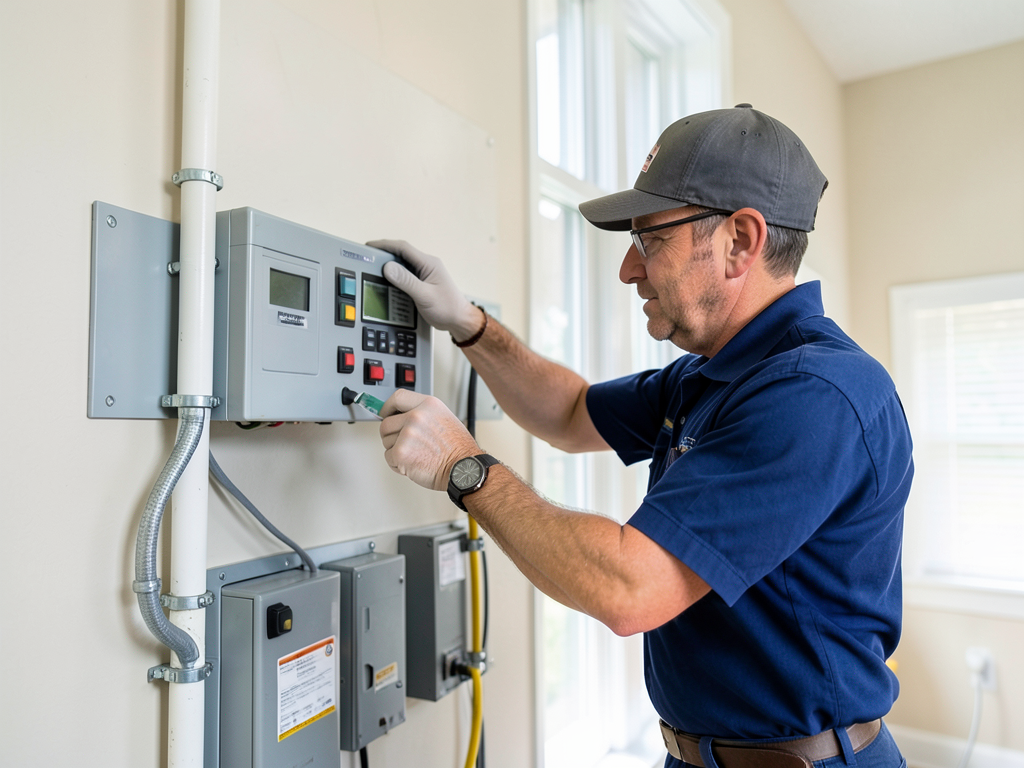
We respond to warranty service calls within 24 hours. System failures don't wait for convenient times, and Kansas City's extreme weather makes rapid response critical. We schedule diagnostic visits quickly and communicate claim timelines clearly. If your manufacturer requires additional documentation, we handle it immediately to prevent delays. Most warranty claims are resolved within three to five business days from initial diagnosis to part installation. We keep you updated throughout the process so you know exactly when your system will be running again.

Coverage Assessment and Cost Transparency

Before we start any work, we verify what's covered under your HVAC system warranty coverage. We review your equipment's registration status, maintenance records, and specific warranty terms. We explain which costs the manufacturer covers and which costs are your responsibility. This prevents surprise bills. If labor isn't covered, we provide upfront pricing before proceeding with repairs. We also identify opportunities to use extended warranty coverage or service agreement benefits that many homeowners forget they purchased. You'll know the total cost before we touch your system.

Quality Repairs and Documentation

We install only manufacturer-approved replacement parts. Generic components void your remaining warranty coverage and create future problems. We document every repair with photos, part numbers, and installation dates. This paperwork extends your protection if the replacement component fails later. We also test system performance after installation to verify proper operation. Refrigerant pressures, airflow rates, and electrical draws must meet factory specifications. Rushed repairs cause return visits. We do it right the first time and provide documentation that protects your investment long-term.

Ongoing Protection and Maintenance

Annual maintenance is required to keep most HVAC equipment warranty policies valid. We offer service agreements that include the twice-yearly visits manufacturers require. These visits catch small problems before they become expensive failures. We also maintain detailed service records that prove maintenance compliance if you need to file future claims. Our agreements include priority scheduling and discounted repair rates. Think of it as insurance for your heating and cooling warranty terms. You invest in maintenance today to protect thousands in future warranty coverage. We track your maintenance schedule and send reminders so you never miss a required visit.

Frequently Asked Questions

You Have Questions,
We Have Answers

What is the typical warranty on an HVAC unit? +

Most HVAC units come with a parts warranty ranging from 5 to 10 years from the manufacturer. The compressor, which is the most expensive component, often carries a separate extended warranty. Labor warranties vary by contractor and typically last 1 to 2 years. In Kansas City, where temperature swings place extra stress on systems, extended warranties provide valuable protection. Registration is required within 90 days of installation to activate full coverage. Basic warranties cover defects in materials and workmanship but exclude damage from neglect or improper maintenance.

What is the $5000 rule for HVAC? +

The $5000 rule refers to a common threshold where replacing an HVAC system becomes more cost-effective than repairing it. Multiply the age of your unit by the repair cost. If the result exceeds $5000, replacement is usually smarter. For example, a 12-year-old system needing a $450 repair equals $5400, signaling replacement time. Kansas City homeowners face high cooling demands in summer and heating needs in winter, making this calculation critical. Consider energy efficiency gains and avoid throwing money at aging equipment that will fail again soon.

How does a home warranty work for HVAC? +

A home warranty covers HVAC repairs and replacements when systems fail due to normal wear. You pay an annual premium plus a service fee per claim, typically $75 to $125. The warranty company sends a contracted technician to diagnose and fix the issue. Coverage limits apply, often capping payouts at $1500 to $3000 per claim. In Kansas City, where extreme weather accelerates system wear, home warranties provide budget protection. Read the fine print carefully. Many exclude pre-existing conditions, lack of maintenance, and specific components like thermostats or ductwork.

What voids a HVAC warranty? +

Skipping annual maintenance is the fastest way to void your HVAC warranty. Manufacturers require proof of professional servicing, typically once per year. Using an unlicensed technician, installing incorrect parts, or failing to register your system within 90 days also cancels coverage. In Kansas City, where humidity and temperature extremes stress systems, proper maintenance becomes even more critical. Physical damage from flooding, improper installation, or DIY modifications will void warranties immediately. Always keep receipts and service records. Warranty claims require documentation proving you maintained the equipment according to manufacturer specifications.

What is the average lifespan of an HVAC? +

The average HVAC system lasts 15 to 20 years with proper maintenance. Furnaces typically outlast air conditioners by a few years. In Kansas City, where systems work hard through humid summers and freezing winters, lifespan may trend toward the lower end without regular servicing. Poor installation, neglected filter changes, and oversized or undersized equipment shorten lifespan significantly. Quality matters. Budget systems often fail earlier than premium models. Plan for replacement around the 15-year mark, especially if repair costs are climbing or efficiency has dropped noticeably.

How do I know if my HVAC is still under warranty? +

Check your original installation paperwork for warranty details and registration confirmation. The model and serial number on your outdoor condenser or indoor air handler can be cross-referenced on the manufacturer's website to verify coverage dates. Most manufacturers provide online warranty lookup tools. Contact your installing contractor for records if you purchased the home recently. In Kansas City, many homeowners lose warranty protection simply because they never registered their equipment. Call the manufacturer directly with your serial number. They can confirm coverage status and explain what remains protected under your specific plan.

Is a new HVAC system tax deductible in 2025? +

HVAC systems may qualify for federal tax credits in 2025 if they meet specific energy efficiency standards. The Inflation Reduction Act provides up to $2000 for qualifying heat pumps and high-efficiency systems with a SEER2 rating of 16 or higher. Kansas City homeowners can benefit from these incentives when upgrading outdated equipment. Standard replacements without efficiency improvements are not deductible. Tax credits differ from deductions. Credits reduce your tax bill dollar for dollar. Consult a tax professional and keep all receipts and manufacturer certification statements when filing.

What is the 3 minute rule for AC? +

The 3-minute rule prevents short cycling, which damages your compressor. After your air conditioner shuts off, wait at least 3 minutes before restarting it. This delay allows refrigerant pressure to equalize throughout the system. Restarting too quickly forces the compressor to work against high pressure, causing premature failure. In Kansas City's hot summers, homeowners may fiddle with thermostats frequently, creating this risk. Modern systems have built-in delay timers, but manual restarts bypass this protection. Patience protects your investment and avoids expensive compressor replacement, which can cost thousands.

What is the best month to buy an HVAC system? +

Fall and spring are the best months to buy an HVAC system in Kansas City. October through November and March through April offer lower demand, giving contractors more scheduling flexibility and room to negotiate pricing. Manufacturers often run promotions during these shoulder seasons. Avoid summer and winter when emergency replacements drive prices up and wait times stretch for weeks. Planning ahead saves money and stress. Get multiple quotes during off-peak months. Contractors have more time for thorough installations rather than rushing between emergency calls during temperature extremes.

Will insurance pay for a new HVAC system? +

Homeowners insurance rarely covers HVAC replacement unless the system was damaged by a covered peril like fire, lightning strike, or vandalism. Normal wear and tear, mechanical breakdown, and age-related failure are excluded. Some policies offer equipment breakdown endorsements for an additional premium, which may cover sudden mechanical failure. In Kansas City, where storm damage is common, insurance may cover HVAC units damaged by hail or wind-blown debris. Review your policy carefully. File claims promptly with photo documentation. Flood damage requires separate flood insurance coverage.

How Kansas City's Climate Extremes Impact HVAC Unit Warranty Information

Kansas City swings from sub-zero winter nights to 100-plus summer afternoons. This 130-degree annual temperature range puts extreme stress on HVAC components. Compressors cycle more frequently. Heat exchangers expand and contract. Blower motors run longer. These conditions accelerate wear and trigger warranty claims at higher rates than moderate climates. Your equipment manufacturer based their heating and cooling warranty terms on average use patterns. Kansas City's weather isn't average. Understanding how our climate affects failure rates helps you protect your coverage and plan for repairs.

Kansas City building codes require specific installation standards that affect HVAC manufacturer warranty details. Condensate drain routing, refrigerant line protection, and electrical disconnect placement must meet local code. Inspectors in Johnson County, Jackson County, and Wyandotte County enforce these requirements strictly. If your installation doesn't meet code, manufacturers can deny warranty claims even for legitimate defects. We verify code compliance on every system we service. This protects your warranty coverage and ensures your equipment was installed correctly from day one. Local expertise matters when thousands of dollars in coverage hang in the balance.

HVAC Services in The Kansas City Area

View our service area and business location on the map below. We are proud to serve the entire Kansas City metro area, providing expert heating and cooling services to both residential and commercial clients. If you need a reliable HVAC partner, we are conveniently located to respond quickly to your needs, ensuring your indoor comfort is always our top priority.

Address:
United HVAC Kansas City, 1425 Agnes Ave, Kansas City, MO, 64127

Additional Services We Offer

Our news updates

Latest Articles & News from The Blogs

Protecting Your Piano and Acoustic Guitars from Kansas City Humidity Swings\n\nYour musical instruments are more than just objects. They are…

Protecting your piano and acoustic guitars from Kansas City humidity swings

Protecting Your Piano and Acoustic Guitars from Kansas City Humidity Swings\n\nYour musical instruments are more than just objects. They are…

Specialized Climate Control Tips for Indoor Gardeners and Hobbyists in the West Bottoms

Specialized Climate Control Tips for Indoor Gardeners and Hobbyists in the West Bottoms The West Bottoms industrial district faces unique…

How the Extreme Kansas City Temperature Swings Shorten Your HVAC Life Expectancy

How the Extreme Kansas City Temperature Swings Shorten Your HVAC Life Expectancy Kansas City weather swings wildly between seasons. One…

Contact Us

Don't lose money because you didn't understand your coverage. Call United HVAC Kansas City at (816) 473-9177 for a warranty coverage review. We'll verify your registration status, explain your terms, and ensure your system is protected.