





Menu

Rapid Response Cooling in Kansas City – Your AC Restored in 90 Minutes or Less

When your air conditioning fails on a 100-degree Kansas City afternoon, you need immediate cooling relief. United HVAC Kansas City dispatches certified technicians within the hour for urgent air conditioning service that stops the heat in its tracks.

Slider Image 1
Slider Image 2
Slider Image 3
Slider Image 4
Slider Image 5
Slider Image 7
Slider Image 8
Slider Image 9
Slider Image 10
Slider Image 11

Why Kansas City AC Emergencies Demand Immediate Attention

Kansas City summers hit hard. When temperatures climb above 95 degrees and humidity pushes past 70 percent, a failed air conditioner transforms your home into a health hazard within hours. Heat exhaustion risk climbs for elderly residents and young children. Electronics overheat. Pets suffer. Your comfort vanishes.

The city's extreme temperature swings create unique stress on HVAC systems. Spring storms knock out power and surge compressors. July heat waves push older units past their operational limits. Refrigerant leaks accelerate in high-demand conditions. Blower motors seize from dust accumulation in our windy climate.

You cannot wait until Monday morning when your system fails on Friday evening. Emergency AC repair protects your family's health and prevents secondary damage to your home. Delayed response means rising indoor temperatures, potential mold growth from humidity spikes, and compounding repair costs as stressed components fail in cascade.

Immediate AC service stops the spiral. When your thermostat shows 85 degrees indoors and climbing, you need a technician who understands Kansas City's specific HVAC challenges. You need someone who stocks parts for the Carrier, Trane, and Lennox units common to subdivisions built in the 1990s expansion. You need rapid response cooling that arrives fast and fixes it right the first time.

United HVAC Kansas City operates 24/7 because air conditioners fail on their own schedule. We dispatch immediately because we understand what Kansas City heat does to your home and your family.

Why Kansas City AC Emergencies Demand Immediate Attention
How We Deliver Urgent Air Conditioning Service in Under 90 Minutes

How We Deliver Urgent Air Conditioning Service in Under 90 Minutes

Speed without accuracy creates more problems. We arrive quickly and diagnose correctly.

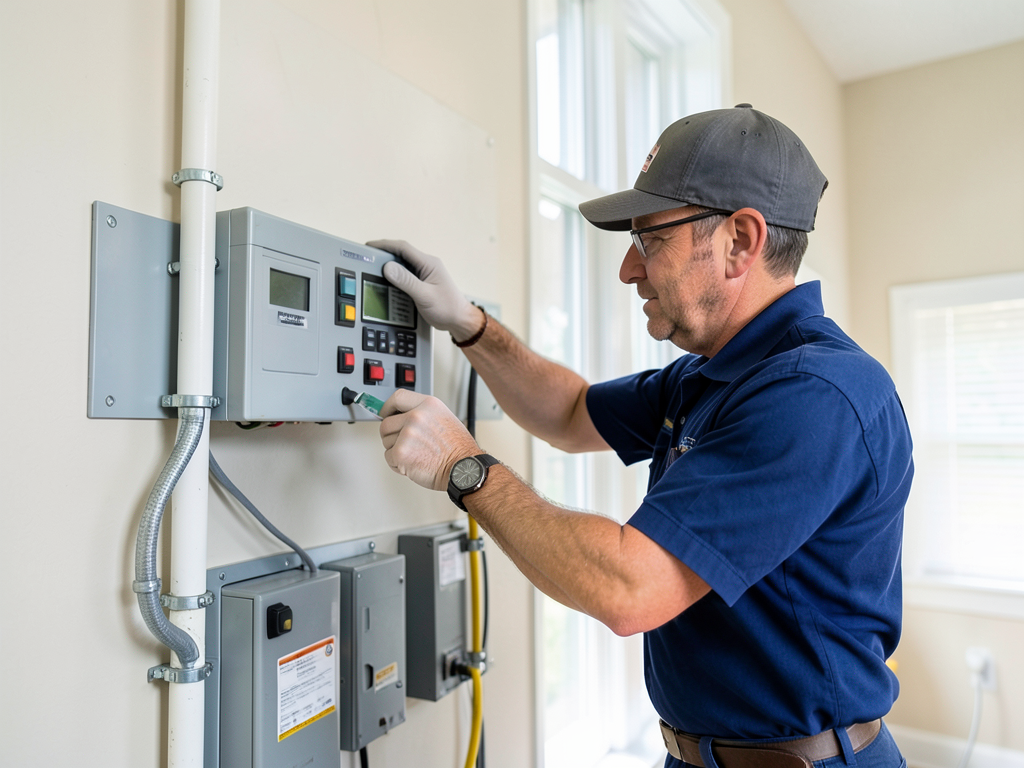
Our technicians carry comprehensive diagnostic equipment. Digital manifold gauges measure refrigerant pressures across both high and low sides of your system. Infrared thermometers identify temperature splits at evaporator coils. Multimeters test capacitor microfarads, contactor voltage drops, and compressor windings. We find the failure point in minutes, not hours.

Kansas City's building stock spans eight decades. We see everything from 1940s gravity furnaces with add-on cooling to modern variable-speed inverter systems. Our trucks stock universal capacitors from 5 to 80 microfarads, contactors rated for single-phase residential and three-phase commercial applications, and TXV valves for R-22 and R-410A systems. We carry blower motors in three common sizes and replacement filters for standard and oversized returns.

When refrigerant leaks occur, we locate them using electronic leak detectors and nitrogen pressure testing. We repair the leak before we recharge the system. Adding refrigerant without fixing the leak wastes your money and guarantees another failure within weeks.

Compressor failures require different protocols. We verify the failure through amp draw testing and winding resistance checks. We explain whether replacement makes economic sense based on your system's age and efficiency. We provide options, not sales pressure.

Electrical issues demand careful attention. We check voltage at the disconnect, test the breaker for resistance, and verify proper wire gauge for the amperage load. Undersized wire causes voltage drop that starves the compressor and shortens its life.

We fix it right because shortcuts create callbacks. You get urgent cooling repair that lasts.

What Happens When You Call for Emergency Cooling

Rapid Response Cooling in Kansas City – Your AC Restored in 90 Minutes or Less
01

Immediate Dispatch and Arrival

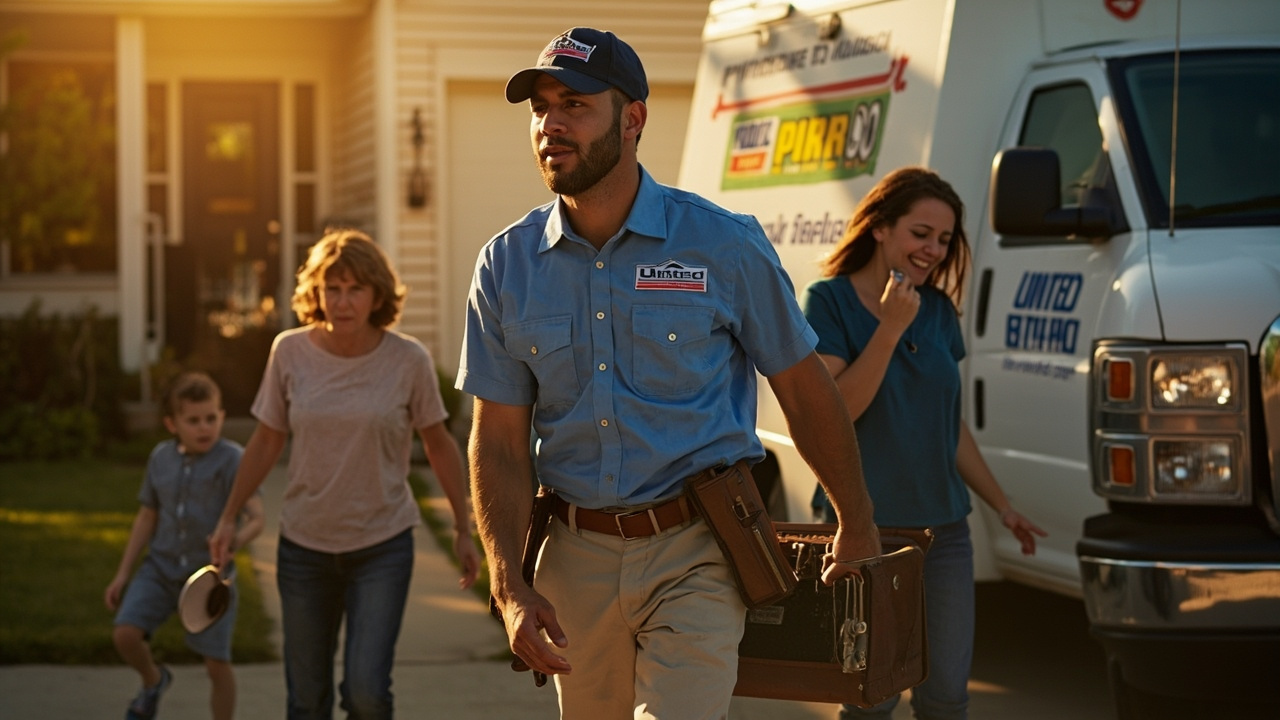
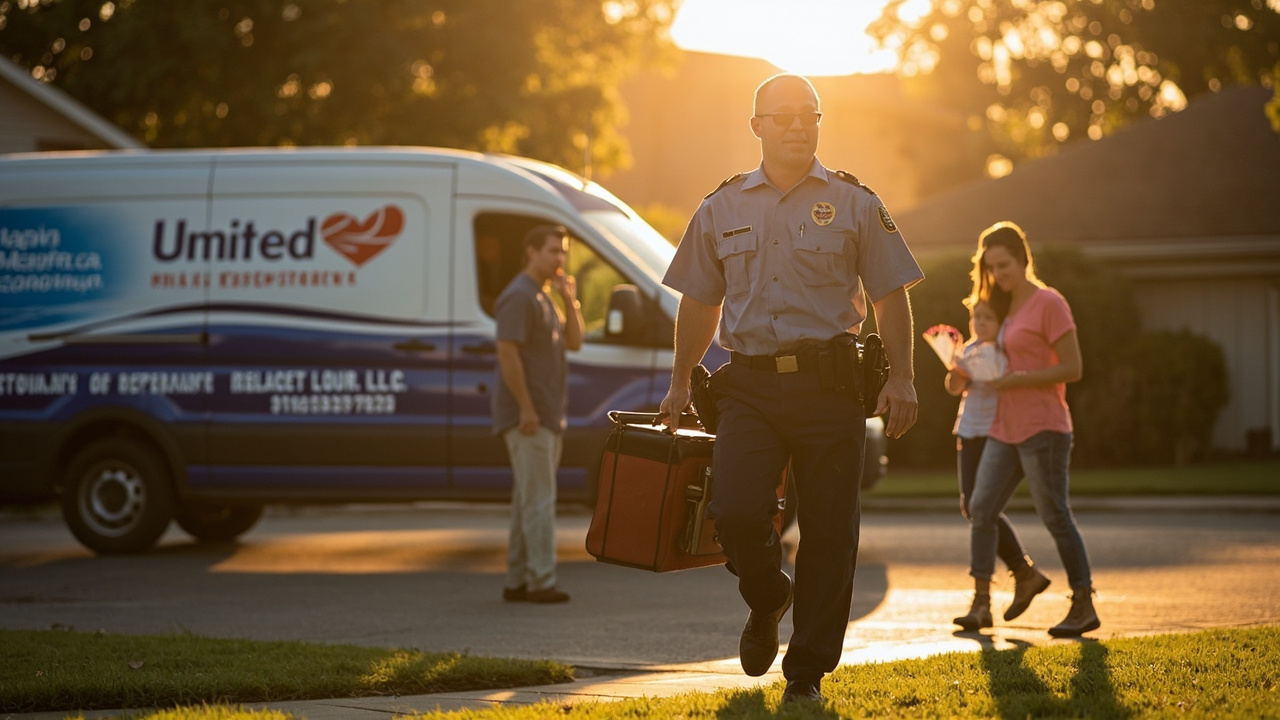
You call our emergency line at (816) 473-9177. We answer immediately, not through an automated system. Within five minutes, a technician receives your address and begins driving. Most Kansas City metro locations receive service within 60 to 90 minutes. We text you the technician's name, photo, and estimated arrival time so you know exactly when help arrives.
02

Complete System Diagnostics

The technician inspects your outdoor condenser, indoor air handler, thermostat wiring, and electrical connections. Testing reveals whether you face a simple capacitor failure or a more complex issue. We explain what failed, why it failed, and what it takes to fix it. You receive a flat-rate price before any work begins. No surprises, no time-and-materials billing that spirals out of control.
03

Repair and Cooling Restoration

Once you approve the repair, we complete the work immediately. Capacitor replacements take 15 minutes. Refrigerant leak repairs and recharges require 60 to 90 minutes. Blower motor replacements take about two hours. We test the system through a complete cooling cycle, verify proper airflow at your registers, and confirm your thermostat reaches your set temperature. Your home cools down fast.

Why Kansas City Trusts United HVAC for 24/7 Cooling Repair

Emergency HVAC cooling requires more than a truck and tools. You need technicians who understand how Kansas City's climate affects your system and know which repairs hold up under local conditions.

We stock parts for the equipment actually installed in Kansas City homes. Builders in Overland Park subdivisions favored Carrier and Bryant systems in the 2000s. Johnson County tract homes from the 1980s run Trane units. Historic neighborhoods near Westport and the Crossroads feature add-on cooling to older forced-air furnaces. We know what breaks on these systems and carry the parts that fix them.

Our technicians train continuously on refrigerant regulations, electrical safety, and mechanical troubleshooting. We follow EPA Section 608 protocols for refrigerant recovery and charging. We adhere to NEC wire sizing standards for compressor circuits. We understand Kansas City's mechanical code requirements for condensate drainage and clearance specifications.

You face risk when you hire the cheapest option during an emergency. Untrained technicians overcharge refrigerant, damaging your compressor. They bypass safety controls instead of replacing failed components. They use undersized wire that creates fire hazards. They disappear after collecting payment.

United HVAC Kansas City operates under a real business license with verifiable credentials. You can check our reputation through local reviews and references. We answer our phones after the repair is complete. We stand behind our work because we plan to serve Kansas City families for decades, not just until the check clears.

Emergency service reveals a company's true character. We prove ours every time we arrive at your door with the right parts, the right knowledge, and the commitment to restore your cooling fast.

What You Can Expect from Our Emergency Service

Response Time and Availability

We answer emergency calls 24 hours a day, seven days a week, including holidays. Most Kansas City metro addresses receive service within 60 to 90 minutes of your call. We prioritize health and safety emergencies, including homes with infants, elderly residents, or medical equipment requiring climate control. Weekend and holiday response carries the same commitment as weekday service. You receive a text with your technician's arrival window, name, and photo. We respect your time by showing up when promised.

Diagnostic Process and Transparency

Diagnostic testing identifies the exact failure point. We show you the failed component when possible. Capacitors display bulging casings or leaking oil. Contactors show pitted or welded contacts. Refrigerant leaks reveal themselves through oil staining. You see what failed, not just hear about it. We explain whether the repair extends your system's life or whether replacement makes better economic sense based on age and efficiency. Flat-rate pricing means you approve the total cost before work begins.

Repair Quality and Results

We use OEM or equivalent-quality replacement parts, not economy-grade components that fail within months. Capacitors meet or exceed the original microfarad ratings. Contactors match the voltage and amperage specifications. Refrigerant charging follows manufacturer superheat and subcooling targets, verified with calibrated gauges. Electrical connections receive proper torque and anti-oxidant paste. We test the complete system through multiple cooling cycles before we leave. Your home reaches your thermostat setting. Your registers deliver strong, cold airflow. The system runs quietly without unusual vibration or noise.

Follow-Up and Ongoing Support

Emergency repairs come with parts and labor coverage that protects your investment. We call within 48 hours to verify your system continues operating correctly. If you experience any issues related to the emergency repair, we return immediately at no additional charge. Beyond the emergency fix, we provide honest assessments about your system's remaining lifespan and maintenance needs. Some repairs buy you years of additional service. Others signal that replacement planning should begin. We help you make informed decisions, not rushed ones.

Frequently Asked Questions

You Have Questions,
We Have Answers

What does rapid cooling mean? +

Rapid cooling refers to quickly lowering your indoor temperature after your AC has been off or your home has overheated. When Kansas City summer heat spikes above 95 degrees, your system works harder to catch up. You set your thermostat down gradually, not all at once, to avoid overworking the compressor. Drop the temperature 3 to 5 degrees at a time, waiting 30 minutes between adjustments. This prevents frozen coils and compressor failure. If your AC struggles to cool during extreme heat or high humidity days, you need emergency service now to avoid total system failure.

What is the $5000 AC rule? +

The $5,000 AC rule refers to the IRS Section 179 tax deduction threshold for business property, but many homeowners confuse it with residential HVAC replacement decisions. When your repair costs exceed 50 percent of a new system's price, replacement makes more financial sense than patching an old unit. In Kansas City, where summer humidity strains aging equipment, a 15-year-old system needing a $2,500 compressor replacement should be replaced entirely. The rule helps you decide when to stop throwing money at emergency repairs and invest in reliable cooling before the next heatwave hits.

What is the 3 minute rule for AC? +

The 3-minute rule protects your AC compressor from short cycling damage. After your system shuts off, wait at least 3 minutes before restarting it. This allows refrigerant pressure to equalize inside the compressor. Restarting too quickly forces the motor to work against high pressure, causing overheating and premature failure. Kansas City's fluctuating summer temperatures can trigger frequent cycling if your thermostat is too sensitive. If your unit constantly starts and stops within minutes, you have a serious problem requiring immediate attention. Short cycling destroys compressors fast, turning a minor issue into a $2,000 emergency replacement.

What is the average price for an HVAC service call? +

HVAC service calls in Kansas City range from $89 to $200 for the diagnostic visit, depending on time of day and emergency status. After-hours or weekend emergency calls cost more than scheduled appointments. This fee covers the technician's travel, inspection, and diagnosis. Actual repairs cost extra based on parts and labor. During peak summer months when temperatures exceed 95 degrees, emergency service demand spikes, increasing wait times and costs. If your AC fails on a 100-degree day, expect premium pricing for same-day service. Preventive maintenance visits cost less and prevent expensive emergency breakdowns during Kansas City's brutal heat.

At what temperature do you stop rapid cooling? +

Stop rapid cooling when your indoor temperature reaches 78 degrees. Pushing your system below this threshold during extreme outdoor heat above 95 degrees risks frozen evaporator coils and compressor damage. Kansas City's summer humidity makes your AC work harder to remove moisture, not just heat. If outdoor temperatures hit 100 degrees, your system can only cool about 20 degrees below that without strain. Expecting 68-degree comfort when it is 105 outside will break your unit. Set realistic expectations during heatwaves. If your home will not cool to 78 degrees, you have an emergency requiring immediate professional repair.

When should you not use evaporative cooling? +

Do not use evaporative cooling when Kansas City humidity exceeds 50 percent, which happens frequently during summer months. Evaporative coolers add moisture to air, making muggy conditions unbearable and promoting mold growth inside your home. They only work in dry climates like Arizona or New Mexico. Our Midwest humidity renders them useless and uncomfortable. If you have respiratory issues, evaporative cooling worsens indoor air quality. Stick with refrigerant-based AC systems designed for humid climates. If your current system fails during a humid heatwave, you need emergency refrigerant-based cooling restoration now, not a swamp cooler bandaid that will not work here.

Can I write off my new AC unit on my taxes? +

You can write off a new AC unit if you install qualifying energy-efficient equipment under federal tax credits, currently offering up to $2,000 for high-efficiency systems through the Inflation Reduction Act. The unit must meet specific SEER2 ratings. Keep all receipts and manufacturer certifications. Business owners can deduct HVAC as a capital expense or Section 179 deduction. Consult your tax professional for current rules, as credits change yearly. Kansas City homeowners replacing failed emergency systems should ask contractors about qualifying models before purchase. Energy-efficient units also lower monthly utility bills, providing ongoing savings beyond the one-time tax benefit.

Does keeping the AC at 72 save money? +

Keeping your AC at 72 degrees does not save money compared to 78 degrees. Each degree below 78 increases energy consumption by 3 to 5 percent. During Kansas City's humid summer, running your system at 72 constantly strains the compressor and spikes your electric bill by 20 to 30 percent monthly. The harder your system works, the faster components wear out, leading to emergency repairs. Set your thermostat to 78 when home, 82 when away. Use ceiling fans to improve comfort without lowering temperature. If you cannot stay comfortable at 78 degrees, your system is undersized or failing, requiring immediate professional evaluation.

Is it better to oversize or undersize an AC unit? +

Never oversize an AC unit. Bigger is not better for cooling equipment. Oversized systems short cycle, turning on and off constantly without running long enough to remove humidity. Kansas City's summer humidity requires proper dehumidification, which only happens during long run cycles. Short cycling wastes energy, increases wear, and leaves your home feeling clammy. Undersized units run continuously during peak heat but cannot reach set temperature, causing premature failure. Proper load calculation based on your home's square footage, insulation, window exposure, and ductwork determines correct sizing. Emergency replacements done without load calculations often create new problems requiring costly corrections.

How cool should my house be if it's 100 outside? +

Your house should stay between 75 and 80 degrees when outdoor temperatures hit 100 degrees. AC systems can reliably cool about 20 degrees below outdoor temperature. Expecting 68-degree comfort during Kansas City heatwaves overworks your compressor, risks frozen coils, and guarantees breakdown. High humidity adds strain because your system removes moisture and heat simultaneously. If your home will not cool to 80 degrees during extreme heat, you have refrigerant loss, ductwork leaks, or failing components requiring emergency repair. Use fans, close blinds, and avoid heat-generating activities during peak afternoon hours. Unrealistic temperature expectations destroy equipment fast.

Why Kansas City's Summer Heat Makes Rapid Response Cooling Critical

Kansas City's location at the convergence of hot southern air and humid Gulf moisture creates brutal summer conditions. Average July temperatures reach 90 degrees, but heat index values climb above 105 when humidity exceeds 60 percent. Heat waves stretch five to seven days with overnight lows barely dropping below 75 degrees. Your air conditioner runs 18 to 20 hours daily during peak summer, pushing older systems past their design limits. Compressors overheat. Blower motors wear out. Capacitors fail from sustained electrical load. When breakdown occurs during a heat wave, indoor temperatures climb to dangerous levels within three hours. Children and elderly residents face heat exhaustion risk. Pets suffer in confined spaces. Secondary damage begins as humidity condenses on walls and ceilings.

United HVAC Kansas City maintains relationships with parts suppliers across the metro, from Lee's Summit to Lenexa. We source emergency components locally, not from distant warehouses requiring overnight shipping. Our familiarity with Kansas City's housing stock matters during emergencies. We know the R-22 systems common to homes built before 2010 and understand conversion options when those systems fail. We recognize the ductwork configurations typical to ranch homes in Raytown and the zoning challenges in two-story builds throughout Olathe. Local expertise means faster diagnosis and permanent repairs that account for how your specific home and equipment respond to Kansas City's climate demands.

HVAC Services in The Kansas City Area

View our service area and business location on the map below. We are proud to serve the entire Kansas City metro area, providing expert heating and cooling services to both residential and commercial clients. If you need a reliable HVAC partner, we are conveniently located to respond quickly to your needs, ensuring your indoor comfort is always our top priority.

Address:
United HVAC Kansas City, 1425 Agnes Ave, Kansas City, MO, 64127

Additional Services We Offer

Our news updates

Latest Articles & News from The Blogs

Essential HVAC Safety Tips for Families with Toddlers and Crawling Babies in Lenexa\n\nDoes your crawling baby seem magnetically drawn to…

Essential HVAC Safety Tips for Families with Toddlers and Crawling Babies in Lenexa

Essential HVAC Safety Tips for Families with Toddlers and Crawling Babies in Lenexa\n\nDoes your crawling baby seem magnetically drawn to…

Why Your Master Bedroom Is Always the Hardest Room to Cool in Your Olathe Two Story

Your Olathe two-story home was built for comfort, but your master bedroom still feels like a sauna while the downstairs…

How Shifting Kansas City Clay Soil Can Actually Damage Your Underground Ductwork

How Shifting Kansas City Clay Soil Can Actually Damage Your Underground Ductwork Kansas City’s expansive clay soil shifts dramatically with…

Contact Us

Your family cannot wait in dangerous heat. Call United HVAC Kansas City at (816) 473-9177 right now for immediate emergency cooling service. We dispatch within minutes and arrive within 90 minutes across the Kansas City metro. Stop suffering and start cooling.