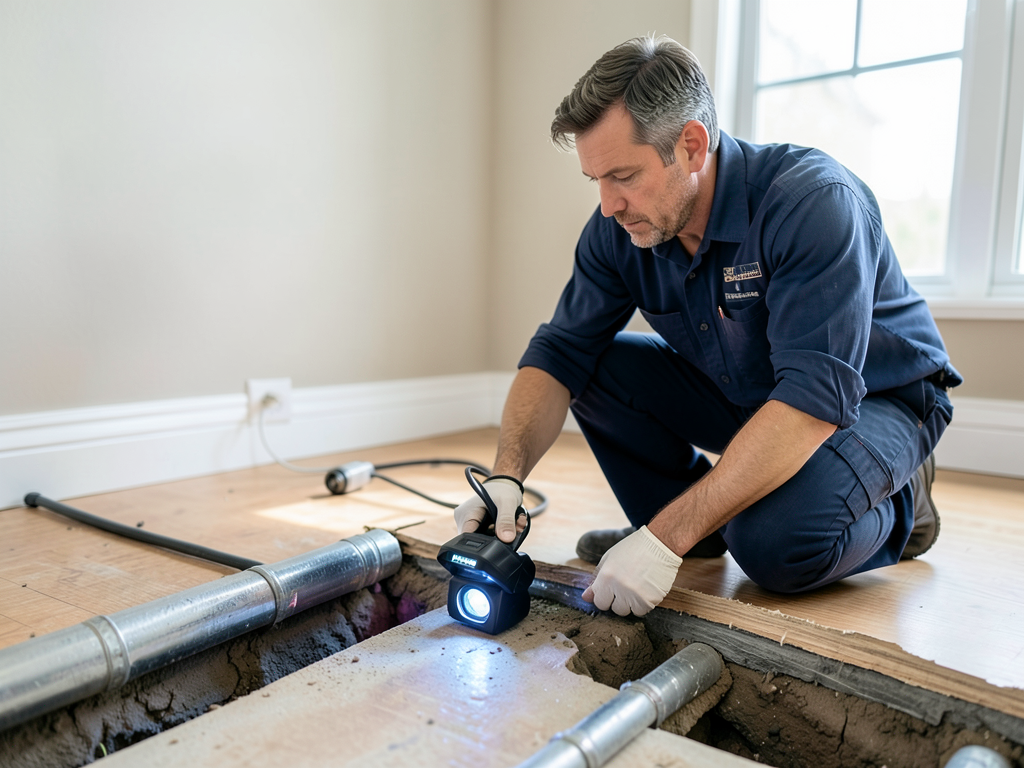








Kansas City averages 75 to 85 percent relative humidity during summer months, with dew points regularly reaching the mid-70s. Your air conditioner removes this moisture as it cools, generating gallons of condensate daily that must drain properly. When drain lines clog or drain pans crack, water sits stagnant inside your system. Dark evaporator coil cabinets provide perfect conditions for mold and bacterial growth. The musty smell you notice is actually airborne mold spores and bacterial metabolites circulating through your ductwork into your living space. This is not just unpleasant but potentially harmful to respiratory health.
United HVAC Kansas City has diagnosed and eliminated mold-related odors in hundreds of local homes from Overland Park to Gladstone. We understand which coil cabinet designs trap moisture, which duct configurations create condensation issues, and how Kansas City's construction methods affect indoor air quality. Our technicians recognize the difference between surface dust on a coil and actual biological growth requiring remediation. When you choose a local company with specific experience in Kansas City's climate challenges, you get accurate diagnosis instead of generic guesswork.