





Menu

HVAC Maintenance & Tune-Ups in Kansas City – Keep Your System Running Through Midwest Temperature Swings

Preventative HVAC maintenance designed for Kansas City's extreme seasonal shifts protects your system from stress fractures, refrigerant loss, and compressor failure before they turn into expensive emergency repairs.

Slider Image 1
Slider Image 2
Slider Image 3
Slider Image 4
Slider Image 5
Slider Image 7
Slider Image 8
Slider Image 9
Slider Image 10
Slider Image 11

Why Kansas City HVAC Systems Break Down Without Regular Tune-Ups

Kansas City forces your HVAC system to work harder than systems in mild climates. Summer heat pushes your AC into overdrive while winter lows test your furnace's durability. The real damage happens during the transition months when humidity swings stress seals, expand metal components, and accelerate wear on fan motors.

Most homeowners in Brookside or Waldo call us after their system quits during a July heatwave or a January cold snap. By then, a simple worn capacitor has escalated into a compressor replacement. A dirty flame sensor has turned into a cracked heat exchanger. The pattern repeats because systems fail when demand peaks.

HVAC preventative maintenance stops this cycle. Seasonal HVAC check ups catch refrigerant leaks before your compressor burns out trying to compensate. AC and furnace maintenance identifies loose electrical connections that cause shorts during high draw periods. A heating and cooling tune up measures airflow and pressure drops that signal duct leaks or clogged filters.

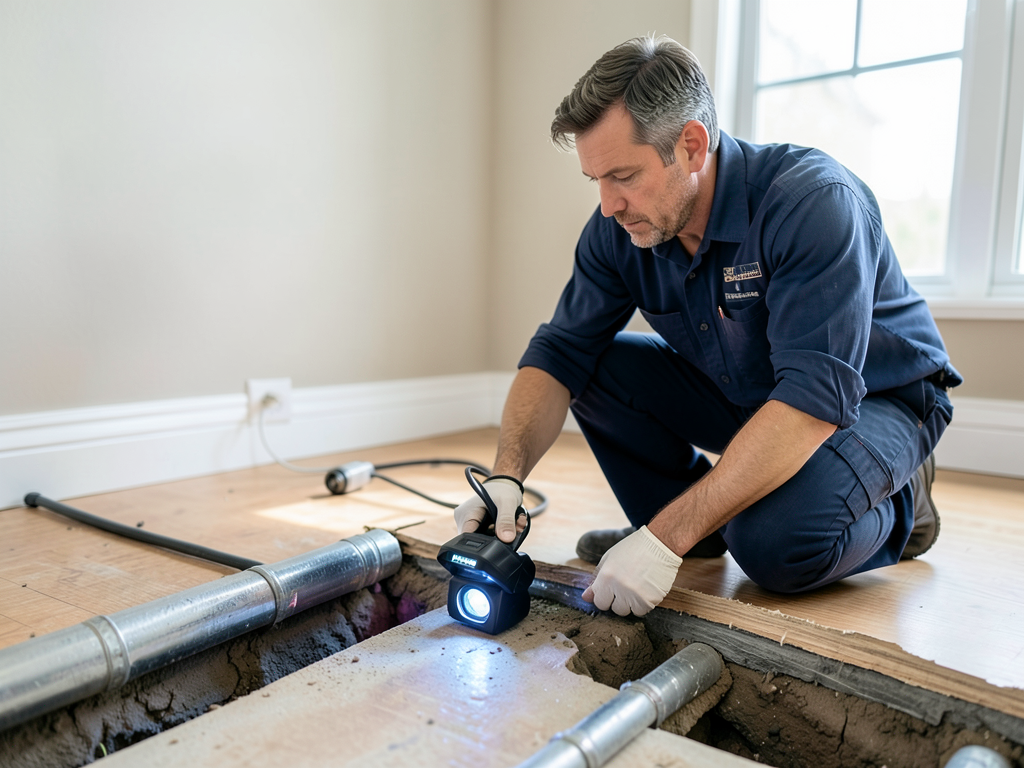
Kansas City's clay soil also shifts foundations enough to stress ductwork connections. We see separated joints and crushed flex ducts in crawl spaces across Mission Hills and Prairie Village. Poor airflow forces your blower motor to work harder, shortening its lifespan and increasing your energy bills.

HVAC system inspection addresses these local stressors before they compound. You avoid emergency service calls and extend equipment life by addressing small issues during scheduled maintenance visits.

Why Kansas City HVAC Systems Break Down Without Regular Tune-Ups
What a Complete HVAC Tune-Up Covers

What a Complete HVAC Tune-Up Covers

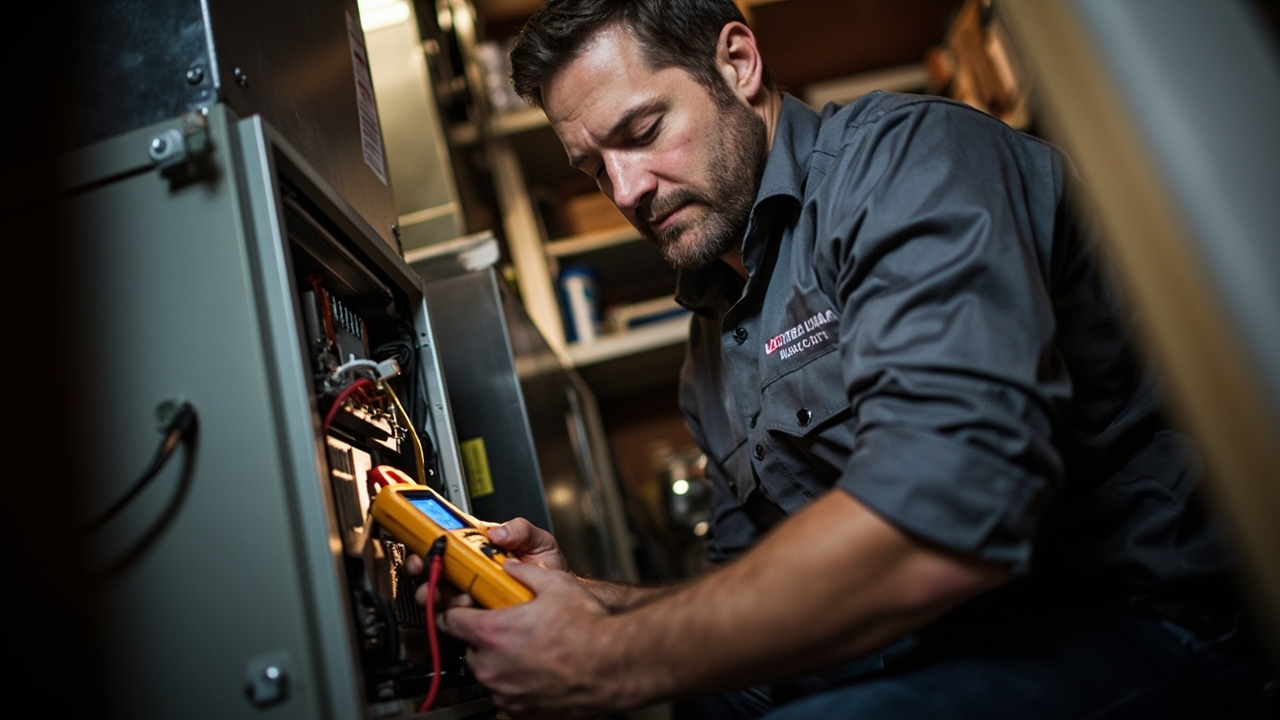
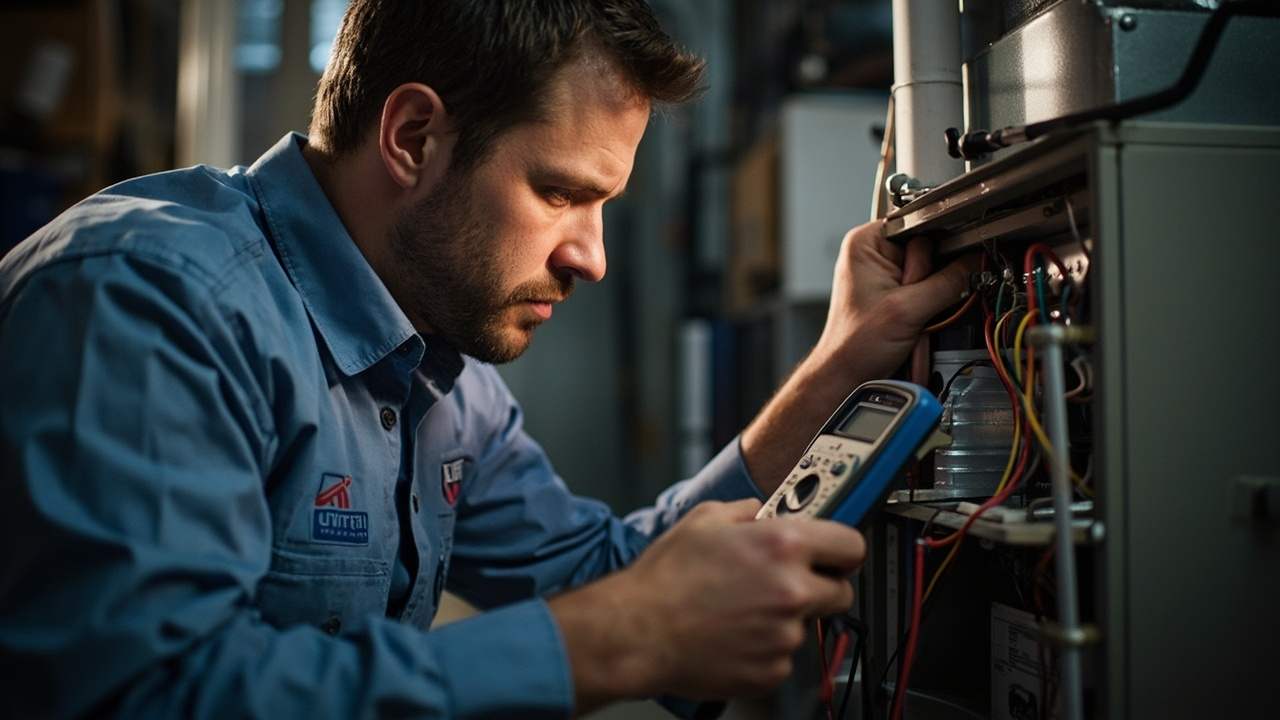
United HVAC Kansas City performs diagnostic testing that reveals system health before components fail. We measure refrigerant charge with manifold gauges, checking superheat and subcooling against manufacturer specifications. Low refrigerant indicates a leak. High superheat points to a restriction. These measurements prevent compressor damage.

We inspect electrical connections with thermal imaging to identify hot spots before wires melt. Loose connections create resistance, generate heat, and trip breakers during peak demand. Tightening terminals and replacing worn contactors during a tune up prevents mid-summer failures.

Combustion analysis on gas furnaces measures carbon monoxide levels and flame characteristics. We check for proper draft, inspect heat exchangers for cracks, and test pressure switches that prevent unsafe operation. A cracked heat exchanger allows carbon monoxide into your home. We catch this during HVAC preventative maintenance, not after symptoms appear.

Condenser coil cleaning removes cottonwood seeds and pollen that blanket outdoor units every spring in Kansas City. Dirty coils reduce heat transfer efficiency, forcing your compressor to run longer and hotter. We use coil cleaners and soft brushes to restore airflow without damaging fragile aluminum fins.

Blower wheel cleaning improves airflow and reduces noise. Dust buildup on fan blades creates imbalance, causing vibration and premature bearing failure. We remove the blower assembly, clean each blade, and verify proper motor amperage.

Drain line flushing prevents clogs that cause water damage. Kansas City's humidity produces gallons of condensate. Algae and mold grow in drain pans and lines, creating blockages that overflow into ceilings or floors. We flush lines with tablets that prevent growth between visits.

How We Handle Your HVAC Tune-Up Appointment

HVAC Maintenance & Tune-Ups in Kansas City – Keep Your System Running Through Midwest Temperature Swings
01

System Performance Testing

We start every seasonal HVAC check up by running your system through a complete cycle while measuring performance metrics. Temperature splits, static pressure readings, and amp draws tell us if your system operates within design parameters. We compare current readings to baseline data from previous visits to identify degradation trends. This diagnostic approach catches problems like failing capacitors, restricted airflow, or refrigerant loss before they cause breakdowns.
02

Component Inspection and Cleaning

After testing, we move through each system component with a detailed checklist. Electrical connections get tightened and tested for voltage drops. Moving parts get lubricated. Heat exchangers and evaporator coils get inspected with cameras and flashlights. Filters get replaced. Condensate drains get flushed. We clean burner assemblies and check flame sensors for carbon buildup. This hands-on inspection reveals wear patterns and potential failures that diagnostic testing misses.
03

Documentation and Recommendations

You receive a detailed report showing what we found, what we corrected, and what needs attention in the future. We document refrigerant pressures, electrical readings, and airflow measurements so you have a service history that helps with warranty claims and future troubleshooting. If we find components approaching end of life, we explain the risk and provide options. You make informed decisions about repairs before they become emergencies.

Why Kansas City Residents Choose United HVAC for Maintenance

We understand how Kansas City's climate stresses HVAC systems because we work on them year-round across every neighborhood from Northland to Leawood. Our technicians know that homes in older neighborhoods like Hyde Park need different attention than newer construction in Olathe. Foundation settling, outdated ductwork, and undersized equipment create unique challenges.

United HVAC Kansas City technicians carry diagnostic tools that most maintenance providers skip. Manifold gauges, combustion analyzers, and thermal cameras cost money and require training. We invest in both because accurate diagnosis prevents comebacks and protects your investment. When we tell you a component needs replacement, you see the data that supports the recommendation.

We also understand local code requirements. Kansas City updated mechanical codes in recent years regarding carbon monoxide detection and refrigerant handling. Our heating and cooling tune up service includes compliance checks that protect you during home sales or insurance claims. Improperly installed equipment or unpermitted modifications create liability. We document everything.

Your maintenance visit does not turn into a high-pressure sales call. We explain what your system needs and why, then let you decide. If your 15-year-old furnace still performs within specifications, we tell you. If a heat exchanger shows early signs of stress, we explain the timeline and risk. You get honest assessment based on measurable data.

We also provide maintenance agreements that lock in pricing and guarantee priority service during peak seasons. Members get scheduled tune-ups before problems develop and receive discounts on repairs if something unexpected happens. Maintenance agreements pay for themselves in reduced energy costs and extended equipment life.

What to Expect During Your HVAC Maintenance Visit

Service Timing and Scheduling

A complete AC and furnace maintenance visit takes 90 to 120 minutes depending on system complexity and accessibility. We schedule appointments in two-hour windows to avoid rushing through critical checks. You receive a confirmation call the day before and a text when your technician is en route. We work around your schedule and provide same-week appointments during shoulder seasons. Spring and fall are ideal times for preventative work because we can test both heating and cooling modes without weather emergencies competing for our time.

Diagnostic Process and Findings

Your technician walks you through findings in real-time if you are home. We show you dirty components, explain unusual readings, and demonstrate problems with photos or video. You see exactly what we see. If we discover safety issues like cracked heat exchangers or reversed polarity, we explain the immediate risk and options. Non-critical findings get documented for future reference. You receive a printed checklist showing completed tasks and system measurements. This documentation helps track system health over time and provides proof of maintenance for warranty claims.

Performance Improvement Results

Most homeowners notice improved comfort immediately after an HVAC system inspection and tune-up. Better airflow means more consistent temperatures between rooms. Clean coils and proper refrigerant charge reduce cycling and lower energy consumption. Lubricated motors run quieter. Tightened ductwork eliminates whistling and rattling. We measure temperature splits and airflow before and after service so you can see the improvement in system performance. Regular maintenance typically reduces energy costs by 10 to 20 percent compared to neglected systems because every component operates at design efficiency.

Ongoing Support and Follow-Up

We keep detailed service records in our system so every technician who visits your home knows your equipment history. You receive reminder calls when seasonal tune-ups are due. If something fails between maintenance visits, we reference our previous findings to speed up diagnosis and avoid redundant testing. Maintenance customers get priority scheduling during peak demand periods when non-contract customers wait days for service. We also provide filter replacement reminders based on your system type and home conditions. Consistent maintenance builds a relationship where we understand your equipment and you trust our recommendations.

Frequently Asked Questions

You Have Questions,
We Have Answers

What does an HVAC tune-up consist of? +

An HVAC tune-up includes a thorough inspection of your heating and cooling system. A technician checks your thermostat calibration, tightens electrical connections, lubricates moving parts, and inspects the condensate drain. They clean or replace air filters, test refrigerant levels, examine the heat exchanger for cracks, and check airflow across the evaporator coil. In Kansas City, where humidity swings stress systems year-round, technicians also inspect ductwork for leaks and test both heating and cooling modes. The goal is to catch small issues before they become expensive breakdowns and keep your system running efficiently through our hot summers and cold winters.

What is the average cost of an HVAC tune-up? +

HVAC tune-up costs vary based on system type and service scope. You can expect to pay more for dual-fuel systems or if your unit requires refrigerant adjustments. Many Kansas City contractors offer maintenance plans that bundle seasonal tune-ups at a lower rate than individual visits. The investment pays off through lower energy bills and fewer emergency repairs. Spring and fall tune-ups cost less than emergency service calls during July heat waves or January cold snaps. Get quotes from local providers and ask what the inspection includes. A comprehensive tune-up costs more upfront but saves money long-term.

What is the $5000 rule for HVAC? +

The 5000 rule helps you decide between repairing or replacing your HVAC system. Multiply the age of your unit by the repair cost. If the result exceeds 5000, replacement makes more financial sense. For example, a 15-year-old system needing a 400 repair equals 6000, suggesting replacement. In Kansas City, where temperature extremes work systems hard, older units often struggle with efficiency. Consider energy savings from newer models and the frequency of recent repairs. This rule is a guideline, not absolute. Factor in your system's maintenance history and whether parts are still available for older units before deciding.

Is an HVAC tune-up necessary? +

Yes, HVAC tune-ups are necessary for system longevity and efficiency. Kansas City's climate demands a lot from your equipment. Hot, humid summers force air conditioners to run constantly, while cold winters stress furnaces. Regular maintenance catches worn components before they fail, preventing expensive emergency repairs. Clean systems run more efficiently, lowering your energy bills. Neglected systems accumulate dust and debris, reducing airflow and forcing components to work harder. This shortens equipment life and creates indoor air quality issues. Most manufacturers require annual maintenance to keep warranties valid. Skipping tune-ups saves money now but costs more later through premature replacement.

What is the average cost of a full tune-up? +

A full HVAC tune-up cost depends on your system configuration and what services are included. Single-zone systems cost less than multi-zone setups. Expect to pay more if you need both heating and cooling inspected in one visit. Kansas City homeowners often save by purchasing annual maintenance agreements that include spring and fall tune-ups at a bundled rate. These plans typically cover filter changes, priority scheduling, and discounts on repairs. A comprehensive tune-up addresses both the indoor and outdoor units, checks ductwork, tests safety controls, and verifies proper refrigerant levels. Compare local providers and ask for detailed service lists.

How often should you get a tune-up on your HVAC system? +

You should schedule HVAC tune-ups twice per year. Service your air conditioner in spring before Kansas City's heat arrives and your furnace in fall before winter cold sets in. This timing catches problems before you need the system most. Homes with heat pumps benefit from biannual maintenance since these systems work year-round. Older systems or homes with pets may need more frequent filter changes between professional visits. Consistent maintenance prevents breakdowns during temperature extremes when technicians are busiest and wait times are longest. Mark your calendar for April and October to stay ahead of seasonal demands.

What is the 3 minute rule for AC? +

The 3 minute rule protects your air conditioner's compressor from damage. After your AC shuts off, wait at least 3 minutes before restarting it. This allows refrigerant pressure to equalize throughout the system. Restarting too quickly forces the compressor to work against high pressure, which can damage internal components or trip the circuit breaker. In Kansas City's stop-and-go weather during spring and fall, when your thermostat may cycle frequently, this rule matters. Modern thermostats often have built-in delay timers. If you manually control your system, always wait the full 3 minutes between cycles to protect your investment.

What does HVAC maintenance include? +

HVAC maintenance includes inspecting, cleaning, and adjusting your heating and cooling system. Technicians examine electrical connections, test capacitors, measure refrigerant charge, and inspect the heat exchanger. They clean condenser coils, check blower motor operation, lubricate bearings, and verify thermostat accuracy. In Kansas City, where humidity affects indoor comfort, technicians also inspect condensate drains and pans for clogs. Maintenance includes testing safety controls, checking gas pressure on furnaces, measuring airflow, and inspecting ductwork for leaks. Filter replacement or cleaning is standard. The service identifies worn parts before they fail and optimizes system performance for our climate extremes.

What is a pre season HVAC tune-up? +

A pre-season HVAC tune-up prepares your system before heavy usage begins. Spring tune-ups focus on air conditioning, checking refrigerant levels, cleaning coils, and testing cooling capacity before Kansas City's summer heat arrives. Fall tune-ups concentrate on furnaces, inspecting heat exchangers, testing ignition systems, and verifying safe operation before winter cold. Pre-season maintenance catches problems when technicians have availability, not during emergency breakdowns in extreme weather. You get faster service, better scheduling options, and lower rates than peak-season emergency calls. This proactive approach prevents system failures when you need heating or cooling most and extends equipment life through proper preparation.

What is the average lifespan of an HVAC? +

The average HVAC system lasts 15 to 20 years with proper maintenance. Kansas City's climate extremes can shorten this lifespan if systems are neglected. Furnaces often outlast air conditioners because they run fewer hours annually. Heat pumps may need replacement sooner since they operate year-round. Quality matters. Budget systems may fail earlier, while premium equipment with regular tune-ups can exceed 20 years. Factors affecting lifespan include installation quality, maintenance frequency, system sizing, and how hard the unit works. Annual tune-ups, prompt repairs, and clean filters significantly extend equipment life. Plan for replacement when efficiency drops or repairs become frequent.

How Kansas City's Temperature Extremes Impact HVAC Maintenance Needs

Kansas City regularly sees 100-degree summer days and sub-zero winter nights, forcing HVAC systems through temperature swings that exceed 100 degrees across seasons. This thermal cycling expands and contracts metal components, stresses rubber seals, and accelerates refrigerant leaks. Compressors work harder during extreme heat, increasing amperage draw and shortening lifespan. Furnaces cycle more frequently during bitter cold, wearing out ignitors and gas valves. HVAC preventative maintenance must address these stress patterns by checking components that fail under extreme load. We focus on capacitor health, refrigerant charge accuracy, and heat exchanger integrity because these components fail first when systems operate at temperature extremes.

Local HVAC expertise matters in Kansas City because regional equipment preferences and installation practices differ from other markets. Many homes here use horizontal furnaces in crawl spaces or attics rather than basement installations common in northern states. These locations create unique maintenance challenges around condensate drainage, ductwork support, and accessibility. United HVAC Kansas City technicians understand these local installation patterns and know where problems typically develop. We also stay current on Kansas City code requirements for carbon monoxide detection and ventilation that protect your family and maintain compliance during home sales or insurance inspections.

HVAC Services in The Kansas City Area

View our service area and business location on the map below. We are proud to serve the entire Kansas City metro area, providing expert heating and cooling services to both residential and commercial clients. If you need a reliable HVAC partner, we are conveniently located to respond quickly to your needs, ensuring your indoor comfort is always our top priority.

Address:
United HVAC Kansas City, 1425 Agnes Ave, Kansas City, MO, 64127

Additional Services We Offer

Our news updates

Latest Articles & News from The Blogs

Essential HVAC Safety Tips for Families with Toddlers and Crawling Babies in Lenexa\n\nDoes your crawling baby seem magnetically drawn to…

Essential HVAC Safety Tips for Families with Toddlers and Crawling Babies in Lenexa

Essential HVAC Safety Tips for Families with Toddlers and Crawling Babies in Lenexa\n\nDoes your crawling baby seem magnetically drawn to…

Why Your Master Bedroom Is Always the Hardest Room to Cool in Your Olathe Two Story

Your Olathe two-story home was built for comfort, but your master bedroom still feels like a sauna while the downstairs…

How Shifting Kansas City Clay Soil Can Actually Damage Your Underground Ductwork

How Shifting Kansas City Clay Soil Can Actually Damage Your Underground Ductwork Kansas City’s expansive clay soil shifts dramatically with…

Contact Us

Do not wait for a breakdown during peak season. Call United HVAC Kansas City at (816) 473-9177 to schedule your heating and cooling tune up. We provide same-week appointments and detailed diagnostic testing that prevents expensive emergency repairs.