HVAC Tasks You Can Safely DIY (And When to Call an Expert in Overland Park)
Keeping your HVAC system running efficiently doesn’t always require a professional technician. Many simple maintenance tasks can help you save money and prevent costly breakdowns, especially in Overland Park where seasonal temperature swings put extra stress on heating and cooling equipment. This guide covers exactly what you can safely handle yourself and when it’s time to call an expert before a minor issue becomes a major emergency. Who to call for 24 hour emergency AC repair in Shawnee when the heat index spikes.
Before we dive into specific tasks, it’s important to understand that HVAC systems involve electrical components, gas lines, and high-pressure refrigerants. While basic maintenance is safe for most homeowners, certain repairs require specialized training, tools, and adherence to local building codes. The Kansas City Mechanical Code and EPA Section 608 regulations exist to protect your safety and ensure proper system operation. EPA Section 608 regulations.
Why DIY HVAC Maintenance Makes Sense in Overland Park
Overland Park homeowners face unique challenges with our climate. Summer humidity often exceeds 70% while winter temperatures can drop below zero. These extreme conditions mean your HVAC system works harder than in many other regions, making regular maintenance crucial for efficiency and longevity.
Simple DIY tasks can reduce your energy bills by 5-15% annually while extending equipment life by several years. The key is knowing your limits and understanding when a problem requires professional diagnosis. A cracked heat exchanger or refrigerant leak can be dangerous if not handled properly, but changing a filter or cleaning vents poses minimal risk. ENERGY STAR program.
Essential Safety Precautions Before Starting Any HVAC Work
Safety must come first when working with any HVAC equipment. Always turn off power at the circuit breaker before opening any panels or working near electrical components. For gas furnaces, locate the gas shutoff valve and know how to use it in case of emergency. Same day furnace repair services for families in Lee’s Summit.
Carbon monoxide detectors should be installed on every level of your home, especially near bedrooms and the utility room. Test these detectors monthly and replace batteries annually. If you smell gas or suspect a leak, evacuate immediately and call Spire Energy’s emergency line at 1-800-582-7999.. Read more about What to do if You Smell Rotten Eggs Near Your Independence Furnace.
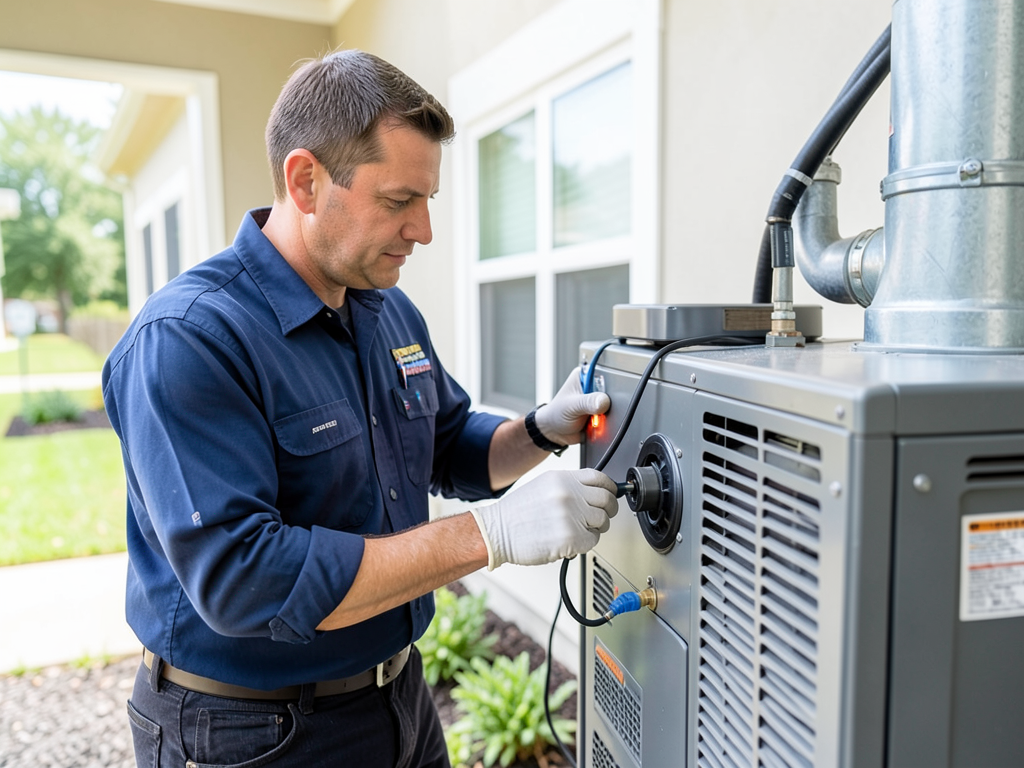
Wear safety glasses and work gloves when handling filters or cleaning components. Never work on your HVAC system while standing on wet surfaces or during electrical storms. If you’re unsure about any step, it’s better to call a professional than risk injury or equipment damage. Storm Damage HVAC Repair.
Tools and Supplies You’ll Need for Basic HVAC Maintenance
Most DIY HVAC tasks require minimal investment in tools. Start with a good quality flashlight, Phillips and flathead screwdrivers, and a socket set. A soft-bristle brush helps clean components without damaging delicate parts.
For air filter replacement, you’ll need the correct size filter for your system. Most Overland Park homes use 16x25x1 or 20x25x1 filters, but always check your current filter size before purchasing. MERV 8-11 filters work well for most homes, balancing filtration efficiency with airflow.. Read more about Why Thin Air Filters Might Be Killing the Blower Motor in Your Overland Park Furnace.
Other helpful supplies include a vacuum with hose attachment, microfiber cloths, mild detergent, and a thermometer for checking air temperatures. Consider investing in a programmable thermostat if you don’t already have one – it can save significant energy costs over time.
5 DIY Furnace Maintenance Steps You Can Do Yourself
Regular furnace maintenance prevents breakdowns during our harsh Kansas winters. These five tasks are safe for most homeowners and can be completed in under an hour.
First, replace your air filter every 1-3 months depending on usage and whether you have pets. A dirty filter restricts airflow, forcing your system to work harder and reducing efficiency. Slide out the old filter and insert the new one with airflow arrows pointing toward the blower motor.
Second, clean your floor registers and return air vents. Remove the covers and vacuum out dust and debris that can restrict airflow. Wash the covers with mild soap and water, then dry completely before reinstalling. This simple step improves both efficiency and indoor air quality.. Read more about How Fall Leaves and Debris Can Kill Your Mission Home’s Heat Pump.
Third, check and clean your thermostat. Remove the cover and gently clean contacts with a soft brush. If you have an older mercury thermostat, consider upgrading to a programmable or smart model. The energy savings typically pay for the upgrade within two years.
Fourth, inspect your furnace’s flame sensor. This small rod can accumulate buildup that prevents proper ignition. Turn off power, remove the sensor, and gently clean it with fine steel wool. Reinstall and restore power. If cleaning doesn’t solve ignition problems, call a professional – the issue may be more serious.
Fifth, check your condensate drain line for clogs. Pour a cup of white vinegar down the drain to prevent algae growth and maintain proper drainage. This is especially important in Overland Park’s humid climate where condensation is heavy during cooling season.
Air Conditioner DIY Maintenance You Can Safely Handle
Central air conditioning systems also benefit from regular DIY maintenance. These tasks help maintain efficiency and prevent common summer breakdowns. How to find a reliable air conditioning repair technician in Overland Park.
Start by cleaning or replacing your air filter. Just like with furnaces, a clean filter is crucial for proper airflow and system efficiency. During heavy cooling season, check your filter monthly rather than every three months.
Next, clear debris from around your outdoor condenser unit. Trim back vegetation at least two feet on all sides to ensure proper airflow. Use a garden hose to gently spray the condenser coils from the inside out, removing dirt and debris that reduces efficiency.
Check your condensate drain line regularly during cooling season. In Overland Park’s humid climate, these lines can clog quickly with algae growth. Pour a cup of vinegar down the line monthly to prevent blockages that can cause water damage.
Inspect your ductwork for visible leaks or damage. While you shouldn’t attempt to seal ducts yourself, identifying problem areas helps your technician target repairs. Look for disconnected sections or tears in exposed ductwork, especially in attics or crawl spaces.
Test your thermostat’s calibration by comparing displayed temperature with a separate thermometer placed nearby. If there’s more than a 3-degree difference, your thermostat may need recalibration or replacement.
Smart Thermostat Installation: When DIY Makes Sense
Installing a programmable or smart thermostat is one of the most cost-effective DIY HVAC upgrades. Most modern thermostats work with existing wiring and can be installed in under an hour.
Before purchasing, verify compatibility with your HVAC system. Check your current thermostat’s wiring – if you have more than five wires, you may need a professional installer. Smart thermostats typically require a C-wire for continuous power, which older systems may lack.
Turn off power at the breaker before removing your old thermostat. Take a photo of the wiring before disconnecting anything. Most smart thermostats include detailed installation guides and compatibility checkers. The energy savings from proper scheduling often pay for the device within one cooling season.
Once installed, program your thermostat for optimal efficiency. In winter, set it to 68°F when you’re home and awake, lowering it 7-10 degrees when sleeping or away. In summer, aim for 78°F when home and 85°F when away. These settings can reduce energy costs by up to 10% annually.
Common HVAC Issues You Can Troubleshoot Yourself
Before calling for service, try these simple troubleshooting steps for common HVAC problems. Many issues have simple solutions that save you time and money.
If your system won’t turn on, check the circuit breaker first. HVAC systems have dedicated breakers that can trip during power surges. Reset the breaker and wait a few minutes to see if the system restarts. If it trips again immediately, call a professional – you may have a short circuit.
For uneven heating or cooling, check all supply and return vents to ensure they’re open and unobstructed. Furniture, curtains, or closed vents can create pressure imbalances that affect comfort throughout your home. Also verify that your air filter isn’t clogged, as restricted airflow causes similar symptoms.
If your system runs constantly without reaching the set temperature, check your air filter and outdoor condenser unit. A dirty filter or blocked condenser can prevent proper heat exchange. Also verify that your thermostat is set correctly and not in emergency heat mode.
Strange noises often indicate specific problems. Rattling sounds may mean loose panels or debris in the outdoor unit. Squealing noises typically indicate belt issues in older systems. Clicking that persists after startup could signal a failing capacitor. While you can identify these sounds, repairs should be handled by professionals.
Water leaks around your indoor unit usually mean a clogged condensate drain. Check the drain pan and line for blockages. If cleaning doesn’t solve the problem, or if you see ice on the refrigerant lines, call a technician immediately – you may have a refrigerant leak or frozen coil.
When to Put the Tools Down: Calling a Professional
Knowing when to stop DIY work is crucial for your safety and your system’s longevity. Certain HVAC tasks require professional licensing, specialized tools, and adherence to local codes. Local HVAC experts for boiler maintenance and repair near the Country Club Plaza.
Never attempt to repair gas lines, even if you suspect a minor leak. Gas line work requires specific certifications and testing equipment. If you smell gas or suspect a leak, evacuate and call Spire Energy immediately at 1-800-582-7999.
Refrigerant handling is regulated by the EPA under Section 608 of the Clean Air Act. Only certified technicians can legally purchase, handle, or recharge refrigerant systems. Improper handling releases harmful chemicals and can result in significant fines.
Heat exchanger inspection and repair should always be done by professionals. A cracked heat exchanger can leak carbon monoxide into your home – an invisible, odorless gas that can be fatal. Annual professional inspections catch these dangerous issues before they become emergencies.
Electrical repairs beyond basic thermostat replacement require professional expertise. HVAC systems operate at high voltages, and mistakes can cause fires or electrocution. If you’re not completely comfortable with electrical work, call a licensed technician.
System diagnostics using specialized tools like manifold gauges, combustion analyzers, or thermal imaging cameras require training to interpret correctly. These tools help technicians identify problems that aren’t visible to the naked eye.
Local Kansas City HVAC Rebates and Energy Efficiency Programs
Overland Park homeowners can take advantage of several local rebate programs for HVAC upgrades and maintenance. Evergy (formerly Kansas City Power & Light) offers rebates for high-efficiency equipment installations and smart thermostat purchases.
The federal ENERGY STAR program provides tax credits for qualifying high-efficiency HVAC equipment. These credits can cover 10-30% of equipment costs, up to certain limits. Check the ENERGY STAR website for current year requirements and eligible products.
Local utility companies often offer free energy audits that identify efficiency improvements. These audits may include HVAC system evaluations and recommendations for cost-effective upgrades. Some programs even provide discounted insulation or duct sealing services.
Manufacturers frequently offer seasonal rebates on new equipment purchases. These promotions typically run during spring and fall when demand is lower. Ask your HVAC contractor about current manufacturer incentives when considering system upgrades.
Don’t forget about the long-term savings from DIY maintenance. Regular filter changes, coil cleaning, and system checks can reduce energy consumption by 5-15% annually. Over a 15-year system lifespan, these savings often exceed the cost of professional maintenance contracts.
Seasonal HVAC Maintenance Calendar for Overland Park
Timing your HVAC maintenance correctly maximizes efficiency and prevents seasonal breakdowns. Overland Park’s climate requires specific attention to both heating and cooling systems throughout the year.
Spring maintenance should focus on preparing your air conditioning system for summer. Schedule professional AC tune-ups in April or May before the cooling season begins. This timing ensures you get the best service rates and avoids the summer rush when technicians are busiest.
Fall maintenance prepares your heating system for winter. Professional furnace inspections in September or October catch problems before cold weather arrives. This timing also allows for parts ordering if replacements are needed.
Monthly tasks include checking and replacing air filters, inspecting outdoor units for debris, and testing carbon monoxide detectors. These quick checks prevent many common problems and maintain system efficiency.
Bi-annual tasks include cleaning condensate drains, checking thermostat operation, and inspecting ductwork for visible damage. These tasks take less than an hour but significantly impact system performance.
Annual professional maintenance should include combustion analysis for gas furnaces, refrigerant level checks for AC systems, and electrical component testing. These services require specialized tools and expertise to perform safely and effectively.
Building Code Requirements for Overland Park HVAC Work
Understanding local building codes helps you know when DIY work is appropriate and when professional installation is required. The Overland Park Building Department enforces the International Mechanical Code with local amendments.
Permits are required for most HVAC installations, replacements, and major repairs. This includes new equipment installations, gas line modifications, and ductwork changes. Permit fees vary based on project scope but typically range from $50 to $300.
Carbon monoxide detectors are required in all homes with fuel-burning appliances or attached garages. Overland Park code requires detectors on every level and within 15 feet of sleeping areas. These must be hardwired with battery backup in new construction.
Ventilation requirements ensure proper indoor air quality. Modern codes require specific ventilation rates based on home size and occupancy. DIY filter changes and vent cleaning help maintain these requirements, but major ventilation modifications need professional design.
Energy efficiency standards affect equipment installations. New HVAC equipment must meet minimum efficiency ratings – typically 14 SEER for air conditioners and 80% AFUE for furnaces. These standards help reduce energy consumption and environmental impact.
DIY vs Professional Maintenance: Cost Comparison
Understanding the cost breakdown helps you make informed decisions about DIY versus professional maintenance. Both approaches have their place in a comprehensive HVAC care strategy.
| Maintenance Task | DIY Cost | Professional Cost | Frequency |
|---|---|---|---|
| Air filter replacement | $10-30 | $50-100 (service call) | 1-3 months |
| Thermostat calibration | $0-200 (new thermostat) | $75-150 | Annually |
| Condensate drain cleaning | $5-10 (vinegar) | $75-125 | Seasonally |
| Professional tune-up | N/A | $150-300 | Annually |
| Heat exchanger inspection | N/A | $100-200 | Annually |
| Refrigerant leak check | N/A | $100-250 | Every 2-3 years |
DIY maintenance costs primarily involve supplies and your time. A year’s worth of DIY maintenance typically costs $50-150 for supplies, compared to $300-600 for professional service contracts. However, professional maintenance includes diagnostic services and safety inspections that DIY cannot provide.
The best approach combines regular DIY maintenance with annual professional inspections. This hybrid strategy maximizes efficiency while ensuring safety and catching developing problems early.
Frequently Asked Questions
Can I replace my own HVAC system?
No. HVAC system replacement requires permits, specialized tools, and knowledge of building codes. Improper installation can create safety hazards and void equipment warranties. Always hire a licensed HVAC contractor for system replacements.
How often should I change my air filter?
Change 1-inch filters every 1-3 months depending on usage and whether you have pets. Thicker 4-5 inch filters can last 6-12 months. Check filters monthly during peak heating or cooling season – if they look dirty, replace them regardless of schedule.
What MERV rating should I use?
For most Overland Park homes, MERV 8-11 provides good filtration without restricting airflow. Higher MERV ratings (13-16) filter more particles but may reduce system efficiency. If you have allergies or respiratory issues, consult an HVAC professional about your specific needs.
Is it normal for my AC to run constantly in summer?
During extreme heat, your AC may run continuously to maintain temperature. However, if it runs constantly during mild weather or can’t maintain the set temperature, you may have a problem. Check your air filter first, then call a professional if issues persist.
How can I tell if my furnace has a cracked heat exchanger?
Signs include yellow or flickering burner flames, soot around the furnace, unusual odors, or carbon monoxide detector alarms. However, heat exchanger cracks often aren’t visible without specialized inspection tools. Annual professional inspections are essential for safety.
Take Control of Your HVAC Maintenance Today
Understanding what HVAC tasks you can safely handle yourself empowers you to save money while maintaining comfort and efficiency. Simple tasks like filter changes, vent cleaning, and thermostat checks take minimal time but provide significant benefits.
Remember that safety always comes first. Never attempt repairs involving gas lines, refrigerants, or complex electrical work. When in doubt, call a professional. The cost of a service call is minimal compared to the risks of DIY repairs beyond your skill level.
For Overland Park homeowners, combining regular DIY maintenance with annual professional inspections provides the best balance of cost savings and system reliability. This approach catches developing problems early while maximizing efficiency throughout the year.
Ready to schedule your professional HVAC inspection or need help with a repair that’s beyond DIY? Call (816) 473-9177 today to speak with our certified technicians. We serve Overland Park and the entire Kansas City metro area with prompt, professional service you can trust. Don’t wait until your system fails – call (816) 473-9177 now to ensure your comfort all year long.
Whether you need routine maintenance, emergency repairs, or system upgrades, our team has the expertise to keep your HVAC system running efficiently. Call (816) 473-9177 today and experience the difference that professional, local service makes for your home comfort.
You may also find this helpful. Keeping Canadian Wildfire Smoke and Summer Haze Out of Your Overland Park Home.
You may also find this helpful. Protecting Your Lee’s Summit AC Unit from Severe Thunderstorm Power Surges.
{
“@context”: “https://schema.org”,
“@type”: “BlogPosting”,
“headline”: “HVAC Tasks You Can Safely DIY (And When to Call an Expert in Overland Park)”,
“description”: “Learn which HVAC tasks you can safely handle yourself in Overland Park and when it’s time to call a certified technician. Local expert advice for Kansas City homeowners.”,
“wordCount”: 2895,
“datePublished”: “2026-04-20T14:06:00.000Z”,
“dateModified”: “2026-04-20T14:06:00.000Z”,
“inLanguage”: “en-US”,
“mainEntityOfPage”: {
“@type”: “WebPage”,
“@id”: “https://unitedhvackansascity.com”
},
“publisher”: {
“@type”: “LocalBusiness”,
“name”: “United HVAC Kansas City”,
“url”: “https://unitedhvackansascity.com”
},
“author”: {
“@type”: “Organization”,
“name”: “United HVAC Kansas City”,
“url”: “https://unitedhvackansascity.com”
},
“image”: {
“@type”: “ImageObject”,
“url”: “https://unitedhvackansascity.com/wp-content/uploads/2026/03/hvac-tasks-you-can-safely-diy-and-when-to-call-an-1.png”
}
}
{
“@context”: “https://schema.org”,
“@type”: “HVACBusiness”,
“name”: “United HVAC Kansas City”,
“url”: “https://unitedhvackansascity.com”,
“address”: {
“@type”: “PostalAddress”,
“addressLocality”: “Kansas City”
},
“areaServed”: {
“@type”: “City”,
“name”: “Kansas City”
}
}
{
“@context”: “https://schema.org”,
“@type”: “FAQPage”,
“mainEntity”: [
{
“@type”: “Question”,
“name”: “Can I replace my own HVAC system?”,
“acceptedAnswer”: {
“@type”: “Answer”,
“text”: “No. HVAC system replacement requires permits, specialized tools, and knowledge of building codes. Improper installation can create safety hazards and void equipment warranties. Always hire a licensed HVAC contractor for system replacements.”
}
},
{
“@type”: “Question”,
“name”: “How often should I change my air filter?”,
“acceptedAnswer”: {
“@type”: “Answer”,
“text”: “Change 1-inch filters every 1-3 months depending on usage and whether you have pets. Thicker 4-5 inch filters can last 6-12 months. Check filters monthly during peak heating or cooling season – if they look dirty, replace them regardless of schedule.”
}
},
{
“@type”: “Question”,
“name”: “What MERV rating should I use?”,
“acceptedAnswer”: {
“@type”: “Answer”,
“text”: “For most Overland Park homes, MERV 8-11 provides good filtration without restricting airflow. Higher MERV ratings (13-16) filter more particles but may reduce system efficiency. If you have allergies or respiratory issues, consult an HVAC professional about your specific needs.”
}
},
{
“@type”: “Question”,
“name”: “Is it normal for my AC to run constantly in summer?”,
“acceptedAnswer”: {
“@type”: “Answer”,
“text”: “During extreme heat, your AC may run continuously to maintain temperature. However, if it runs constantly during mild weather or can’t maintain the set temperature, you may have a problem. Check your air filter first, then call a professional if issues persist.”
}
},
{
“@type”: “Question”,
“name”: “How can I tell if my furnace has a cracked heat exchanger?”,
“acceptedAnswer”: {
“@type”: “Answer”,
“text”: “Signs include yellow or flickering burner flames, soot around the furnace, unusual odors, or carbon monoxide detector alarms. However, heat exchanger cracks often aren’t visible without specialized inspection tools. Annual professional inspections are essential for safety.”
}
}
]
}
{
“@context”: “https://schema.org”,
“@type”: “BreadcrumbList”,
“itemListElement”: [
{
“@type”: “ListItem”,
“position”: 1,
“name”: “Home”,
“item”: “https://unitedhvackansascity.com”
},
{
“@type”: “ListItem”,
“position”: 2,
“name”: “Blog”,
“item”: “https://unitedhvackansascity.com/blog”
},
{
“@type”: “ListItem”,
“position”: 3,
“name”: “HVAC Tasks You Can Safely DIY (And When to Call an Expert in Overland Park)”
}
]
}
{
“@context”: “https://schema.org”,
“@type”: “Service”,
“serviceType”: “HVAC”,
“provider”: {
“@type”: “LocalBusiness”,
“name”: “United HVAC Kansas City”,
“url”: “https://unitedhvackansascity.com”
},
“areaServed”: {
“@type”: “City”,
“name”: “Kansas City”
},
“description”: “Learn which HVAC tasks you can safely handle yourself in Overland Park and when it’s time to call a certified technician. Local expert advice for Kansas City homeowners.”
}