
Your furnace’s blower motor works hard to push air through your home’s ductwork. When you install a thin air filter, you might be setting up your system for failure. Here’s why. Same day furnace repair services for families in Lee’s Summit.
Thin air filters, typically 1-inch pleated filters, have less surface area than thicker 4- or 5-inch media filters. This means air must pass through a smaller area at a higher velocity. The result is increased static pressure against your blower motor, forcing it to work harder to maintain airflow.
In Overland Park homes, where furnaces run frequently during winter months, this extra strain adds up. A blower motor under constant stress from restricted airflow will run hotter and wear out faster than one operating under normal conditions. Many Kansas City homeowners don’t realize they’re shortening their furnace’s lifespan by using the wrong filter.. Read more about How the Extreme Kansas City Temperature Swings Shorten Your HVAC Life Expectancy.
How Filter Thickness Affects Your Furnace Performance
Filter thickness directly impacts both filtration efficiency and system airflow. Understanding this relationship helps you make better choices for your Overland Park home.
Surface area determines how much air can flow through a filter at once. A 1-inch filter might have 2-3 square feet of surface area, while a 4-inch filter can provide 10-15 square feet. This difference matters because your furnace needs a specific amount of airflow to operate efficiently.
When airflow drops below the manufacturer’s specifications, several problems occur:
- The heat exchanger can overheat, triggering safety switches that shut down your furnace
- Air distribution becomes uneven throughout your home
- Energy consumption increases as the blower motor works harder
- The system runs longer cycles, increasing wear on all components
Overland Park’s climate, with its cold winters and humid summers, means your HVAC system works year-round. This makes proper airflow even more critical than in milder climates.
The MERV Rating Trade-Off
MERV (Minimum Efficiency Reporting Value) ratings indicate how effectively a filter captures particles. Higher MERV ratings mean better filtration, but they also mean more resistance to airflow.
Most 1-inch filters range from MERV 6 to MERV 13. While a MERV 13 filter captures smaller particles than a MERV 8, it also restricts airflow more. This creates a balancing act between air quality and system performance.
Thicker filters (4-5 inches) can achieve higher MERV ratings with less airflow restriction. A 5-inch MERV 13 filter provides better filtration than a 1-inch MERV 13 while maintaining proper airflow. This is because the pleated media has more surface area to capture particles without creating excessive resistance.
Overland Park homes often deal with specific air quality challenges. Local pollen counts from oak and elm trees, combined with dust from construction in growing neighborhoods like Southglen and Nottingham Forest, mean filtration needs are higher than in some other areas. Local HVAC experts for boiler maintenance and repair near the Country Club Plaza.
Real Cost Comparison: Thin vs. Thick Filters
Initial filter costs can be misleading. A 1-inch filter might cost $5-15, while a 4-inch filter costs $40-80. However, the total cost of ownership tells a different story.
| Filter Type | Initial Cost | Replacement Frequency | Annual Cost | Lifespan |
|---|---|---|---|---|
| 1-inch pleated | $10 | Every 30-60 days | $60-120 | 1-2 years |
| 4-inch media | $60 | Every 6-12 months | $60-120 | 3-5 years |
Beyond direct costs, consider the hidden expenses. A blower motor replacement in Overland Park typically costs $400-800. If thin filters cause your motor to fail two years early, you’ve lost the $60-120 annual savings on filters.
Energy costs also factor in. Restricted airflow forces your furnace to run longer cycles. Over a heating season, this can add $50-150 to your utility bills, depending on your home’s size and insulation quality.
Can Your Furnace Handle a Thicker Filter?
Many Overland Park homeowners wonder if they can upgrade from a 1-inch slot to a 4-inch filter. The answer depends on your furnace’s design and your ductwork configuration.
Most modern furnaces can accommodate 4-inch filters, but the installation requires modification. A filter cabinet retrofit adds a filter rack that extends into the return air duct. This typically costs $200-400 in the Kansas City area.
Older furnaces, particularly those installed before 2000, may have limitations. The blower motor might not have enough capacity to push air through a thicker filter media. A qualified technician can test your system’s static pressure to determine compatibility.
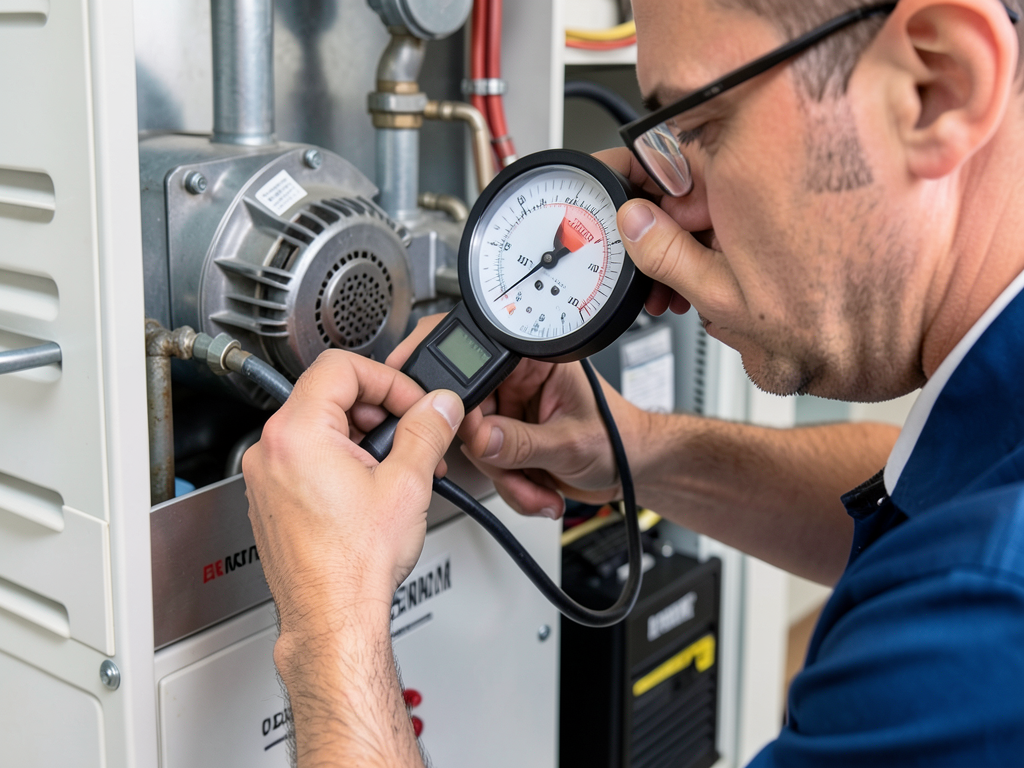
Static pressure testing involves measuring the resistance in your system with a manometer. Normal residential systems operate at 0.5 inches of water column (WC) or less. If your system already measures near this limit, adding a thicker filter could push it over capacity.
Call (816) 473-9177 today to schedule a static pressure test and find out if your system can handle a thicker filter upgrade.
Seasonal Considerations for Overland Park Homes
Overland Park’s climate creates specific challenges for furnace filtration. Our area experiences:
- High humidity in summer that promotes mold growth in ductwork
- Pollen seasons from March through October affecting indoor air quality
- Rapid temperature swings in spring and fall increasing system cycling
- Dust from construction and agricultural activities in surrounding Johnson County
During peak pollen seasons, a 1-inch filter can become clogged in just 2-3 weeks. This dramatically increases static pressure and strains your blower motor. A 4-inch filter typically lasts 6-12 months, providing more consistent airflow throughout the year.
Winter operation presents another consideration. When temperatures drop below freezing, your furnace runs more frequently. A clogged 1-inch filter during an extended cold snap can cause your system to shut down completely, leaving your family without heat.
Overland Park’s expanding development means more construction dust in the air. Neighborhoods like Ranch Mart, Tomahawk Hills, and Willows are experiencing growth that increases airborne particulates. This makes effective filtration even more important for protecting your HVAC investment.
Diagnostic Testing: How We Check Your System
Professional HVAC technicians use specific tests to evaluate your filtration system. These diagnostics help determine if your current setup is harming your blower motor.
Static pressure measurement is the primary test. We install a manometer at the filter location and measure pressure drop across the filter. A clean 1-inch filter typically shows 0.1-0.2 inches WC pressure drop. When dirty, this can increase to 0.3-0.5 inches WC.
Temperature rise testing helps identify airflow problems. We measure the temperature difference between supply and return air. Normal residential furnaces show a 40-70 degree rise. If this exceeds 80 degrees, restricted airflow is likely the cause.
Amperage draw testing reveals motor strain. We measure the current draw of your blower motor. If it’s running at 90% or more of its rated amperage, the motor is working too hard and may fail prematurely.
Don’t wait for your blower motor to fail. Call (816) 473-9177 to schedule a comprehensive system evaluation before the next cold snap hits Overland Park.
Retrofitting Older Overland Park Homes
Many Overland Park homes, particularly those built between 1960 and 1990, have narrow return air plenums that only accommodate 1-inch filters. Retrofitting these systems requires careful planning.
Options for older homes include:
- Installing a filter cabinet that extends into the attic or basement space
- Adding a media air cleaner as a separate unit in the return duct
- Creating a custom filter slot that maintains proper airflow
Historic neighborhoods like Downtown Overland Park and Indian Creek face unique challenges. Many of these homes have plaster walls and limited space for modifications. In these cases, we often recommend a high-quality 1-inch filter with MERV 8-11 rating rather than attempting a retrofit. Why historic Brookside homes need specialized high velocity AC systems.
Newer developments in South Overland Park and around Quivira Road typically have better ductwork design that accommodates thicker filters. These homes often benefit most from upgrading to 4-inch media filters.
Maintenance Schedule for Optimal Performance
Proper maintenance extends your furnace’s life and prevents blower motor failure. Overland Park homeowners should follow this seasonal schedule:
- Fall Check (September-October)
Replace filter, test heating operation, check for gas leaks, verify thermostat operation. Smart Thermostat Benefits.
- Winter Monitoring (November-March)
Check filter monthly, listen for unusual blower motor noises, verify even heating throughout home.. Read more about Reducing Highway Noise and Exhaust Fumes in Your Rosedale Home with Better HVAC Filtration.
- Spring Check (April-May)
Replace filter, test cooling operation, clean condensate drain, check refrigerant levels.
- Summer Monitoring (June-August)
Check filter every 60 days, listen for reduced airflow, verify cooling efficiency.
During heavy use periods, check your filter every 30 days regardless of type. A visual inspection can reveal problems before they cause system damage. Hold the filter up to a light source. If you can’t see light through it, replace it immediately. Storm Damage HVAC Repair.
Overland Park’s location in the Missouri River Valley means we experience more humidity than areas just a few miles west. This affects filter performance and may require more frequent changes during summer months.
Energy Efficiency and Environmental Impact
Beyond equipment protection, filter choice affects your energy consumption and environmental footprint. A furnace with restricted airflow can use 10-20% more energy than one operating properly.
Overland Park’s average winter temperature of 30 degrees means furnaces run frequently. This makes efficiency improvements particularly valuable. A 4-inch media filter can reduce your annual energy consumption by 200-500 kilowatt-hours compared to a restrictive 1-inch filter.
Environmental considerations extend beyond energy use. Thicker filters capture more airborne particles, including allergens and pollutants. This improves indoor air quality for your family while reducing the amount of contaminants released back into the environment.
Many Overland Park homeowners are concerned about sustainability. A properly maintained HVAC system with appropriate filtration can last 15-20 years instead of 10-12 years, reducing the environmental impact of manufacturing and disposing of equipment.
Professional Installation vs. DIY
While changing a 1-inch filter is straightforward, upgrading to a 4-inch system requires professional expertise. DIY attempts often result in:
- Improper sizing that restricts airflow
- Leaks in the filter cabinet allowing unfiltered air to bypass the media
- Damage to existing ductwork during modification
- Voided manufacturer warranties from improper installation
Professional installation ensures your system operates within manufacturer specifications. We verify proper airflow, check for leaks, and test system performance after installation. This protects your investment and ensures optimal operation.
Overland Park’s building codes require permits for HVAC modifications that change system capacity or configuration. Professional contractors handle permitting and ensure all work meets local code requirements.
Ready to protect your blower motor and improve your home’s air quality? Call (816) 473-9177 to speak with a local HVAC expert about filter options for your Overland Park home.
Frequently Asked Questions
How often should I change my furnace filter?
1-inch filters typically need replacement every 30-60 days. 4-inch media filters can last 6-12 months. Overland Park’s climate and your home’s specific conditions affect this schedule. Check your filter monthly during heavy use periods.
Will a thicker filter reduce my energy bills?
A properly sized 4-inch filter can reduce energy consumption by 10-20% compared to a restrictive 1-inch filter. This happens because your blower motor operates more efficiently with proper airflow, reducing run times and energy use.
Can I use a higher MERV rating for better filtration?
Higher MERV ratings capture more particles but also restrict airflow more. A MERV 13 filter in a 1-inch configuration may harm your system. Thicker filters can achieve higher MERV ratings with less airflow restriction, making them a better choice for improved filtration.
What are signs my blower motor is failing?
Symptoms include unusual noises (humming, clicking, or grinding), reduced airflow from vents, the furnace shutting off before reaching temperature, or the blower running continuously. If you notice these issues, call (816) 473-9177 for diagnosis before complete failure occurs. For more information, visit EPA guide on air cleaners and filters. For more information, visit ASHRAE filtration standards.
You may also find this helpful. Why Your Northland Home Still Feels Dusty Even After You Clean.
{
“@context”: “https://schema.org”,
“@type”: “BlogPosting”,
“headline”: “Why Thin Air Filters Might Be Killing the Blower Motor in Your Overland Park Furnace”,
“description”: “Learn how thin furnace filters restrict airflow and strain your blower motor. Discover why Kansas City HVAC pros recommend thicker filters for better protection.”,
“wordCount”: 1924,
“datePublished”: “2026-04-26T10:43:00.000Z”,
“dateModified”: “2026-04-26T10:43:00.000Z”,
“inLanguage”: “en-US”,
“mainEntityOfPage”: {
“@type”: “WebPage”,
“@id”: “https://unitedhvackansascity.com”
},
“publisher”: {
“@type”: “LocalBusiness”,
“name”: “United HVAC Kansas City”,
“url”: “https://unitedhvackansascity.com”
},
“author”: {
“@type”: “Organization”,
“name”: “United HVAC Kansas City”,
“url”: “https://unitedhvackansascity.com”
},
“image”: {
“@type”: “ImageObject”,
“url”: “https://unitedhvackansascity.com/wp-content/uploads/2026/03/why-thin-air-filters-might-be-killing-the-blower-m-1.png”
}
}
{
“@context”: “https://schema.org”,
“@type”: “HVACBusiness”,
“name”: “United HVAC Kansas City”,
“url”: “https://unitedhvackansascity.com”,
“address”: {
“@type”: “PostalAddress”,
“addressLocality”: “Kansas City”
},
“areaServed”: {
“@type”: “City”,
“name”: “Kansas City”
}
}
{
“@context”: “https://schema.org”,
“@type”: “FAQPage”,
“mainEntity”: [
{
“@type”: “Question”,
“name”: “Can Your Furnace Handle a Thicker Filter?”,
“acceptedAnswer”: {
“@type”: “Answer”,
“text”: “Many Overland Park homeowners wonder if they can upgrade from a 1-inch slot to a 4-inch filter. The answer depends on your furnace’s design and your ductwork configuration.”
}
},
{
“@type”: “Question”,
“name”: “How often should I change my furnace filter?”,
“acceptedAnswer”: {
“@type”: “Answer”,
“text”: “1-inch filters typically need replacement every 30-60 days. 4-inch media filters can last 6-12 months. Overland Park’s climate and your home’s specific conditions affect this schedule. Check your filter monthly during heavy use periods.”
}
},
{
“@type”: “Question”,
“name”: “Will a thicker filter reduce my energy bills?”,
“acceptedAnswer”: {
“@type”: “Answer”,
“text”: “A properly sized 4-inch filter can reduce energy consumption by 10-20% compared to a restrictive 1-inch filter. This happens because your blower motor operates more efficiently with proper airflow, reducing run times and energy use.”
}
},
{
“@type”: “Question”,
“name”: “Can I use a higher MERV rating for better filtration?”,
“acceptedAnswer”: {
“@type”: “Answer”,
“text”: “Higher MERV ratings capture more particles but also restrict airflow more. A MERV 13 filter in a 1-inch configuration may harm your system. Thicker filters can achieve higher MERV ratings with less airflow restriction, making them a better choice for improved filtration.”
}
}
]
}
{
“@context”: “https://schema.org”,
“@type”: “HowTo”,
“name”: “HVAC Maintenance Schedule”,
“step”: [
{
“@type”: “HowToStep”,
“position”: 1,
“name”: “Fall Check (September-October)”,
“text”: “Replace filter, test heating operation, check for gas leaks, verify thermostat operation. Smart Thermostat Benefits.”
},
{
“@type”: “HowToStep”,
“position”: 2,
“name”: “Winter Monitoring (November-March)”,
“text”: “Check filter monthly, listen for unusual blower motor noises, verify even heating throughout home.”
},
{
“@type”: “HowToStep”,
“position”: 3,
“name”: “Spring Check (April-May)”,
“text”: “Replace filter, test cooling operation, clean condensate drain, check refrigerant levels.”
},
{
“@type”: “HowToStep”,
“position”: 4,
“name”: “Summer Monitoring (June-August)”,
“text”: “Check filter every 60 days, listen for reduced airflow, verify cooling efficiency.”
}
],
“image”: “https://unitedhvackansascity.com/wp-content/uploads/2026/03/why-thin-air-filters-might-be-killing-the-blower-m-1.png”
}
{
“@context”: “https://schema.org”,
“@type”: “BreadcrumbList”,
“itemListElement”: [
{
“@type”: “ListItem”,
“position”: 1,
“name”: “Home”,
“item”: “https://unitedhvackansascity.com”
},
{
“@type”: “ListItem”,
“position”: 2,
“name”: “Blog”,
“item”: “https://unitedhvackansascity.com/blog”
},
{
“@type”: “ListItem”,
“position”: 3,
“name”: “Why Thin Air Filters Might Be Killing the Blower Motor in Your Overland Park Furnace”
}
]
}
{
“@context”: “https://schema.org”,
“@type”: “Service”,
“serviceType”: “HVAC”,
“provider”: {
“@type”: “LocalBusiness”,
“name”: “United HVAC Kansas City”,
“url”: “https://unitedhvackansascity.com”
},
“areaServed”: {
“@type”: “City”,
“name”: “Kansas City”
},
“description”: “Learn how thin furnace filters restrict airflow and strain your blower motor. Discover why Kansas City HVAC pros recommend thicker filters for better protection.”
}