Wildfire Smoke and Kansas City Air Quality: What Overland Park Homeowners Need to Know
Canadian wildfire smoke and summer haze can turn Kansas City’s normally clear skies into a health hazard. Overland Park homeowners often notice hazy conditions that make outdoor activities uncomfortable and raise concerns about indoor air quality. The microscopic particles in wildfire smoke measure 2.5 microns or smaller and can penetrate deep into your lungs causing respiratory issues especially for children elderly and those with asthma.. Read more about Why Overland Park dental offices need specialized medical grade air filtration.
During peak smoke events Overland Park’s Air Quality Index can spike from the normal 30-50 range to over 150 making the air unhealthy for everyone. These smoke plumes typically arrive from Canada or the western states when prevailing winds shift and can linger for days reducing visibility and increasing health risks. Your HVAC system becomes the first line of defense against these outdoor pollutants.. Read more about Reducing Highway Noise and Exhaust Fumes in Your Rosedale Home with Better HVAC Filtration.
Understanding how smoke enters your home and what filtration options actually work can help you breathe easier during wildfire season. The right air filter combined with proper HVAC maintenance creates a barrier between outdoor pollution and your indoor air making your Overland Park home a safe haven during poor air quality days.
MERV Ratings Explained: What Actually Stops Smoke Particles
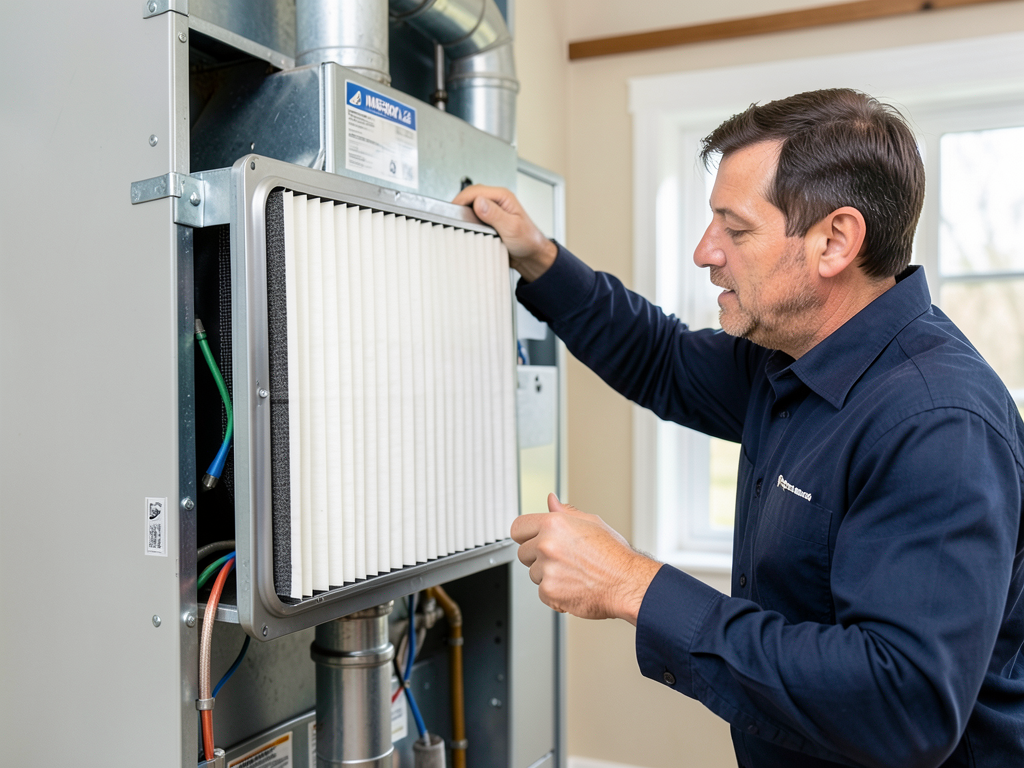
MERV stands for Minimum Efficiency Reporting Value and it measures how effectively an air filter captures particles of different sizes. Standard fiberglass filters rated MERV 1-4 capture less than 20% of particles between 3.0 and 10.0 microns making them ineffective against smoke. MERV 8 filters catch about 70% of particles in that range but miss the smaller smoke particles that cause the most health concerns.. Read more about Why Thin Air Filters Might Be Killing the Blower Motor in Your Overland Park Furnace.
MERV 11 filters capture approximately 85% of particles between 1.0 and 3.0 microns including most smoke particles. However MERV 13 filters capture over 90% of particles as small as 0.3 microns making them the minimum recommended rating for wildfire smoke protection. These higher-rated filters can strain older HVAC systems so compatibility testing matters before upgrading.
High-efficiency filters work by forcing air through denser material that traps microscopic particles. The tighter weave in MERV 13 filters means your blower motor must work harder to push air through creating potential static pressure issues. Professional HVAC technicians use specialized tools to measure whether your system can handle the increased resistance without reducing airflow or causing system damage. Storm Damage HVAC Repair.
| Filter Type | MERV Rating | Smoke Particle Capture | Airflow Impact |
|---|---|---|---|
| Fiberglass | 1-4 | Less than 20% | Minimal |
| Pleated | 8 | 70% | Low |
| High-Efficiency | 11 | 85% | Moderate |
| Smoke-Optimized | 13 | 90%+ | High |
The HVAC Trade-off: Filtration vs. Airflow
Installing a MERV 13 filter without checking system compatibility can cause serious problems. When air cannot flow freely through a dense filter your HVAC system works harder reducing efficiency and potentially causing the evaporator coil to freeze. This happens because restricted airflow prevents proper heat exchange causing condensation to freeze on the coil surface.
Older Overland Park homes often have HVAC systems installed before high-MERV filters became common. These systems may have blower motors designed for minimal resistance. When you add a MERV 13 filter the motor strains to maintain airflow potentially leading to premature failure. The increased static pressure can also cause the compressor to overheat reducing system lifespan.
Professional technicians measure static pressure using a manometer to determine if your system can handle denser filters. They check the blower motor’s horsepower and the evaporator coil’s capacity to ensure proper operation. Some systems require a variable-speed blower upgrade to maintain efficiency with high-MERV filtration while others work fine with minor adjustments to fan speed.
How Often to Change Filters During Smoke Events
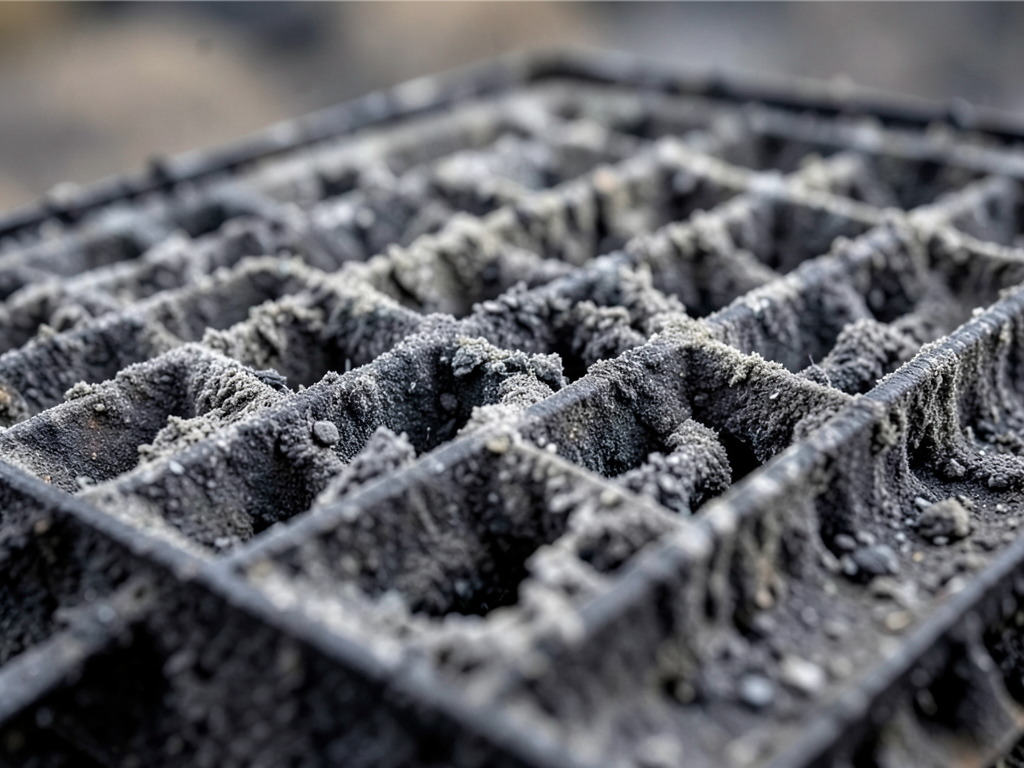
Standard HVAC filters typically last 60-90 days under normal conditions but smoke events dramatically reduce their effective lifespan. During active wildfire smoke Overland Park homeowners should check filters every two weeks and replace them when they appear discolored or every 15-30 days whichever comes first. The fine particulate matter in smoke clogs filters much faster than typical household dust.
Smoke particles create a visible gray or brown film on filter media reducing airflow and filtration efficiency. A clogged filter forces your system to work harder increasing energy consumption and potentially causing mechanical failures. The cost of more frequent filter changes during smoke events pales compared to the expense of repairing a damaged HVAC system or replacing the entire unit prematurely. EPA particle pollution research.
Smart thermostats with filter monitoring can alert you when pressure across the filter indicates replacement is needed. Some systems include air quality sensors that automatically adjust fan speed when outdoor pollution levels rise helping maintain indoor air quality without constant manual intervention. These features prove especially valuable during extended smoke events when filter changes become more frequent. Smart Thermostat Benefits.
Beyond Filters: Whole-Home Air Purifiers
Whole-home air purification systems work alongside your HVAC filter to remove additional contaminants. These systems typically install in your ductwork and can eliminate up to 99.9% of airborne particles including those too small for even MERV 13 filters to capture. Options include HEPA bypass systems UV light purifiers and ionization technology each addressing different air quality concerns.
HEPA bypass systems draw a portion of your HVAC airflow through a true HEPA filter removing particles as small as 0.1 microns. These systems work well for smoke because they capture ultra-fine particles without creating the static pressure issues that affect the main HVAC filter. The bypass design allows continuous high-efficiency filtration without straining your blower motor.
UV light systems installed in ductwork kill airborne bacteria mold spores and viruses while ionization technology makes particles clump together so they become large enough for standard filters to capture. Some advanced systems combine multiple technologies creating comprehensive protection against smoke chemicals and biological contaminants. These whole-home solutions provide year-round benefits beyond just wildfire season.
Professional IAQ Services in Overland Park
Professional indoor air quality assessments start with testing your home’s current air quality and HVAC system capacity. Technicians measure particulate levels check for air leaks around ductwork and evaluate your existing filtration setup. This comprehensive approach identifies specific vulnerabilities in your home’s defense against outdoor pollutants including smoke infiltration through gaps in your building envelope.
Many Overland Park homes built before 2000 have ductwork that develops leaks over time allowing unfiltered air to enter your HVAC system. Professional duct sealing eliminates these entry points while improving system efficiency. Combined with proper filtration this creates a complete barrier against outdoor pollutants including wildfire smoke and summer haze.
Professional installation of whole-home air purifiers requires proper sizing and integration with your existing HVAC equipment. Technicians ensure the system does not create static pressure problems while maximizing filtration efficiency. They also provide maintenance schedules and filter replacement recommendations specific to your home’s needs and local air quality patterns. Local HVAC experts for boiler maintenance and repair near the Country Club Plaza.
Call (816) 473-9177 today to schedule your indoor air quality assessment. Our NATE-certified technicians will evaluate your HVAC system’s compatibility with high-efficiency filtration and recommend solutions tailored to Overland Park’s specific air quality challenges. Don’t wait until the next smoke event to discover your home’s vulnerabilities.
Frequently Asked Questions
Can I just use a portable air purifier instead of upgrading my HVAC filter?
Portable air purifiers work well for individual rooms but cannot protect your entire home. Wildfire smoke particles are so small and numerous that a single portable unit would need to run constantly at maximum power to make a noticeable difference in whole-house air quality. HVAC-based filtration provides comprehensive protection for every room.
Will a MERV 13 filter make my energy bills higher?
A properly sized MERV 13 filter may slightly increase energy consumption due to the blower motor working harder. However the difference typically amounts to only a few dollars per month. The health benefits of cleaner air and the protection against system damage from clogged standard filters often outweigh the minimal energy cost increase.
How do I know if my HVAC system can handle a MERV 13 filter?
Professional testing measures static pressure across your filter and evaluates your blower motor’s capacity. Signs your system may struggle include weak airflow from vents unusual cycling patterns or the system running continuously without reaching temperature setpoints. A technician can perform these tests and recommend appropriate filtration options for your specific equipment.
What other steps can I take during smoke events?
Keep windows and doors closed during smoke events run your HVAC system in recirculation mode if available and use ceiling fans to improve air circulation. Avoid activities that create indoor pollution like burning candles or using gas stoves. Consider creating a clean room with a portable HEPA filter for sensitive individuals.
- Check Your Current Filter
Inspect your existing HVAC filter and note the MERV rating. Replace it if it appears dirty or if it is lower than MERV 8.
- Test System Compatibility
Contact a professional to measure static pressure and evaluate whether your system can handle higher-efficiency filtration without performance issues.
- Upgrade Filtration
Install appropriate MERV 13 filters if your system can handle them or consider a whole-home air purifier as an alternative solution.
- Establish Maintenance Schedule
Create a filter replacement schedule that increases frequency during smoke season and decreases it during normal conditions. For more information, visit ASHRAE Standard 52.2.
You may also find this helpful. Why Your Northland Home Still Feels Dusty Even After You Clean.
You may also find this helpful. Why Swamp Coolers Are a Huge Mistake for Shawnee Homeowners.
{
“@context”: “https://schema.org”,
“@type”: “BlogPosting”,
“headline”: “Keeping Canadian Wildfire Smoke and Summer Haze Out of Your Overland Park Home”,
“description”: “Protect your Overland Park home from Canadian wildfire smoke and summer haze with expert HVAC filtration tips, MERV ratings, and whole-home air purification solutions.”,
“wordCount”: 1532,
“datePublished”: “2026-04-29T07:01:00.000Z”,
“dateModified”: “2026-04-29T07:01:00.000Z”,
“inLanguage”: “en-US”,
“mainEntityOfPage”: {
“@type”: “WebPage”,
“@id”: “https://unitedhvackansascity.com”
},
“publisher”: {
“@type”: “LocalBusiness”,
“name”: “United HVAC Kansas City”,
“url”: “https://unitedhvackansascity.com”
},
“author”: {
“@type”: “Organization”,
“name”: “United HVAC Kansas City”,
“url”: “https://unitedhvackansascity.com”
},
“image”: {
“@type”: “ImageObject”,
“url”: “https://unitedhvackansascity.com/wp-content/uploads/2026/03/keeping-canadian-wildfire-smoke-and-summer-haze-ou-1.png”
}
}
{
“@context”: “https://schema.org”,
“@type”: “HVACBusiness”,
“name”: “United HVAC Kansas City”,
“url”: “https://unitedhvackansascity.com”,
“address”: {
“@type”: “PostalAddress”,
“addressLocality”: “Kansas City”
},
“areaServed”: {
“@type”: “City”,
“name”: “Kansas City”
}
}
{
“@context”: “https://schema.org”,
“@type”: “FAQPage”,
“mainEntity”: [
{
“@type”: “Question”,
“name”: “Can I just use a portable air purifier instead of upgrading my HVAC filter?”,
“acceptedAnswer”: {
“@type”: “Answer”,
“text”: “Portable air purifiers work well for individual rooms but cannot protect your entire home. Wildfire smoke particles are so small and numerous that a single portable unit would need to run constantly at maximum power to make a noticeable difference in whole-house air quality. HVAC-based filtration provides comprehensive protection for every room.”
}
},
{
“@type”: “Question”,
“name”: “Will a MERV 13 filter make my energy bills higher?”,
“acceptedAnswer”: {
“@type”: “Answer”,
“text”: “A properly sized MERV 13 filter may slightly increase energy consumption due to the blower motor working harder. However the difference typically amounts to only a few dollars per month. The health benefits of cleaner air and the protection against system damage from clogged standard filters often outweigh the minimal energy cost increase.”
}
},
{
“@type”: “Question”,
“name”: “How do I know if my HVAC system can handle a MERV 13 filter?”,
“acceptedAnswer”: {
“@type”: “Answer”,
“text”: “Professional testing measures static pressure across your filter and evaluates your blower motor’s capacity. Signs your system may struggle include weak airflow from vents unusual cycling patterns or the system running continuously without reaching temperature setpoints. A technician can perform these tests and recommend appropriate filtration options for your specific equipment.”
}
},
{
“@type”: “Question”,
“name”: “What other steps can I take during smoke events?”,
“acceptedAnswer”: {
“@type”: “Answer”,
“text”: “Keep windows and doors closed during smoke events run your HVAC system in recirculation mode if available and use ceiling fans to improve air circulation. Avoid activities that create indoor pollution like burning candles or using gas stoves. Consider creating a clean room with a portable HEPA filter for sensitive individuals.”
}
}
]
}
{
“@context”: “https://schema.org”,
“@type”: “HowTo”,
“name”: “How to Prepare Your Home for Wildfire Smoke”,
“step”: [
{
“@type”: “HowToStep”,
“position”: 1,
“name”: “Check Your Current Filter”,
“text”: “Inspect your existing HVAC filter and note the MERV rating. Replace it if it appears dirty or if it is lower than MERV 8.”
},
{
“@type”: “HowToStep”,
“position”: 2,
“name”: “Test System Compatibility”,
“text”: “Contact a professional to measure static pressure and evaluate whether your system can handle higher-efficiency filtration without performance issues.”
},
{
“@type”: “HowToStep”,
“position”: 3,
“name”: “Upgrade Filtration”,
“text”: “Install appropriate MERV 13 filters if your system can handle them or consider a whole-home air purifier as an alternative solution.”
},
{
“@type”: “HowToStep”,
“position”: 4,
“name”: “Establish Maintenance Schedule”,
“text”: “Create a filter replacement schedule that increases frequency during smoke season and decreases it during normal conditions. For more information, visit ASHRAE Standard 52.2.”
}
],
“image”: “https://unitedhvackansascity.com/wp-content/uploads/2026/03/keeping-canadian-wildfire-smoke-and-summer-haze-ou-1.png”
}
{
“@context”: “https://schema.org”,
“@type”: “BreadcrumbList”,
“itemListElement”: [
{
“@type”: “ListItem”,
“position”: 1,
“name”: “Home”,
“item”: “https://unitedhvackansascity.com”
},
{
“@type”: “ListItem”,
“position”: 2,
“name”: “Blog”,
“item”: “https://unitedhvackansascity.com/blog”
},
{
“@type”: “ListItem”,
“position”: 3,
“name”: “Keeping Canadian Wildfire Smoke and Summer Haze Out of Your Overland Park Home”
}
]
}
{
“@context”: “https://schema.org”,
“@type”: “Service”,
“serviceType”: “HVAC”,
“provider”: {
“@type”: “LocalBusiness”,
“name”: “United HVAC Kansas City”,
“url”: “https://unitedhvackansascity.com”
},
“areaServed”: {
“@type”: “City”,
“name”: “Kansas City”
},
“description”: “Protect your Overland Park home from Canadian wildfire smoke and summer haze with expert HVAC filtration tips, MERV ratings, and whole-home air purification solutions.”
}