
Preventing Summer Mildew and Mold Growth in Historic Hyde Park Basements
When summer humidity hits 75% in Kansas City, the stone foundations and narrow crawlspaces in Hyde Park’s historic homes become breeding grounds for mildew and mold. The combination of Missouri River valley moisture, clay soil drainage issues, and century-old basement construction creates conditions where mold spores can multiply within 24-48 hours of water exposure. Why historic Brookside homes need specialized high velocity AC systems.
The problem starts with Kansas City’s climate zone classification. Our summers push dew points into the mid-60s, meaning air holds maximum moisture before condensation forms. In Hyde Park’s older homes, that moisture migrates through stone foundations and settles in basement corners where air circulation is minimal. Without proper HVAC intervention, these conditions create the perfect environment for black mold, mildew, and musty odors that spread through your entire home.. Read more about Specialized Climate Control Tips for Indoor Gardeners and Hobbyists in the West Bottoms.
Preventing mold growth requires understanding the science behind moisture migration and implementing targeted HVAC solutions that address the root cause rather than just cleaning visible mold.. Read more about Understanding Your Rights as a KCK Tenant When the AC Stops Working.
Why Hyde Park Basements Face Unique Mold Challenges
Hyde Park’s historic district contains homes built between 1890 and 1940, featuring limestone foundations, fieldstone basement walls, and minimal original waterproofing. These construction methods worked when homes were drafty and air could circulate freely. Modern energy efficiency upgrades have sealed these homes tighter, trapping moisture that would have escaped through cracks and gaps.
The neighborhood sits in a low-lying area near Brush Creek, where clay soil retains water long after storms pass. Water table fluctuations of 4-6 feet between seasons create hydrostatic pressure against basement walls. When that pressure forces moisture through stone foundations, it creates condensation on cool basement surfaces. Storm Damage HVAC Repair.
According to the International Residential Code Section R406, basement waterproofing is required for new construction, but historic homes built before 1940 have no such requirements. This leaves homeowners with aging infrastructure vulnerable to moisture intrusion during Kansas City’s intense summer thunderstorms.
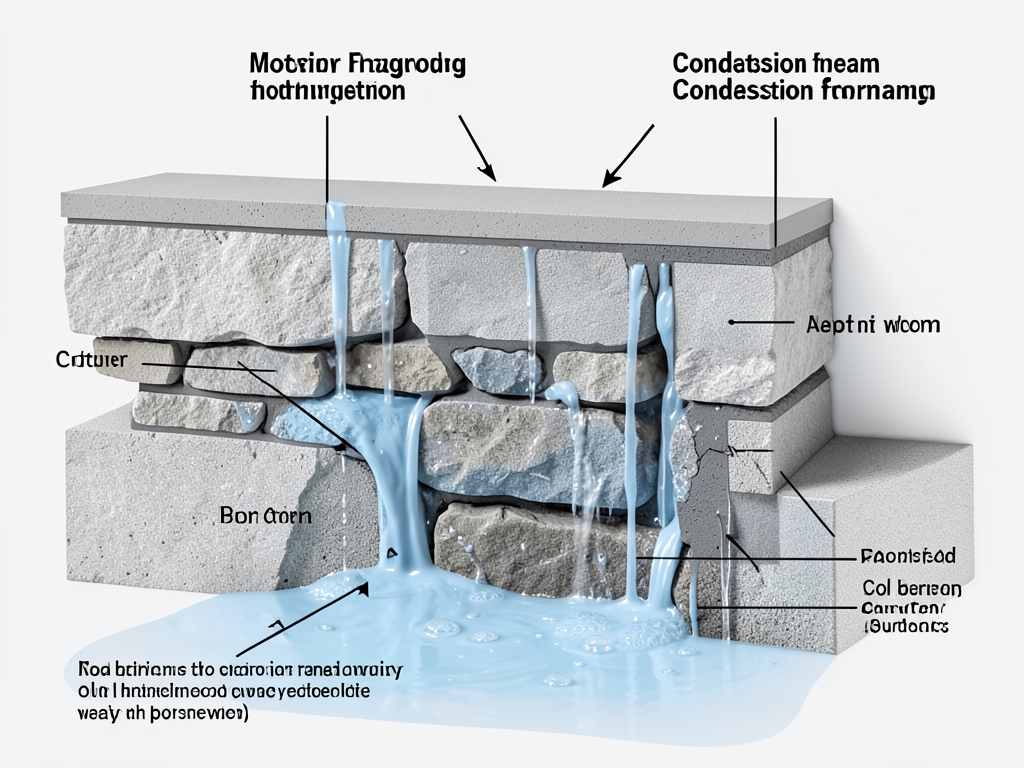
Cross-section diagram showing moisture migration through stone foundation walls and condensation formation on cool basement surfaces
Understanding Kansas City’s Mold-Friendly Climate
Kansas City experiences 35-40 inches of annual rainfall with summer thunderstorms delivering most precipitation in concentrated bursts. The National Weather Service reports average July humidity levels of 68%, but afternoon thunderstorms can push relative humidity above 90% for hours at a time.
When warm, moist air contacts cool basement walls, condensation forms instantly. A basement wall at 65°F meeting 85°F air at 80% humidity creates conditions where water vapor converts to liquid at a rate of 0.5 gallons per 1,000 square feet per day. That’s enough moisture to support extensive mold colonies within weeks.
The Missouri Department of Natural Resources identifies clay soil as having a permeability rate of 0.06 inches per hour, meaning water moves through it extremely slowly. This creates a bathtub effect where water surrounds foundation walls for days after rainfall, maintaining high humidity levels in basement air. EPA Mold Resources.
5 HVAC Strategies That Stop Basement Mold Growth
Effective mold prevention requires controlling humidity at the source rather than treating symptoms after mold appears. These five HVAC strategies work together to create an environment where mold cannot survive.
1. Install Whole-Home Dehumidification Systems
Portable dehumidifiers remove 30-50 pints of water per day but only treat localized areas. Whole-home systems connect to your existing ductwork and remove 90-135 pints daily while maintaining consistent humidity levels throughout your basement and living spaces. Local HVAC experts for boiler maintenance and repair near the Country Club Plaza.
The EPA recommends maintaining indoor relative humidity between 30-50% to prevent mold growth. In Kansas City summers, outdoor air often exceeds 60% humidity even when air conditioning runs. Whole-home dehumidifiers work alongside your AC to remove excess moisture without overcooling your home. How to find a reliable air conditioning repair technician in Overland Park.
Installation requires professional sizing based on your home’s cubic footage, insulation levels, and local climate data. A properly sized system costs $2,800-4,200 but prevents thousands in mold remediation expenses.
2. Upgrade to High-Efficiency Air Filtration
Mold spores range from 3-100 microns in size. Standard fiberglass filters capture particles larger than 10 microns, allowing most mold spores to circulate through your HVAC system. MERV 13 filters capture 90% of particles in the 1-3 micron range, including mold spores, pollen, and bacteria.
High-efficiency filters should be replaced every 60-90 days during summer months when your system runs continuously. Clogged filters restrict airflow, causing your AC to run longer cycles that actually increase humidity levels in your home.
UV germicidal lights installed in your ductwork kill airborne mold spores and bacteria. These systems use ultraviolet-C light at 254 nanometers to destroy microorganism DNA, preventing reproduction. Installation costs $600-900 but provides continuous air purification.
3. Install Smart Humidity Monitoring Systems
Modern smart thermostats include humidity sensors that track basement moisture levels in real-time. These systems can automatically activate dehumidifiers when humidity exceeds 55% and send alerts to your smartphone when conditions become favorable for mold growth.
Some systems integrate with weather forecasts to pre-emptively adjust humidity control before storms arrive. This proactive approach prevents moisture spikes that lead to mold colonies forming overnight.
Installation typically costs $300-500 and provides data logs showing humidity trends that help identify problem areas in your basement.
4. Implement Proper Ventilation Strategies
Basements need 6-8 complete air exchanges per day to prevent moisture buildup. Most historic Hyde Park homes have minimal natural ventilation, relying on small windows that often remain closed during summer.
Energy Recovery Ventilators (ERVs) exchange stale indoor air with fresh outdoor air while transferring heat and moisture between air streams. This maintains comfortable temperatures while providing necessary ventilation without wasting energy.
Installation costs $1,800-2,800 but can reduce basement humidity by 15-20% while improving overall indoor air quality.
5. Maintain Condensate Systems and Drain Lines
Your air conditioner removes 5-20 gallons of water daily as it cools humid air. This water drains through condensate lines that can clog with algae, mold, and debris. A clogged condensate line causes water to back up into your basement, creating perfect conditions for mold growth.
Annual maintenance should include flushing condensate lines with vinegar solution, checking for proper drainage slope, and inspecting drain pans for cracks or deterioration. This simple service costs $150-250 but prevents water damage and mold growth.
Install condensate overflow switches that automatically shut off your AC if drain lines clog. These safety devices prevent water damage and cost $200-300 to install.
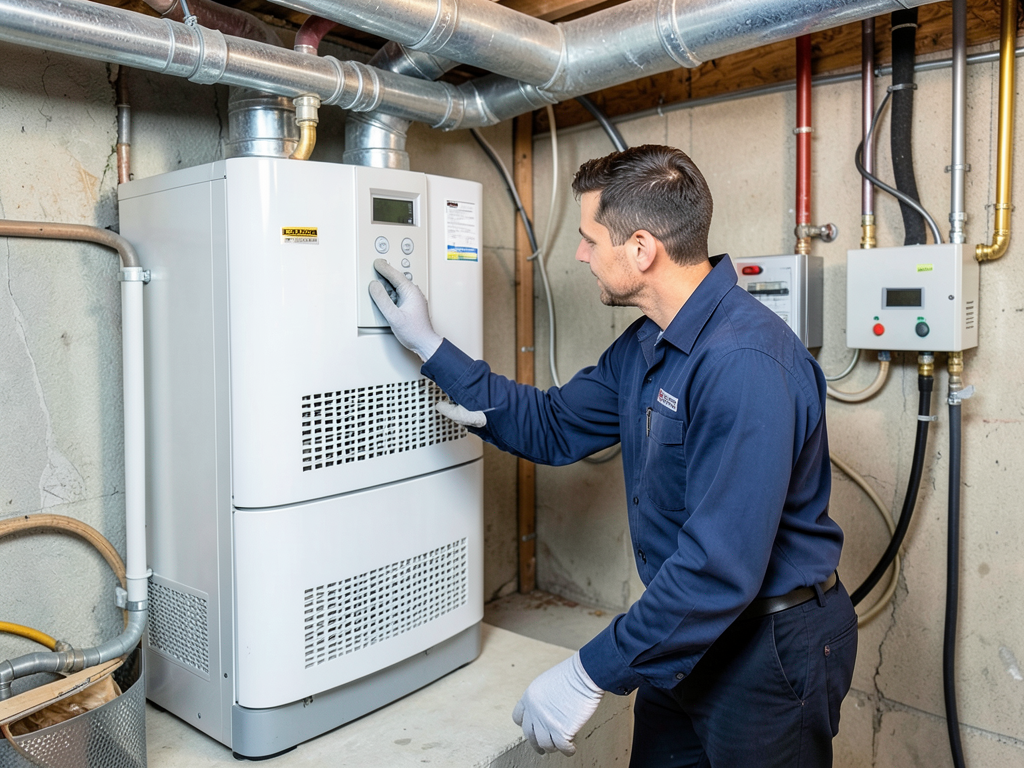
Technician installing whole-home dehumidifier with ductwork connections and control panel
DIY Mold Prevention Steps for Hyde Park Homeowners
Before calling professionals, several maintenance tasks can significantly reduce basement mold risk. These steps cost under $200 total and provide immediate benefits.
Monthly Basement Inspection Checklist
Walk through your basement during peak humidity hours (3-6 PM) and check for these warning signs:
- Musty odors concentrated in corners or near foundation walls
- Condensation on cold water pipes or ductwork
- White powdery deposits on concrete surfaces (efflorescence)
- Damp spots on walls that darken when humidity rises
- Visible mold growth in dark corners or behind stored items
Document findings with photos and track changes over time. Mold growth patterns often reveal underlying moisture sources.
Simple Moisture Control Improvements
Insulate cold water pipes with foam sleeves to prevent condensation dripping onto basement floors. A 6-foot section of 1-inch foam pipe insulation costs $3-5 at hardware stores.
Install a basement exhaust fan with humidity sensor that activates when moisture levels exceed 55%. Basic models cost $80-120 and install in existing window openings.
Grade soil away from foundation walls at 1/2 inch per foot for at least 6 feet. This simple landscaping change prevents water pooling against basement walls.
When to Call a Kansas City HVAC Professional
DIY efforts help, but certain conditions require professional intervention. Call (816) 473-9177 when you notice these warning signs:
- Basement humidity consistently above 60% despite running portable dehumidifiers
- Visible mold growth covering more than 10 square feet
- Musty odors persist after cleaning and ventilation improvements
- AC runs continuously but fails to reduce humidity levels
- Condensate drain lines clog repeatedly within months
Professional mold remediation costs $500-6,000 depending on extent, but prevention through proper HVAC installation costs significantly less. The EPA estimates every dollar spent on moisture control prevents $4-7 in mold remediation expenses.
Professional assessment includes thermal imaging to identify hidden moisture sources, moisture meter readings at multiple depths, and duct leakage testing that can reveal how your HVAC system contributes to basement humidity problems.
Local Building Codes and Mold Prevention Requirements
The Kansas City Missouri Municipal Code Section 27-10 requires proper ventilation in all habitable spaces, including finished basements. While historic homes have grandfathered status, significant renovations must meet current ventilation requirements.
The International Mechanical Code Section 403 mandates mechanical ventilation for spaces where natural ventilation cannot provide adequate air exchange. This applies to most modern basement finishing projects in Hyde Park.
Local HVAC contractors must hold EPA Section 608 certification for refrigerant handling when installing whole-home dehumidification systems. This certification ensures proper installation and prevents refrigerant leaks that can contribute to indoor air quality issues.
Technician using thermal imaging camera to detect hidden moisture sources in basement walls
Cost-Benefit Analysis of Mold Prevention vs. Remediation
Understanding the financial impact helps justify preventive investments. Here’s how prevention costs compare to remediation expenses:
| Service Type | Initial Cost | Annual Operating Cost | Expected Lifespan | Prevention Value |
|---|---|---|---|---|
| Whole-Home Dehumidifier | $2,800-4,200 | $150-250 | 8-12 years | Prevents $5,000-15,000 remediation |
| MERV 13 Filter Upgrade | $80-150 | $40-80 annually | 1 year per filter | Reduces airborne spores by 90% |
| UV Light System | $600-900 | $30-50 | 2-3 years per bulb | Kills 99% of mold spores |
| Professional Mold Remediation | $500-6,000 | $0 | N/A | Removes existing growth only |
Prevention systems typically pay for themselves within 2-3 years through energy savings and avoided remediation costs. Additionally, they improve indoor air quality, reduce allergens, and protect your home’s structural integrity.
Maintaining Your Mold Prevention System
Even the best prevention systems require regular maintenance to remain effective. Create a seasonal maintenance schedule:
- Spring Preparation
Clean or replace air filters, inspect condensate lines, test dehumidifier operation before summer humidity arrives.
- Summer Operation
Monitor humidity levels weekly, check for unusual odors, ensure proper drainage during peak usage.
- Fall Maintenance
Clean coils, inspect ductwork for leaks, test all humidity control systems before winter.
- Winter Protection
Ensure freeze protection on condensate lines, check insulation integrity, prepare for spring storms.
Professional maintenance visits should include airflow testing, refrigerant level checks, and thermal imaging to identify developing moisture problems before they become visible.
Protecting Your Investment and Your Health
Mold exposure causes respiratory issues, allergic reactions, and can trigger asthma attacks. The CDC reports that damp indoor environments increase respiratory problems by 30-50% in sensitive individuals. CDC Mold Information.
Beyond health concerns, mold damages wood framing, drywall, and personal belongings. Black mold can destroy structural components within months of establishing colonies. Early intervention prevents these costly damages.
Insurance companies increasingly scrutinize mold claims, often denying coverage for long-term moisture issues. Prevention demonstrates due diligence that can support claims when sudden water damage occurs.
Call (816) 473-9177 today to schedule your basement humidity assessment. Our technicians use industrial-grade moisture meters, thermal imaging cameras, and air quality testing equipment to identify problems before they become visible. Don’t wait until you see mold growth or smell musty odors. Prevention costs less than remediation, and your family deserves healthy indoor air year-round.
Pick up the phone and call (816) 473-9177 before the next summer storm hits. Our team serves all of Kansas City, including the historic Hyde Park neighborhood, with same-day emergency service when humidity problems threaten your home’s safety and comfort. Who to call for 24 hour emergency AC repair in Shawnee when the heat index spikes.
Frequently Asked Questions
How can I tell if my basement has a mold problem?
Look for musty odors, visible dark spots on walls or ceilings, condensation on cold surfaces, and allergic symptoms that improve when you leave the basement. Professional testing can confirm mold presence before it becomes visible.
What humidity level prevents mold growth?
Maintain indoor relative humidity between 30-50%. Mold struggles to grow when humidity stays below 60%, but levels below 30% can cause other comfort and health issues. Smart thermostats help maintain optimal levels automatically.
Can I install a whole-home dehumidifier myself?
Professional installation ensures proper sizing, ductwork integration, and condensate drainage. DIY installation often results in inadequate moisture removal, water damage from improper drainage, or system inefficiency that increases energy costs.
How often should I replace my HVAC filters?
Replace standard filters every 30-60 days during summer months. High-efficiency MERV 13 filters last 60-90 days but cost more initially. Check filters monthly during peak usage and replace when visibly dirty.
Will a whole-home dehumidifier increase my energy bills?
Properly sized systems typically reduce energy costs by allowing your AC to run more efficiently. Removing moisture lets your AC cool air more effectively, often reducing runtime and improving comfort while using less energy overall.
What’s the difference between mold and mildew?
Mildew appears as white or gray powdery patches and stays on surfaces. Mold grows deeper into materials, appears darker (green, black, or brown), and can cause structural damage. Both thrive in similar conditions but require different remediation approaches.
You may also find this helpful. Why Crossroads Brewery and Distillery Owners Need High Performance Ventilation Systems.
You may also find this helpful. Why Swamp Coolers Are a Huge Mistake for Shawnee Homeowners.
{
“@context”: “https://schema.org”,
“@type”: “BlogPosting”,
“headline”: “Preventing Summer Mildew and Mold Growth in Historic Hyde Park Basements”,
“description”: “Stop basement mold in your Hyde Park home. Learn how Kansas City humidity and historic stone foundations create the perfect mold environment and what to do about it.”,
“wordCount”: 2197,
“datePublished”: “2026-04-30T11:46:00.000Z”,
“dateModified”: “2026-04-30T11:46:00.000Z”,
“inLanguage”: “en-US”,
“mainEntityOfPage”: {
“@type”: “WebPage”,
“@id”: “https://unitedhvackansascity.com”
},
“publisher”: {
“@type”: “LocalBusiness”,
“name”: “United HVAC Kansas City”,
“url”: “https://unitedhvackansascity.com”
},
“author”: {
“@type”: “Organization”,
“name”: “United HVAC Kansas City”,
“url”: “https://unitedhvackansascity.com”
},
“image”: {
“@type”: “ImageObject”,
“url”: “https://unitedhvackansascity.com/wp-content/uploads/2026/03/preventing-summer-mildew-and-mold-growth-in-histor-1.png”
}
}
{
“@context”: “https://schema.org”,
“@type”: “HVACBusiness”,
“name”: “United HVAC Kansas City”,
“url”: “https://unitedhvackansascity.com”,
“address”: {
“@type”: “PostalAddress”,
“addressLocality”: “Kansas City”
},
“areaServed”: {
“@type”: “City”,
“name”: “Kansas City”
}
}
{
“@context”: “https://schema.org”,
“@type”: “FAQPage”,
“mainEntity”: [
{
“@type”: “Question”,
“name”: “How can I tell if my basement has a mold problem?”,
“acceptedAnswer”: {
“@type”: “Answer”,
“text”: “Look for musty odors, visible dark spots on walls or ceilings, condensation on cold surfaces, and allergic symptoms that improve when you leave the basement. Professional testing can confirm mold presence before it becomes visible.”
}
},
{
“@type”: “Question”,
“name”: “What humidity level prevents mold growth?”,
“acceptedAnswer”: {
“@type”: “Answer”,
“text”: “Maintain indoor relative humidity between 30-50%. Mold struggles to grow when humidity stays below 60%, but levels below 30% can cause other comfort and health issues. Smart thermostats help maintain optimal levels automatically.”
}
},
{
“@type”: “Question”,
“name”: “Can I install a whole-home dehumidifier myself?”,
“acceptedAnswer”: {
“@type”: “Answer”,
“text”: “Professional installation ensures proper sizing, ductwork integration, and condensate drainage. DIY installation often results in inadequate moisture removal, water damage from improper drainage, or system inefficiency that increases energy costs.”
}
},
{
“@type”: “Question”,
“name”: “How often should I replace my HVAC filters?”,
“acceptedAnswer”: {
“@type”: “Answer”,
“text”: “Replace standard filters every 30-60 days during summer months. High-efficiency MERV 13 filters last 60-90 days but cost more initially. Check filters monthly during peak usage and replace when visibly dirty.”
}
},
{
“@type”: “Question”,
“name”: “Will a whole-home dehumidifier increase my energy bills?”,
“acceptedAnswer”: {
“@type”: “Answer”,
“text”: “Properly sized systems typically reduce energy costs by allowing your AC to run more efficiently. Removing moisture lets your AC cool air more effectively, often reducing runtime and improving comfort while using less energy overall.”
}
},
{
“@type”: “Question”,
“name”: “What’s the difference between mold and mildew?”,
“acceptedAnswer”: {
“@type”: “Answer”,
“text”: “Mildew appears as white or gray powdery patches and stays on surfaces. Mold grows deeper into materials, appears darker (green, black, or brown), and can cause structural damage. Both thrive in similar conditions but require different remediation approaches.”
}
}
]
}
{
“@context”: “https://schema.org”,
“@type”: “HowTo”,
“name”: “Seasonal HVAC Maintenance”,
“step”: [
{
“@type”: “HowToStep”,
“position”: 1,
“name”: “Spring Preparation”,
“text”: “Clean or replace air filters, inspect condensate lines, test dehumidifier operation before summer humidity arrives.”
},
{
“@type”: “HowToStep”,
“position”: 2,
“name”: “Summer Operation”,
“text”: “Monitor humidity levels weekly, check for unusual odors, ensure proper drainage during peak usage.”
},
{
“@type”: “HowToStep”,
“position”: 3,
“name”: “Fall Maintenance”,
“text”: “Clean coils, inspect ductwork for leaks, test all humidity control systems before winter.”
},
{
“@type”: “HowToStep”,
“position”: 4,
“name”: “Winter Protection”,
“text”: “Ensure freeze protection on condensate lines, check insulation integrity, prepare for spring storms.”
}
],
“image”: “https://unitedhvackansascity.com/wp-content/uploads/2026/03/preventing-summer-mildew-and-mold-growth-in-histor-1.png”
}
{
“@context”: “https://schema.org”,
“@type”: “BreadcrumbList”,
“itemListElement”: [
{
“@type”: “ListItem”,
“position”: 1,
“name”: “Home”,
“item”: “https://unitedhvackansascity.com”
},
{
“@type”: “ListItem”,
“position”: 2,
“name”: “Blog”,
“item”: “https://unitedhvackansascity.com/blog”
},
{
“@type”: “ListItem”,
“position”: 3,
“name”: “Preventing Summer Mildew and Mold Growth in Historic Hyde Park Basements”
}
]
}
{
“@context”: “https://schema.org”,
“@type”: “Service”,
“serviceType”: “HVAC”,
“provider”: {
“@type”: “LocalBusiness”,
“name”: “United HVAC Kansas City”,
“url”: “https://unitedhvackansascity.com”
},
“areaServed”: {
“@type”: “City”,
“name”: “Kansas City”
},
“description”: “Stop basement mold in your Hyde Park home. Learn how Kansas City humidity and historic stone foundations create the perfect mold environment and what to do about it.”
}