
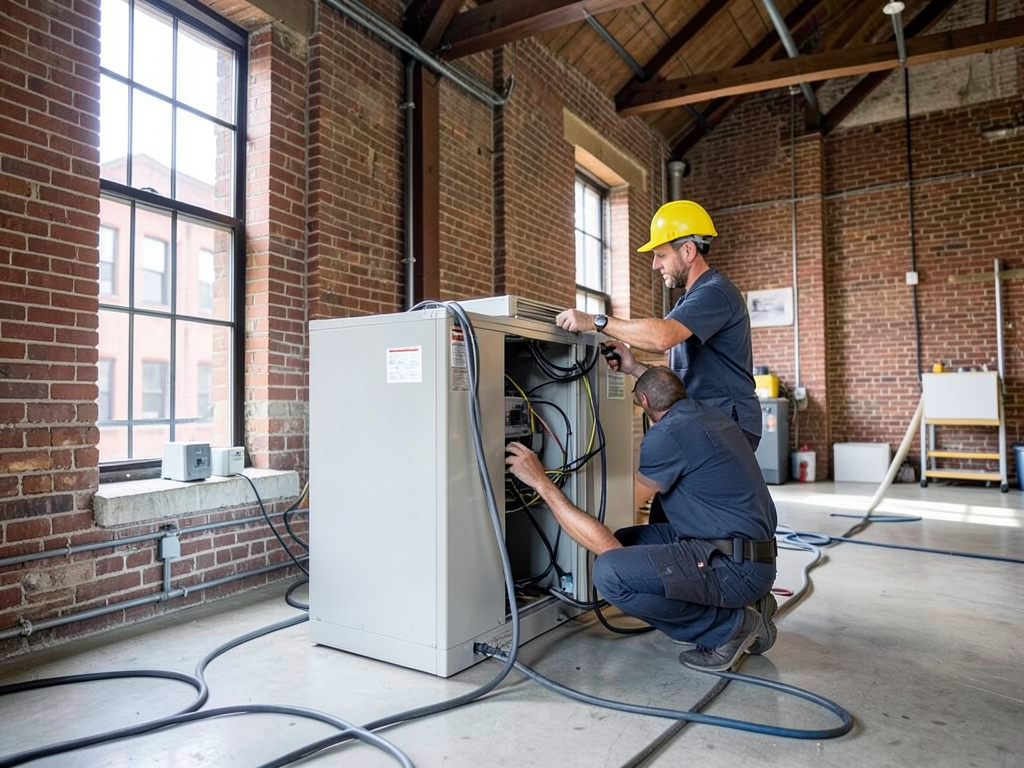
Specialized Climate Control Tips for Indoor Gardeners and Hobbyists in the West Bottoms
The West Bottoms industrial district faces unique climate control challenges for indoor growing. High summer humidity from the Missouri River valley combines with extreme temperature swings to create conditions that can devastate plant health without proper HVAC design. Your grow room needs more than just cooling – it requires precise humidity control, proper air circulation, and systems engineered for the specific heat loads of grow lights and plant transpiration.
Indoor gardeners in the West Bottoms deal with three critical factors that standard residential HVAC cannot handle. First, the latent heat load from plant transpiration often exceeds the sensible heat from lighting. Second, the 2026 Kansas City summer humidity regularly exceeds 85% relative humidity, creating perfect conditions for mold and mildew. Third, local building codes require specific ventilation and odor control measures for any indoor cultivation space. Understanding these factors determines whether your plants thrive or fail. Local HVAC experts for boiler maintenance and repair near the Country Club Plaza.
Understanding Heat Loads in West Bottoms Grow Rooms
Traditional HVAC calculations fail for indoor gardens because they ignore plant biology. A 1000-watt HPS grow light produces approximately 3,400 BTU of sensible heat. However, the same wattage of LED lighting produces only 3,000 BTU while also reducing the need for cooling systems that remove excess heat. The real challenge comes from latent heat – the moisture plants release through transpiration.
Plants in a 100-square-foot grow space can transpire up to 1 gallon of water per day. This moisture must be removed through dehumidification, not just cooling. Standard air conditioners remove both heat and some moisture, but they cannot maintain the 45-55% relative humidity most plants need during flowering. This is why specialized dehumidifiers or dedicated HVAC systems with reheat circuits become essential for West Bottoms indoor gardens.. Read more about How the hard water in Johnson County affects your whole home humidifier lifespan.
DIAGNOSTIC CHECK: Use a digital hygrometer to measure temperature and humidity at plant canopy level. If readings fluctuate more than 5% RH or 3°F throughout the day, your system cannot maintain stable growing conditions.
Vapor Pressure Deficit and Why It Matters More Than Temperature
Vapor Pressure Deficit (VPD) measures the difference between moisture in the air and how much moisture the air can hold when saturated. This metric drives plant transpiration more than temperature alone. Most indoor plants perform best when VPD stays between 0.8 and 1.2 kPa.
Calculating VPD requires knowing both temperature and relative humidity. At 75°F with 50% RH, VPD equals approximately 1.0 kPa – ideal for most flowering plants. However, at 85°F with 70% RH, VPD drops to 0.6 kPa, causing plants to transpire too slowly and potentially develop nutrient deficiencies. The reverse occurs when humidity drops too low, causing plants to lose moisture faster than roots can replace it.
DIAGNOSTIC CHECK: Monitor your VPD daily using a cheap VPD calculator app. If VPD consistently falls outside the 0.8-1.2 kPa range, adjust your HVAC settings or add humidification/dehumidification equipment.
Equipment Options for West Bottoms Indoor Gardens
Choosing the right HVAC system depends on your garden size, budget, and local code requirements. The West Bottoms’ industrial buildings often have high ceilings and limited electrical service, affecting equipment selection.
| System Type | Best For | West Bottoms Considerations | Cost Range (2026) |
|---|---|---|---|
| Ductless Mini-Split | Small gardens under 200 sq ft | Easy installation in older buildings | $2,500 – $4,500 |
| Commercial RTU | Large operations over 500 sq ft | Requires roof access and structural support | $8,000 – $15,000 |
| Integrated Controller | Precision control needed | Works with any system, WiFi enabled | $800 – $2,500 |
| Dehumidifier Only | Supplemental moisture control | Portable units work in tight spaces | $300 – $1,200 |
Ductless mini-splits offer the best balance for most West Bottoms hobbyists. These systems provide both cooling and heating while maintaining precise temperature control. Look for models with inverter technology that can adjust compressor speed rather than cycling on and off. This prevents temperature swings that stress plants.
Commercial rooftop units work well for larger operations but require structural engineering to support the weight on older West Bottoms buildings. Many structures from the early 1900s need reinforcement before installing RTUs. Always check with a structural engineer before proceeding.
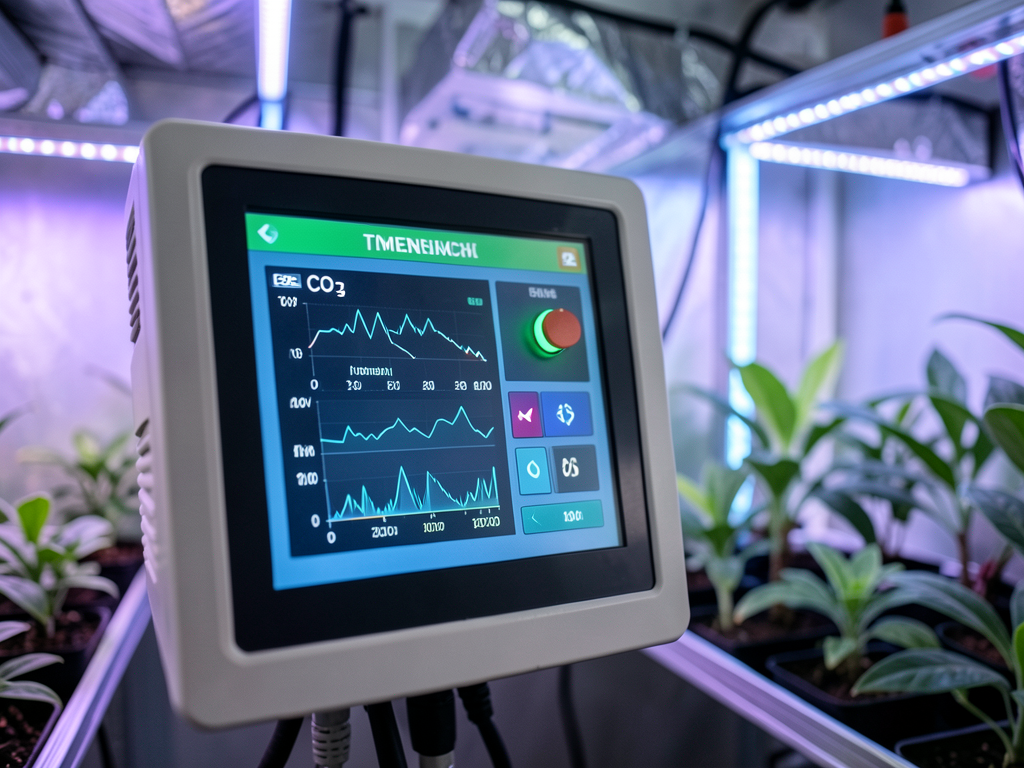
Integrated environmental controllers from brands like Quest or Anden provide the precision serious growers need. These systems monitor temperature, humidity, CO2 levels, and even soil moisture. They automatically adjust HVAC equipment to maintain optimal growing conditions 24/7.
Local Compliance and Building Code Requirements
Kansas City building codes require specific ventilation and odor control for indoor cultivation spaces. The 2026 International Mechanical Code mandates minimum ventilation rates based on floor area and occupancy. For grow rooms, this typically means 0.3 CFM per square foot of floor area. International Mechanical Code ventilation requirements.
Odor control presents another challenge in the West Bottoms. Many buildings are close together, and neighbors may complain about cultivation odors. Carbon filtration systems with activated charcoal filters remove 99% of odors when properly sized. The filter should provide at least 2.5 air changes per hour in your grow space.
CODE REQUIREMENT: Kansas City Ordinance 120961 requires any indoor cultivation facility to install carbon scrubbing equipment capable of removing 95% of volatile organic compounds from exhaust air. This applies to both residential and commercial operations.
Electrical requirements also matter. Most grow rooms need dedicated 240-volt circuits for lighting and HVAC equipment. The National Electrical Code Article 680 requires GFCI protection for all outlets in damp locations. Older West Bottoms buildings may need electrical panel upgrades to handle the load.
CO2 Enrichment and HVAC System Interaction
CO2 enrichment can increase yields by 20-30% when plants receive 1,200-1,500 ppm CO2. However, this creates additional HVAC challenges. Plants consume CO2 during photosynthesis, dropping levels from 400 ppm to as low as 200 ppm in sealed rooms within hours.
Adding CO2 requires careful HVAC coordination. Venting the room to add fresh air also removes the enriched CO2, wasting your investment. The solution involves sealed rooms with dedicated CO2 injection systems and air conditioning that recirculates rather than exchanges air. How to find a reliable air conditioning repair technician in Overland Park.
DIAGNOSTIC CHECK: Install a CO2 monitor near plant canopy level. If levels drop below 300 ppm during lights-on periods, your room is not sealed properly or your plants consume CO2 too quickly.
Temperature also affects CO2 uptake. Plants absorb CO2 most efficiently between 75-85°F. If your HVAC cannot maintain this range while providing CO2 enrichment, you lose the benefits of both systems.
West Bottoms Specific Climate Challenges
The West Bottoms sits in a unique microclimate created by the Missouri River valley. Summer humidity regularly exceeds 85% relative humidity, while winter temperatures can drop below 0°F. These extremes require HVAC systems with both heating and cooling capabilities.
Spring thunderstorms bring rapid temperature and humidity changes. A system that works fine in July may struggle when a cold front drops temperatures 30 degrees in two hours. This is why redundancy matters – having backup dehumidifiers or portable heaters prevents crop loss during weather events. Storm Damage HVAC Repair.
GOLDEN NUGGET: The West Bottoms experiences an average of 42 days per year with humidity above 90%. Standard residential air conditioners cannot remove enough moisture on these days to prevent mold growth in grow rooms.
Winter presents different challenges. Cold air holds less moisture, so relative humidity often drops below 30% when outdoor temperatures fall below freezing. This causes plants to transpire too rapidly, leading to nutrient burn and wilting. Humidifiers become essential during winter months.
Energy Efficiency and Cost Management
Indoor growing consumes significant energy. A typical 400-square-foot grow room with LED lighting, HVAC, and CO2 enrichment can cost $200-400 per month in electricity during peak season. Smart energy management reduces these costs without sacrificing plant health. Smart Thermostat Benefits.
LED lighting saves 30-40% on electricity compared to HPS lights while producing less heat. This reduces cooling costs significantly. However, LEDs cost more upfront, so calculate your payback period based on local electricity rates.
Variable-speed HVAC equipment saves 20-30% on electricity by matching output to demand rather than cycling on and off. These systems also maintain more stable temperatures, which benefits plant growth.
DIAGNOSTIC CHECK: Monitor your electricity usage with a smart meter. If your grow room consumes more than 1,500 watts continuously, consider upgrading to more efficient equipment or adding solar panels.
Maintenance Schedule for Optimal Performance
Regular maintenance prevents system failures that can destroy crops. Create a maintenance calendar based on your equipment and growing schedule.
- Weekly Tasks
Check and clean air filters, inspect condensate drains for clogs, verify temperature and humidity readings with separate meters. EPA Section 608 refrigerant handling.
- Monthly Tasks
Clean evaporator and condenser coils, check refrigerant levels, inspect electrical connections for corrosion.
- Quarterly Tasks
Calibrate sensors, clean ductwork if accessible, check for refrigerant leaks with electronic detector.
- Annually
Professional inspection of all HVAC components, check ductwork insulation, verify proper system sizing.
Neglecting maintenance causes most HVAC failures. A dirty air filter can reduce airflow by 50%, causing the system to freeze up or overheat. Clogged condensate drains lead to water damage and mold growth.
Cost-Benefit Analysis for West Bottoms Growers
Investing in proper HVAC pays for itself through increased yields and prevented crop losses. Consider these factors when budgeting for your grow room.
| Investment Level | Initial Cost | Monthly Operating Cost | Expected Yield Increase | Payback Period |
|---|---|---|---|---|
| Basic Setup | $3,000 – $5,000 | $150 – $250 | 10-15% | 12-18 months |
| Mid-Range System | $6,000 – $10,000 | $200 – $350 | 20-25% | 8-12 months |
| Professional Installation | $12,000 – $20,000 | $250 – $400 | 30-40% | 6-9 months |
Basic setups work for hobbyists but often cannot maintain optimal conditions during extreme weather. Mid-range systems provide good value for most growers. Professional installations offer the best control but require significant upfront investment.
Emergency Response Planning
System failures can destroy entire crops within 24 hours. Have a response plan ready before problems occur.
- Keep spare air filters and basic tools on site
- Maintain contact information for 24/7 HVAC repair services
- Install temperature and humidity alarms that send notifications to your phone
- Have backup dehumidifiers and portable heaters available
- Document system settings and maintenance history
Power outages pose special risks. Install battery backup systems for critical components like CO2 monitors and environmental controllers. Consider a small generator for extended outages.
Frequently Asked Questions
What size HVAC system do I need for a 200-square-foot grow room?
A 200-square-foot grow room typically needs 8,000-12,000 BTU of cooling capacity, but this varies based on lighting type, plant density, and local climate. Use the formula: (Square footage × 31.25) + (Lighting BTU ÷ 3) to estimate requirements.
Can I use a residential air conditioner for my indoor garden?
Residential AC units can work for very small gardens under 100 square feet, but they struggle with the high latent heat loads from plants. You will likely need supplemental dehumidification to prevent mold and maintain optimal humidity levels.
How often should I replace HVAC filters in my grow room?
Replace filters every 30 days during active growing seasons. Grow rooms produce more airborne particles than typical living spaces, causing filters to clog faster. Check filters weekly and replace sooner if they appear dirty.
What is the best temperature range for indoor growing?
Most plants grow best between 70-80°F during lights-on periods and 60-70°F during lights-off periods. Some species prefer slightly warmer or cooler temperatures, so research your specific plants’ needs.
Do I need permits for indoor growing HVAC installation?
Kansas City requires permits for any new HVAC installation, including grow room systems. You must also comply with local cultivation ordinances, which may require additional inspections or certifications.
[IMAGE_PLACEHOVER_1]
Call (816) 473-9177 today to schedule your inspection. Our technicians understand the unique HVAC challenges West Bottoms indoor gardeners face and can design systems that protect your investment while maximizing plant health.
Pick up the phone and call (816) 473-9177 before the next storm hits. Don’t let HVAC failures destroy your crop when professional maintenance could prevent the problem entirely.
You may also find this helpful. Protecting your piano and acoustic guitars from Kansas City humidity swings.
{
“@context”: “https://schema.org”,
“@type”: “BlogPosting”,
“headline”: “Specialized Climate Control Tips for Indoor Gardeners and Hobbyists in the West Bottoms”,
“description”: “Expert HVAC solutions for indoor grow rooms in Kansas City’s West Bottoms. Learn VPD control, humidity management, and local code compliance for optimal plant growth.”,
“wordCount”: 1983,
“datePublished”: “2026-05-17T12:18:00.000Z”,
“dateModified”: “2026-05-17T12:18:00.000Z”,
“inLanguage”: “en-US”,
“mainEntityOfPage”: {
“@type”: “WebPage”,
“@id”: “https://unitedhvackansascity.com”
},
“publisher”: {
“@type”: “LocalBusiness”,
“name”: “United HVAC Kansas City”,
“url”: “https://unitedhvackansascity.com”
},
“author”: {
“@type”: “Organization”,
“name”: “United HVAC Kansas City”,
“url”: “https://unitedhvackansascity.com”
},
“image”: {
“@type”: “ImageObject”,
“url”: “https://unitedhvackansascity.com/wp-content/uploads/2026/03/specialized-climate-control-tips-for-indoor-garden-1.png”
}
}
{
“@context”: “https://schema.org”,
“@type”: “HVACBusiness”,
“name”: “United HVAC Kansas City”,
“url”: “https://unitedhvackansascity.com”,
“address”: {
“@type”: “PostalAddress”,
“addressLocality”: “Kansas City”
},
“areaServed”: {
“@type”: “City”,
“name”: “Kansas City”
}
}
{
“@context”: “https://schema.org”,
“@type”: “FAQPage”,
“mainEntity”: [
{
“@type”: “Question”,
“name”: “What size HVAC system do I need for a 200-square-foot grow room?”,
“acceptedAnswer”: {
“@type”: “Answer”,
“text”: “A 200-square-foot grow room typically needs 8,000-12,000 BTU of cooling capacity, but this varies based on lighting type, plant density, and local climate. Use the formula: (Square footage × 31.25) + (Lighting BTU ÷ 3) to estimate requirements.”
}
},
{
“@type”: “Question”,
“name”: “Can I use a residential air conditioner for my indoor garden?”,
“acceptedAnswer”: {
“@type”: “Answer”,
“text”: “Residential AC units can work for very small gardens under 100 square feet, but they struggle with the high latent heat loads from plants. You will likely need supplemental dehumidification to prevent mold and maintain optimal humidity levels.”
}
},
{
“@type”: “Question”,
“name”: “How often should I replace HVAC filters in my grow room?”,
“acceptedAnswer”: {
“@type”: “Answer”,
“text”: “Replace filters every 30 days during active growing seasons. Grow rooms produce more airborne particles than typical living spaces, causing filters to clog faster. Check filters weekly and replace sooner if they appear dirty.”
}
},
{
“@type”: “Question”,
“name”: “What is the best temperature range for indoor growing?”,
“acceptedAnswer”: {
“@type”: “Answer”,
“text”: “Most plants grow best between 70-80°F during lights-on periods and 60-70°F during lights-off periods. Some species prefer slightly warmer or cooler temperatures, so research your specific plants’ needs.”
}
},
{
“@type”: “Question”,
“name”: “Do I need permits for indoor growing HVAC installation?”,
“acceptedAnswer”: {
“@type”: “Answer”,
“text”: “Kansas City requires permits for any new HVAC installation, including grow room systems. You must also comply with local cultivation ordinances, which may require additional inspections or certifications.”
}
}
]
}
{
“@context”: “https://schema.org”,
“@type”: “HowTo”,
“name”: “Grow Room HVAC Maintenance Schedule”,
“step”: [
{
“@type”: “HowToStep”,
“position”: 1,
“name”: “Weekly Tasks”,
“text”: “Check and clean air filters, inspect condensate drains for clogs, verify temperature and humidity readings with separate meters. EPA Section 608 refrigerant handling.”
},
{
“@type”: “HowToStep”,
“position”: 2,
“name”: “Monthly Tasks”,
“text”: “Clean evaporator and condenser coils, check refrigerant levels, inspect electrical connections for corrosion.”
},
{
“@type”: “HowToStep”,
“position”: 3,
“name”: “Quarterly Tasks”,
“text”: “Calibrate sensors, clean ductwork if accessible, check for refrigerant leaks with electronic detector.”
},
{
“@type”: “HowToStep”,
“position”: 4,
“name”: “Annually”,
“text”: “Professional inspection of all HVAC components, check ductwork insulation, verify proper system sizing.”
}
],
“image”: “https://unitedhvackansascity.com/wp-content/uploads/2026/03/specialized-climate-control-tips-for-indoor-garden-1.png”
}
{
“@context”: “https://schema.org”,
“@type”: “BreadcrumbList”,
“itemListElement”: [
{
“@type”: “ListItem”,
“position”: 1,
“name”: “Home”,
“item”: “https://unitedhvackansascity.com”
},
{
“@type”: “ListItem”,
“position”: 2,
“name”: “Blog”,
“item”: “https://unitedhvackansascity.com/blog”
},
{
“@type”: “ListItem”,
“position”: 3,
“name”: “Specialized Climate Control Tips for Indoor Gardeners and Hobbyists in the West Bottoms”
}
]
}
{
“@context”: “https://schema.org”,
“@type”: “Service”,
“serviceType”: “HVAC”,
“provider”: {
“@type”: “LocalBusiness”,
“name”: “United HVAC Kansas City”,
“url”: “https://unitedhvackansascity.com”
},
“areaServed”: {
“@type”: “City”,
“name”: “Kansas City”
},
“description”: “Expert HVAC solutions for indoor grow rooms in Kansas City’s West Bottoms. Learn VPD control, humidity management, and local code compliance for optimal plant growth.”
}