
Why Your Prairie Village Ranch Home Has One Room That Is Always Freezing
Your Prairie Village ranch home feels cozy everywhere except that one back bedroom. You crank up the thermostat but the room stays stubbornly cold. This is not your imagination. Many ranch-style homes in Prairie Village suffer from uneven heating because of their long, sprawling floor plans and single-zone HVAC systems. Smart Thermostat Benefits.
The problem usually starts with the way air moves through your home. Heat travels from your furnace through a network of ducts. In a ranch home, some rooms sit far from the furnace. By the time warm air reaches them, it has lost energy. The result is a cold room that never catches up. Same day furnace repair services for families in Lee’s Summit.
Before we dig into solutions, here is what you need to know: fixing this issue is not about blasting more heat. It is about getting the heat you already pay for to the rooms that need it. That means understanding airflow, insulation, and ductwork design.
Common Causes of Cold Rooms in Prairie Village Ranch Homes
Several factors make your back bedroom colder than the rest of the house. These issues are common in Prairie Village because of the area’s housing stock and climate.. Read more about Practical Ways for Prairie Village Families to Shrink Their HVAC Carbon Footprint.
First, many ranch homes were built before modern HVAC standards. Builders often used undersized ducts for far rooms. The ducts may be too narrow or too long to deliver enough warm air. This creates what HVAC technicians call “static pressure” problems. Air struggles to move through the system.
Second, Prairie Village experiences cold winters with wind chills that can drop below zero. Heat loss through walls, windows, and attics is significant. If your back bedroom sits above an uninsulated garage or has large windows facing north, it loses heat faster than other rooms.
Third, ranch homes often have open floor plans. While this feels spacious, it allows warm air to rise and collect near the ceiling. Without proper air returns, the cold air stays low in distant rooms. Your heating system keeps running but the cold room never warms.
Finally, duct leaks are a major culprit. In many older Prairie Village homes, ducts run through unconditioned spaces like crawl spaces or attics. Small leaks let warm air escape before it reaches your bedroom. You pay for heat that never arrives.
Quick DIY Checks Before Calling a Pro
Before scheduling a service call, try these simple checks. They can reveal easy fixes and help you understand your system better.
First, check all supply vents in the cold room. Make sure they are fully open and not blocked by furniture, curtains, or rugs. A closed or blocked vent can cut airflow by half.
Next, inspect the air filter. A dirty filter restricts airflow across your entire system. Replace it if it looks gray or clogged. This simple step can improve heating in all rooms.
Then, feel the air coming from vents in the cold room. If it feels weak compared to vents near the thermostat, you likely have a ductwork issue. Weak airflow means the system is working but not delivering.
Also, check for drafts around windows and doors in the cold room. On a windy day, hold a tissue near the edges. If it flutters, you have air leaks. Sealing these with weatherstripping can make a noticeable difference.
Finally, use a basic thermometer to compare room temperatures. If the cold room is more than three degrees cooler than your thermostat setting, your system is struggling to heat it.
Advanced Professional Solutions for Balanced Heating
When DIY fixes do not solve the problem, it is time for professional diagnostics. A trained HVAC technician can measure static pressure, inspect ductwork, and test airflow. Here are the most effective solutions we use in Prairie Village homes.
Ductwork Modifications – If your ducts are too small or poorly designed, resizing them can restore proper airflow. This might mean adding a new supply duct to the cold room or resizing existing ducts. In some cases, we install dampers to balance airflow between rooms.
Aeroseal Duct Sealing – This process uses polymer particles to seal leaks from the inside. We block all vents and blow air mixed with sealant through the ducts. The particles find and seal leaks as small as a pinhole. This can improve efficiency by up to 30 percent.
HVAC Zoning Systems – A zoning system uses motorized dampers and multiple thermostats to control temperatures in different areas. You can keep your living room warm while the back bedroom stays cooler. This is ideal for ranch homes with one cold room.
Variable-Speed Air Handlers – These systems adjust fan speed to maintain consistent airflow. They run longer at lower speeds, which helps even out temperatures. They also save energy compared to single-speed blowers.
Ductless Mini-Split Heat Pumps – For rooms far from the main system, a mini-split can provide independent heating and cooling. These wall-mounted units connect to an outdoor compressor and require no ductwork. They are highly efficient and solve cold room problems permanently.
Smart Thermostat Remote Sensors – Modern thermostats with remote sensors can average temperatures from multiple rooms. This prevents the system from shutting off when one room is cold. Some models even learn your schedule and adjust automatically.
The Role of Home Energy Audits
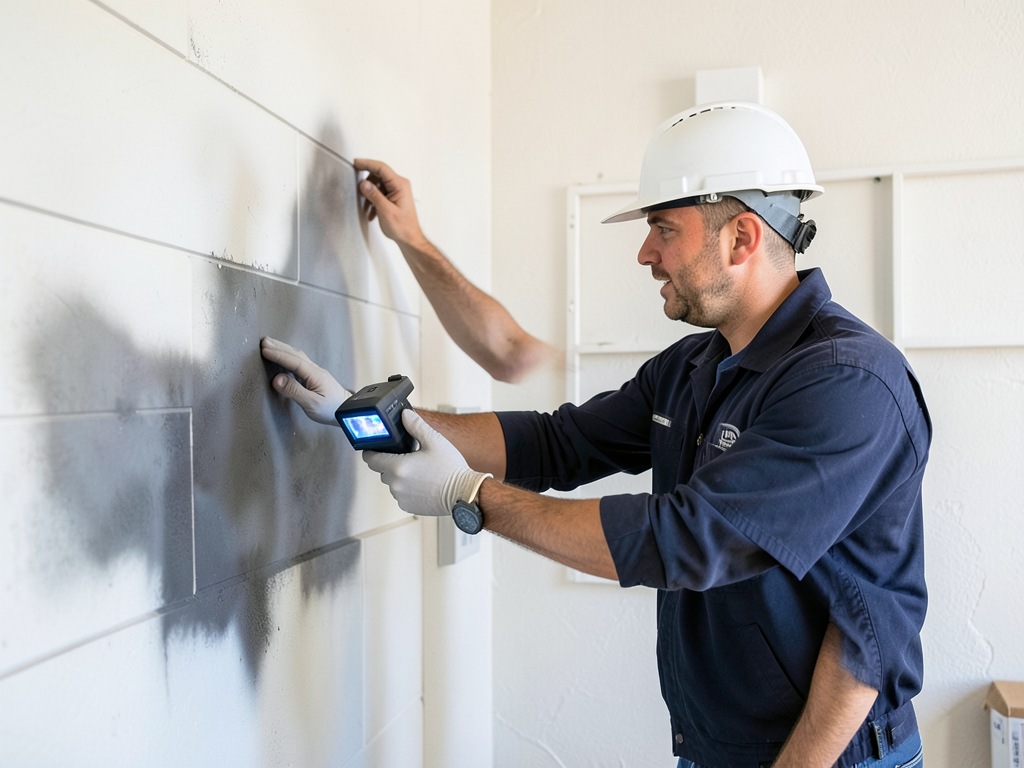
A professional energy audit can pinpoint why your room stays cold. We use thermal imaging cameras to find heat loss through walls, ceilings, and floors. This reveals hidden problems like missing insulation or air leaks.
During an audit, we also test duct leakage with a blower door. This measures how much air escapes from your ducts. In many Prairie Village homes, we find 20 to 30 percent leakage. Sealing these leaks often solves the cold room problem.
We also check insulation levels. Many ranch homes built before the 1980s have inadequate attic insulation. Adding insulation to R-38 or higher can reduce heat loss significantly. We recommend blown-in cellulose or fiberglass for most homes.
Finally, we evaluate your home’s air sealing. Air leaks around plumbing penetrations, electrical boxes, and attic hatches let cold air in. Sealing these gaps with caulk or spray foam improves comfort and lowers energy bills.
Cost-Benefit Analysis: Zoning vs. System Replacement
When deciding how to fix a cold room, consider the long-term costs and benefits. Here is a comparison of common solutions.
| Solution | Typical Cost Range | Energy Savings | Best For |
|---|---|---|---|
| Aeroseal Duct Sealing | $1,500 – $3,000 | 15-30% | Leaky ducts in existing homes |
| HVAC Zoning System | $2,500 – $5,000 | 10-25% | Ranch homes with one cold room |
| Ductless Mini-Split | $3,500 – $7,000 | 20-40% | Rooms far from main system |
| Variable-Speed Upgrade | $2,000 – $4,000 | 10-20% | Improving overall comfort |
Energy savings vary based on your home’s current efficiency and local utility rates. In Prairie Village, where winters are long and cold, these improvements often pay for themselves within five to seven years through lower energy bills. Local HVAC experts for boiler maintenance and repair near the Country Club Plaza.
Local Utility Rebates and Incentives
Before investing in heating upgrades, check for available rebates. Evergy and Spire offer rebates for high-efficiency HVAC equipment and duct sealing. These programs can reduce your upfront costs by hundreds of dollars.
The federal ENERGY STAR program also provides tax credits for qualifying high-efficiency furnaces and heat pumps. As of 2026, you can receive up to $600 for a qualifying furnace with 95 percent AFUE or higher.
Some Prairie Village homeowners also qualify for local utility rebates when they install smart thermostats or complete home energy audits. These programs change annually, so check with your utility provider for current offers.
Why Prairie Village Homes Are Particularly Vulnerable
Prairie Village developed rapidly after World War II when ranch-style homes became popular. Many were built with minimal insulation and basic HVAC systems. This construction style creates specific vulnerabilities.
First, the area’s clay soil can cause foundation shifting. This movement can crack ducts or separate joints, creating leaks. The shifting also affects door and window seals, letting cold air in. EPA guide to energy-efficient heating and cooling.
Second, many Prairie Village homes have large, single-pane windows. These windows lose heat rapidly compared to modern double-pane units. Rooms with north-facing windows suffer the most during winter.
Third, the area’s mature trees, while beautiful, can block sunlight from reaching certain rooms. This reduces passive solar heating, making mechanical heating more important.
Finally, the Kansas City metro area experiences rapid temperature swings. A 60-degree day can drop to 20 degrees overnight. This puts stress on HVAC systems and exposes weaknesses in home insulation and ductwork.
Diagnostic Process: What to Expect From a Professional Visit
When you call for help with a cold room, here is what our diagnostic process includes.
First, we perform a visual inspection of all accessible ducts. We look for disconnected joints, crushed ducts, or obvious damage. We also check vent placement and sizing. Storm Damage HVAC Repair.
Next, we use a manometer to measure static pressure in your system. This tells us if your ducts are too small or if there are blockages. High static pressure means your system is working too hard.
We then test airflow at each vent using an anemometer. This measures cubic feet per minute and shows us which rooms are getting enough air. Weak airflow in the cold room confirms the problem.
We also inspect your furnace and air handler. Dirty burners, worn belts, or failing motors can reduce heating capacity. Sometimes the furnace itself needs maintenance before ductwork fixes will help.
Finally, we use thermal imaging to scan walls, ceilings, and floors. This reveals heat loss patterns and insulation gaps. We can see exactly where your home is losing heat.
After testing, we provide a written report with recommendations. We explain each option’s cost, benefits, and timeline. You can then choose the solution that fits your budget and comfort needs.
Maintenance Tips to Prevent Future Cold Spots
Once you solve your cold room problem, maintenance keeps it from returning. Here are key steps to maintain balanced heating.
Change your air filter every one to three months. A clean filter maintains proper airflow and protects your system. Set a calendar reminder or use a smart thermostat that tracks filter life.
Have your HVAC system professionally serviced annually. A technician can catch small problems before they cause big comfort issues. This includes cleaning burners, checking refrigerant levels, and testing safety controls.
Check and adjust dampers seasonally. Some homes have manual dampers in the ductwork. You might need to adjust them in winter to send more heat to cold rooms.
Seal air leaks around windows and doors annually. Weatherstripping wears out over time. Check it each fall before cold weather arrives.
Keep vents clear and unobstructed. Make sure furniture, rugs, and curtains do not block airflow. Even partially blocked vents reduce heating efficiency.
Monitor your energy bills. A sudden increase might indicate a developing problem. Early detection can prevent comfort issues and expensive repairs. Who to call for 24 hour emergency AC repair in Shawnee when the heat index spikes.
Frequently Asked Questions
Why is one room colder than the rest of my house?
Usually because of poor airflow, inadequate insulation, duct leaks, or the room’s distance from the furnace. Ranch homes are especially prone to this due to their long floor plans.
Can I fix a cold room myself?
Some fixes are DIY-friendly, like changing filters, sealing window leaks, or adjusting vents. However, ductwork modifications and system diagnostics require professional tools and expertise.
How much does it cost to fix a cold room?
Costs range from $200 for simple fixes to $7,000 for comprehensive solutions like zoning systems or mini-splits. Most homeowners spend between $1,500 and $3,500 for effective solutions.
Will a bigger furnace solve my cold room problem?
Not usually. Oversized furnaces create other problems like short cycling and uneven temperatures. The issue is usually airflow distribution, not heating capacity.
How long does it take to fix a cold room?
Simple fixes take a few hours. Duct sealing takes one day. Installing zoning systems or mini-splits takes one to two days. We can often diagnose the problem and provide a timeline during the first visit.
Get Your Home Comfortable Again
Living with a cold room is frustrating and wastes energy. You do not have to accept uneven heating as normal. Modern HVAC solutions can make every room in your Prairie Village home comfortable.
We have helped hundreds of homeowners in Prairie Village and the surrounding areas solve their cold room problems. Our diagnostic process finds the real cause, not just the symptoms. We then recommend solutions that fit your home and budget.
Ready to stop shivering in that back bedroom? Call (816) 473-9177 today to schedule your heating diagnostic. We will find the problem and show you exactly how to fix it. Your comfort is our priority.
Pick up the phone and call (816) 473-9177 before the next cold snap hits. We serve Prairie Village and all of the Kansas City metro area with fast, reliable service. For more information, visit U.S. Department of Energy on home weatherization.
You may also find this helpful. How to Keep Your New Lee’s Summit Sunroom Comfortable Throughout the Winter.
{
“@context”: “https://schema.org”,
“@type”: “BlogPosting”,
“headline”: “Why Your Prairie Village Ranch Home Has One Room That Is Always Freezing”,
“description”: “Discover why ranch homes in Prairie Village have cold spots and learn expert HVAC solutions for balanced heating. Serving KC area homeowners with real fixes.”,
“wordCount”: 2188,
“datePublished”: “2026-04-22T08:12:00.000Z”,
“dateModified”: “2026-04-22T08:12:00.000Z”,
“inLanguage”: “en-US”,
“mainEntityOfPage”: {
“@type”: “WebPage”,
“@id”: “https://unitedhvackansascity.com”
},
“publisher”: {
“@type”: “LocalBusiness”,
“name”: “United HVAC Kansas City”,
“url”: “https://unitedhvackansascity.com”
},
“author”: {
“@type”: “Organization”,
“name”: “United HVAC Kansas City”,
“url”: “https://unitedhvackansascity.com”
},
“image”: {
“@type”: “ImageObject”,
“url”: “https://unitedhvackansascity.com/wp-content/uploads/2026/03/why-your-prairie-village-ranch-home-has-one-room-t-1.png”
}
}
{
“@context”: “https://schema.org”,
“@type”: “HVACBusiness”,
“name”: “United HVAC Kansas City”,
“url”: “https://unitedhvackansascity.com”,
“address”: {
“@type”: “PostalAddress”,
“addressLocality”: “Kansas City”
},
“areaServed”: {
“@type”: “City”,
“name”: “Kansas City”
}
}
{
“@context”: “https://schema.org”,
“@type”: “FAQPage”,
“mainEntity”: [
{
“@type”: “Question”,
“name”: “Why is one room colder than the rest of my house?”,
“acceptedAnswer”: {
“@type”: “Answer”,
“text”: “Usually because of poor airflow, inadequate insulation, duct leaks, or the room’s distance from the furnace. Ranch homes are especially prone to this due to their long floor plans.”
}
},
{
“@type”: “Question”,
“name”: “Can I fix a cold room myself?”,
“acceptedAnswer”: {
“@type”: “Answer”,
“text”: “Some fixes are DIY-friendly, like changing filters, sealing window leaks, or adjusting vents. However, ductwork modifications and system diagnostics require professional tools and expertise.”
}
},
{
“@type”: “Question”,
“name”: “How much does it cost to fix a cold room?”,
“acceptedAnswer”: {
“@type”: “Answer”,
“text”: “Costs range from $200 for simple fixes to $7,000 for comprehensive solutions like zoning systems or mini-splits. Most homeowners spend between $1,500 and $3,500 for effective solutions.”
}
},
{
“@type”: “Question”,
“name”: “Will a bigger furnace solve my cold room problem?”,
“acceptedAnswer”: {
“@type”: “Answer”,
“text”: “Not usually. Oversized furnaces create other problems like short cycling and uneven temperatures. The issue is usually airflow distribution, not heating capacity.”
}
},
{
“@type”: “Question”,
“name”: “How long does it take to fix a cold room?”,
“acceptedAnswer”: {
“@type”: “Answer”,
“text”: “Simple fixes take a few hours. Duct sealing takes one day. Installing zoning systems or mini-splits takes one to two days. We can often diagnose the problem and provide a timeline during the first visit.”
}
}
]
}
{
“@context”: “https://schema.org”,
“@type”: “BreadcrumbList”,
“itemListElement”: [
{
“@type”: “ListItem”,
“position”: 1,
“name”: “Home”,
“item”: “https://unitedhvackansascity.com”
},
{
“@type”: “ListItem”,
“position”: 2,
“name”: “Blog”,
“item”: “https://unitedhvackansascity.com/blog”
},
{
“@type”: “ListItem”,
“position”: 3,
“name”: “Why Your Prairie Village Ranch Home Has One Room That Is Always Freezing”
}
]
}
{
“@context”: “https://schema.org”,
“@type”: “Service”,
“serviceType”: “HVAC”,
“provider”: {
“@type”: “LocalBusiness”,
“name”: “United HVAC Kansas City”,
“url”: “https://unitedhvackansascity.com”
},
“areaServed”: {
“@type”: “City”,
“name”: “Kansas City”
},
“description”: “Discover why ranch homes in Prairie Village have cold spots and learn expert HVAC solutions for balanced heating. Serving KC area homeowners with real fixes.”
}