
Practical Ways for Prairie Village Families to Shrink Their HVAC Carbon Footprint
High-efficiency HVAC systems can cut energy use by 20-30% while keeping Prairie Village homes comfortable through Missouri’s humid summers and freezing winters. Small changes like sealing ducts and upgrading to smart thermostats often pay for themselves within two years through lower utility bills. This guide covers Kansas City-specific strategies families can use right now to reduce their carbon footprint without sacrificing comfort.
Understanding Your Home’s Energy Use
HVAC systems typically account for 48% of a home’s energy consumption according to the Department of Energy. In Prairie Village’s climate zone 4, homes face unique challenges including high summer humidity that forces air conditioners to work overtime and winter temperatures that can drop below zero. These extremes mean your heating and cooling equipment runs nearly year-round, making efficiency upgrades especially valuable. Department of Energy.
Local utility data shows Prairie Village homes use an average of 1,200 kilowatt-hours per month during peak summer months. A single degree difference on your thermostat can change energy use by 3-5% during these periods. Smart thermostats can automatically adjust for these conditions while you’re asleep or away, preventing wasted energy without sacrificing comfort. Local HVAC experts for boiler maintenance and repair near the Country Club Plaza.
Quick Wins That Cost Little to Nothing
Start with your air filter. A clogged filter forces your system to work 5-15% harder according to Energy Star. Replace one-inch filters every 30-60 days during peak seasons. Prairie Village’s pollen levels in spring and fall mean more frequent changes keep both your air clean and your system efficient.
Check your outdoor unit next. Clear at least two feet of space around the condenser. Leaves, grass clippings, and mulch buildup restrict airflow and can reduce efficiency by up to 30%. After summer storms, inspect for debris that might have been sucked into the unit. Storm Damage HVAC Repair.
Adjust your thermostat settings strategically. The Department of Energy recommends 78°F in summer when home and 82°F when away. In winter, try 68°F when home and 60°F at night. These small changes can save 5-15% on heating and cooling costs without noticeable discomfort. EPA guidelines.
Sealing Your Home’s Envelope
Air leaks waste 25-40% of the energy used to heat and cool homes according to building science research. Start with your ductwork. Kansas City’s clay soil can cause foundation shifts that create gaps in duct connections. A simple smoke test can reveal leaks – hold an incense stick near duct joints and watch for smoke movement.
Attic insulation matters more than most homeowners realize. Prairie Village homes typically need R-38 to R-60 insulation in attics based on Missouri building codes. Many homes built before 2000 have only R-19 or less. Adding insulation can cut heating costs by 10-20% in our climate.
Windows and doors are next. Weatherstripping wears out every 5-7 years. Check for drafts by holding a tissue near window frames on a windy day. Replace worn weatherstripping and add door sweeps to eliminate these energy leaks.
Professional Maintenance That Pays Off
Biannual HVAC maintenance keeps systems running at peak efficiency. A dirty coil can reduce cooling capacity by 30% while increasing energy use by the same amount. Professional tune-ups include coil cleaning, refrigerant level checks, and electrical connection tightening that prevent costly breakdowns.. Read more about Comparing the Monthly Cost of Gas vs Electric Heat in Pendleton Heights.
Heat pumps need special attention in Prairie Village. Our climate means they run nearly year-round. A technician should check the reversing valve operation and defrost cycle each fall. These components wear faster in our temperature swings than in milder climates.
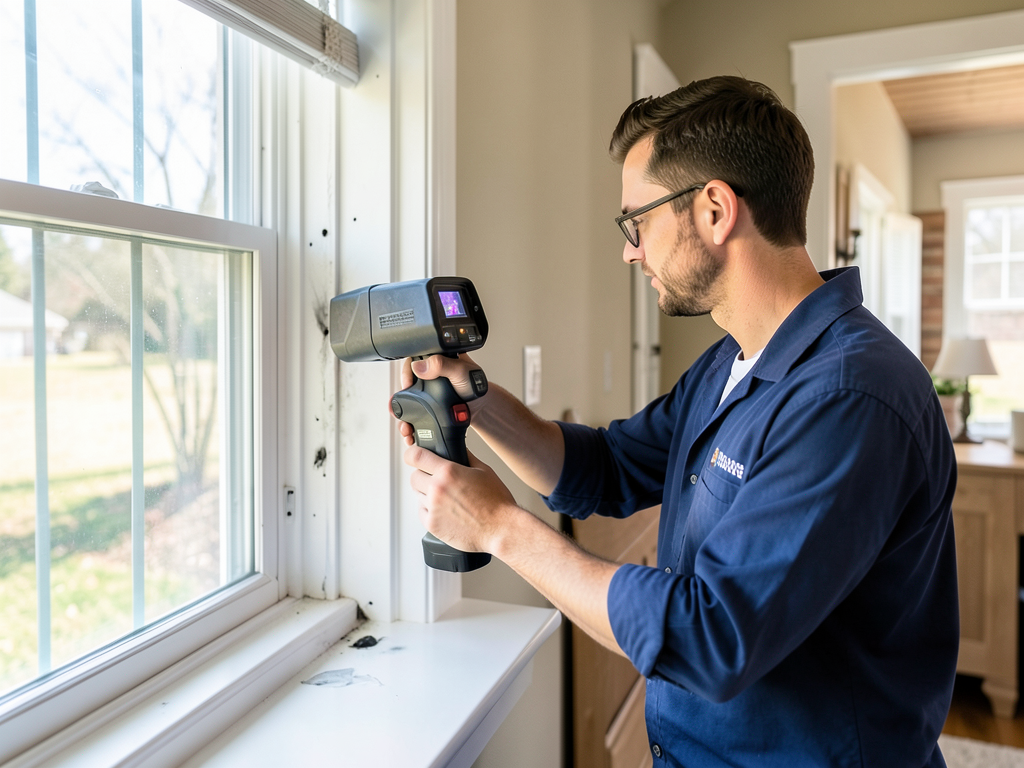
Consider a professional energy audit. Local utilities often offer discounted audits that use thermal imaging to find hidden air leaks. These audits can identify specific upgrades that will save the most money based on your home’s unique characteristics.
Smart Technology Investments
Smart thermostats pay for themselves in 1-2 years through energy savings. Models with occupancy sensors learn your schedule and adjust automatically. Many Prairie Village families report 10-15% savings after installation. Look for Energy Star certified models with humidity controls – crucial for our muggy summers.
Variable-speed equipment represents the biggest efficiency leap available today. These systems adjust output to match demand rather than cycling on and off. They maintain steady temperatures while using 30-50% less electricity than single-stage units. The initial cost is higher but utility rebates often cover 20-30% of the upgrade.
Zone control systems let you heat and cool only occupied areas. For Prairie Village’s two-story homes, this means upstairs bedrooms can be cooler at night while downstairs stays comfortable for evening activities. Smart vents and dampers make this possible without major renovations.
Local Rebates and Incentives
Evergy offers rebates up to $800 for high-efficiency HVAC equipment. Heat pumps with SEER2 ratings above 16 and HSPF2 above 8.2 qualify. The utility also provides $50 rebates for smart thermostat installations. These rebates require professional installation and documentation.
The federal 25C tax credit covers 30% of HVAC improvements up to $2,000 annually. This includes heat pumps, central air conditioners, and high-efficiency furnaces. Keep all receipts and manufacturer efficiency data for tax filing. The credit applies to both equipment and installation costs. Same day furnace repair services for families in Lee’s Summit.
Local contractors often bundle utility rebates with manufacturer promotions. Some Prairie Village families have saved over $1,500 on complete system replacements through combined incentives. Ask your HVAC company about current promotions before scheduling work.
When to Replace vs Repair
Age matters more than most realize. Systems over 12 years old typically operate at 60-70% of their original efficiency. Repair costs exceeding 30% of replacement cost signal it’s time to upgrade. New systems with SEER2 ratings of 16+ use half the electricity of 10-year-old units. Who to call for 24 hour emergency AC repair in Shawnee when the heat index spikes.
Listen for warning signs. Grinding noises indicate failing bearings. Short cycling – when the system turns on and off frequently – suggests control board issues. Both problems waste energy and often mean replacement parts cost more than new equipment.
Consider your home’s future. If you plan to stay more than five years, high-efficiency equipment pays for itself through utility savings. For shorter timelines, focus on maintenance and minor upgrades that improve comfort without major investment.
Indoor Air Quality and Efficiency
Indoor air quality directly impacts HVAC efficiency. Dirty air filters force systems to work harder. High humidity makes air feel warmer, causing overcooling. Prairie Village’s seasonal allergens mean air quality issues affect more homes here than in drier climates.
UV light systems installed in ductwork kill mold and bacteria that can grow on cooling coils. This keeps coils clean and efficient while improving air quality. Many families report fewer allergy symptoms after installation.
Whole-house dehumidifiers can reduce cooling costs by 10-15% in our humid climate. They allow higher thermostat settings while maintaining comfort. The reduced moisture also prevents mold growth and protects wood furnishings from warping.. Read more about Why Whole House Fans Are Making a Comeback in Scarritt Point.
Water Heating Efficiency
Water heating accounts for 14% of home energy use. Tankless water heaters heat water only when needed, saving 20-30% compared to storage tanks. For Prairie Village’s hard water, look for models with scale prevention features to maintain efficiency.. Read more about How the hard water in Johnson County affects your whole home humidifier lifespan.
Insulate hot water pipes to reduce heat loss. Foam pipe insulation costs about $1 per foot and can save $50-100 annually. Focus on pipes in unconditioned spaces like basements and crawl spaces.
Set your water heater to 120°F. Higher temperatures waste energy and increase scalding risk. Many Prairie Village homes have water heaters set to 140°F or higher by default.
Seasonal Strategies for Maximum Savings
Spring maintenance prepares systems for summer. Clean coils, check refrigerant levels, and replace filters. Many breakdowns occur during first use after winter dormancy when problems go unnoticed.
Fall preparation focuses on heating efficiency. Clean burners, check heat exchangers for cracks, and test safety controls. Carbon monoxide leaks from cracked heat exchangers kill over 400 Americans annually according to the CDC.
Summer strategies include using ceiling fans to feel cooler at higher thermostat settings. Each degree increase can save 3-5% on cooling costs. Fans use about 1/60th the electricity of air conditioning. How to find a reliable air conditioning repair technician in Overland Park.
Winter tactics involve humidity management. Dry winter air feels colder, causing higher thermostat settings. Whole-house humidifiers maintain comfort at lower temperatures while protecting wood floors and furniture from drying damage.
Commercial Considerations for Local Businesses
Local restaurants and retail stores face unique HVAC challenges. Kitchen exhaust systems pull out conditioned air, forcing HVAC systems to work harder. Make-up air units can recover 50-70% of this energy while maintaining proper ventilation.
Commercial rooftop units often operate at 60-70% efficiency due to age and lack of maintenance. Upgrading to units with economizer cycles can cut energy use by 25% while improving indoor air quality.
Building automation systems optimize HVAC operation based on occupancy and outdoor conditions. Many Prairie Village businesses report 20-30% energy savings after installation. These systems often pay for themselves within three years through utility savings.
Common Mistakes That Waste Energy
Closing vents in unused rooms seems logical but actually increases energy use. It creates pressure imbalances that force air through leaks in your duct system. This can increase energy use by 10-20% while creating hot and cold spots.
DIY refrigerant charging often causes more problems than it solves. Incorrect refrigerant levels reduce efficiency by up to 20% and can damage compressors. Professional charging requires specialized equipment and EPA certification.
Ignoring strange noises leads to bigger problems. A squealing belt today becomes a broken belt tomorrow. That grinding noise might be a failing bearing that will seize and destroy your compressor if ignored.
Using the wrong filter size or type restricts airflow. This forces your system to work harder and can cause premature failure. Always use filters sized exactly as specified by your equipment manufacturer.
Monitoring Your Progress
Track your utility bills month to month. A 10% decrease after implementing changes proves your efforts work. Many families see immediate savings from simple changes like thermostat adjustments and filter replacements.
Smart home energy monitors show real-time electricity use. They can identify which appliances use the most power and help you understand your HVAC system’s actual consumption. Some models even alert you to unusual energy use that might indicate equipment problems.
Consider a professional energy assessment every few years. Technology and your home’s needs change over time. What worked five years ago might not be optimal today.
Building for the Future
New construction offers opportunities for maximum efficiency. Geothermal heat pumps can cut heating and cooling costs by 50-70% but require significant upfront investment. For Prairie Village’s climate, horizontal loop systems work well in yards with adequate space.
Solar-ready designs make future solar panel installation easier and cheaper. This includes south-facing roof sections with proper structural support and electrical conduit pathways. While solar adds to initial costs, combined with efficient HVAC it can eliminate utility bills.
Smart home integration allows all systems to work together. Lights, appliances, and HVAC can coordinate to minimize energy use while maintaining comfort. Voice control and smartphone apps make management simple even for non-technical users.
Emergency Preparedness
HVAC failures during extreme weather can be dangerous. Keep emergency contacts programmed in your phone. Know how to shut off your system if you smell burning or hear unusual noises.
Portable fans and window units provide backup cooling during air conditioner failures. For Prairie Village’s humid climate, focus on units with dehumidification features. A cool but humid room feels uncomfortable and can promote mold growth.
Space heaters work for temporary heating but use significant electricity. Limit use to small areas and never leave unattended. For longer outages, consider a generator sized to run your HVAC system and essential appliances.
Frequently Asked Questions
How much can I really save by upgrading my HVAC system?
High-efficiency systems can cut energy bills by 20-50% depending on your current equipment age and efficiency. Most Prairie Village families see 30% savings when replacing 15-year-old units. The exact amount depends on your home’s insulation, local utility rates, and how you use the system.
Are smart thermostats worth the investment?
Yes, smart thermostats typically pay for themselves within 1-2 years through energy savings. They learn your schedule, adjust for weather conditions, and can be controlled remotely. Many models include humidity controls crucial for Kansas City’s muggy summers. Look for Energy Star certified models for best results.
How often should I replace my air filter?
Replace one-inch filters every 30-60 days during peak seasons. Prairie Village’s high pollen levels mean more frequent changes keep both air clean and systems efficient. Thicker filters can last 3-6 months but check them monthly. A clogged filter forces your system to work 5-15% harder.
What size HVAC system do I need?
System size depends on your home’s square footage, insulation levels, window area, and local climate. A professional Manual J calculation ensures proper sizing. Oversized systems short cycle, reducing efficiency and comfort. Undersized units can’t maintain temperatures on extreme days.
Can I install a new HVAC system myself?
No, HVAC installation requires EPA certification for refrigerant handling and knowledge of electrical and gas systems. Improper installation can cause carbon monoxide leaks, electrical fires, and void warranties. Professional installation ensures safety, efficiency, and code compliance.
How do I know if my ducts leak?
Common signs include rooms that are hard to heat or cool, excessive dust, and high utility bills. A professional duct test uses specialized equipment to measure leakage. DIY tests like the incense stick method can reveal obvious leaks but miss hidden problems.
Ready to Start Saving?
Small changes add up to big savings over time. Start with the easiest fixes like filter changes and thermostat adjustments. Then tackle bigger projects like duct sealing or equipment upgrades as your budget allows. Every improvement reduces your carbon footprint while making your home more comfortable.
Local utility rebates and federal tax credits can make efficiency upgrades much more affordable. Many Prairie Village families combine these incentives to cut upgrade costs by 30-50%. A professional HVAC contractor can help you navigate these programs and choose the most cost-effective improvements for your specific situation.
Call (816) 473-9177 today to schedule your energy efficiency assessment. Our technicians can identify the biggest energy wasters in your home and recommend solutions that fit your budget and goals. Don’t wait for the next utility bill shock – take control of your energy use now.
Remember, reducing your HVAC carbon footprint isn’t just good for the environment – it’s good for your wallet. Prairie Village’s extreme seasons make efficiency especially valuable here. Start with one or two changes this month and build from there. Your future self will thank you when those utility bills arrive.
You may also find this helpful. Why Swamp Coolers Are a Huge Mistake for Shawnee Homeowners.
You may also find this helpful. Comparing Mitsubishi and Daikin ductless systems for local homes.
{
“@context”: “https://schema.org”,
“@type”: “BlogPosting”,
“headline”: “Practical Ways for Prairie Village Families to Shrink Their HVAC Carbon Footprint”,
“description”: “Learn how Prairie Village homeowners can cut HVAC energy use with smart upgrades, maintenance, and local rebates. Discover Kansas City-specific tips to lower bills and boost efficiency.”,
“wordCount”: 2449,
“datePublished”: “2026-05-12T09:12:00.000Z”,
“dateModified”: “2026-05-12T09:12:00.000Z”,
“inLanguage”: “en-US”,
“mainEntityOfPage”: {
“@type”: “WebPage”,
“@id”: “https://unitedhvackansascity.com”
},
“publisher”: {
“@type”: “LocalBusiness”,
“name”: “United HVAC Kansas City”,
“url”: “https://unitedhvackansascity.com”
},
“author”: {
“@type”: “Organization”,
“name”: “United HVAC Kansas City”,
“url”: “https://unitedhvackansascity.com”
},
“image”: {
“@type”: “ImageObject”,
“url”: “https://unitedhvackansascity.com/wp-content/uploads/2026/03/practical-ways-for-prairie-village-families-to-shr-1.png”
}
}
{
“@context”: “https://schema.org”,
“@type”: “HVACBusiness”,
“name”: “United HVAC Kansas City”,
“url”: “https://unitedhvackansascity.com”,
“address”: {
“@type”: “PostalAddress”,
“addressLocality”: “Kansas City”
},
“areaServed”: {
“@type”: “City”,
“name”: “Kansas City”
}
}
{
“@context”: “https://schema.org”,
“@type”: “FAQPage”,
“mainEntity”: [
{
“@type”: “Question”,
“name”: “How much can I really save by upgrading my HVAC system?”,
“acceptedAnswer”: {
“@type”: “Answer”,
“text”: “High-efficiency systems can cut energy bills by 20-50% depending on your current equipment age and efficiency. Most Prairie Village families see 30% savings when replacing 15-year-old units. The exact amount depends on your home’s insulation, local utility rates, and how you use the system.”
}
},
{
“@type”: “Question”,
“name”: “Are smart thermostats worth the investment?”,
“acceptedAnswer”: {
“@type”: “Answer”,
“text”: “Yes, smart thermostats typically pay for themselves within 1-2 years through energy savings. They learn your schedule, adjust for weather conditions, and can be controlled remotely. Many models include humidity controls crucial for Kansas City’s muggy summers. Look for Energy Star certified models for best results.”
}
},
{
“@type”: “Question”,
“name”: “How often should I replace my air filter?”,
“acceptedAnswer”: {
“@type”: “Answer”,
“text”: “Replace one-inch filters every 30-60 days during peak seasons. Prairie Village’s high pollen levels mean more frequent changes keep both air clean and systems efficient. Thicker filters can last 3-6 months but check them monthly. A clogged filter forces your system to work 5-15% harder.”
}
},
{
“@type”: “Question”,
“name”: “What size HVAC system do I need?”,
“acceptedAnswer”: {
“@type”: “Answer”,
“text”: “System size depends on your home’s square footage, insulation levels, window area, and local climate. A professional Manual J calculation ensures proper sizing. Oversized systems short cycle, reducing efficiency and comfort. Undersized units can’t maintain temperatures on extreme days.”
}
},
{
“@type”: “Question”,
“name”: “Can I install a new HVAC system myself?”,
“acceptedAnswer”: {
“@type”: “Answer”,
“text”: “No, HVAC installation requires EPA certification for refrigerant handling and knowledge of electrical and gas systems. Improper installation can cause carbon monoxide leaks, electrical fires, and void warranties. Professional installation ensures safety, efficiency, and code compliance.”
}
},
{
“@type”: “Question”,
“name”: “How do I know if my ducts leak?”,
“acceptedAnswer”: {
“@type”: “Answer”,
“text”: “Common signs include rooms that are hard to heat or cool, excessive dust, and high utility bills. A professional duct test uses specialized equipment to measure leakage. DIY tests like the incense stick method can reveal obvious leaks but miss hidden problems.”
}
},
{
“@type”: “Question”,
“name”: “Ready to Start Saving?”,
“acceptedAnswer”: {
“@type”: “Answer”,
“text”: “Small changes add up to big savings over time. Start with the easiest fixes like filter changes and thermostat adjustments. Then tackle bigger projects like duct sealing or equipment upgrades as your budget allows. Every improvement reduces your carbon footprint while making your home more comfortable.”
}
}
]
}
{
“@context”: “https://schema.org”,
“@type”: “BreadcrumbList”,
“itemListElement”: [
{
“@type”: “ListItem”,
“position”: 1,
“name”: “Home”,
“item”: “https://unitedhvackansascity.com”
},
{
“@type”: “ListItem”,
“position”: 2,
“name”: “Blog”,
“item”: “https://unitedhvackansascity.com/blog”
},
{
“@type”: “ListItem”,
“position”: 3,
“name”: “Practical Ways for Prairie Village Families to Shrink Their HVAC Carbon Footprint”
}
]
}
{
“@context”: “https://schema.org”,
“@type”: “Service”,
“serviceType”: “HVAC”,
“provider”: {
“@type”: “LocalBusiness”,
“name”: “United HVAC Kansas City”,
“url”: “https://unitedhvackansascity.com”
},
“areaServed”: {
“@type”: “City”,
“name”: “Kansas City”
},
“description”: “Learn how Prairie Village homeowners can cut HVAC energy use with smart upgrades, maintenance, and local rebates. Discover Kansas City-specific tips to lower bills and boost efficiency.”
}